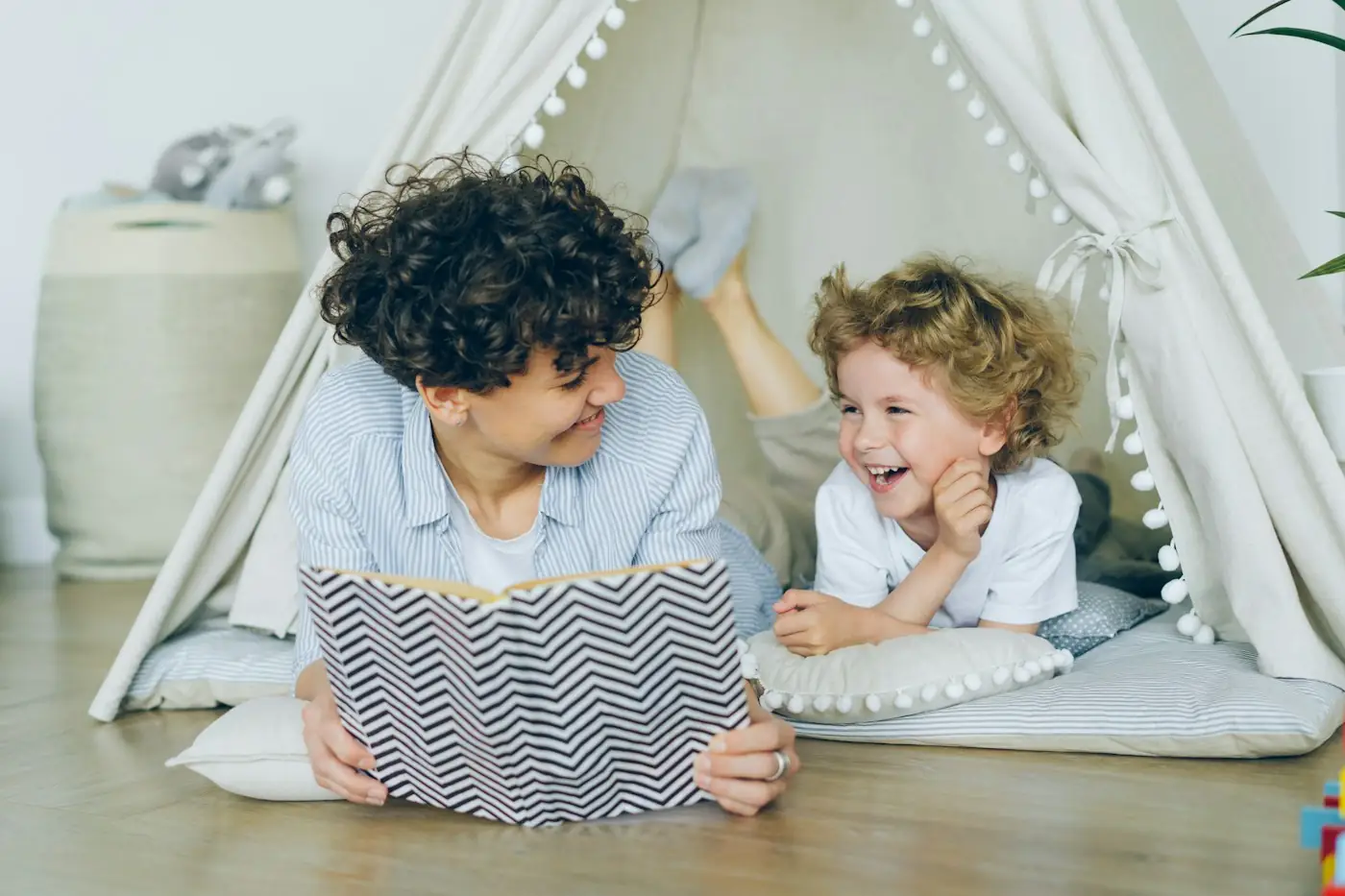
Learning & literacy
How to Encourage Reading in Kids: Ideas That Feel Like Play
Practical ways to encourage reading in kids: reachable books, picture talk, shared routines and low-pressure games that build a lasting habit.
Shared reading, letter discoveries and playful conversations, with practical ideas for curious little learners.
Practical ways to encourage reading in kids: reachable books, picture talk, shared routines and low-pressure games that build a lasting habit.
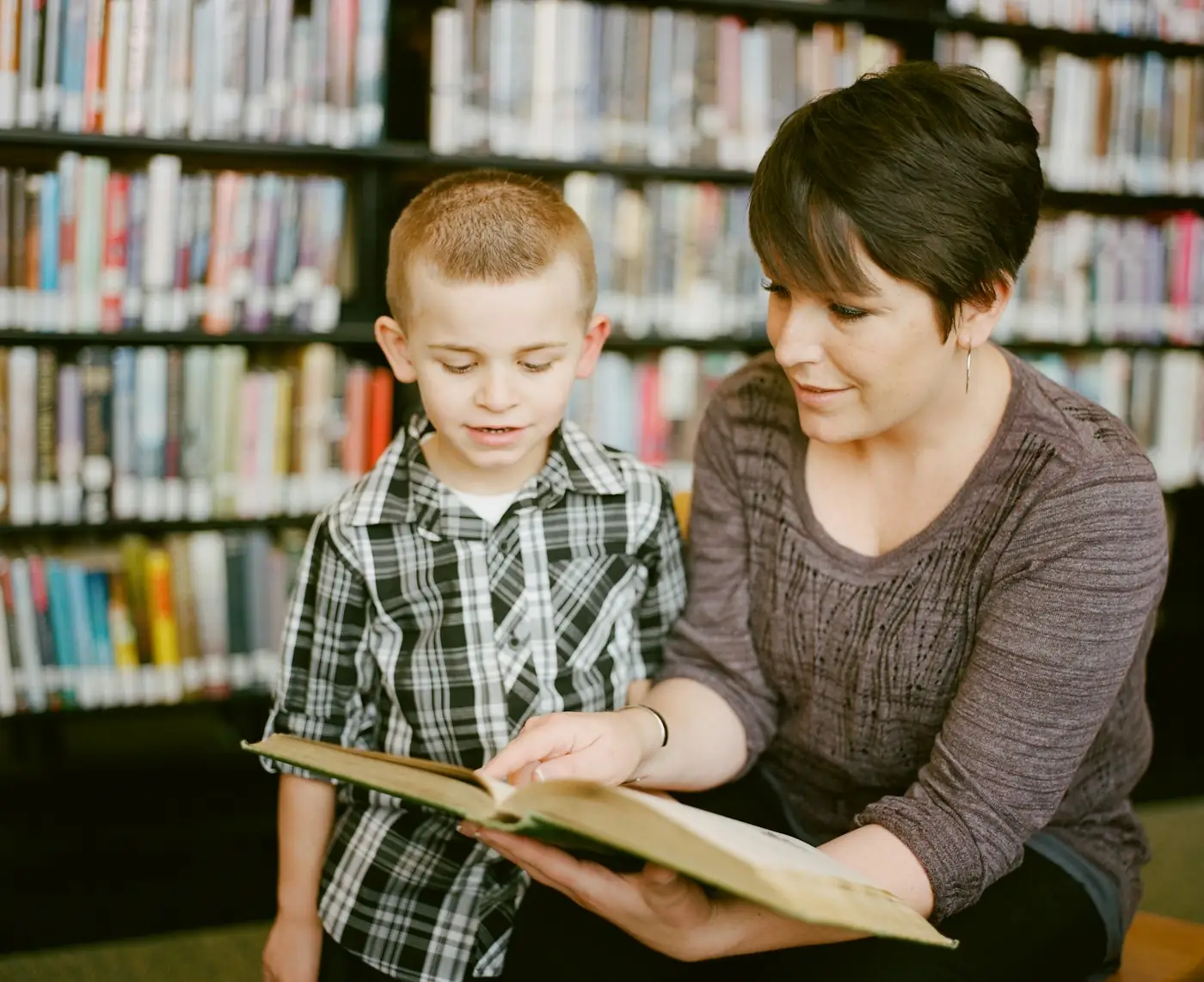
When do kids learn to read? There is no single age. Five steps, from enjoying stories to sounding out words, with signs to watch for and when to ask for help.
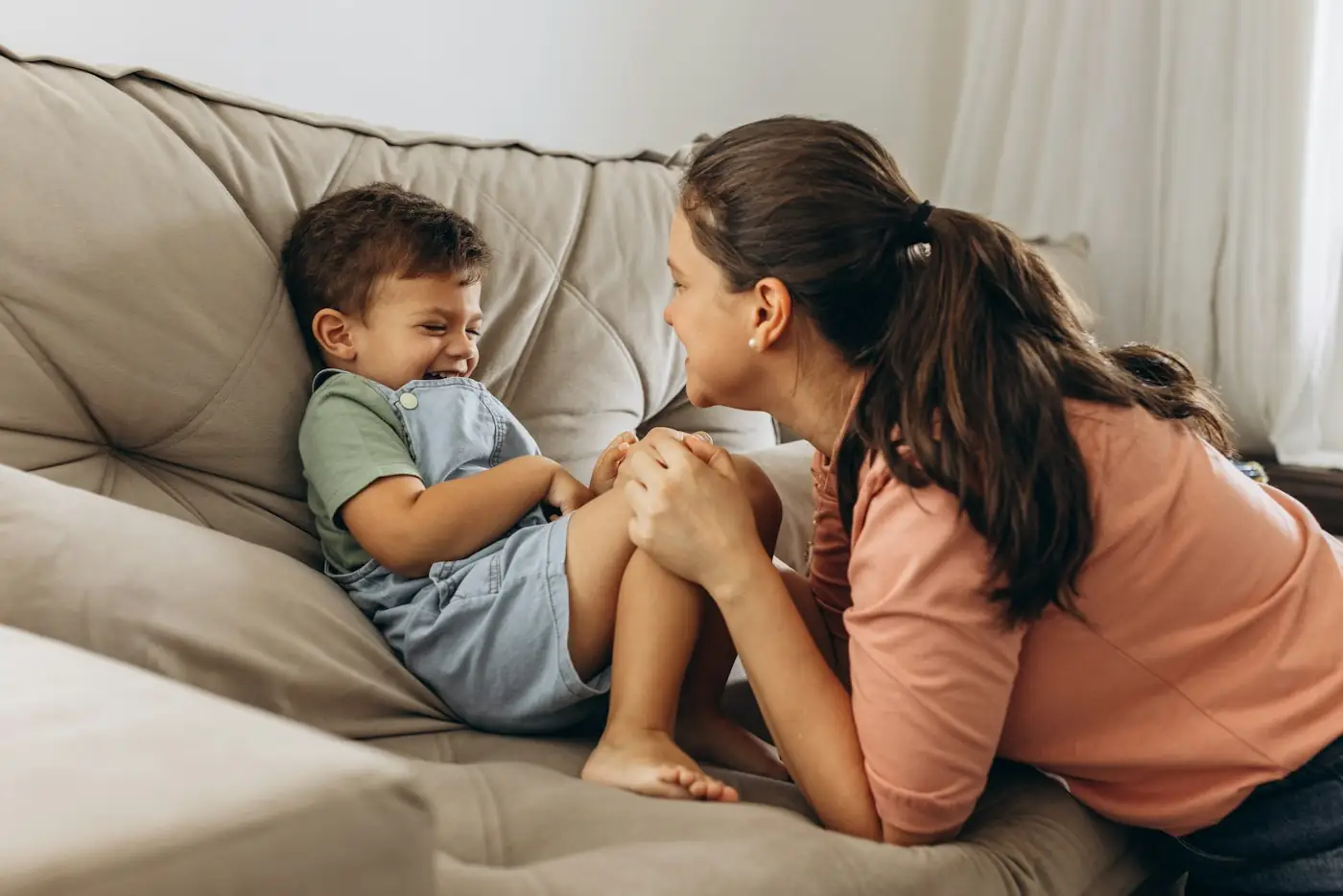
Five speech games for kids that invite talking without pressure: meaningful choices, a mystery bag, adding words, pretend turns and a sound-and-action walk.
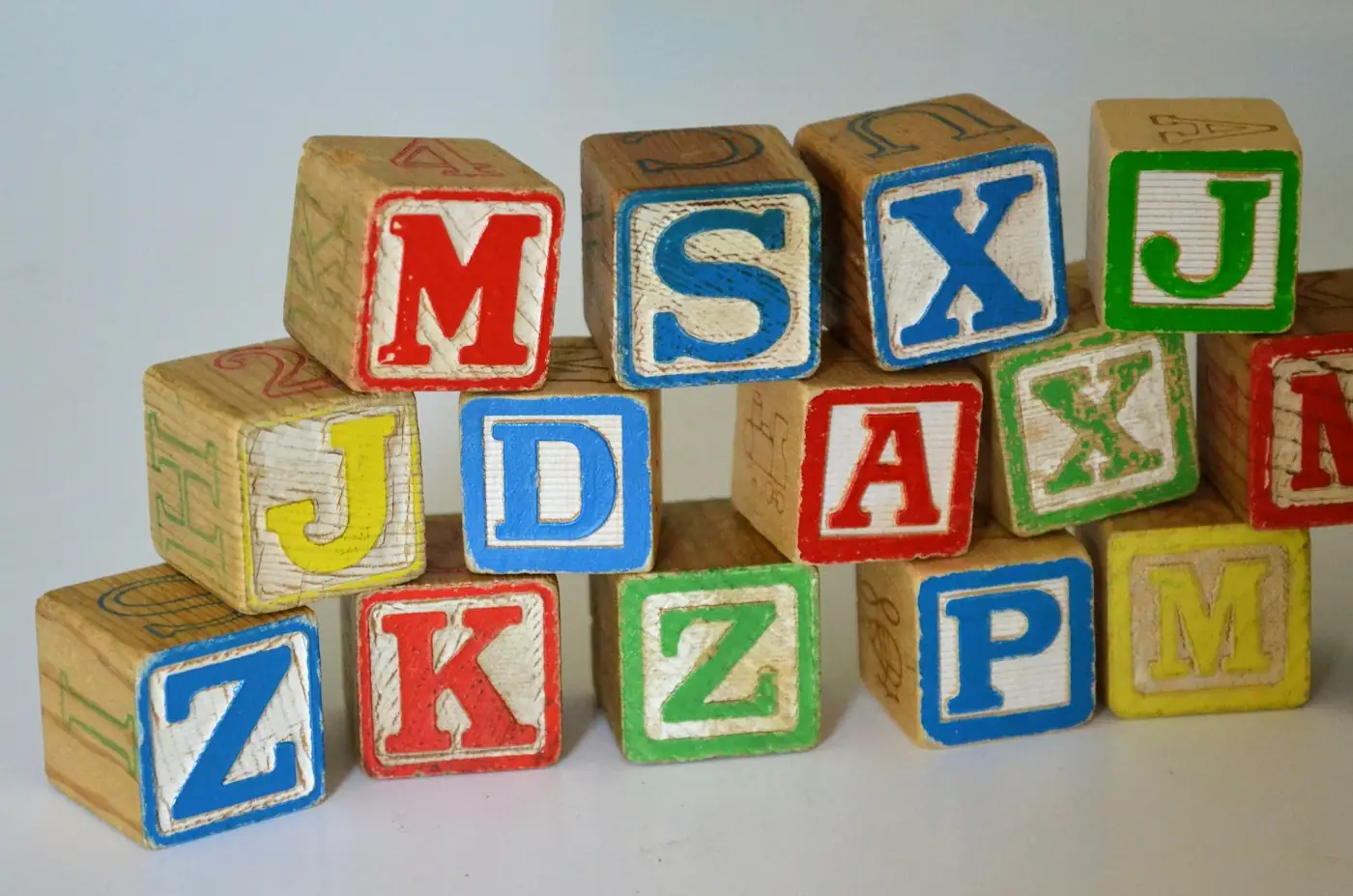
Four alphabet games for kids that make letters meaningful: letter delivery, a what's-missing memory game, shape detective and a name trail, with steps and tips.
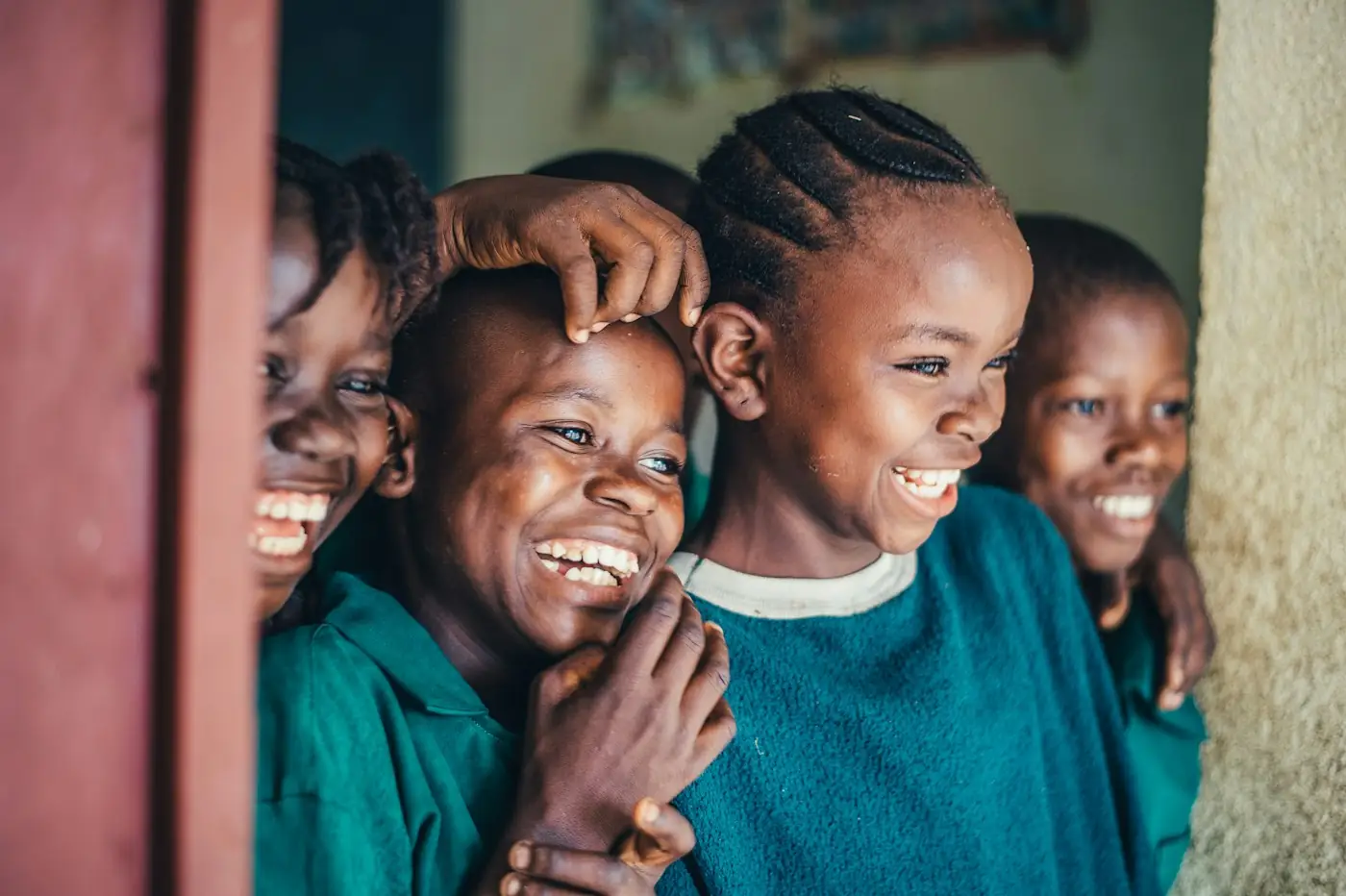
Thirty easy riddles for kids with answers, grouped by kitchen, school bag, animals, weather and bedtime, plus tips for giving clues without pressure.
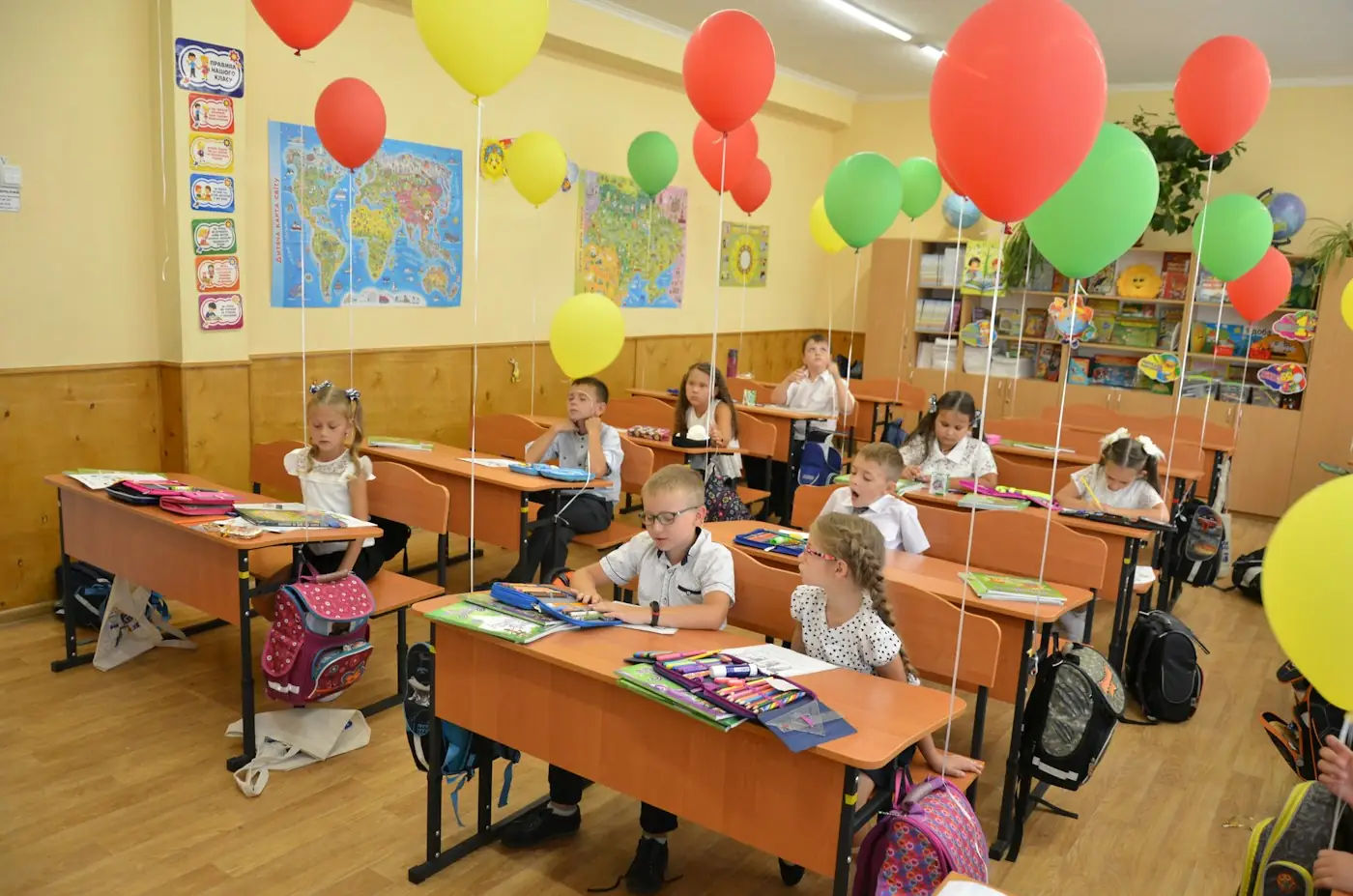
What should kids know before kindergarten? Five practical areas to practise at home: routines, asking for help, belongings, early literacy and group play.
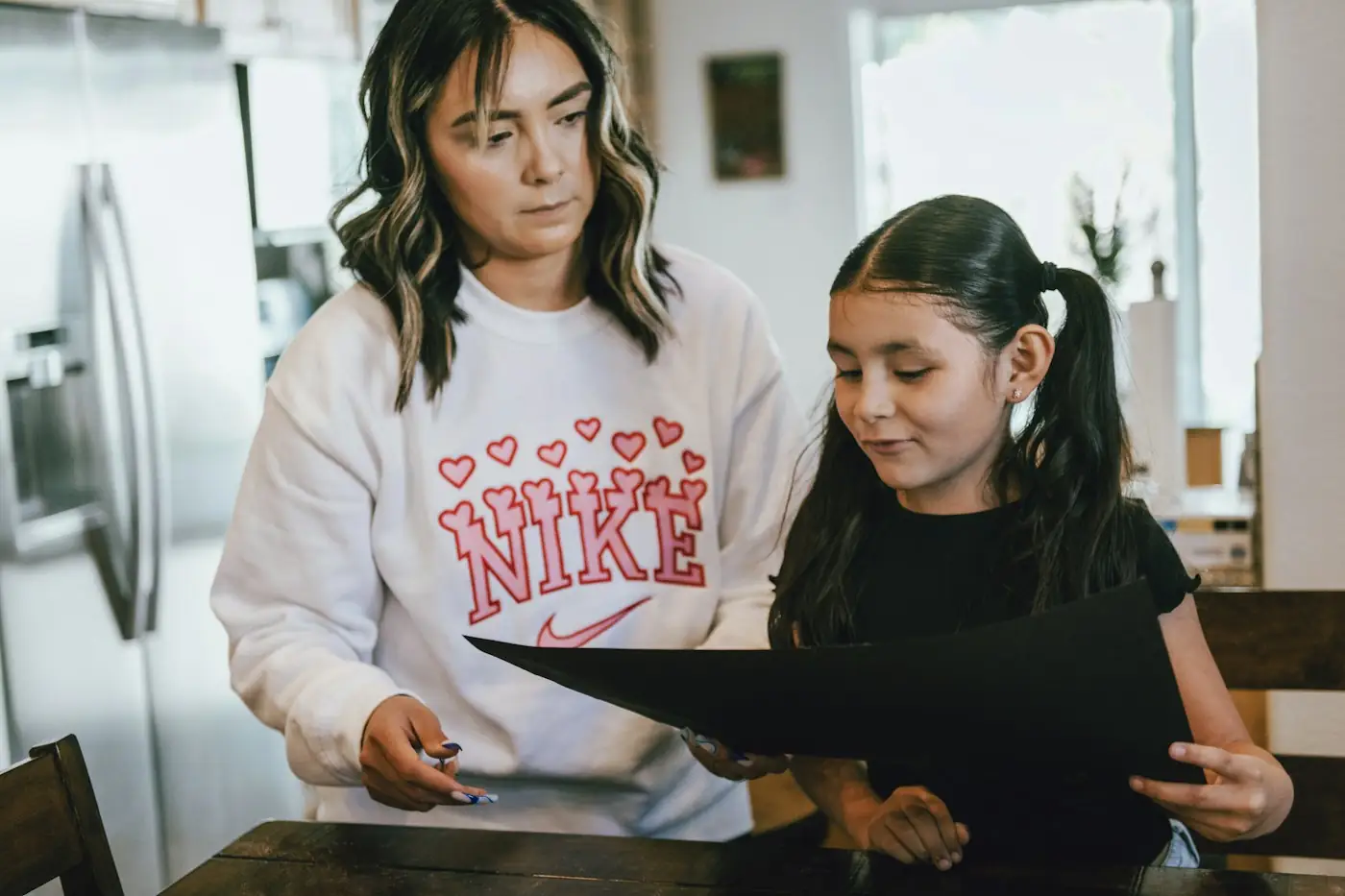
How to teach a child to read at home: names, rhyme and syllables, first letter sounds and blending, with materials, steps and ways to adapt for each child.
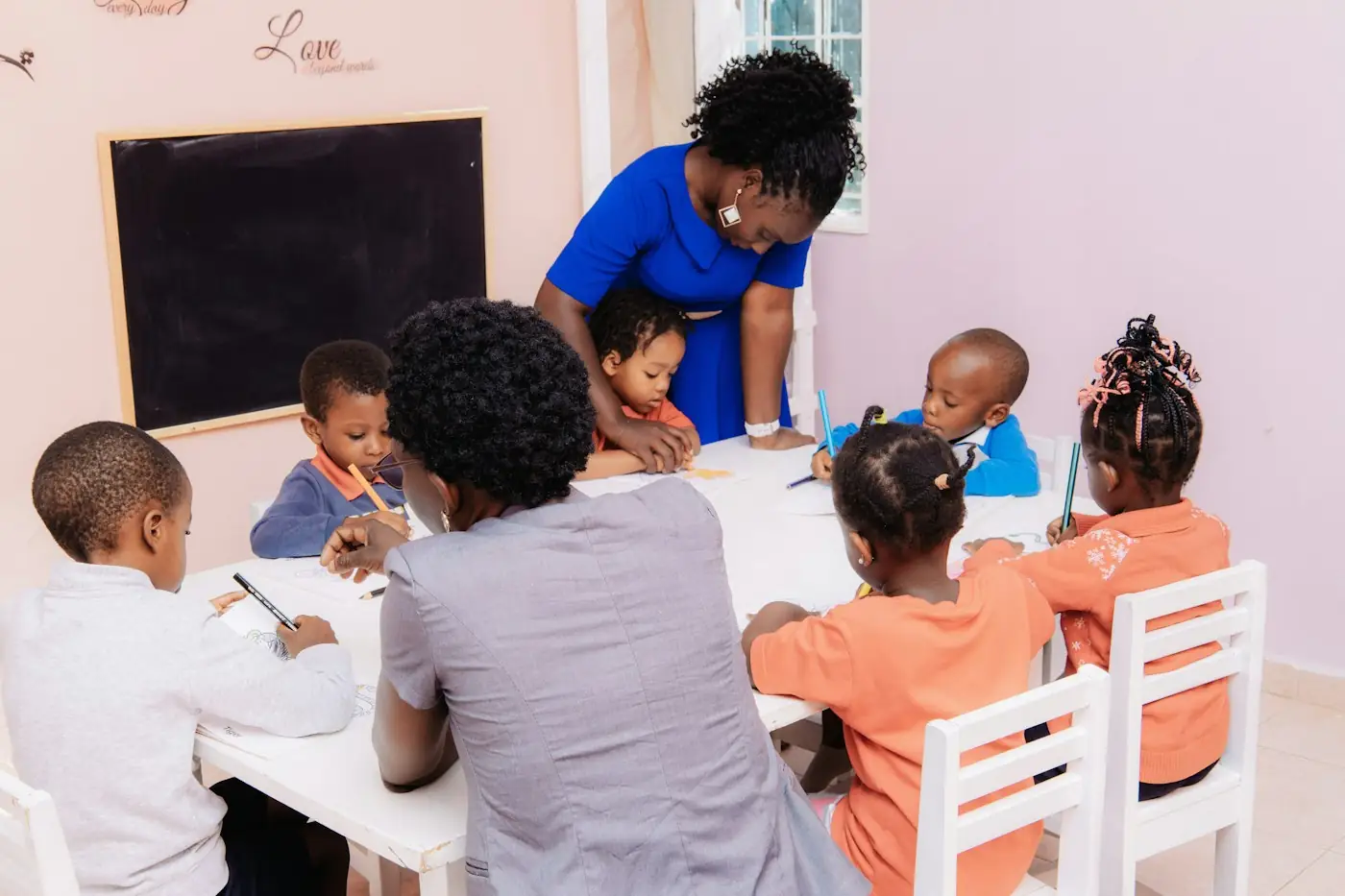
Kindergarten activities at home with a real purpose: a toy museum, a counting board game, a story retelling and a message centre, with steps and tips.
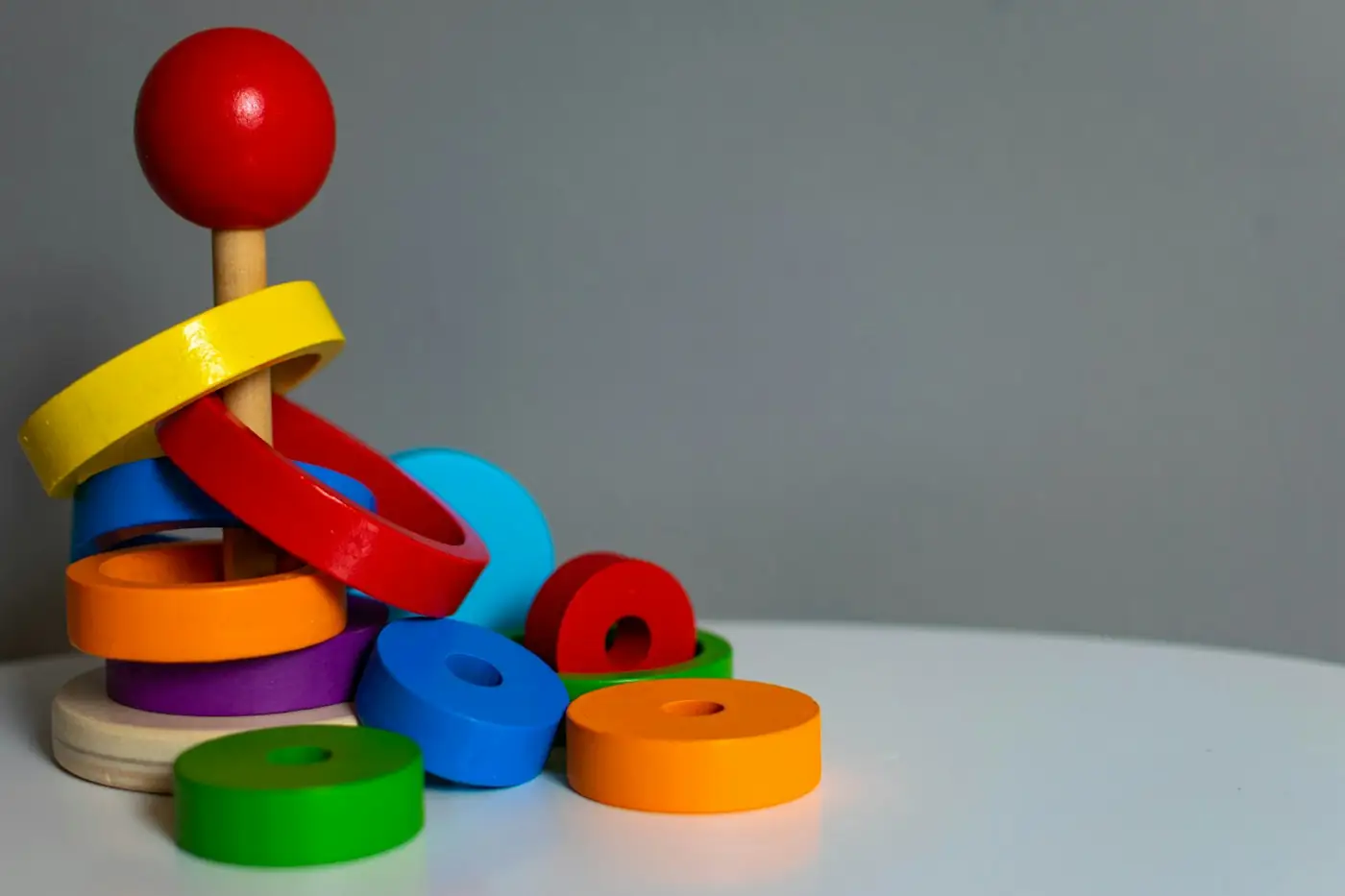
Learning colors for kids through play: a two-colour sorting tray, dressing a paper character, a shade hunt outdoors and a paint-mixing prediction, with steps.
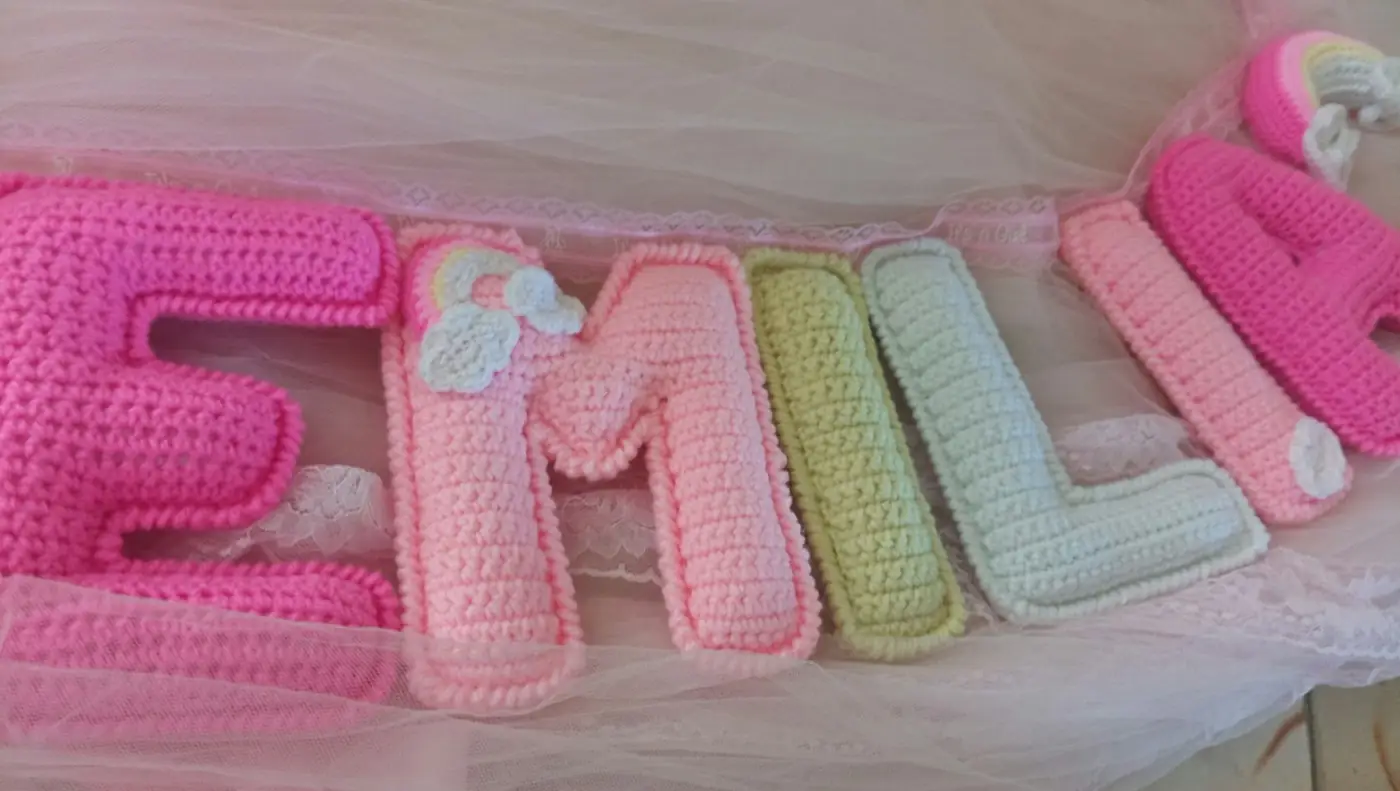
Five name games for kids aged three to seven: pass the hello, clap the syllables, find the name card, a name collage and a greeting of their own.
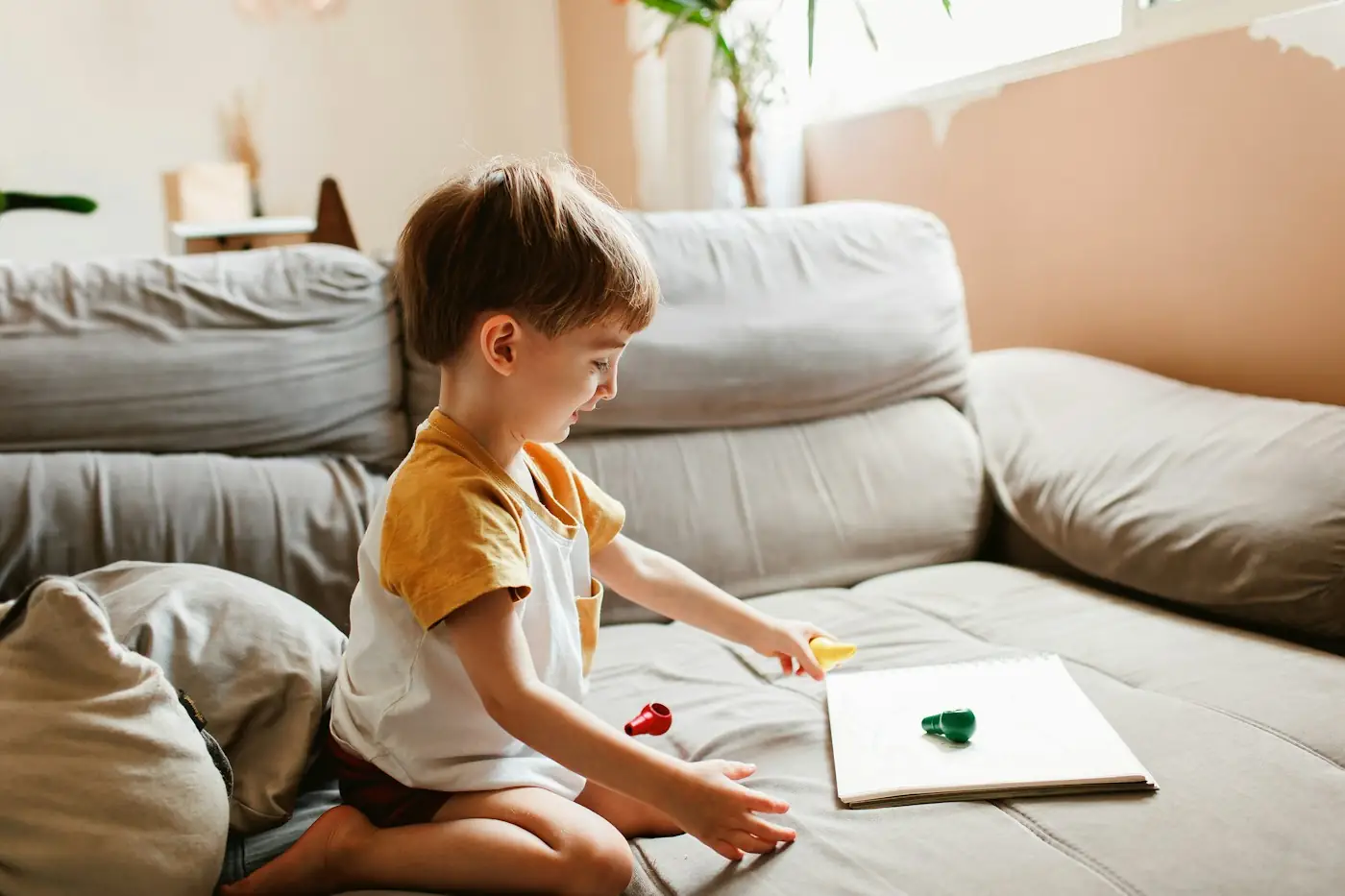
Five vocabulary games for kids built on pictures and real objects: a pretend shop, family photos, sorting, action cards and a house word hunt, with steps.
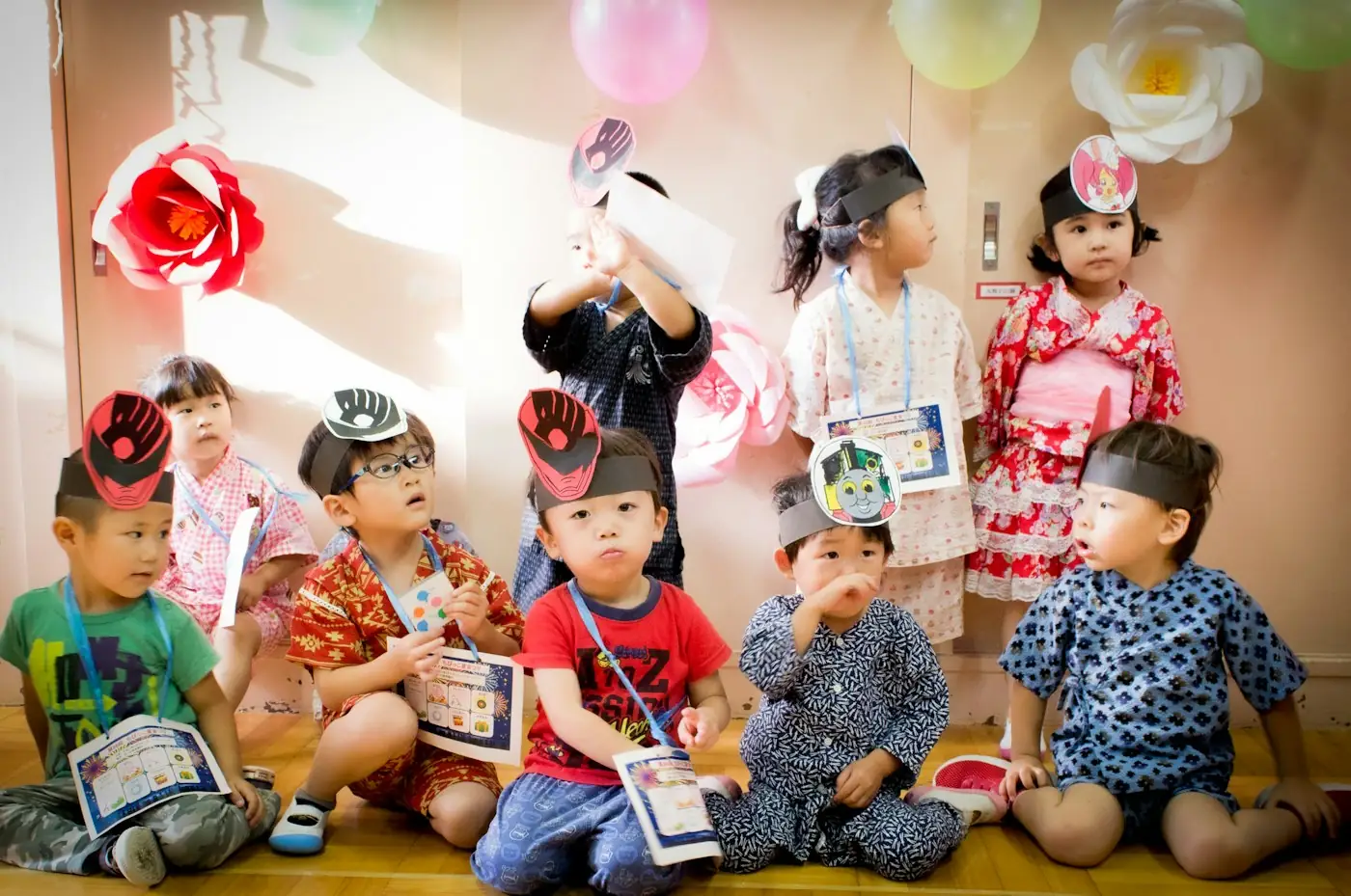
Preschool activities that make sense to children: a pretend market, a block problem, a story basket, a picture plan and colour mixing, with steps and tips.
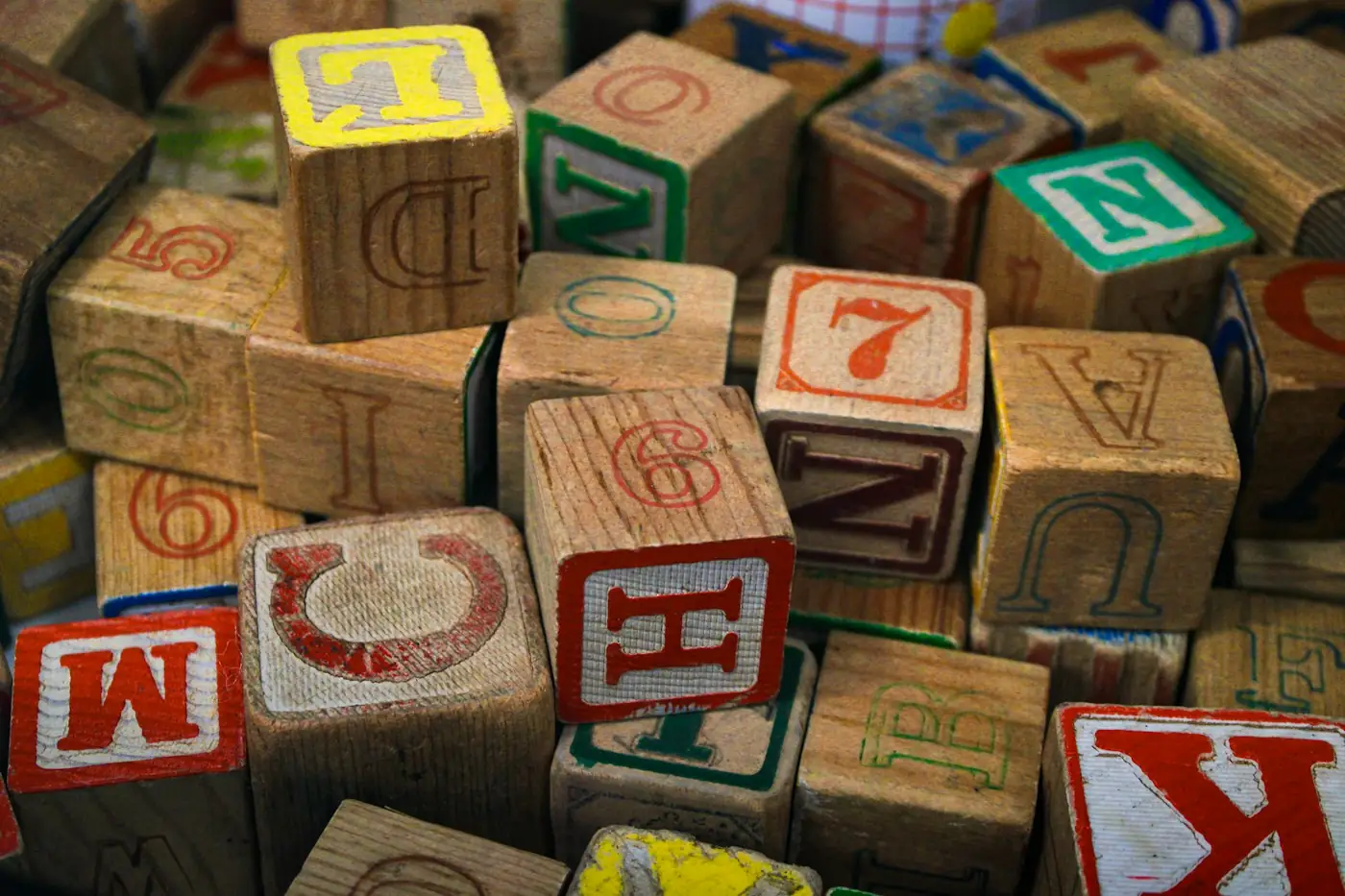
Five preschool letter activities built on your child's name, familiar labels and movement, with materials, steps and ways to adapt each one for any stage.
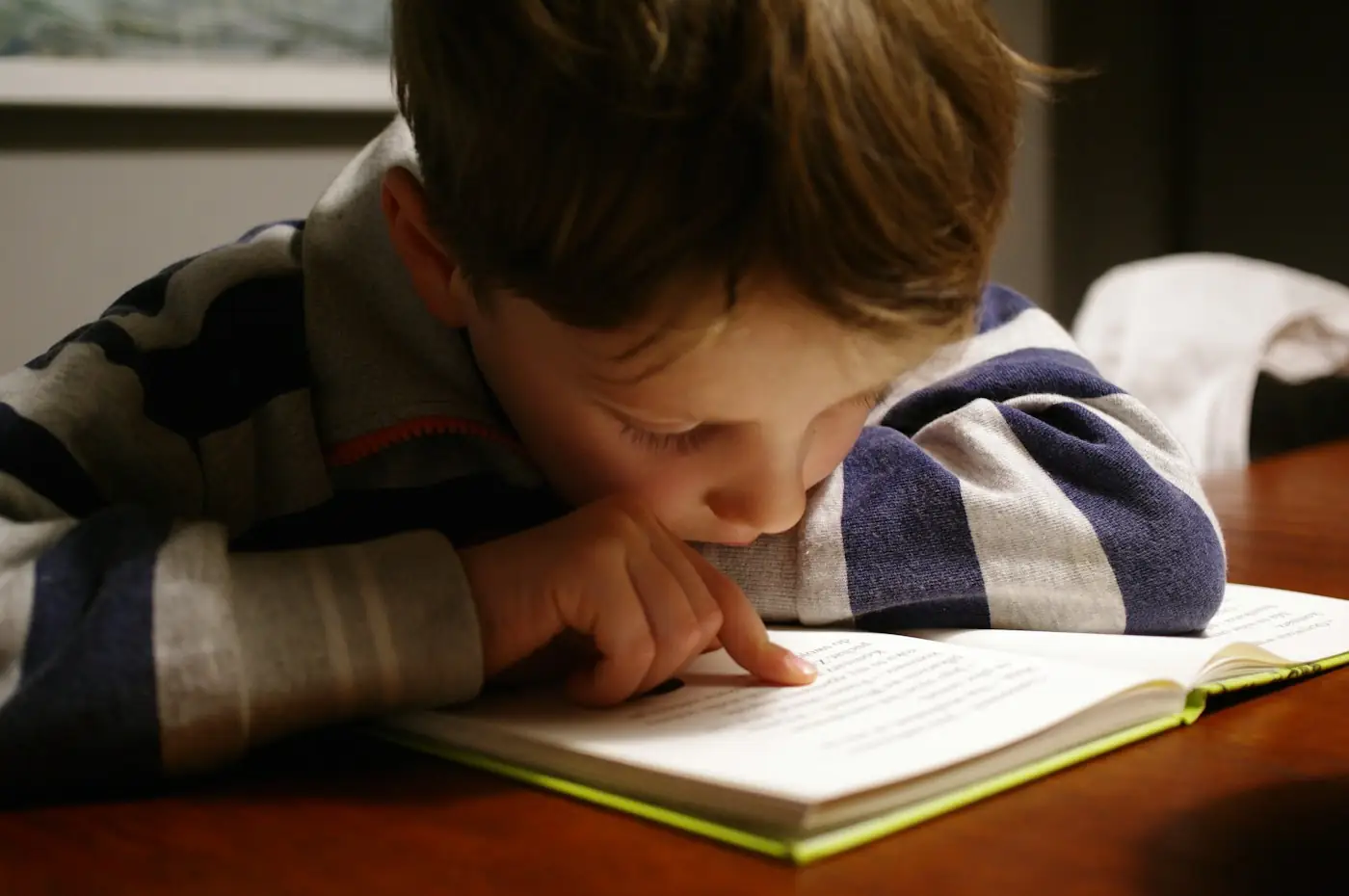
How to improve reading comprehension for kids through conversation: retell with objects, spot a character's goal, predict, compare and picture a scene.
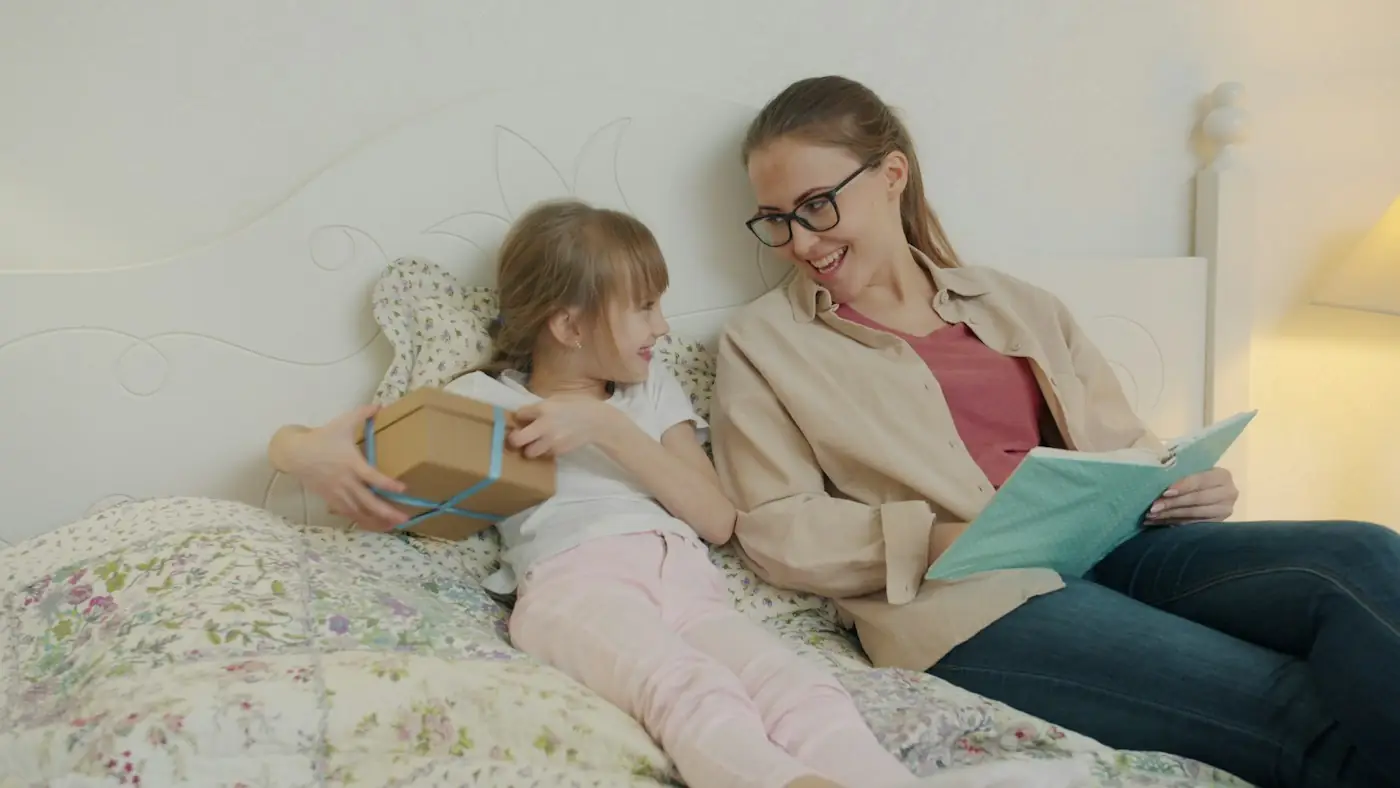
The benefits of reading together with young children, shown through five small habits: noticing pictures, linking stories to life, playing with words and more.
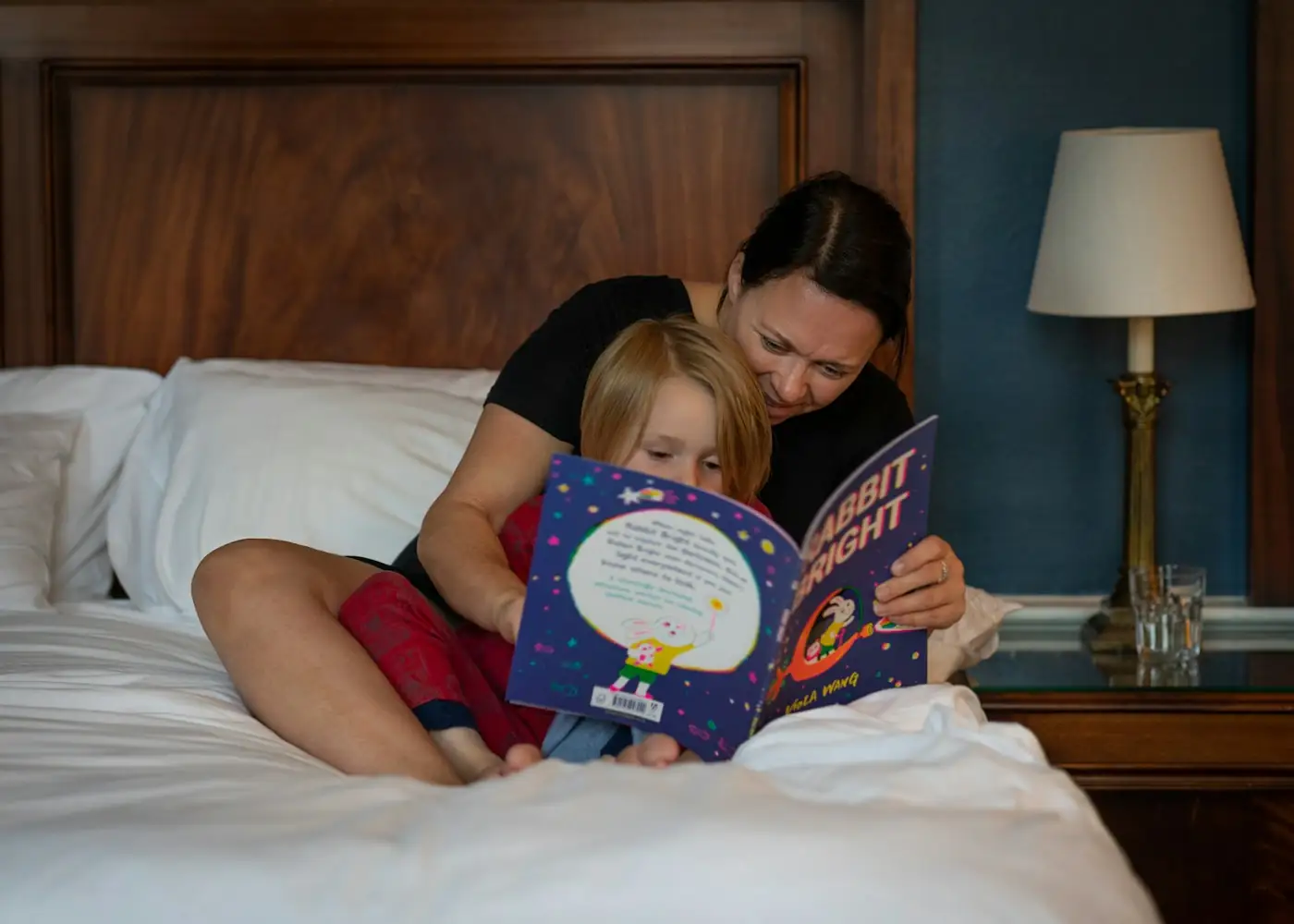
Five original short stories for kids to finish together: a bell, a missing block, a picnic cloud, a seed and a squeaky bear, with questions and ways to adapt.