Weebou Editorial Team
 7 min read

 In this article
A little preparation
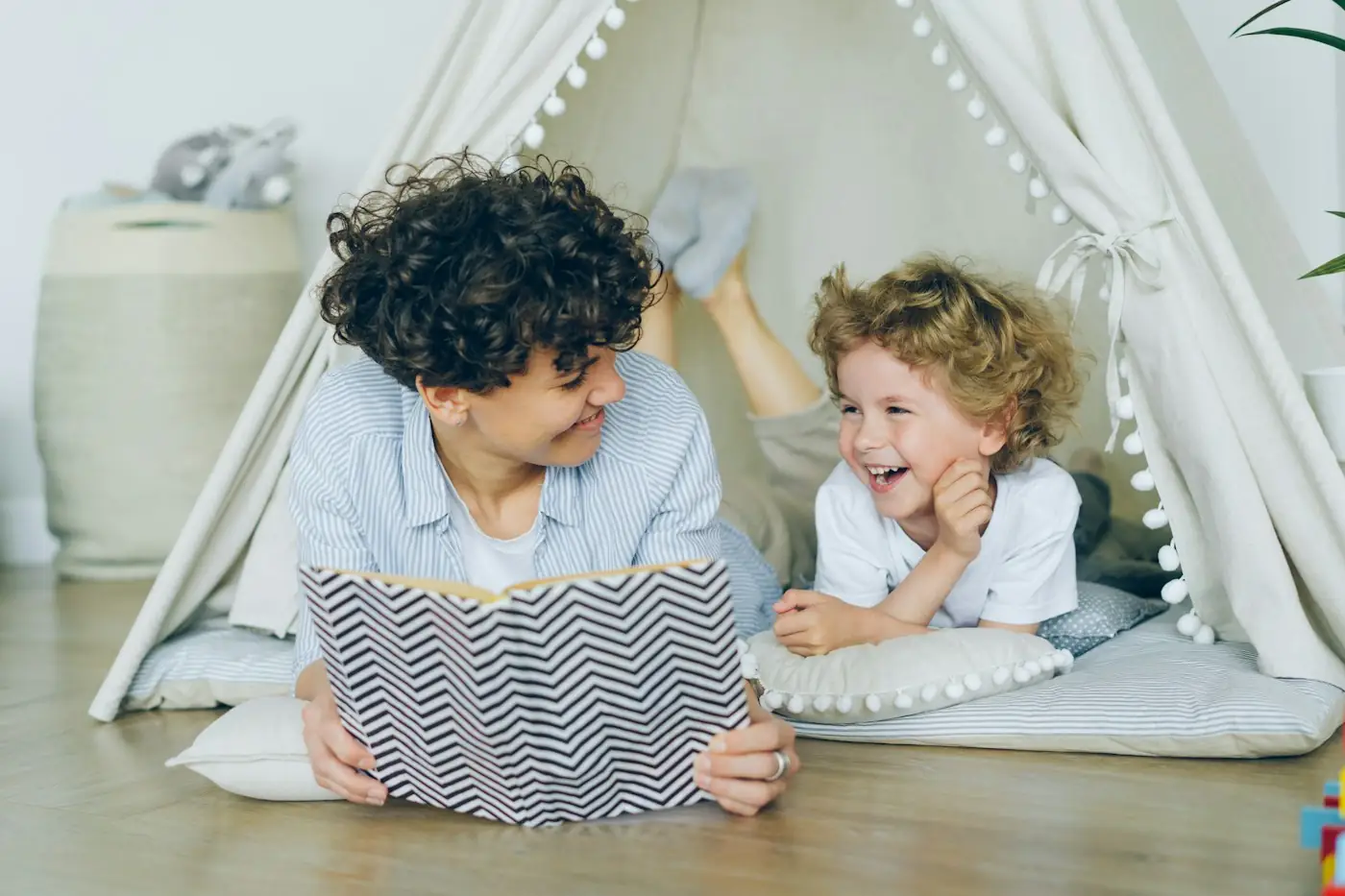
Choose a book with pictures that your child wants to look at, and let them hold it or turn the pages. For two-year-olds, board books with clear images are easiest; for older children, a story with a simple problem and ending works well. Make yourselves comfortable: a lap, a cushion corner or a spot on the bed, with the phone out of sight so your attention stays with the book.
There is no right length. A single page can be a good session, and a repeated favourite is as useful as a new title. Follow your child's attention: if they want to go back to an earlier picture, go back. Use a normal voice, add a few character voices if you enjoy it and pause often enough that your child has time to speak. If your child loses interest, stop warmly and try another day. Library cards, charity-shop books and a rotating basket of eight to ten titles can keep reading fresh without much cost.
What to know and try
Make room for noticing
Picture books are rich in small details, and a pause lets a child spot them. When you describe one thing and wait, you give your child space to add their own observation, which builds attention and vocabulary at the same time.
 You’ll need
- A picture book with detailed illustrations
- A comfy seat
- A small sticky note for marking a favourite page
How to do it
- Open to a page with several things going on and say nothing for a few seconds.
- Name one detail, such as 'a small red bird on the fence', and then wait.
- Let your child point, comment or ask a question, and follow their lead.
- Add a word they may not know, such as 'perched', in a natural sentence.
- Stick a note on a page your child loves to find it quickly next time.
- Close the book when the conversation naturally slows.
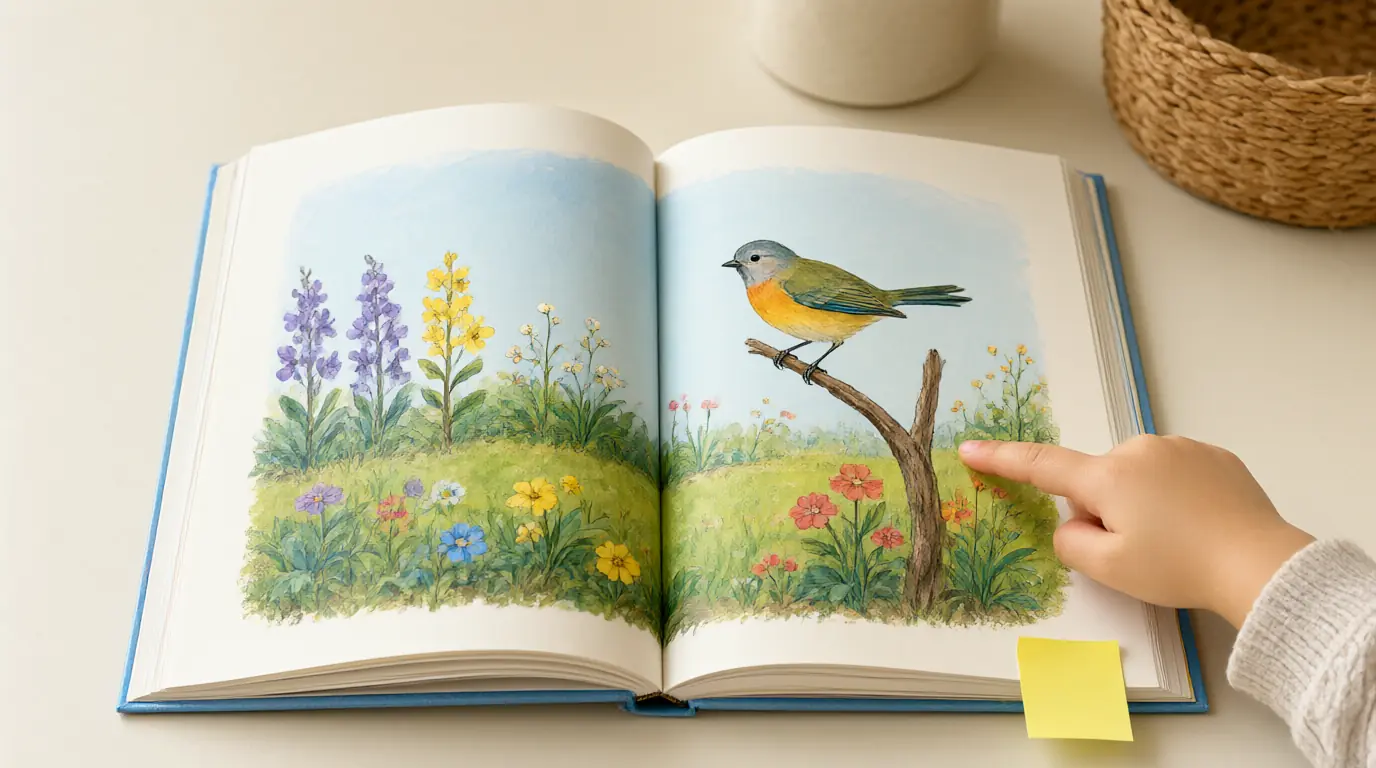
Make it your own: With toddlers, point and name one thing per page. With older children, ask them to find something that is not mentioned in the words.
Connect the story to your own life
When a character loses a toy or feels nervous about a first day, a short memory of your own links the story to real experience. This helps children see that books are about things that matter in their own lives and gives them words for their feelings.
You’ll need
- A story about an everyday event, such as a lost toy or a visit
- A cushion or blanket
- A soft toy to join the reading
How to do it
- Choose a moment in the story that echoes something your family has done.
- Say briefly, 'I remember when we looked for your blue sock,' keeping it short and warm.
- Ask whether your child remembers a similar time and listen to what they say.
- Connect the memory to the story: 'The rabbit is searching too.'
- Return to the book and read on, letting your child lead if they want to say more.
- Let the soft toy ask a question about the story so your child can answer.
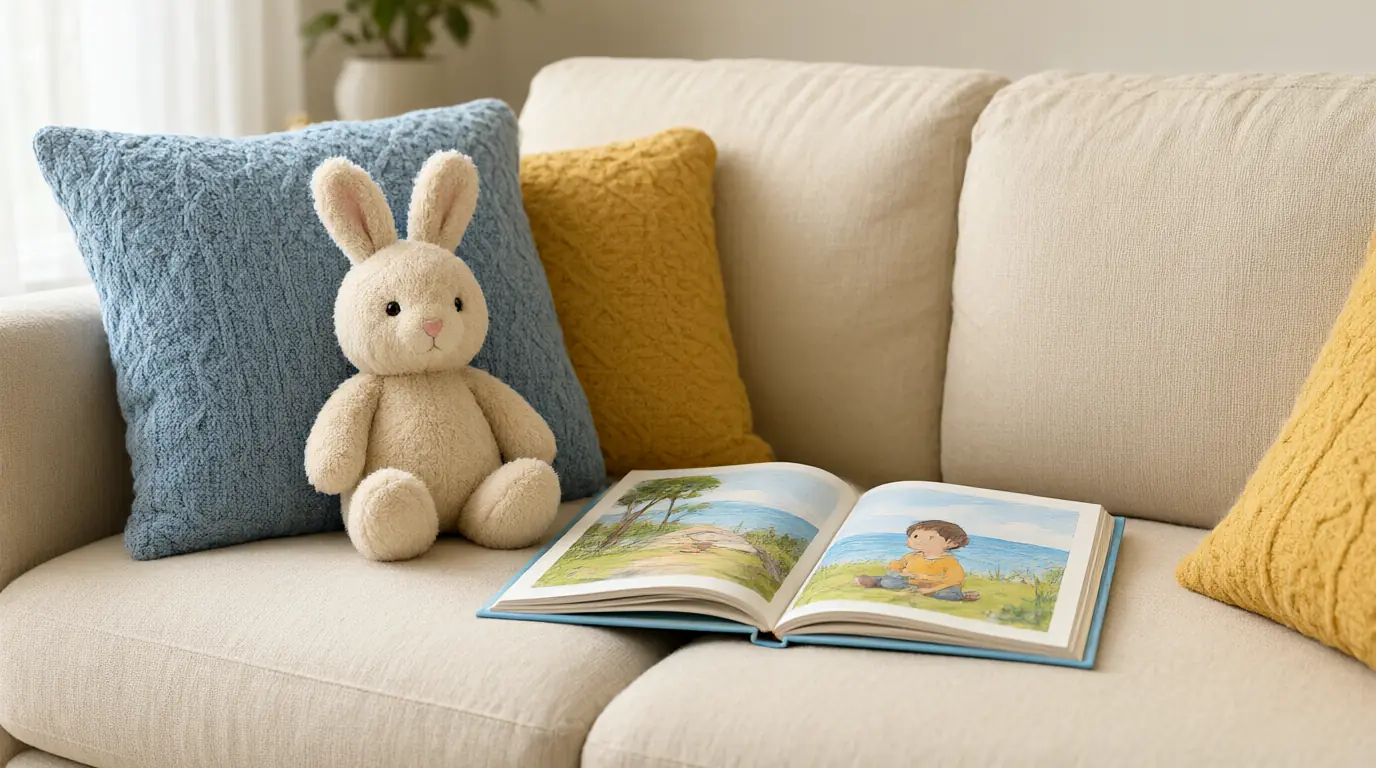
Make it your own: Younger children may only say one or two words; accept that. Older children can compare how the character's solution differs from what your family did.
Play with the language
Repeated phrases, rhymes and silly sounds help children hear the building blocks of words. Playing with voices and rhythms makes language feel like fun, which encourages children to join in and try new words. You are not teaching anything formal here; you are showing your child that words have a sound, a beat and a sense of humour, and that they can play too.
You’ll need
- A book with rhyme or repeated lines
- A scarf or small prop for a character
- A cushion
How to do it
- Read a repeated phrase in your usual voice, then ask your child to say it with you.
- Try it in a very deep voice, a squeaky voice and a whisper.
- Invite your child to choose the next voice and join in.
- Leave out a rhyming word and let your child fill it in.
- Clap the syllables of a character's name together.
- Finish by reading the page the normal way to hear the difference.
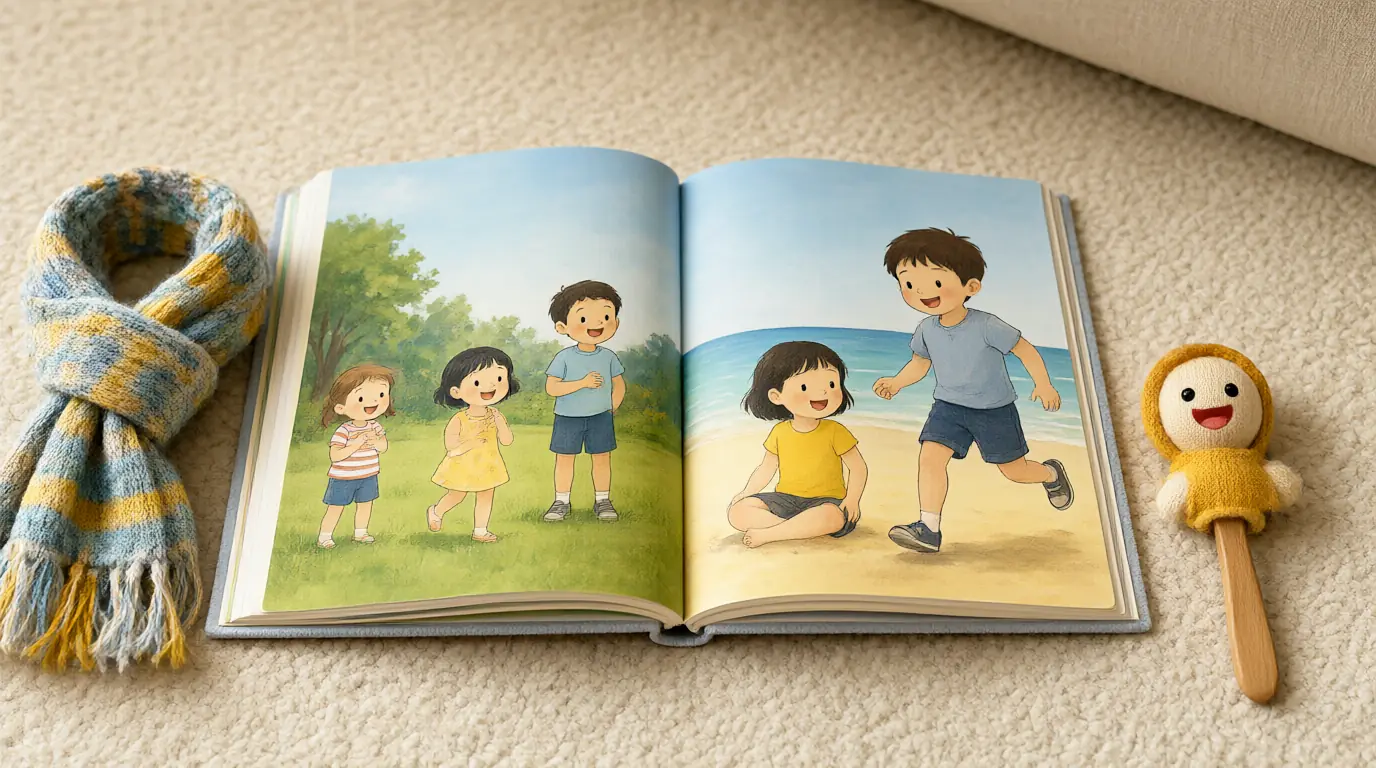
Make it your own: For toddlers, use one repeated sound such as 'woof'. For older children, ask them to invent a new rhyming word and put it into the line.
Let the ending wait
If one page sparks a long conversation, the conversation matters more than reaching the last page. Staying where your child's thoughts are shows them that their ideas are welcome and that books are for thinking, not racing through.
You’ll need
- Any picture book
- A bookmark or sticky note
- A cosy blanket
How to do it
- Notice when your child stops, points or asks a question.
- Stay on that page and give them your full attention.
- Repeat their words back to show you are listening.
- Add a thought of your own, such as 'I wonder why that happened.'
- Place a bookmark and tell your child you can come back tomorrow.
- Open the book at the bookmark at the next reading and start from that page.
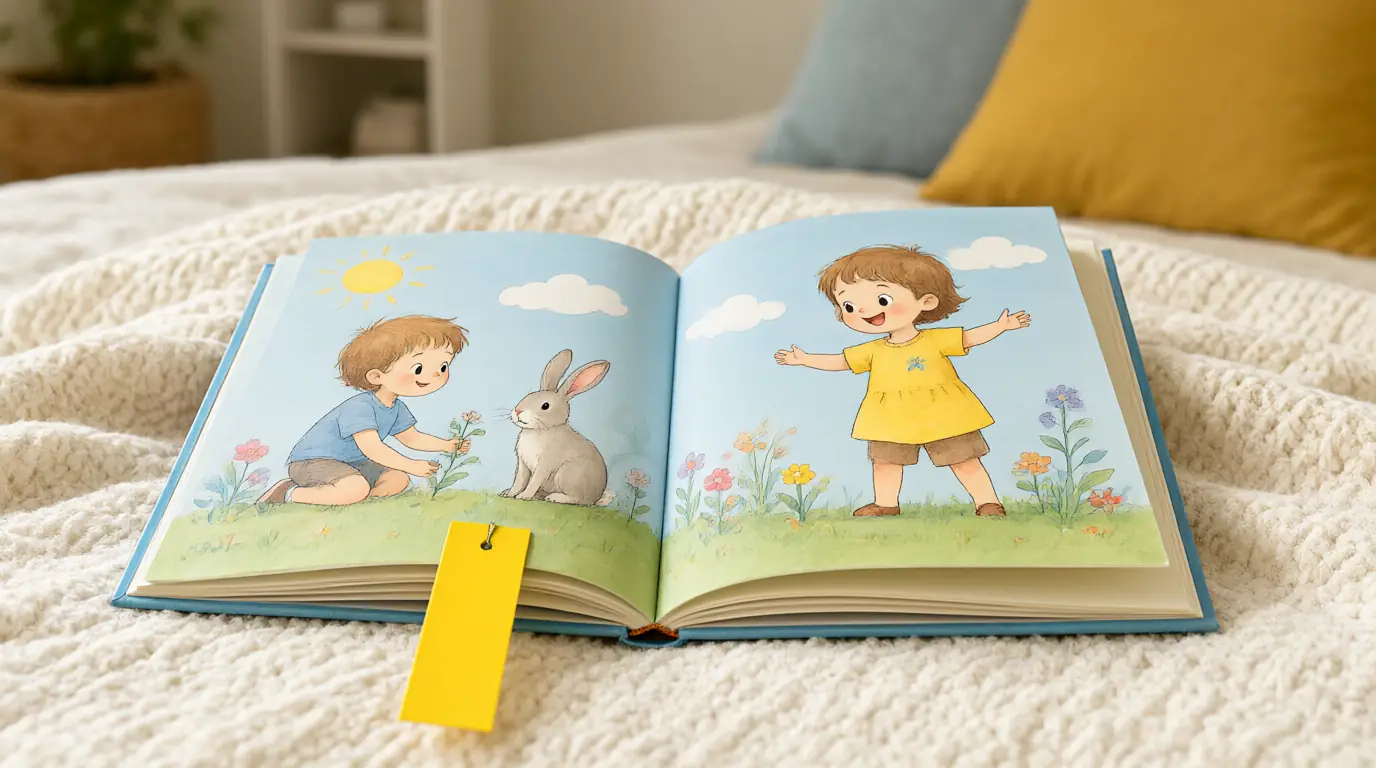
Make it your own: For toddlers, expect the conversation to last only a few seconds. For older children, write down a question that remains and look it up together later.
Build a family reading corner
A small, inviting place for books makes reading something that can happen at any time, not just at bedtime. Children who can reach their own books choose them more often and treat them with more care.
You’ll need
- A low shelf or a basket
- 8 to 10 books, with covers facing out
- A cushion or small rug
- A soft lamp or natural light
How to do it
- Choose a spot where your child can sit comfortably and see the books.
- Lay out the rug and cushion.
- Put in a small number of books at your child's height, with covers facing out.
- Let your child choose two favourites to keep in the corner.
- Swap a few books each week from the library or your own shelves.
- Sit in the corner for five minutes yourself to show that it is a place for everyone.
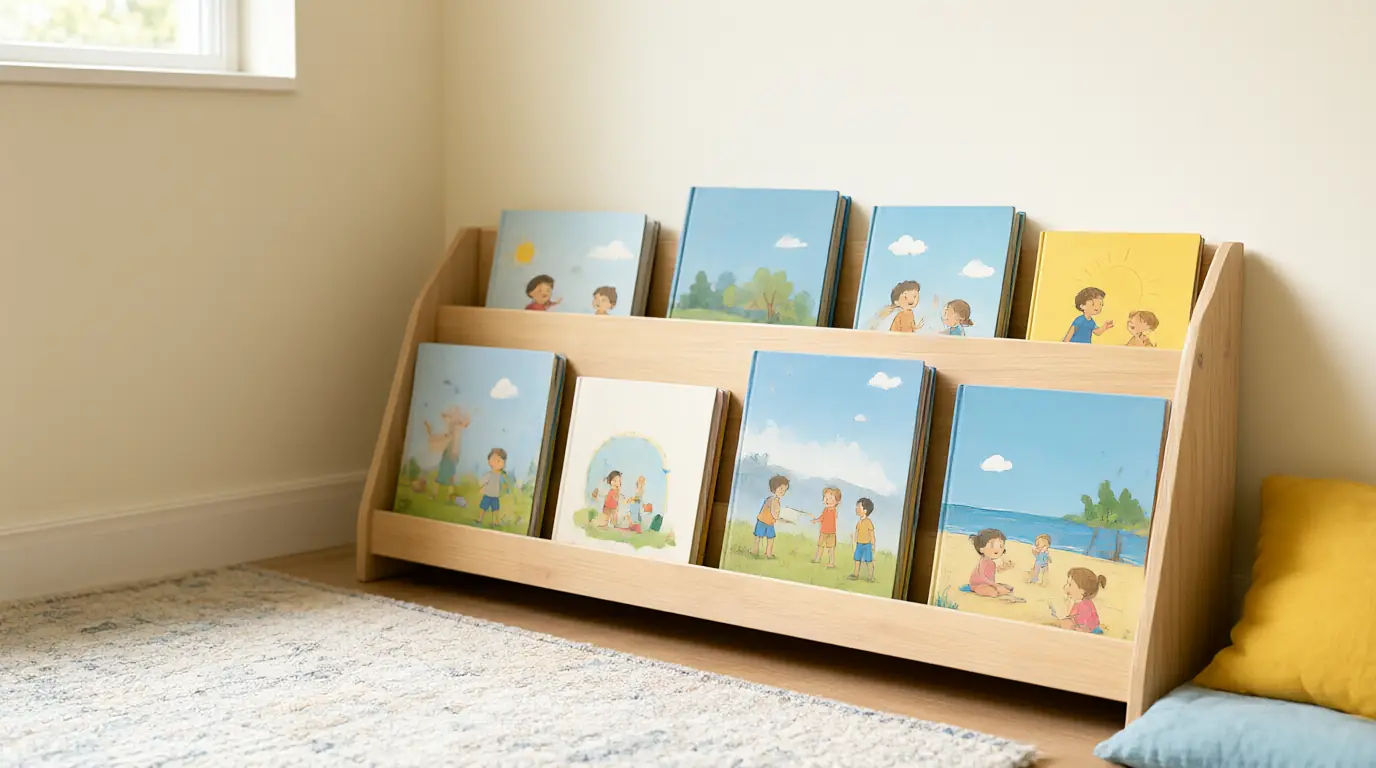
Make it your own: For toddlers, use sturdy board books and a safe, soft floor. For older children, add a notebook where they can draw their favourite scene.

Make it work for your family
A familiar book is still useful. Repeated phrases invite your child to join in, point or supply a favourite word, and children often notice new details on the tenth reading. If your child wants the same story every night, that is a sign it is meeting a need, not a problem to solve.
Keep reading a pleasure rather than a target. Skip the quiz, praise the noticing, and stop when attention fades. For further ideas, see how to encourage reading in kids and how to improve reading comprehension for kids, and Weebou's words game can add playful vocabulary practice on another day.

Parents also ask
How long should I read with my young child each day?
There is no required length. Five to ten relaxed minutes is a good start, and a single page counts. Follow your child's interest and stop when they lose it, rather than trying to reach a set number of minutes.
Is it fine to read the same book again and again?
Yes. Repetition helps children learn the language and predict what comes next, and they often notice new details each time. You can add a new book now and then, but do not feel you have to replace a favourite.
What if my child will not sit still for a book?
Try shorter sessions, board books or lift-the-flap titles, and let your child move or hold a toy while you read. Reading in different places, such as the garden or the bath-side, can help too. Many children focus for longer as they grow.
Sources & further reading
Explore these primary sources for further context on this topic.
Choose materials and activities that suit your child, supervise as needed and adapt the ideas to their interests and abilities. About our editorial approach