Weebou Editorial Team
 7 min read
 In this article
A little preparation
Start by asking each child, or their family, how they like their name to be said and whether they use a shorter or different name. A name is part of who we are, so take care to say it as the child does and to write it as they want. If you are unsure of a pronunciation, ask and practise quietly before you begin.
Prepare name cards in clear, large lowercase letters with a capital at the front, and keep them readable and consistent. Sit in a circle or around a table so every child can see and hear each other. Aim for 10 to 15 minutes. Some children like attention and others find it uncomfortable, so allow passing or asking an adult to speak for them. If a name is written in a different alphabet or script, include it, because that is part of how the child sees themselves.
Ideas to try together
Pass the hello
A soft toy goes round the circle, and each child says hello in their own way. It sets a kind, low-pressure tone: children can say their name, wave or ask someone to speak for them. Everyone hears every name, which helps them remember each other.
 You’ll need
- A soft toy
- A rug or cushions for a circle
- A calm opening song (optional)
How to do it
- Sit in a circle and show the toy.
- Say your own name and hand it to the next child.
- Let each child say their name, wave or point to themselves.
- Everyone replies together with hello and the name.
- Go round a second time and let each child add a favourite thing.
- Say goodbye to the toy and put it away.
Make it your own: Younger children can hold the toy and nod. Older children can say their name and one thing the group does not yet know about them.
Clap the name
Names have rhythm. Clapping the syllables helps children hear that a word can be split into parts, which is an early step towards reading and spelling. Every name has its own pattern, so every child gets something that is theirs alone.
You’ll need
- Hands to clap
- A set of name cards
- A tray to hold the cards
How to do it
- Say a name slowly and clap once for each part, as in Ma-ri-a.
- Let the child clap their own name and say it with you.
- Count the claps together and write the number of parts in dots.
- Try a friend's name and compare the rhythm.
- Find two names with the same number of claps.
- Make a pattern by clapping three names in a row.
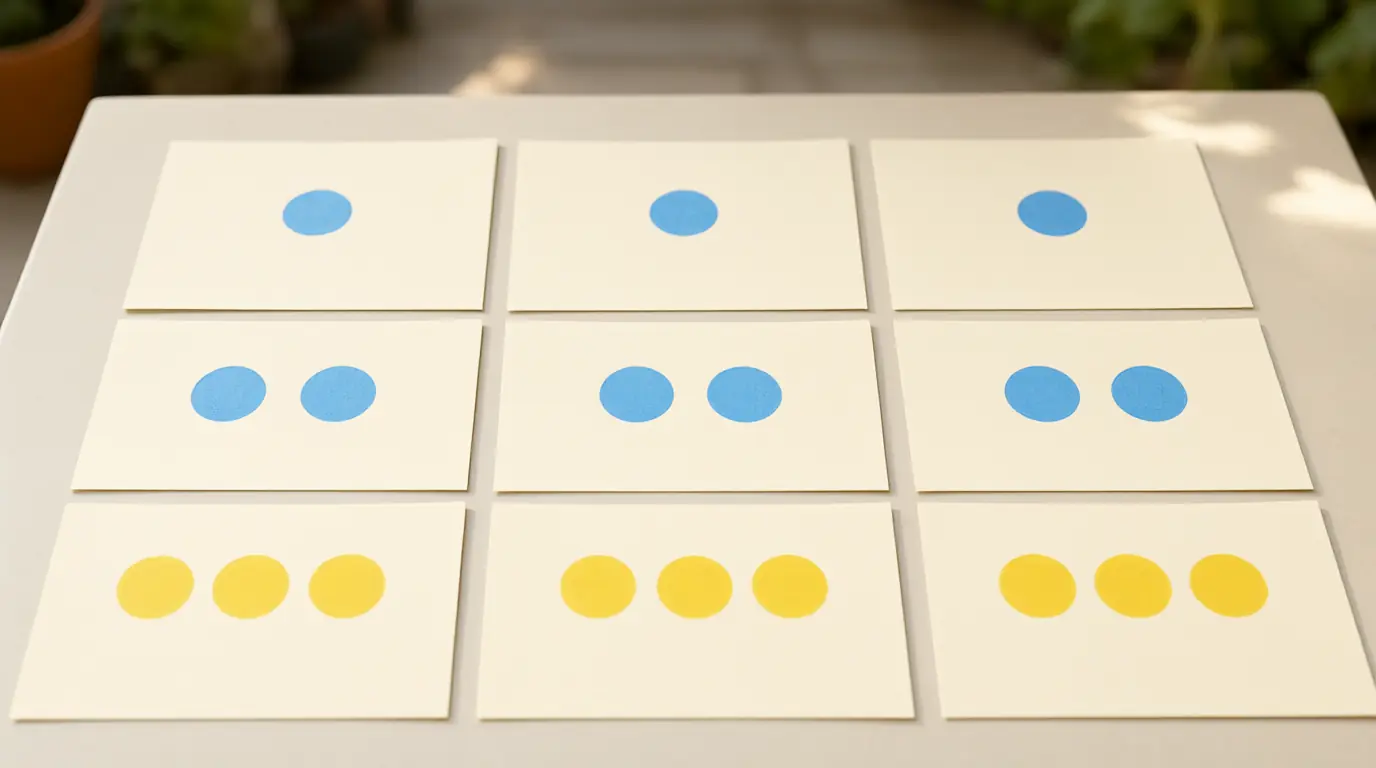
Make it your own: Younger children can stamp or tap their knees. Older children can sort name cards into groups by syllable count and say which group is largest.
Find my name card
A child's name card, in clear letters, is often their first piece of print. Matching a name to a face or a drawing links writing with someone real, and recognising their own name makes children feel proud. The game works as a quiet starter for reading.
You’ll need
- Name cards written in thick marker
- A photo or a self-portrait for each child
- A tray
- Blue tack
How to do it
- Lay the photos or self-portraits on the table.
- Hold up a name card and say the name.
- Let the child find their own card and place it beside their picture.
- Ask them to point to the first letter of their name.
- Mix the cards and let them find a friend's card.
- Stick the matched pairs on a wall or a board.
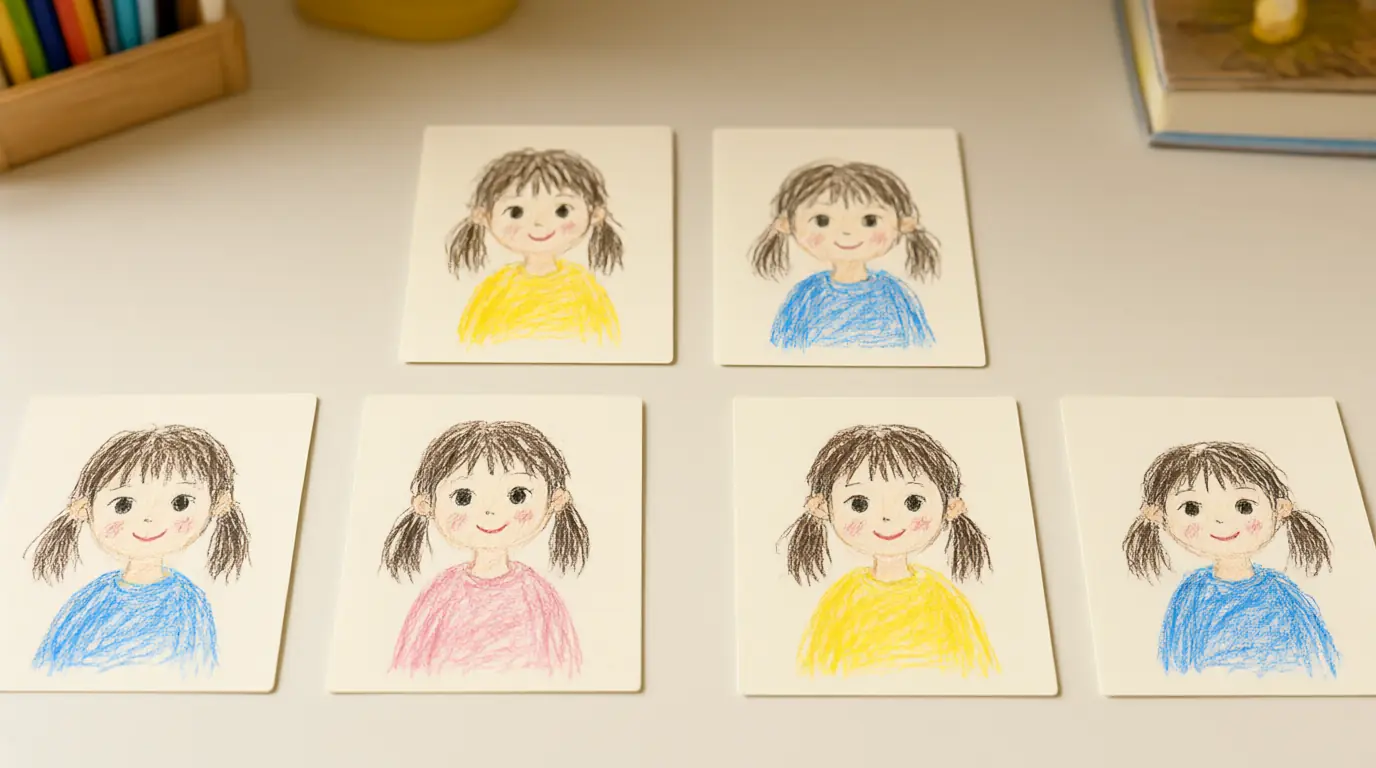
Make it your own: Younger children can match only their own card. Older children can find cards that begin with the same letter or build their name with magnetic letters.
My name collage
Making a decorated name lets children express who they are with colours, patterns and pictures. Choosing what to add, such as a favourite animal or a shape, gives them control and starts a conversation about what they like. The finished piece can stay on a door or a wall.
You’ll need
- A large card with the name written in pencil
- Glue stick
- Scraps of coloured paper
- Washable markers
How to do it
- Write the child's name in large outline letters on card.
- Let them choose three colours of paper scraps.
- Tear or cut the scraps into small pieces and glue them inside the letters.
- Draw a small picture of something they like beside each letter.
- Hold the finished card up and say the name together.
- Stick it somewhere they can see it every day.
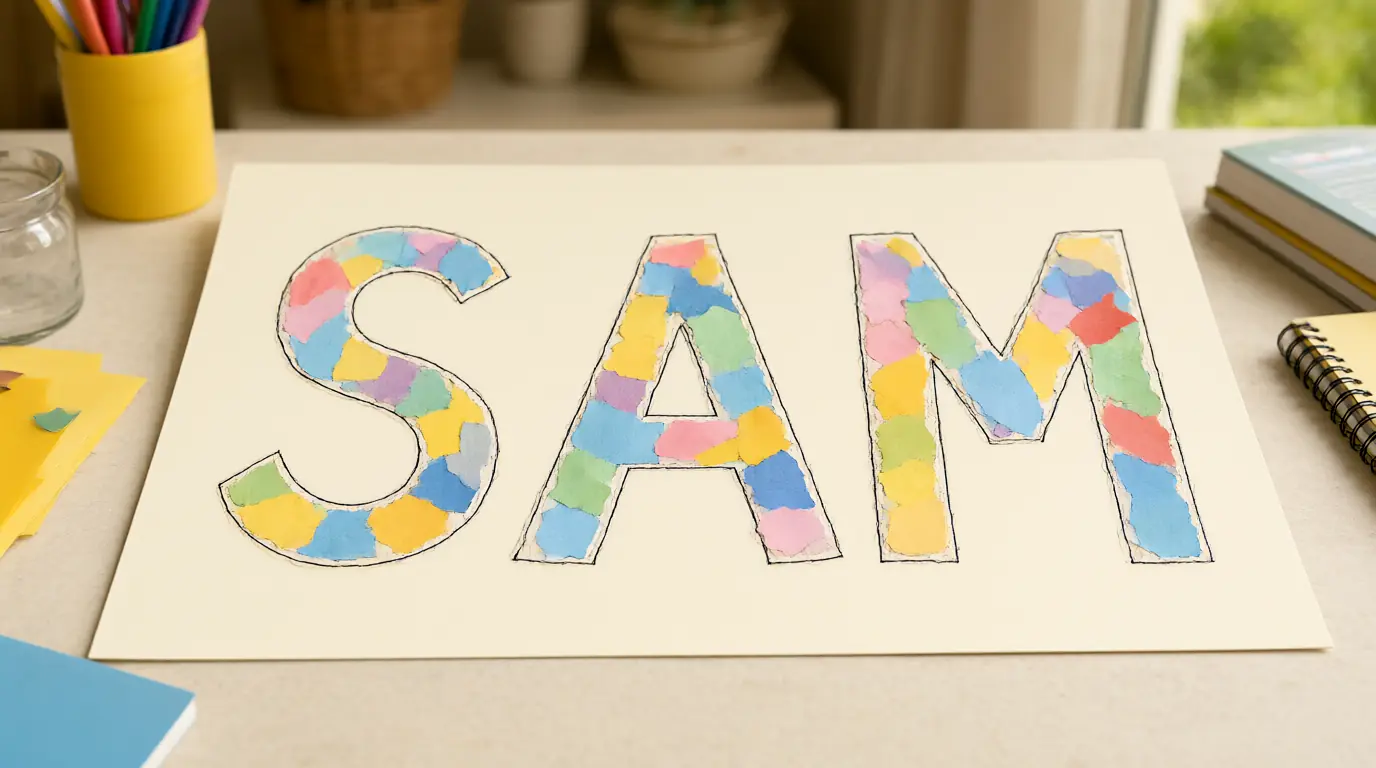
Make it your own: Younger children can scribble over the letters with crayons. Older children can write their own name and decorate each letter differently.
A greeting of my own
Greetings do not have to be words. Some children prefer a wave, a nod or a high five, and letting each child choose a greeting respects their comfort. The group repeats it back, which makes the child feel welcomed without being touched or put on the spot.
You’ll need
- A circle of chairs or cushions
- A small bell to start the game
How to do it
- Ring the bell and say each child's name in turn.
- Ask the child how they would like to be greeted: a wave, a smile, a bow or a hello.
- The whole group repeats that greeting back.
- Move round the circle until everyone has been greeted.
- Play it again with the children choosing different greetings.
- Make a picture wall of the greetings together.
Make it your own: Younger children can point to a picture of a wave or a smile. Older children can invent a new greeting and teach it to the group.

Make it work for your family
Keep the focus on belonging, not on who finishes first. Children with long, short, unusual or shared names should feel equally welcome, and nobody should be asked to explain or defend their name. If a child changes the way they want to be called, change with them. Avoid rhymes or jokes about names that could be taken as teasing.
Try these games alongside picture vocabulary games or preschool letter activities, which use names and pictures to introduce letters.

Parents also ask
What are good name games for preschoolers?
Pass the hello, clap the syllables, match name cards to pictures and decorate a name with colour are all good starts. They are short, friendly and help children recognise their own name in print and in sound.
How do I help kids learn each other's names?
Use a circle game where every child hears every name, clap the syllables and keep a visible name card for each child. Repeat the game on different days. Ask how each child likes to be called and use that name consistently.
What if a child is shy about saying their name?
Let them wave, nod or pass the toy, or ask a friend or an adult to say it for them. Do not push. Over a few sessions, hearing the group say their name warmly often makes them more comfortable joining in.
Choose materials and activities that suit your child, supervise as needed and adapt the ideas to their interests and abilities. About our editorial approach