Weebou Editorial Team
 8 min read
 In this article
A little preparation
Choose a time when your child is rested and interested, and sit at their level so that they can see your face. Turn off the television and put your phone away; background noise makes listening harder for everyone. Pick one game and gather a few objects your child already knows, such as a cup, a ball, a toy dog and a spoon. Familiar things lower the pressure, because your child is not trying to learn a new word and say it at once.
Talk less than you think you need to. Use short sentences, say what is happening and then pause for several seconds, giving your child a chance to respond with a sound, a gesture or a word. Accept every attempt warmly, whether it is a point, a pronunciation that is not yet clear or a word in another language. Avoid asking them to ‘say it again’ or to repeat a sound until they are frustrated. If you are worried about your child’s speech, hearing or understanding, or you have noticed they are not progressing, ask a health visitor, GP or a speech and language therapist for advice.
Ideas to try together
Offer a meaningful choice
A real choice gives your child a reason to communicate, because something happens as a result. Holding up two objects and naming them lets them hear the words, and they can reply with a word, a point or a sound. The reward is the item itself, so the exchange feels natural, not like practice.
 You’ll need
- 2 familiar items, such as a banana and an apple
- Two cups, one red and one blue
- A tray to hold the choices
How to do it
- Hold up the two items, one in each hand, and say their names slowly.
- Ask, ‘Which one would you like?’ and wait up to five seconds.
- Accept any clear response: a word, a point, a look or a sound.
- Say the word back, ‘The banana, here you go’, and give them the item.
- Offer a new choice a few minutes later, such as which cup to use.
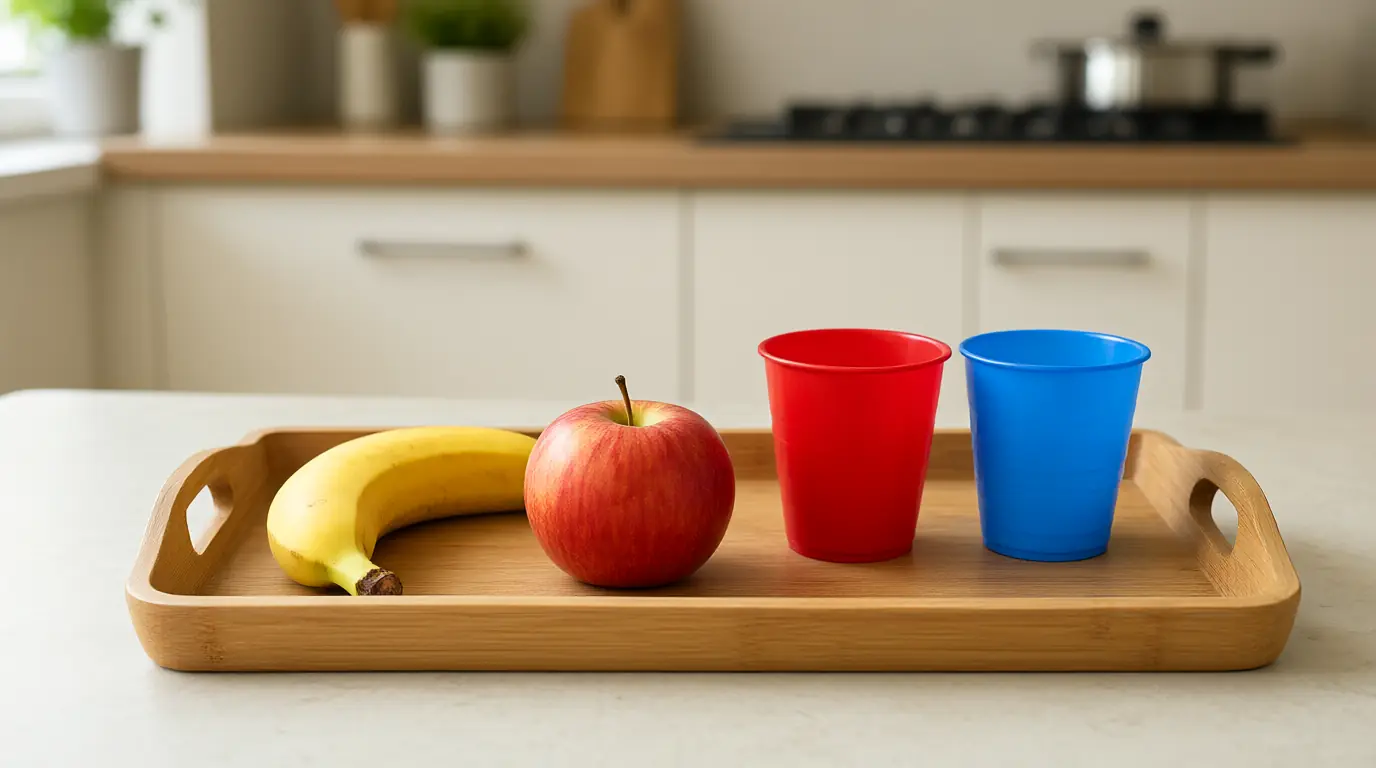
Make it your own: For younger children, use items they know well and accept a reach as an answer. Older children can choose between three things or say a short phrase such as ‘red cup, please’.
Reveal a mystery bag
Anticipation draws children into communicating. A cloth bag that holds something familiar gives you a reason to describe, to guess and to react together. Your child can feel, peek and say what they think it is, and the surprise gives a natural reason to talk about size, shape or sound.
You’ll need
- 1 cloth bag or sock
- 3 or 4 familiar objects, such as a toy duck, a spoon, a ball and a small car
- A small blanket to sit on
How to do it
- Place one object in the bag while your child watches or looks away.
- Open the bag slightly and say, ‘Something is hiding in here.’
- Let your child feel it from outside the bag and make a guess.
- Reveal it slowly and comment, ‘It’s a duck! Quack, quack.’
- Invite your child to choose an object and hide it for you.
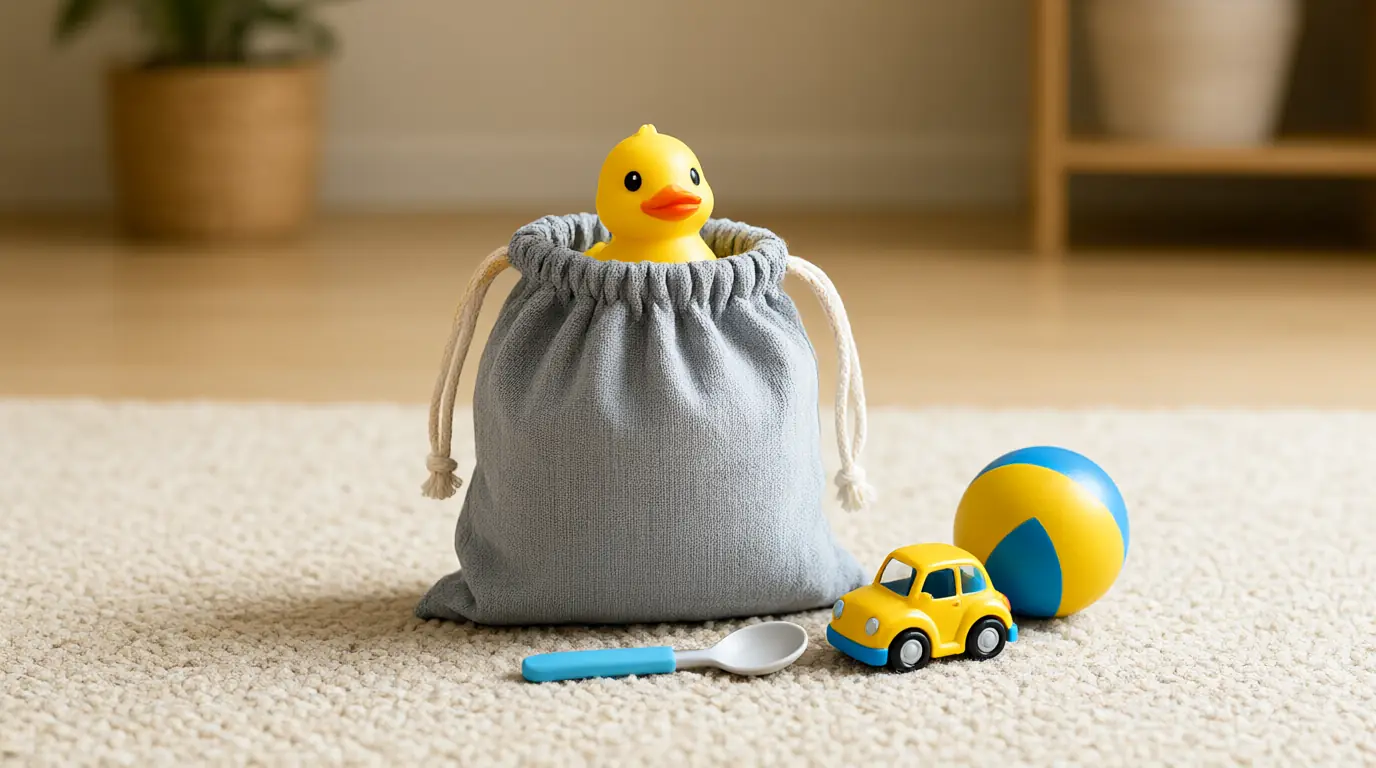
Make it your own: For younger children, show the object first, then hide it. For older ones, give a clue such as ‘It is round and it bounces’ and let them guess.
Add a word to what they say
When you add one word to your child’s message, you give them a model without correcting. If they say ‘dog’, you can say ‘big dog’ or ‘dog running’. This technique keeps the conversation going and shows how words fit together. Children are more likely to try new words if they feel understood first.
You’ll need
- A picture book or a few toy animals
- A comfortable place to sit
- Patience and a few quiet moments
How to do it
- Look at a book or play with toys and wait for your child to say or point at something.
- Respond to what they said: ‘Yes, dog!’
- Add one more word: ‘Big dog’ or ‘Dog is running’.
- Pause and see whether they repeat, change or ignore your words; all are fine.
- Continue the conversation by following whatever they do next.
Make it your own: For children who use single words, add one word at a time. For those using short sentences, add a detail, such as ‘The dog is running to the park’.
Take pretend turns with toy animals
Pretend play gives children a safe space to experiment with how to ask, answer and wait. When two toy animals have a conversation, your child can decide what each one says. The turn-taking is built in, and the animal can make mistakes without anyone feeling embarrassed.
You’ll need
- 2 or 3 toy animals
- A small cup and plate
- A blanket to be the animals’ home
How to do it
- Introduce two animals and give each a voice.
- Make one animal ask the other for a drink: ‘Please, may I have a drink?’
- Ask your child what the second animal says in reply.
- Pass the cup and let your child decide what happens next.
- Swap roles and let the child ask while you answer.
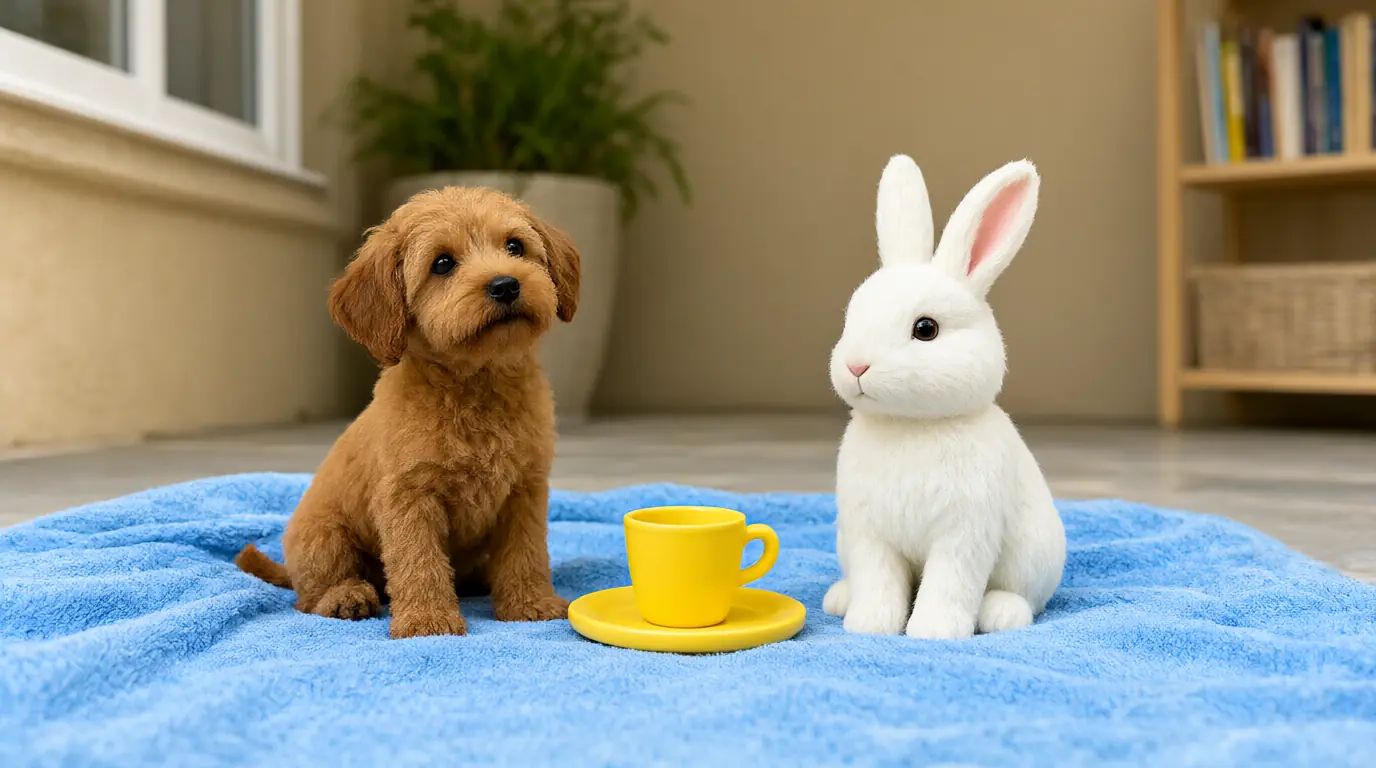
Make it your own: For younger children, use sounds and single words, such as ‘more’ or ‘drink’. Older children can act out a short story with a problem and a solution.
Go on a sound-and-action walk
Combining movement with words helps children link language to something they can feel. Walking around the room and doing an action for each sound or word turns talking into a whole-body game. It also gives children who find it difficult to speak a different way to join in, such as stomping or clapping.
You’ll need
- A clear space in a room or garden
- Pictures of animals or vehicles taped to the wall
- A soft toy to carry
How to do it
- Stand together at the start of the ‘walk’ and choose where to go.
- At each picture, make the sound and action together, such as ‘moo’ and a slow stomp for a cow.
- Pause and wait for your child to make the sound or action first.
- Let your child choose the next stop and lead the way.
- Finish by naming your favourite place and saying goodbye to the animals.
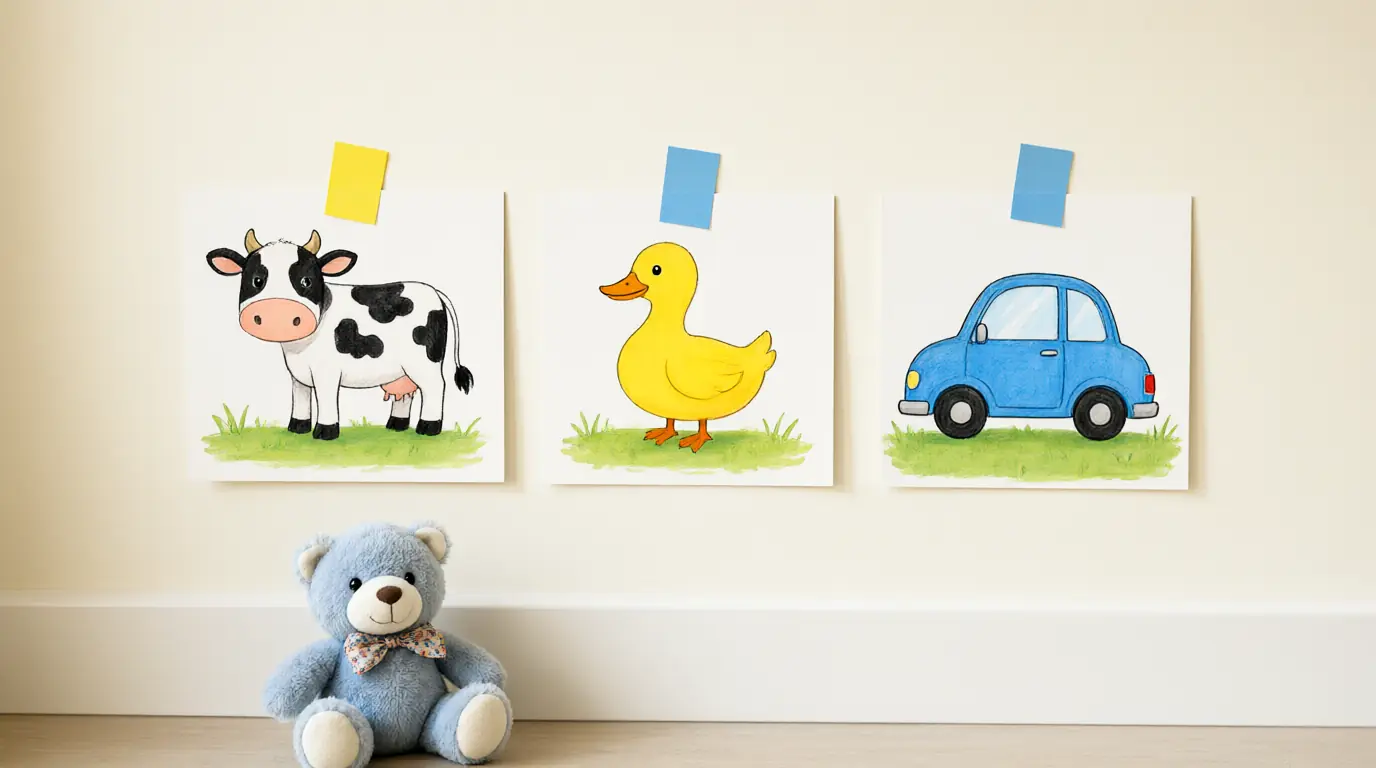
Make it your own: For younger children, use two or three stops and let them join in with just an action. Older children can add a second word, such as ‘big cow’, or make up their own sounds.

Make it work for your family
Waiting is the hardest part of these games, and it helps to count slowly to five in your head. A child who has time to think is more likely to join in, while a stream of questions can make them go quiet. Follow your child’s lead: if they are fascinated by the toy dog, keep talking about the dog instead of steering back to your plan.
Short and frequent beats long and demanding. Five minutes several times a day gives more practice than one half-hour session. Model the words you would like to hear without turning each one into a test, and celebrate communication of any kind, including gestures and sounds. For more ideas, see these picture vocabulary games for kids and this guide to speech sound development, and consider practising words with the Weebou word games.

Parents also ask
How can I help my child start talking?
Talk about what you are doing together using short sentences, pause to give your child time, and respond to every attempt to communicate. Reading picture books and offering real choices help too. If you are worried about your child’s speech or hearing, ask a health visitor or doctor.
Should I correct my child’s pronunciation?
Generally it is better to model the word correctly than to ask them to repeat it. If your child says ‘tat’ for ‘cat’, you can say ‘Yes, a cat!’. Pressure to repeat can make a child anxious and less likely to speak.
When should I talk to a professional about my child’s speech?
If you are worried about your child’s speech, understanding, hearing or communication at any age, speak to a health visitor, GP or a speech and language therapist. You do not need to wait; they can tell you whether to watch, practise or have a full assessment.
Sources & further reading
Explore these primary sources for further context on this topic.
Choose materials and activities that suit your child, supervise as needed and adapt the ideas to their interests and abilities. About our editorial approach