Weebou Editorial Team
 7 min read
 In this article
A little preparation
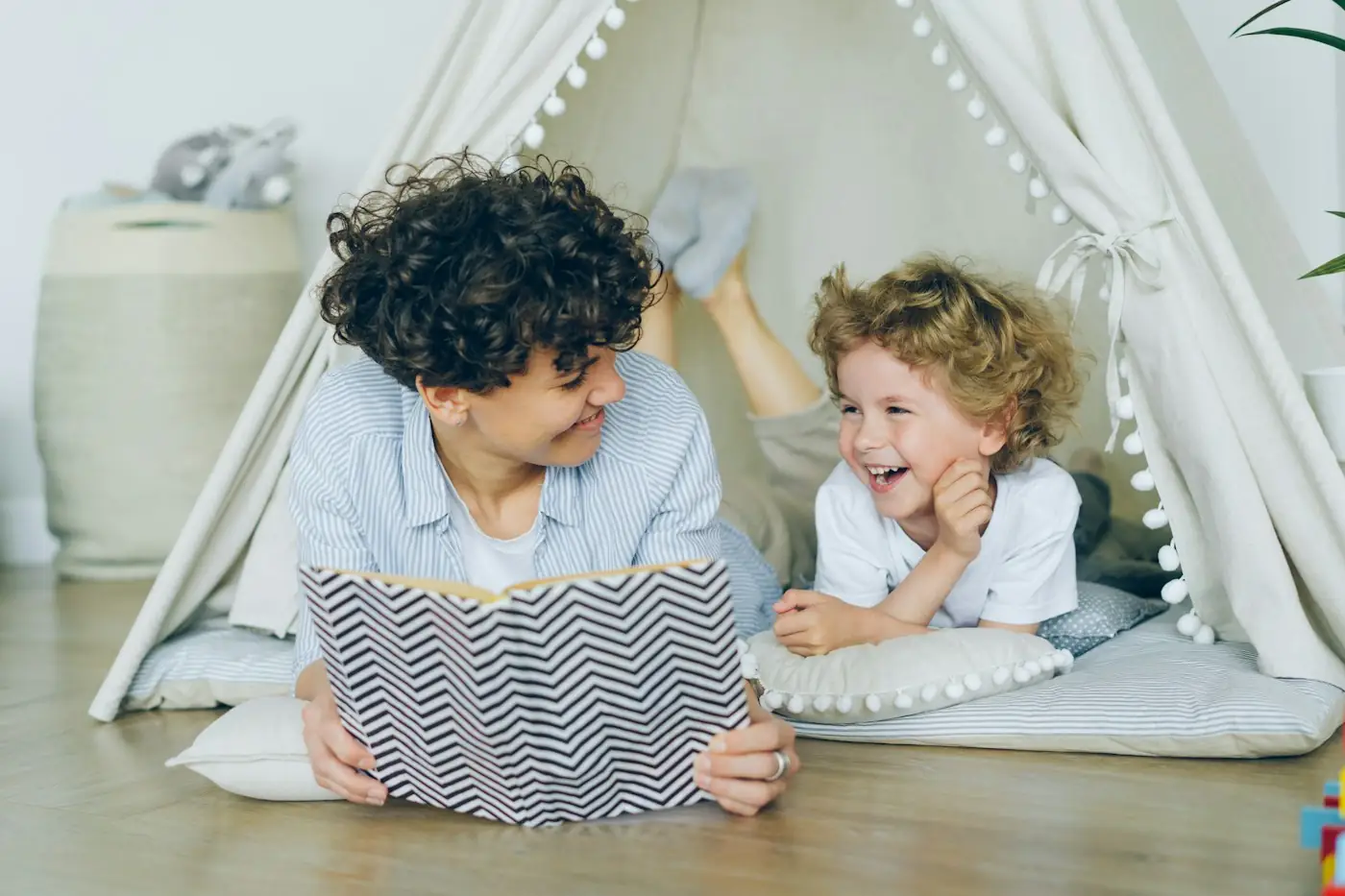
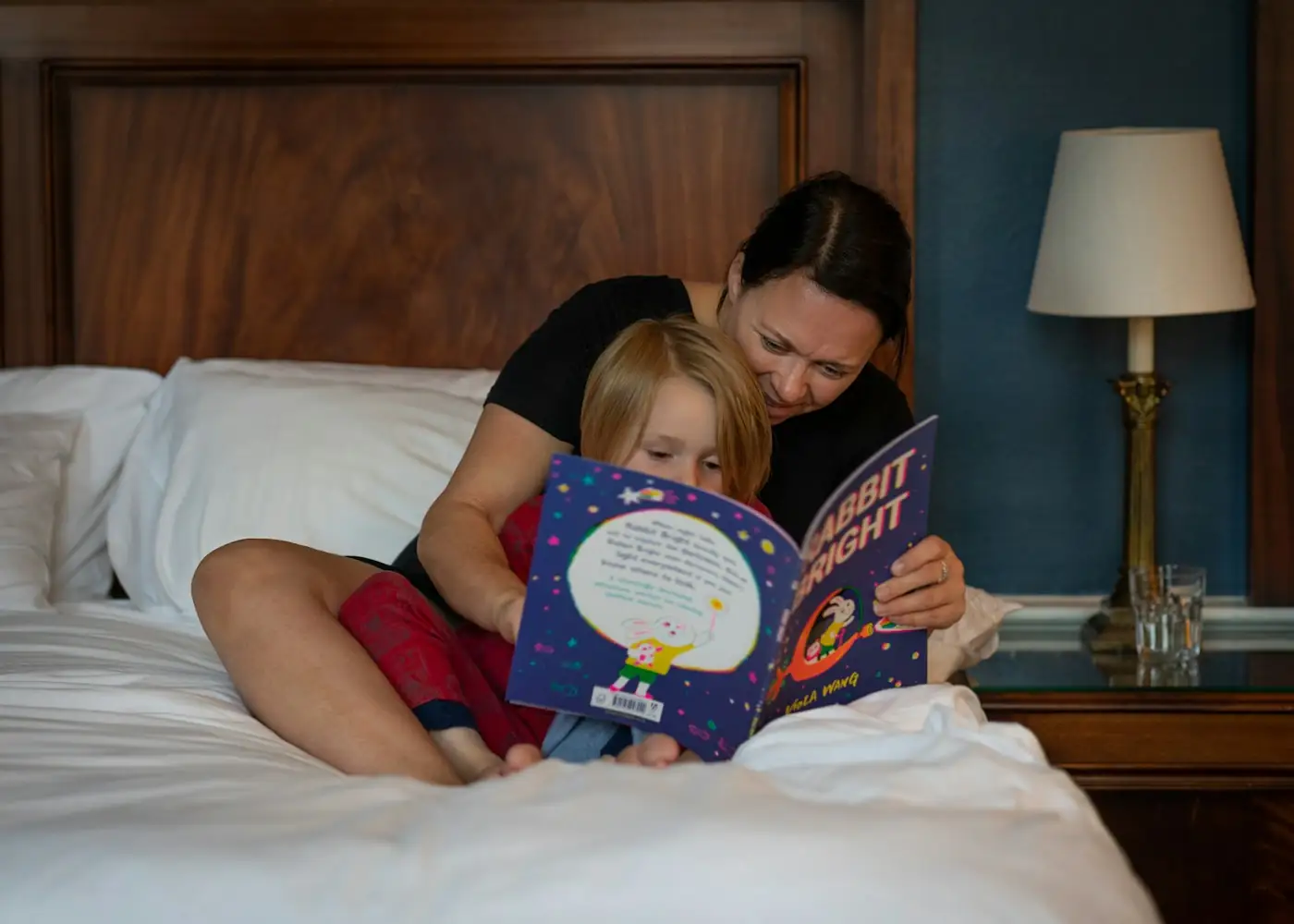
Pick a calm moment, such as after a bath or before a snack, and sit where you can both see a sheet of paper if you plan to draw. Read or tell the starter slowly, using a slightly different voice for each character, and stop at the question. Wait at least five slow breaths before saying anything; children often need that long to think. Three to ten minutes is plenty for one story.
Accept the first idea your child offers, even if it is not the one you expected, and build on it with "And then what happened?" rather than correcting it. If they say "I do not know", offer two options, such as "Did the snail go left or right?", and let them choose. Some children prefer to draw or act out the ending instead of saying it, and that counts as telling a story. If you are building reading habits, how to encourage reading in kids has more ideas.
Ideas to try together
The bell that would not ring
"Pip the rabbit found a little silver bell under a cabbage leaf. She shook it, but no sound came out. She asked Mr Snail what to do. He said, 'Let's listen very carefully.' The garden grew quiet, and then, from somewhere nearby, they heard..." This story invites children to invent a sound and a reason, and works well with whispering.
 You’ll need
- A real small bell, optional
- A sheet of paper and crayons
How to do it
- Tell the starter slowly and stop at "they heard...".
- Ask: "What did they hear? Where did the sound come from?"
- Ask: "Why did the bell not ring at first?"
- Let your child make the sound with their voice, then tell what Pip and Mr Snail did next.
- Draw the place where the sound came from and add Pip listening.
Make it your own: For younger children, ask just one question and let them copy a sound. Older children can add a second problem, for instance the bell rings too loudly, and decide how Pip fixes it.
The missing blue block
"Mia and Omar built a tall tower. It had room for one more block, but the blue one was gone. Mia looked under the sofa. Omar looked inside the toy box. Then Mia saw something small and blue by the window..." Children can solve the mystery, decide who finds the block and think about how friends can search together.
You’ll need
- A few real blocks
- A sheet of paper
How to do it
- Build a small tower with real blocks and leave one gap.
- Tell the starter and stop at "something small and blue by the window".
- Ask: "What was it? Was it the block or something different?"
- Ask: "How did Mia and Omar share the job of looking?"
- Finish the tower together and say how the story ended.
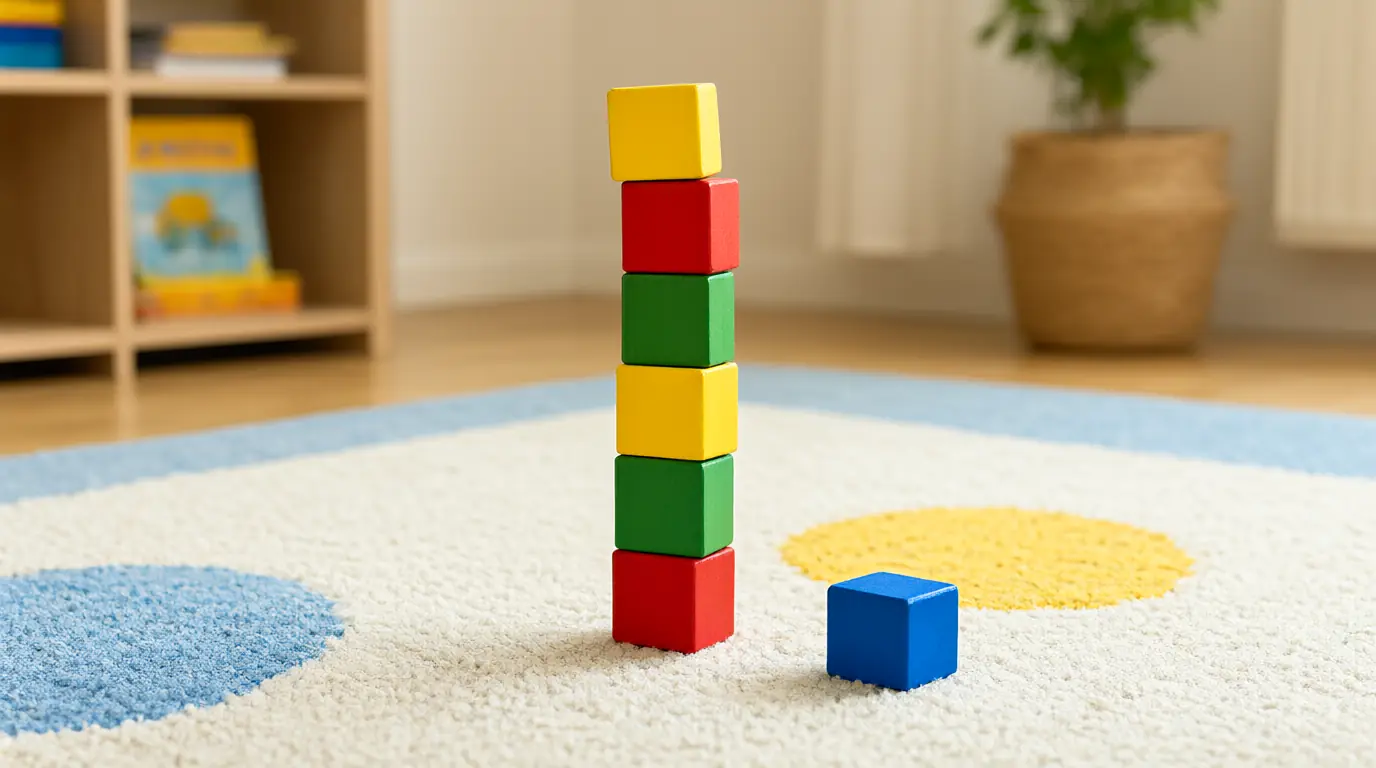
Make it your own: For a younger child, hide a real blue block and let them find it as the story ends. For an older child, ask them to plan where Mia and Omar should look first and why.
A cloud over the picnic
"Sam's family packed a picnic: sandwiches, grapes and a big blue blanket. They had just sat down when a grey cloud rumbled overhead. 'Oh,' said Sam's dad. 'What shall we do?'" This story helps children think about plans changing, and how a plan B can be fun.
You’ll need
- A blanket or towel
- Paper and crayons for drawing the new plan
How to do it
- Tell the starter and stop at "What shall we do?".
- Ask: "Where could the family go instead? What could they do there?"
- Ask: "How does Sam feel about the cloud?" and accept any answer.
- Act out the new picnic on a blanket indoors, with pretend food.
- Tell what Sam remembered most about the day.
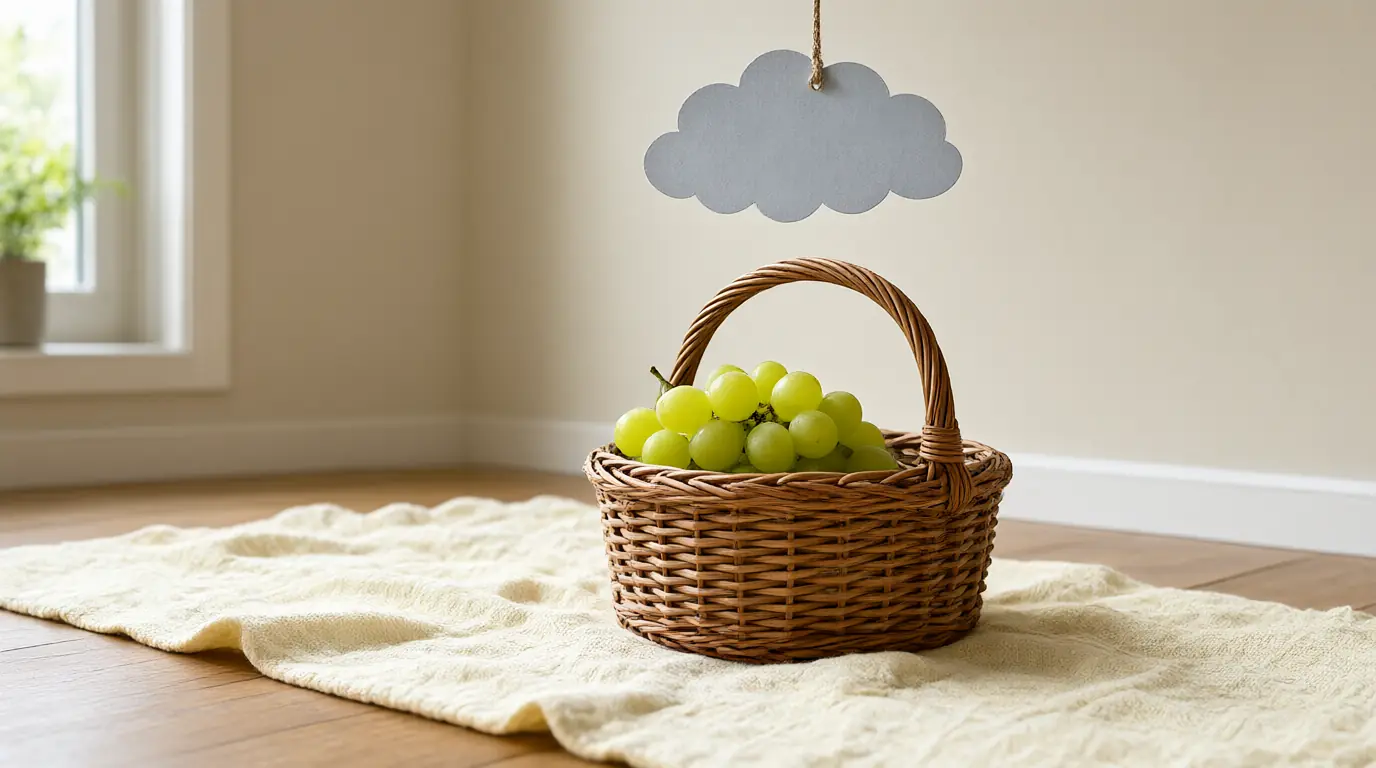
Make it your own: For a younger child, offer two choices, such as under the tree or at home. For an older child, ask them to decide what the family should pack for a rainy day next time.
The seed's new home
"Lena found a small brown seed beside an empty pot. 'Where will you live?' she asked. The seed needed soil, a little water and a sunny spot, and a friend who would remember to look every day..." Children enjoy deciding how Lena will take care of it, and the story can lead to a real planting afterwards.
You’ll need
- A small pot of soil, optional
- A seed such as a bean, optional
- Paper for a care chart
How to do it
- Tell the starter and stop at "every day".
- Ask: "How will Lena remember to check the seed?"
- Ask: "What might the seed need on a very hot day or a rainy day?"
- Draw a simple chart with a seed and three pictures: water, light and a smile.
- If you have a real seed, plant it and decide together who checks it each morning.
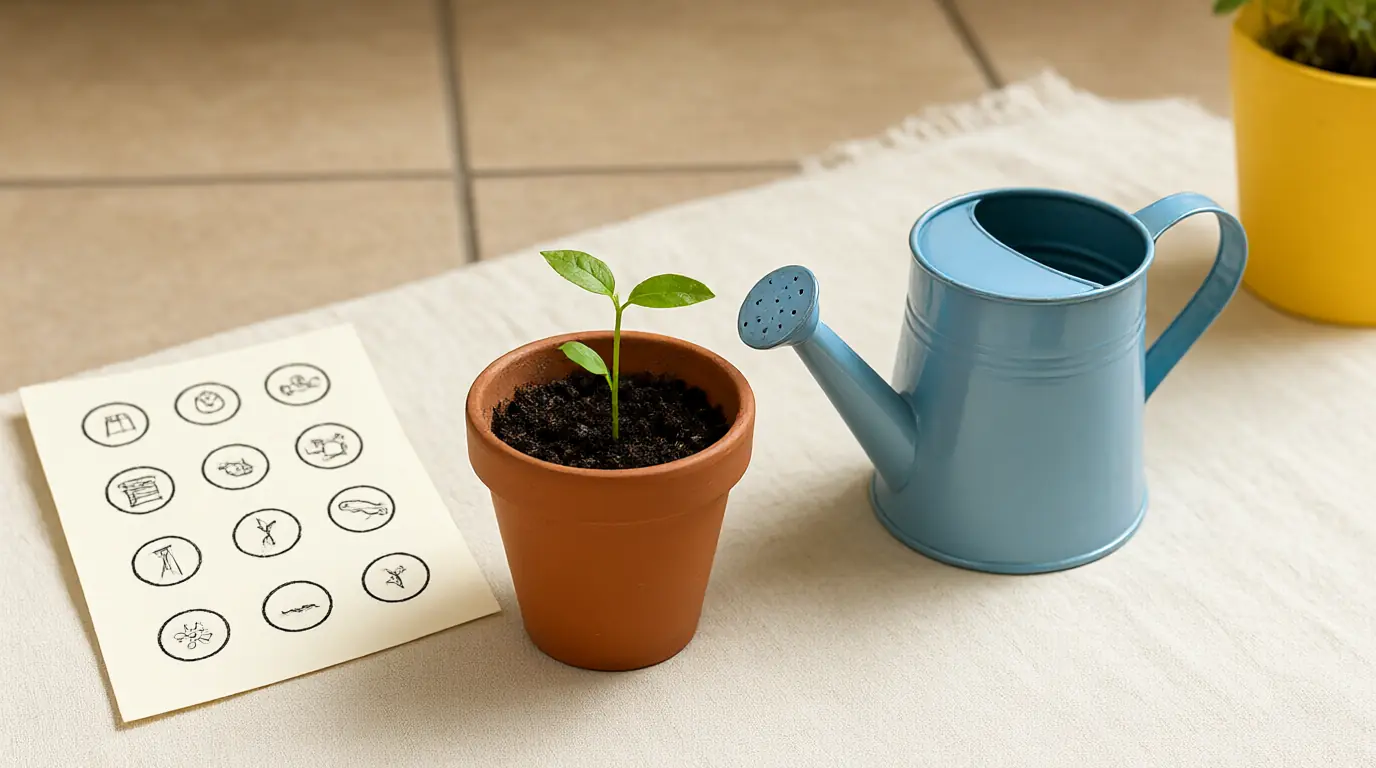
Make it your own: Younger children can just pat the soil and say good morning to the seed. Older children can draw four boxes showing the seed over a week and predict what will change.
The bear who lost his voice
"Bruno the bear woke up one morning and found he could only squeak. He tried to say hello to the birds, but out came a tiny 'eek'. The birds tilted their heads. Bruno thought of a way to say hello without his voice..." Children can invent gestures and sounds and think about how to communicate in different ways.
You’ll need
- A soft toy bear or other animal, optional
- Your hands and faces
How to do it
- Tell the starter and stop at "without his voice".
- Ask: "What could Bruno do to say hello? Can you show me?"
- Try a wave, a nod, a smile or a bow together.
- Ask: "What would the birds do back?"
- Finish the story with Bruno finding his voice again, or learning that he did not need it for friends.
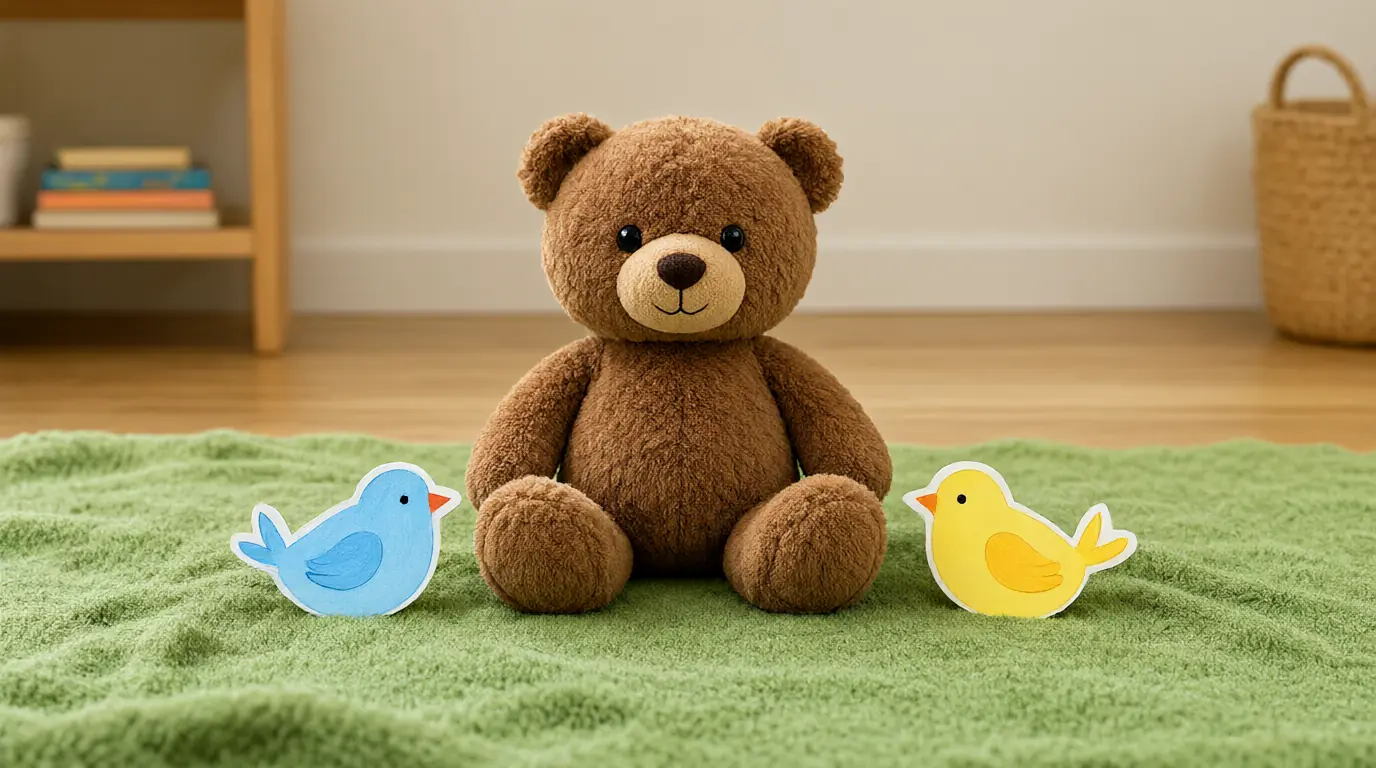
Make it your own: For younger children, let them act out Bruno with the soft toy. For older children, ask for a three-part story: Bruno's problem, his idea and what happened.

Make it work for your family
If your child makes every story end the same way, that is normal; repetition is how they test a pattern. After a few times, you can add a gentle twist such as "What if the bell rang backwards?" but let them decide whether to use it. Keep the characters and settings familiar so the invention can focus on the plot.
Write down one or two of their endings on paper, exactly as they say it, and read them back at bedtime; children enjoy hearing their own words. Over time they will start to add beginnings, characters and problems of their own. You may like to follow up with acting games for kids or a rainy-day drawing game where they illustrate a favourite scene.

Parents also ask
How long should a short story for a young child be?
Two to five minutes is enough for most children aged 3 to 6. A short setup, one problem and one pause for the child to answer works better than a long plot, and you can always continue if they ask for more.
What if my child does not want to finish the story?
Offer two simple options, or invite them to draw or act the ending instead. Some children prefer to listen first. Try again another day, and let them hear their own ideas read back to build confidence.
Can I use these stories with more than one child?
Yes. Let each child add one sentence in turn, or have one child tell the ending while another draws it. Say clearly that there are no wrong answers, and let a child pass if they prefer to listen.
Choose materials and activities that suit your child, supervise as needed and adapt the ideas to their interests and abilities. About our editorial approach