Weebou Editorial Team
 7 min read


 In this article
A little preparation
Pick a tune your child already knows, such as a nursery rhyme, or just use a spoken rhythm with a steady beat. Keep your volume at conversation level and sit close, on the floor or at a table. Sessions of 5 to 10 minutes work well. Prepare two or three simple picture cards (a cat, a bus, a banana) before you begin so that choosing is easy.
Offer more than one way to take part: singing, tapping a beat on a cushion, pointing to the next picture or doing an action. Some children listen for weeks before they sing, and that is fine. Never ask a child to perform for others. If you are building rhythm skills, clapping patterns pair well with these songs, and music games for kids offer more listening ideas.
Ideas to try together
Finish the animal sound
Singing a line that ends before the last sound gives your child the chance to complete it. The pause builds anticipation and the animal sound is a low-pressure way to join in, since the child only needs one short noise. It also teaches the rhythm of a verse.
 You’ll need
- A familiar tune such as 'Old MacDonald'
- 3 picture cards of animals (cow, duck, sheep)
How to do it
- Hold up one picture card and sing the first part of the line: "The cow on the farm says..."
- Stop and wait, smiling, with your hand cupped by your ear.
- Let your child fill in the sound or move like the animal.
- Sing the line together again, now with the sound included.
- Swap to a new card and repeat.
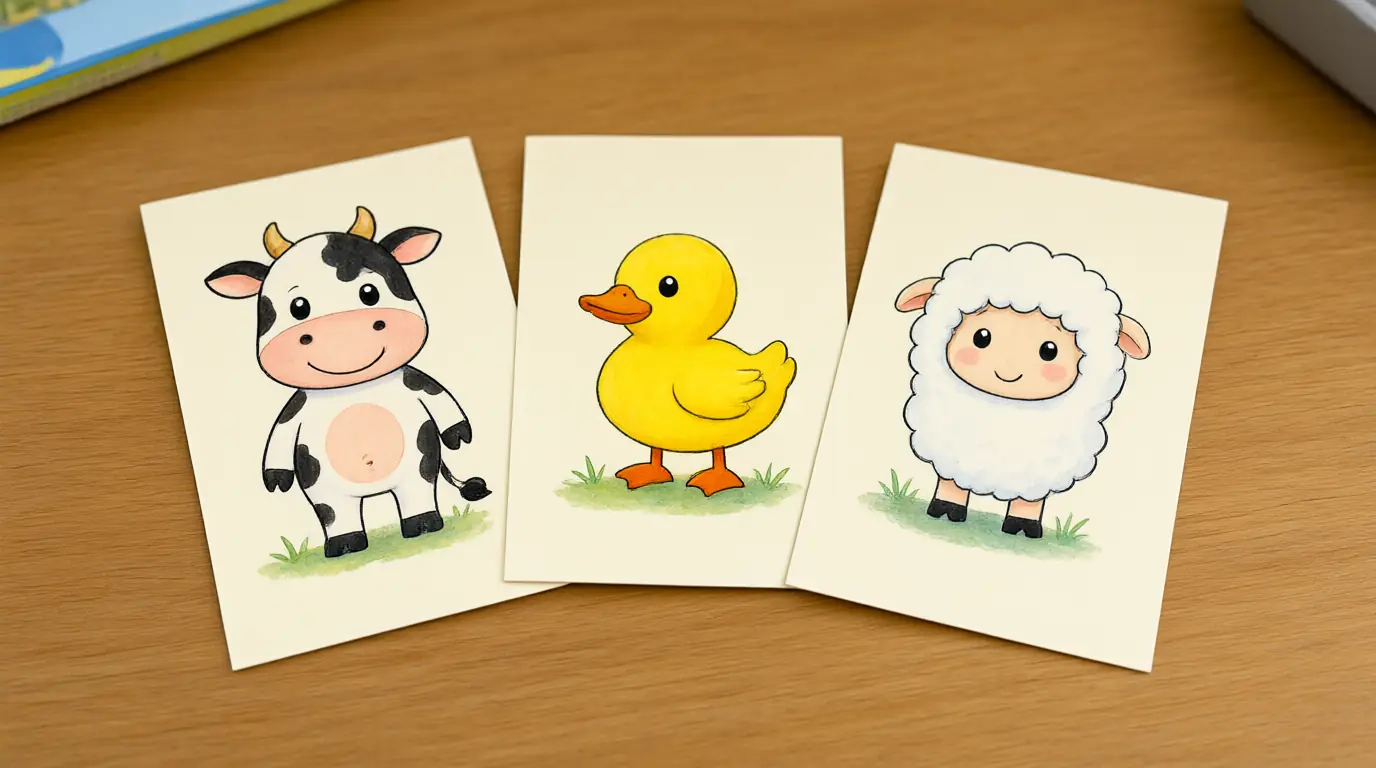
Make it your own: For toddlers, use one animal and repeat it several times. For older children, let them choose the animal and make up a second line about what it eats or where it sleeps.
Sing the daily job
A tiny tune attached to a daily task, such as putting crayons away, makes the job feel shared and predictable. The same few words and notes each day help children know what comes next, and singing together replaces nagging with something lighter.
You’ll need
- A box or basket for the crayons
- A simple tune of your own, or a familiar one with new words
How to do it
- Choose one job, for example putting crayons in the box.
- Make up a short line, such as "Crayons in the box, one by one", to the tune of a nursery rhyme.
- Sing it as you both work, putting one crayon in on each beat.
- Let your child change the words, perhaps "Crayons in the box, two by two".
- Finish with a clap and a quiet "Thank you, crayons."
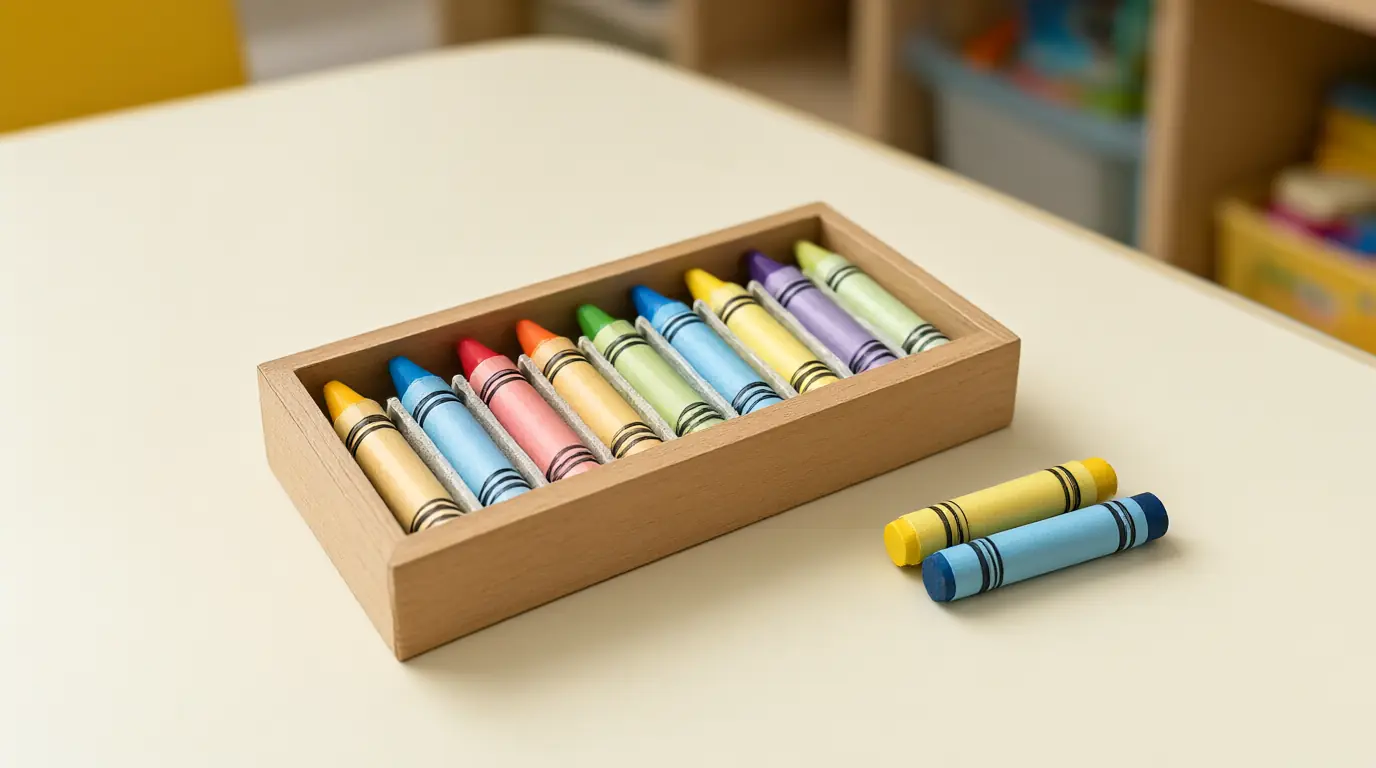
Make it your own: Younger children can just hum and put things in the box. Older children can create a separate verse for a different job, such as washing hands or packing a bag, and teach it to someone else.
Picture verse chooser
Choosing a picture to decide the next verse gives your child control and builds vocabulary. It also shows that songs can be flexible: the tune stays the same while the words change. A silly choice, like singing about a banana bus, is a sign of imagination.
You’ll need
- 6 picture cards (cat, bus, tree, moon, cake, boat)
- A short repeating tune such as 'Twinkle, Twinkle' or 'Row, Row, Row Your Boat'
How to do it
- Lay out two cards and ask your child to choose one.
- Sing a verse about the picture to the familiar tune, adding the chosen word: "Row, row, row the bus..."
- Pause at the funniest or most uncertain word and let your child finish it.
- Choose two new cards for the next verse.
- After four verses, line up the chosen cards in order and sing them all in a row.
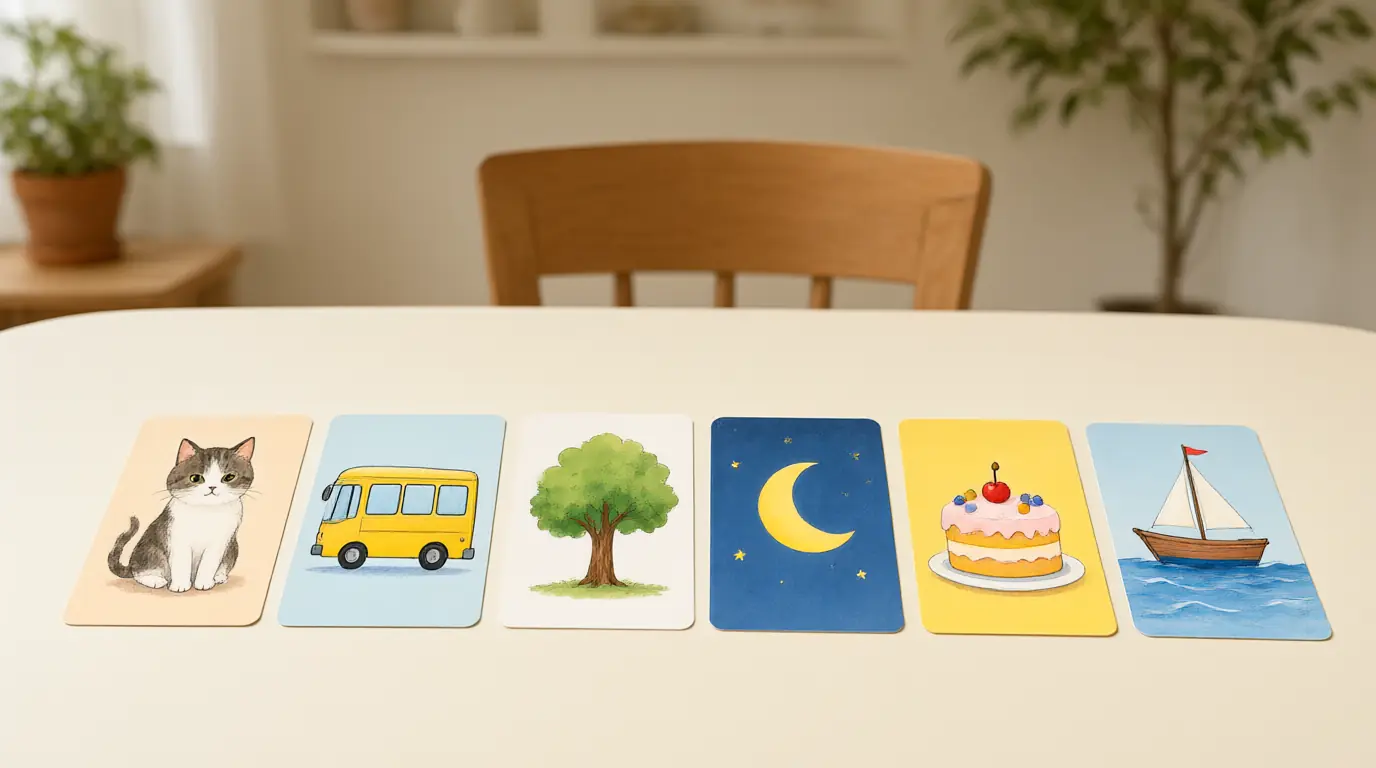
Make it your own: For younger children, offer only one card at a time and name it clearly before singing. For older children, let them draw a new card for each verse and decide what happens in it.
Soft voice, strong voice
Singing the same line quietly and then at an ordinary speaking volume lets children explore how their voice can change without shouting. It builds listening skills and body awareness, and children enjoy the contrast between a whisper and a normal sound.
You’ll need
- A short song line such as 'Twinkle, twinkle, little star'
- Two cushions or two coloured cards to mark soft and strong
How to do it
- Explain that a small cushion means a soft voice and a big cushion means a strong voice.
- Sing the first line softly while holding up the small cushion.
- Sing the same line with a normal speaking voice while holding the big one.
- Let your child choose a cushion and sing the line in that voice.
- Try changing the cushion in the middle of a line and notice how your voices follow.
Make it your own: For younger children, use only the two extremes. For older children, add a middle cushion for a medium voice and ask them to make a pattern: soft, strong, medium.
Echo song with a tube
Call-and-answer songs teach turn-taking: one person sings a short phrase and the other copies it. Singing into a cardboard tube makes the sound feel special and keeps the volume quiet. Children also learn to listen closely, because they need to hear the phrase before they can echo it.
You’ll need
- A cardboard tube from a kitchen roll
- A short phrase such as 'Hello, hello, how are you?'
How to do it
- Hold the tube to your mouth and sing a two-word phrase, such as "Hello, friend!".
- Pass the tube to your child and wait for them to echo it.
- Swap roles: your child sings a phrase, you copy it.
- Try changing the sound, perhaps higher or lower, a hum or a clap.
- End with a long, quiet note and take a bow together.
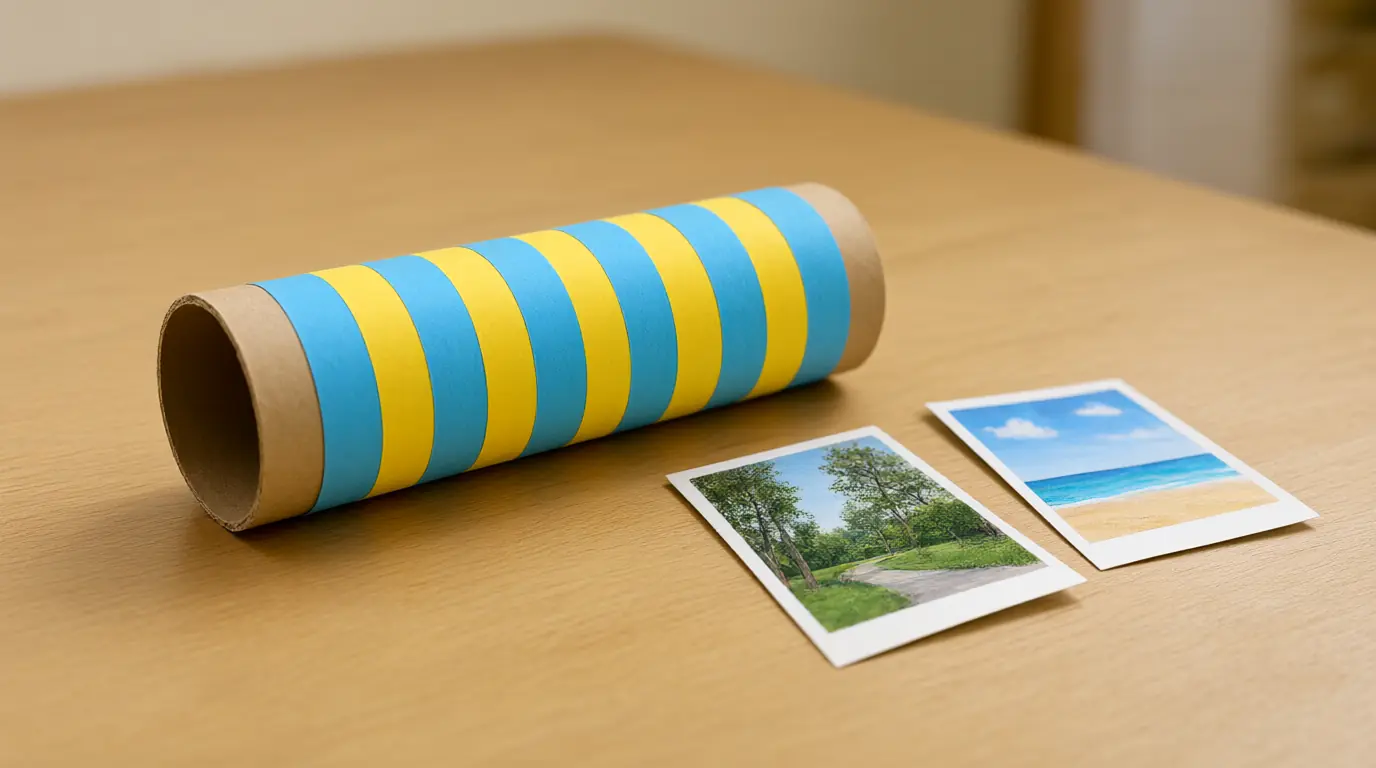
Make it your own: For younger children, sing only one word at a time and let them echo with any sound. For older children, make the phrases longer, or add an action to each so it becomes a short dance.

Make it work for your family
If your child changes the words, copy the change and sing it back, however silly. Their version is their creative contribution, and it keeps the game going. If they only want the same song every time, add one new detail each round, such as a different animal or a new action, rather than switching songs.
Children who are shy about singing may enjoy whispering, humming or using a puppet. Use the same melody for the same job each day so the song becomes a cue: a tidy-up song at the end of play, a hand-washing song before meals. For ideas on connecting words with pictures, see picture vocabulary games and for early speech play try speech games for kids.

Parents also ask
Do I need to be a good singer to play singing games with my child?
No. Children care about your attention and your pause, not your pitch. A steady rhythm and a warm voice are enough, and you can speak the words in rhythm if you prefer.
What if my child does not want to sing?
Offer other roles, such as tapping a beat, pointing to the next picture or doing an action. Many children join in with movement before voice, and some listen for a while first. Keep it relaxed and try again another day.
How long should a singing game last?
Five to ten minutes is plenty for most children aged 2 to 6+. Stop while your child is still enjoying it, and bring back a favourite verse the next day so the game feels familiar.
Choose materials and activities that suit your child, supervise as needed and adapt the ideas to their interests and abilities. About our editorial approach