Weebou Editorial Team

 In this article
A little preparation
Choose one idea that suits today's weather and space. On hot days, plan the active part for the cooler morning or evening and keep indoor play for the middle of the day. Keep a jug of water and cups within reach, and move into shade or indoors if anyone looks flushed or tired. Apply sunscreen and a hat before any outdoor time and stay with your child near water.
Prepare materials the night before so you can start quickly; pulling out a box of craft supplies already set on a tray makes a big difference. Aim for 20 to 40 minutes per activity, with a long gap between them, because summer days are long and children need quiet time. You do not need to fill every hour. A few rainy-day games can also double as hot-day indoor options when it is too warm to go out.

Ideas to try together
Living-room travel day
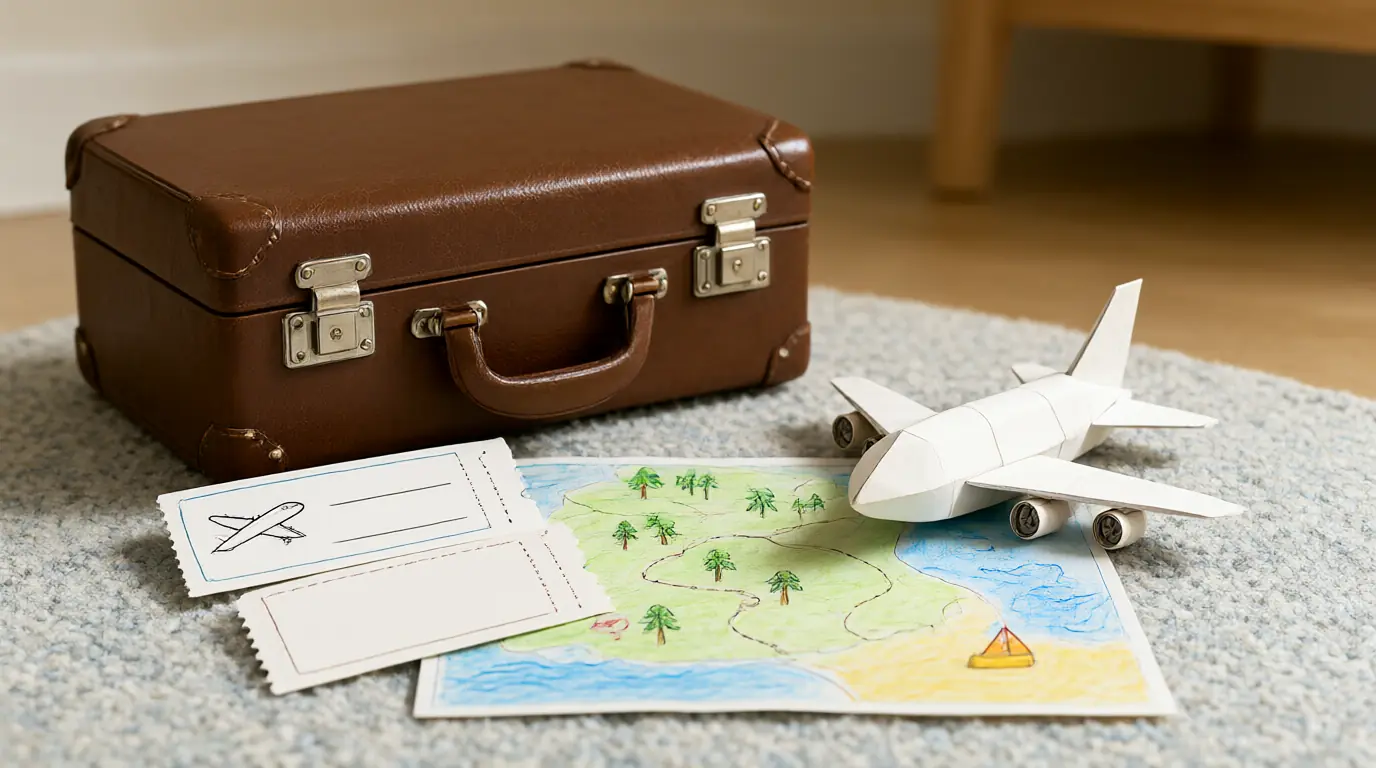
An imaginary trip turns the living room into a destination. Children choose where to go, make tickets and a map, and pack a bag, practising planning and early writing in a way that feels like play. The trip can last as long as your child wants.
 You’ll need
- Paper and crayons
- A bag or small suitcase
- A blanket or a few chairs as a train or plane
- A pretend passport made from folded paper, optional
How to do it
- Ask your child where they would like to go: the beach, the moon or a jungle.
- Make tickets from folded paper and draw a simple map of the journey.
- Pack a bag with things they would need, such as a hat, a snack and a toy compass.
- Set out chairs as the vehicle, say goodbye and make the travel sounds.
- Arrive, explore the room as the new place and take a photo or drawing of what you find.
Make it your own: For younger children, keep the trip to one destination and one prop. For older children, plan a route with two stops and decide what to bring to each.
A shade-side picture gallery
Drawing in a shaded corner suits hot afternoons, and hanging the pictures up makes them feel important, like real artwork. Inviting family members to describe one detail they notice gives children an audience and builds descriptive language, while the quiet, seated activity gives everyone a rest from the heat.
You’ll need
- A shaded spot such as a balcony, porch or corner of a room
- Large paper and crayons
- Tape, string and clothes pegs
How to do it
- Set up a drawing table with paper, crayons and a jug of water.
- Ask your child to draw something they see or imagine about summer.
- Hang each picture on string with pegs at their eye level.
- Invite a family member to look at one picture and say one detail they notice.
- Let your child name the gallery and choose a favourite picture.
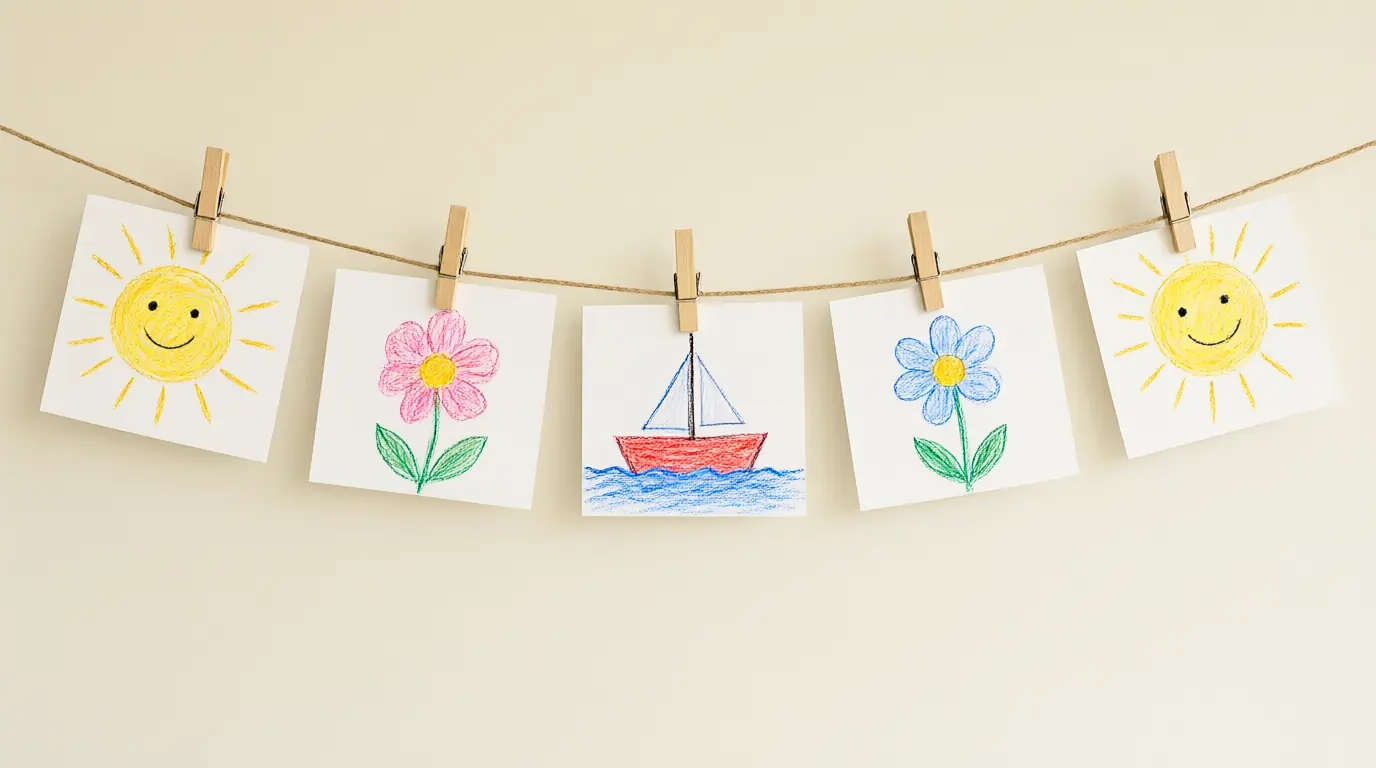
Make it your own: Younger children can draw big scribbles and describe them aloud. Older children can write a title on a card and arrange the gallery by colour or theme.
A cardboard invention hour
A clean cardboard box is open-ended: it can become a rocket, a shop, a robot or a boat. Letting the child plan the design first and then helping with adult cutting keeps the project theirs, and it can last an hour or spread over several days.
You’ll need
- A clean cardboard box, about 50 cm wide
- Large sheets of paper, coloured paper and tape
- Crayons or child-safe markers
- Scissors for adult use only
How to do it
- Ask your child what the box could become and let them sketch the idea.
- Decide together what needs cutting, such as a door or a window, and mark it.
- An adult cuts where marked while the child decorates the outside.
- Add details with paper: buttons, wheels or a steering wheel.
- Use it for a story and decide where it will live when playtime is over.
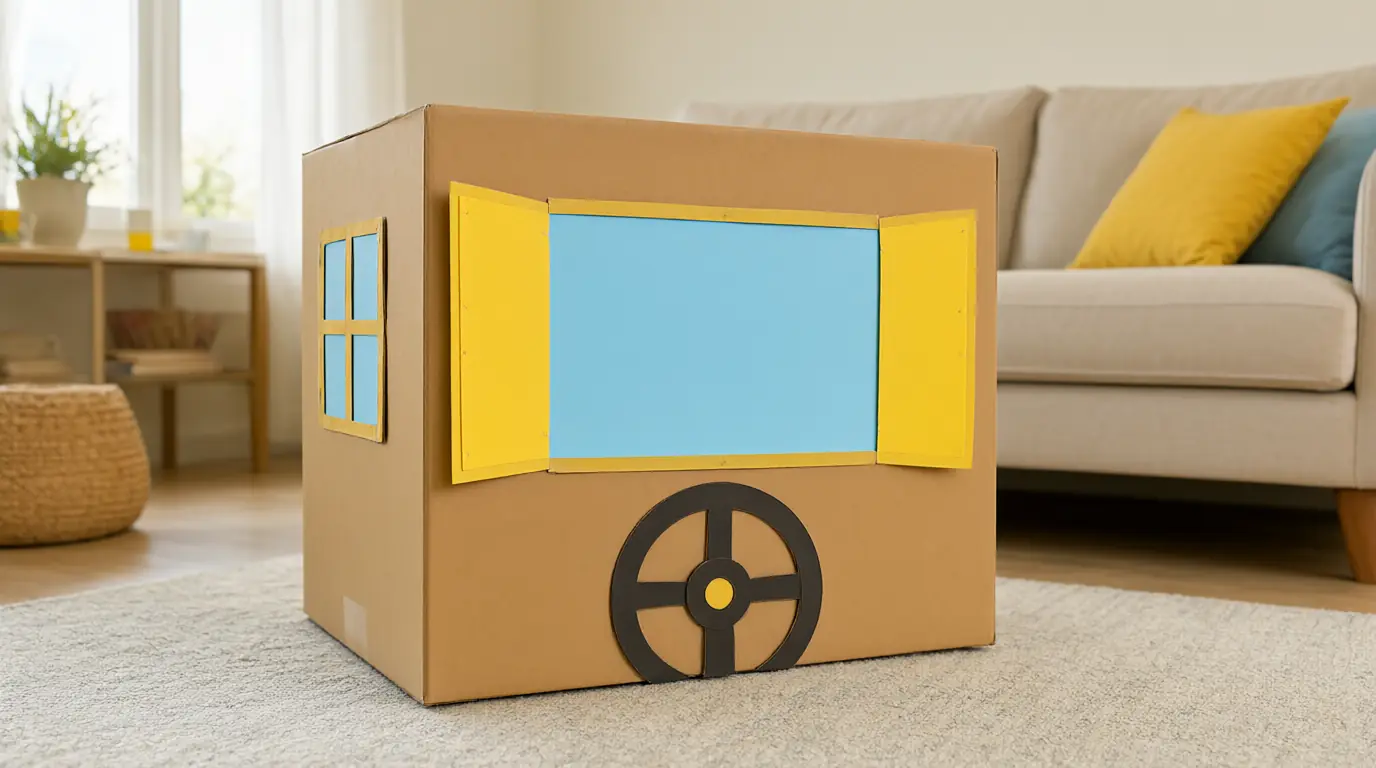
Make it your own: Younger children can colour the box and sit in it. Older children can draw a plan with measurements and a list of materials before they begin.
An indoor picnic with helpers
Moving a regular snack to a blanket on the floor changes the mood of a whole afternoon. Children can count places, choose a story or game for the picnic and take real responsibility for the setup.
You’ll need
- A blanket or large towel
- Plastic or paper plates and cups
- A simple snack such as sliced fruit and crackers
- A picture book or a game
How to do it
- Clear a space on the floor and spread out the blanket.
- Ask your child to count how many plates and cups are needed and set them out.
- Let them carry the snack, a plate at a time, to the picnic.
- Eat together and choose one story or conversation game, such as I Spy.
- Tidy together by making teams for plates, cups and the blanket.
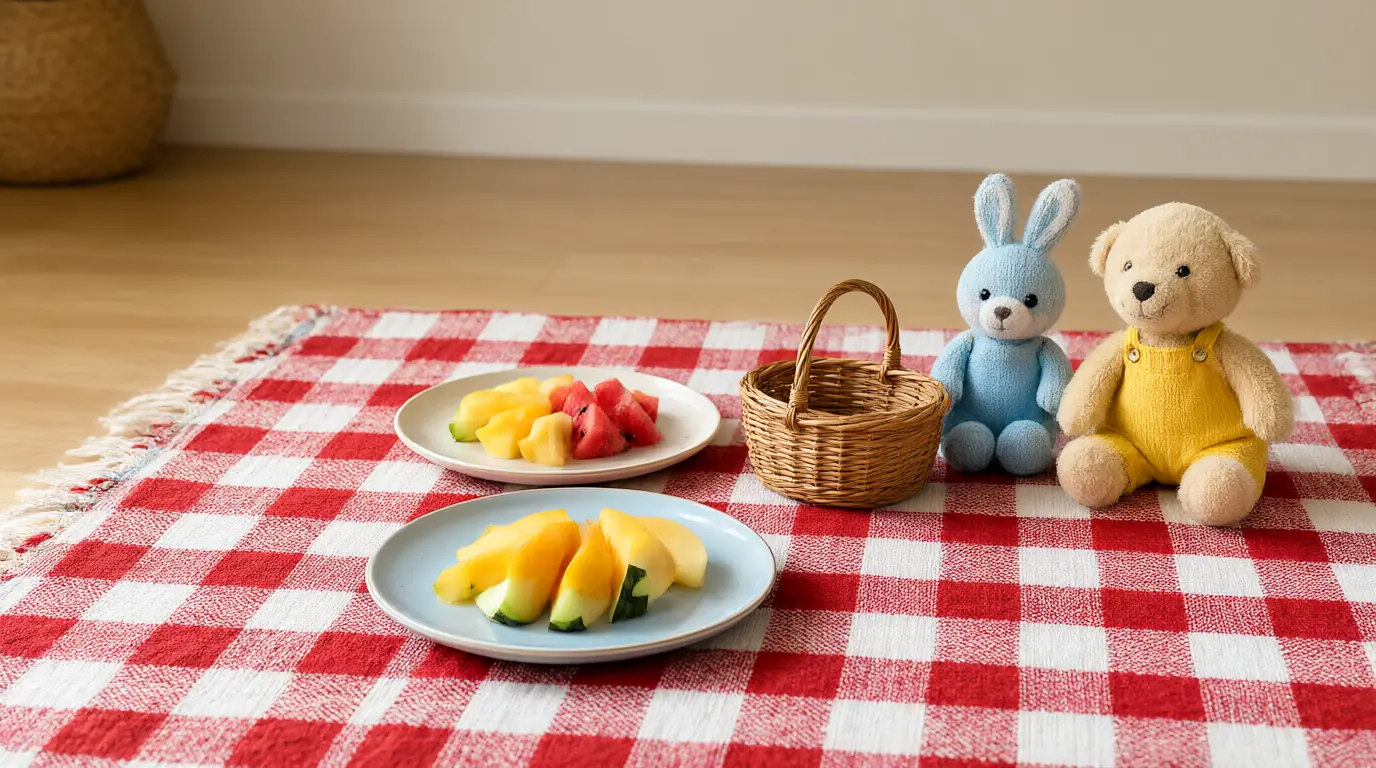
Make it your own: Younger children can carry unbreakable items and sit with a favourite toy. Older children can write a menu and a pretend invitation for each guest.
A cool-down water station
A shallow tub of water is a simple way to cool down and play with pouring, floating and sinking. It works on a balcony, patio or bathroom floor, and children can explore with measuring cups, sponges and objects from the kitchen.
You’ll need
- A shallow plastic tub or baking tray with a few centimetres of water
- Plastic cups, a sponge, a spoon and a funnel
- Small waterproof objects to test (a cork, a plastic lid, a stone)
- A towel and a waterproof mat
How to do it
- Fill the tub with a few centimetres of lukewarm water and place it on a mat.
- Let your child pour from one cup to another and notice the splashes.
- Test which objects float and which sink, sorting them into two piles.
- Squeeze a sponge to see how much water it holds.
- Empty the tub onto a plant or a patch of grass when you finish.
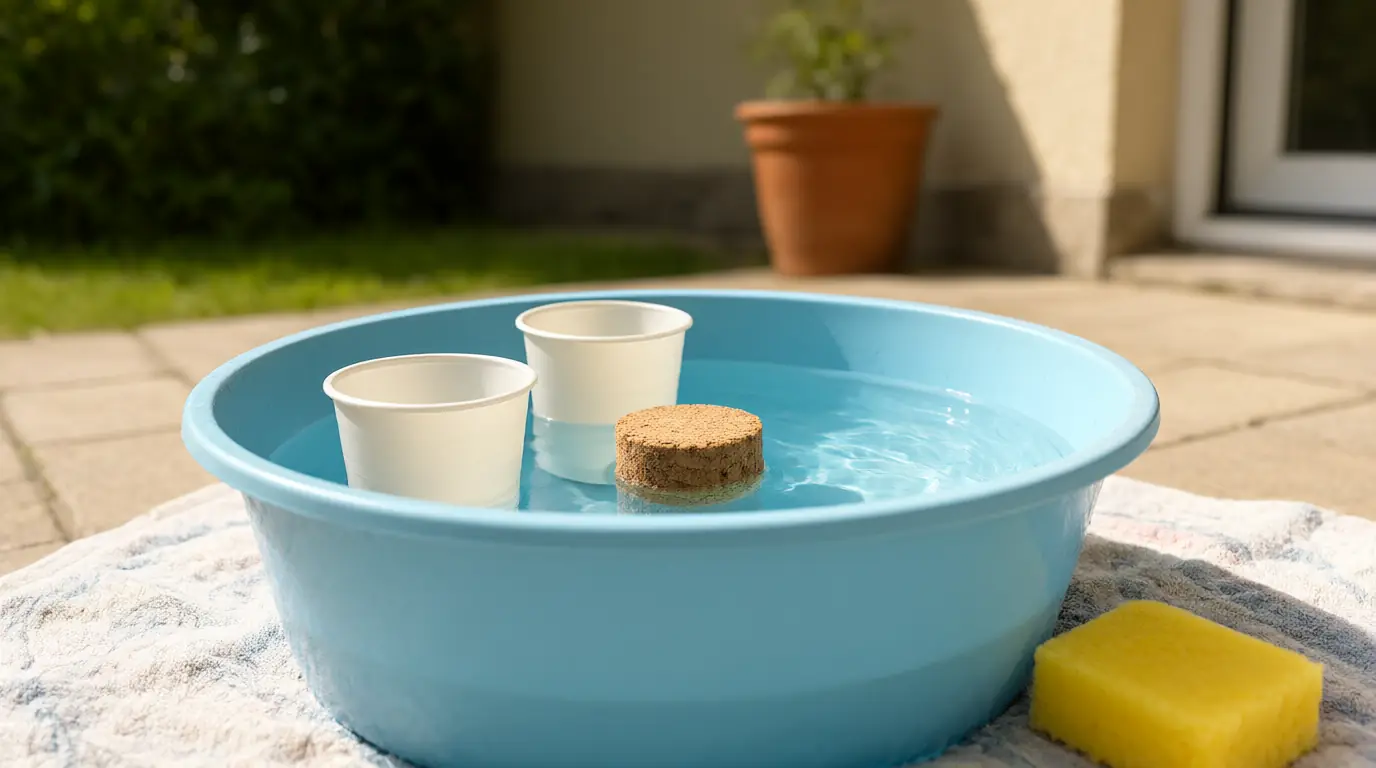
Make it your own: Always stay within arm's reach of young children near water, even if shallow. For older children, ask them to predict whether an object will float before testing, and record the results in two columns.

Make it work for your family
Let children revisit yesterday's favourite instead of feeling obliged to provide something new each day. The same cardboard box can be a rocket on Monday and a shop on Wednesday, and children notice more detail each time. If the day has gone flat, a small change helps: move the activity to a different room, add music or invite a toy to take part.
Keep a "summer box" with paper, crayons, scissors for an adult, tape and a few old scarves so you can start anything in two minutes. If screens creep in, agree a start and finish time first. For more ideas, see summer activities for preschoolers or water games for kids, which pair well with the cool-down station below.

Parents also ask
What can kids do at home in summer when it is too hot?
Choose indoor or shaded activities such as drawing, cardboard building, an indoor picnic or a shallow water tub. Keep active play for early morning or evening, offer water regularly and take breaks in the shade.
How do I keep kids busy all summer without a lot of planning?
Prepare a small box of simple materials, pick one idea a day and let children repeat favourites. You do not need to fill every hour; quiet time and free play are valuable too.
Are these summer activities suitable for different ages?
Yes. Each idea includes ways to make it easier for younger children and more challenging for older ones. Always supervise near water, and choose materials suited to the youngest child present.
Choose materials and activities that suit your child, supervise as needed and adapt the ideas to their interests and abilities. About our editorial approach