Weebou Editorial Team
 7 min read
 In this article
A little preparation
Choose a quiet space where children can move freely: a rug, a corner of the living room or a patch of garden. Gather a handful of everyday objects rather than costumes: a scarf, a hat, a bag, a cup. Decide on a simple signal, such as a clap or a bell, that means 'freeze' or 'scene over', and explain it before you begin.
Tell your child that they can join in by moving a toy, describing an action or watching first. Not every child wants to act with their whole body, and puppet-style play counts as acting too. Keep each scene short, around one or two minutes, and finish with a sentence of kind feedback about something specific you noticed, such as 'I saw the toy peek around the corner.' Do not ask a child to re-enact upsetting events or personal feelings; invented characters can handle small everyday problems from a comfortable distance.

What to know and try
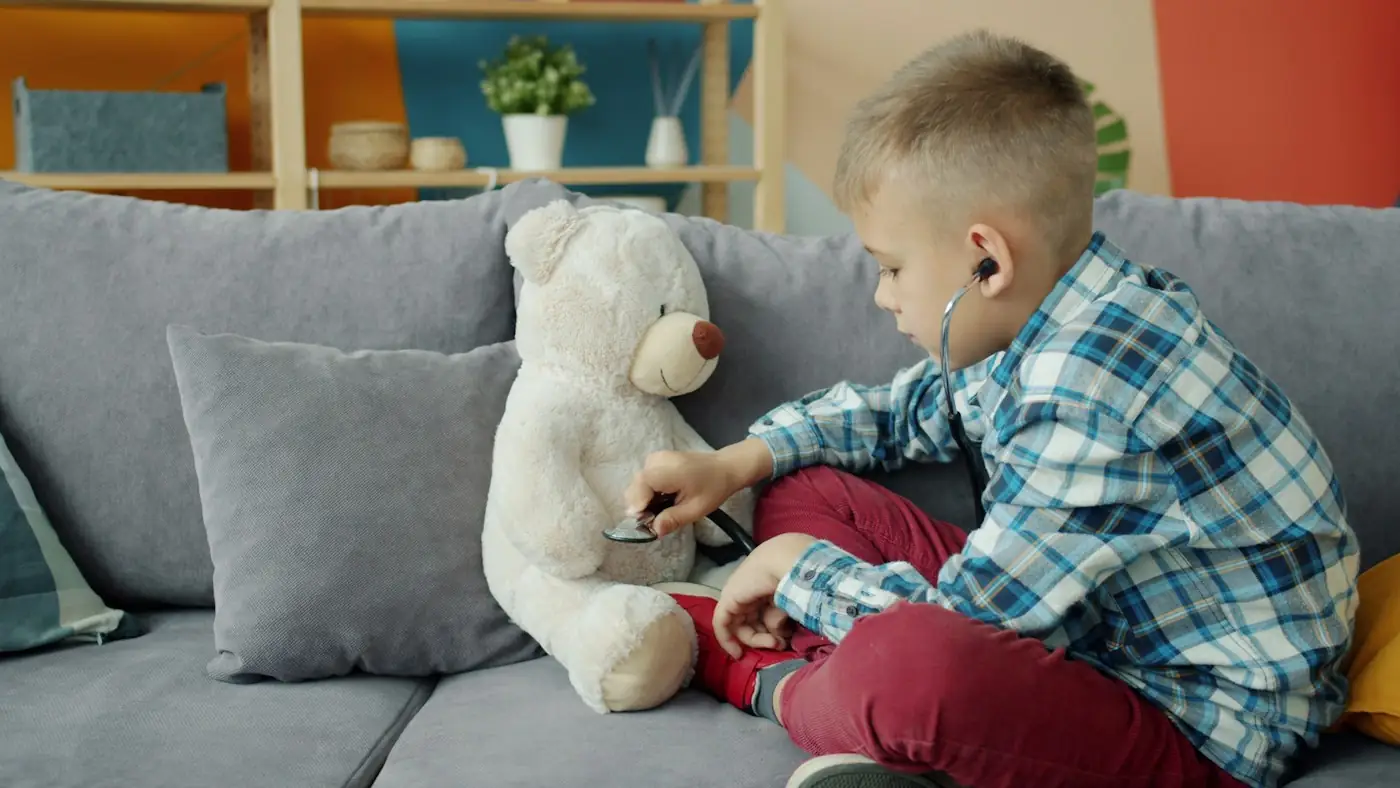
The toy needs help
A toy with a small, clear goal gives children something to act for. Because the toy speaks and moves, children can try out different voices, gestures and ways of asking for help without being the centre of attention. The game also introduces the idea that characters want things, a seed of every story.
You’ll need
- 1 soft toy
- 1 small chair or box as a pretend bus stop
- A scarf or hat for the toy to wear
- A second toy to be the helper
How to do it
- Introduce the toy and its goal, such as finding a seat on a crowded bus.
- Ask your child, 'How does this toy ask for help?' and invite them to try a voice or a gesture.
- Introduce the helper toy and let your child decide how it answers.
- Play out the scene together, taking turns to move each toy.
- Ask what the toy felt at the end and how you could tell.
- Choose a new goal, such as finding a lost hat, and play again.
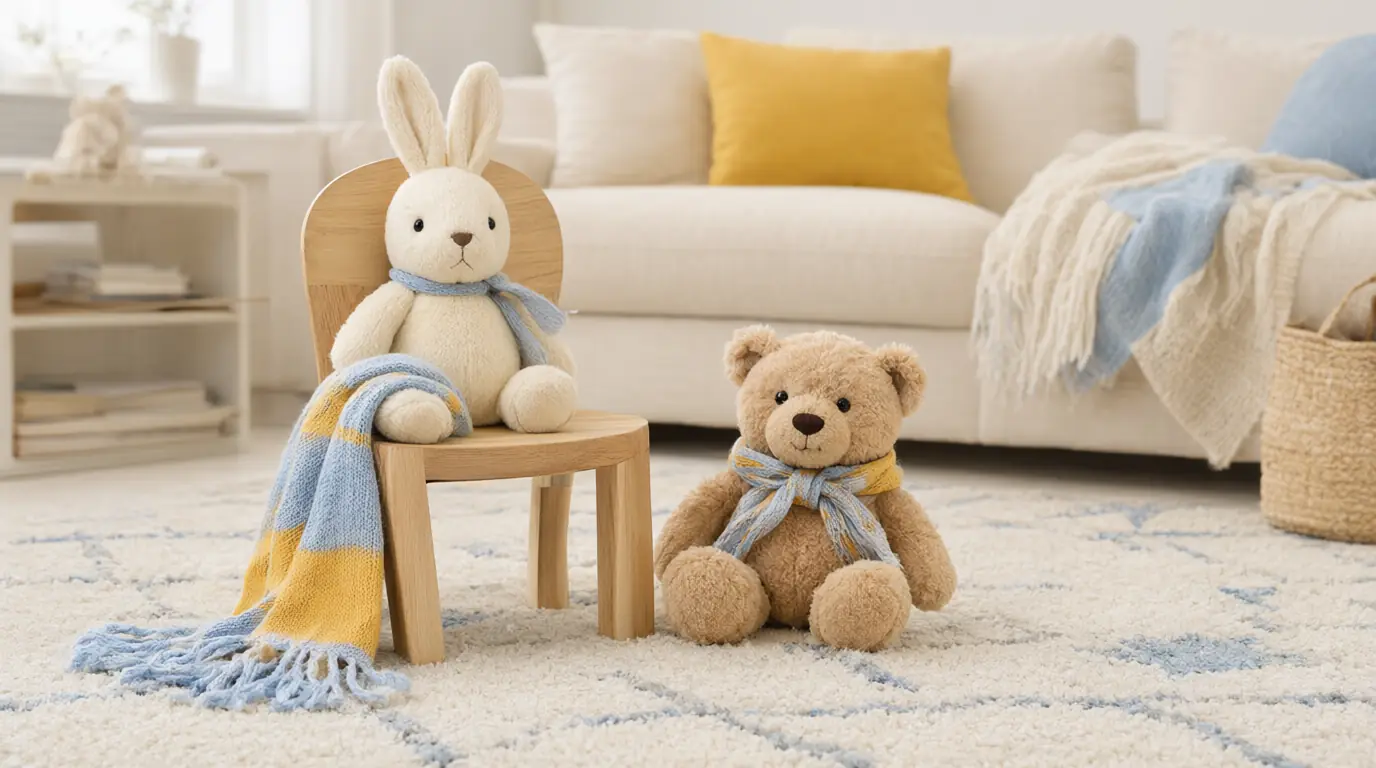
Make it your own: Younger children can simply move the toy while you provide the words. Older children can play both toys at once, switching voices, or introduce a third character with a different need.
Same words, different purpose
A single short sentence can sound completely different depending on what the speaker wants. This game helps children notice how tone, speed and movement change meaning. They discover that acting is about choices: the same line can be kind, bossy, nervous or excited, and the audience can tell the difference.
You’ll need
- No materials needed
- 2 cushions as stage marks (optional)
- A bell or a clap as a start signal
How to do it
- Pick a short line, such as 'Come this way.'
- Say it once as a helpful guide, with a slow walk and a gentle voice.
- Say it again as someone in a hurry, with quick steps and a sharper tone.
- Ask your child what changed in your voice and movement.
- Invite your child to try the line in a new way, such as sleepy, proud or a little scared.
- Guess each other's purpose and talk about the clues you noticed.

Make it your own: Younger children can choose from two pictures, such as a smiling face and a sleepy face, to decide how to say the line. Older children can plan a tiny scene that uses the same line twice with different meanings.
Silent daily action
Acting without words gives children a gentle way to show what they know. Packing a bag, opening an umbrella or drawing a picture are familiar actions, so the child has plenty of detail to draw on. Watching others, children learn to describe what they see, which builds observation and vocabulary.
You’ll need
- A small bag or backpack
- An umbrella
- Paper and a crayon
- A hat or scarf
How to do it
- Choose one daily action together, such as packing a bag for a day out.
- Act it out slowly without speaking, showing each step with clear movements.
- Ask the audience to say what they noticed: 'You folded something. You zipped the bag.'
- Swap roles so your child acts and you describe what you see.
- Try a second action, such as opening an umbrella in the rain.
- Add a feeling, for example hurrying because it is raining, and see whether the audience can spot the change.
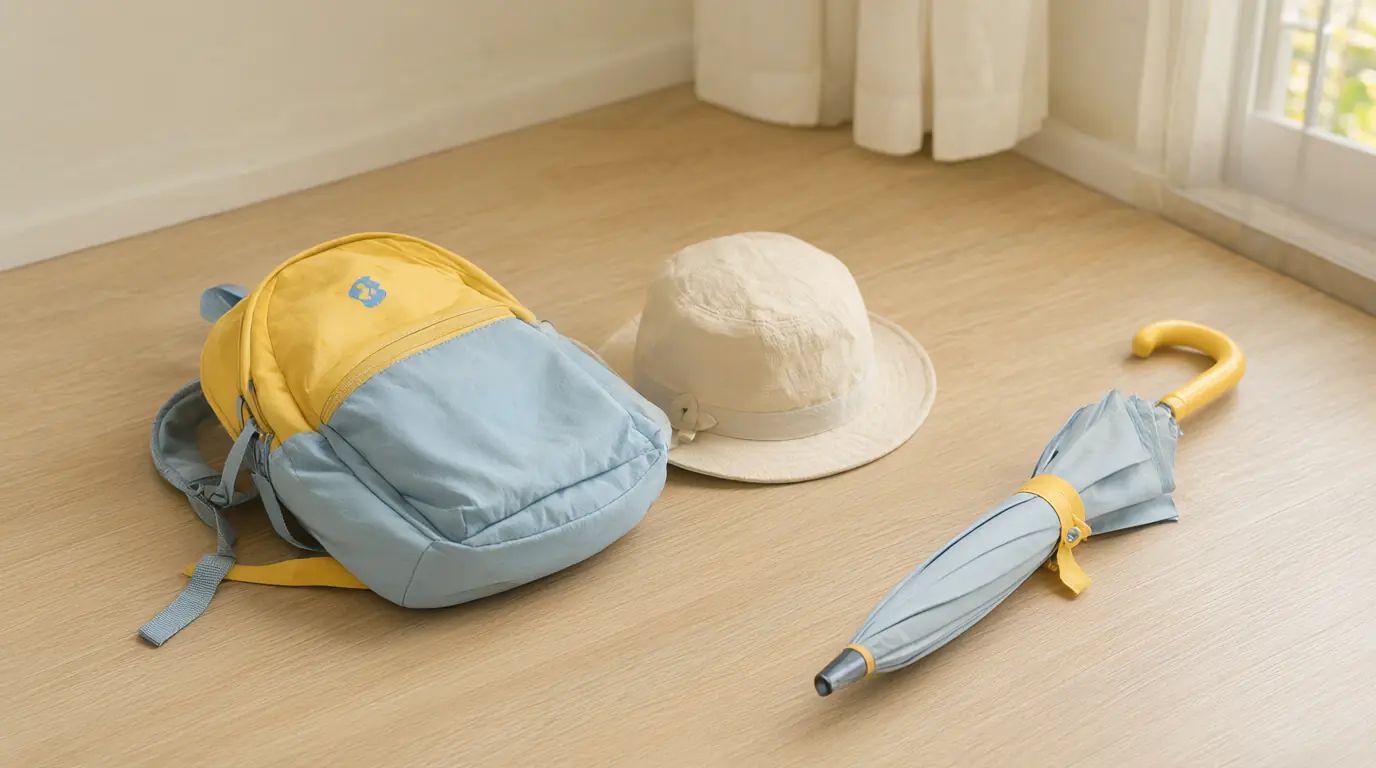
Make it your own: Younger children can use real objects and simply do the action while you narrate. Older children can act a sequence of three actions and ask the audience to put them in order.
A tiny ending
Children set up a scene with a small problem, then invent and act two possible endings. This builds the understanding that stories can go different ways and that choices have consequences. Keeping the problem tiny, such as a missing hat, keeps the focus on imagination instead of worry.
You’ll need
- 1 hat or scarf
- 2 soft toys as characters
- A cushion as a hiding place
- A paper sign or picture to show which ending is which (optional)
How to do it
- Set up a scene: one toy has lost its hat and is looking for it.
- Ask your child what happens first and let them move the toys.
- Play out ending one: the hat is found behind the cushion.
- Reset the scene and ask, 'What else could happen?'
- Play out ending two, for instance the second toy lends its own hat.
- Talk about how each ending made the characters feel and which one your child prefers.
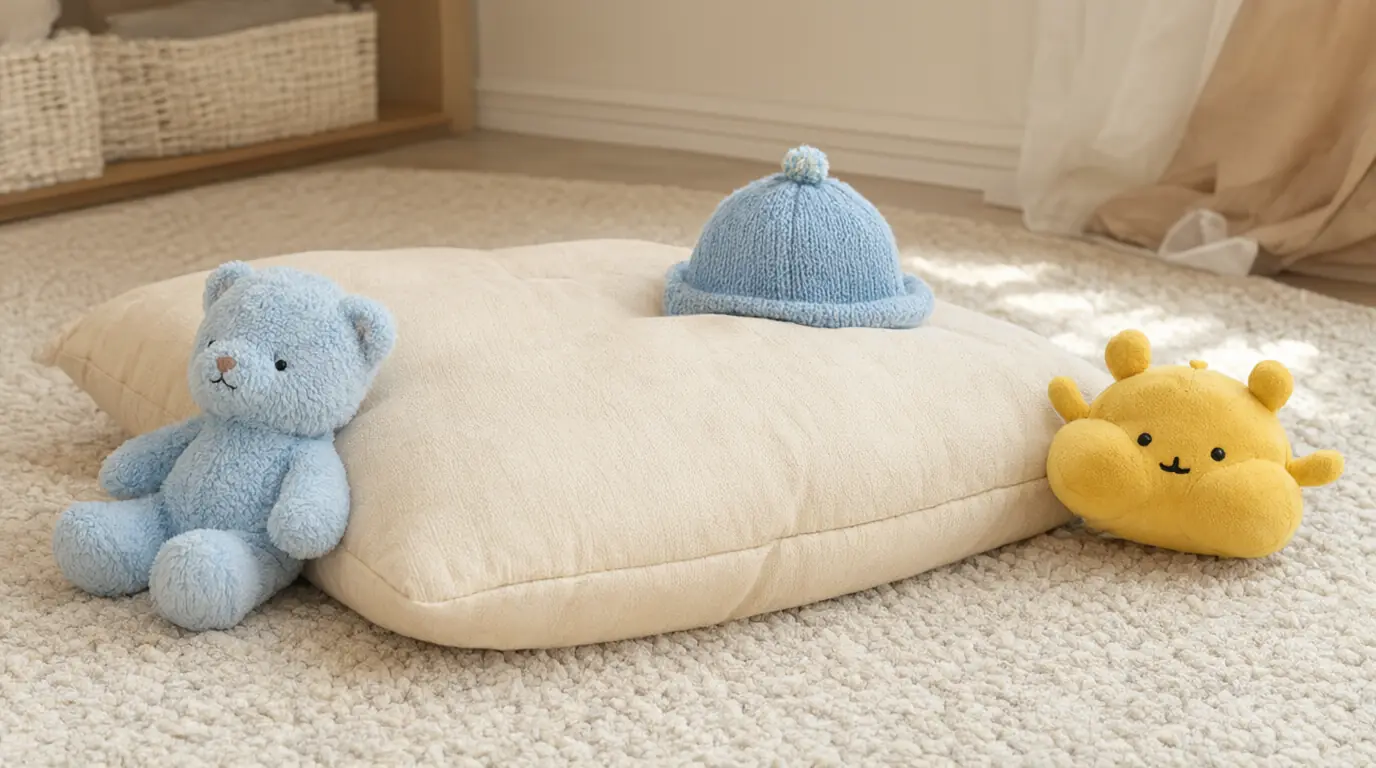
Make it your own: Younger children can act one ending and tell you about the second with words only. Older children can add a twist, such as a surprise visitor, or act both endings for an audience of toys.

Make it work for your family
Shy children often prefer to start as the audience, then become the director who tells you what the character does. You can offer to act first and make a deliberate mistake, which shows that scenes do not need to be perfect. When a child repeats the same scene again and again, that is practice, not boredom; each repetition is a chance to add a tiny change.
To extend the play, try dress-up games, where props lead the story, or the more spontaneous improv games for kids. For quieter characters, take a look at these hand games for kids, which let fingers do the acting. Finish each session with a bow or a high five so the scene has a clear end, and keep the props in one basket so the game is easy to start again.

Parents also ask
How do I get a shy child to join in acting games?
Let them watch first, or act through a toy or puppet. Offer a job such as director or audience member. Praise something specific, like a clear movement, and never insist on a performance. Many shy children join in once they feel safe.
What are good acting games for preschoolers?
Short, simple games work best: a toy with a small problem, saying one sentence in two ways, or acting a daily action without words. Keep scenes to one or two minutes and use props the child already knows.
Do acting games help children with feelings?
They can give children practice noticing and showing feelings through voice and movement, using invented characters rather than their own experiences. They are playful practice, not therapy. If you have concerns about your child's wellbeing, speak to a qualified professional.
Choose materials and activities that suit your child, supervise as needed and adapt the ideas to their interests and abilities. About our editorial approach