7 min read
 In this article
A little preparation
Choose one game and find a reliable description of it, ideally from a children's book, a museum or cultural centre, or from a family member who knows it. Ask them about the version they play instead of assuming there is one rulebook for a whole country. Mexico is large and varied, and rules, names and rhymes differ between places and between households.
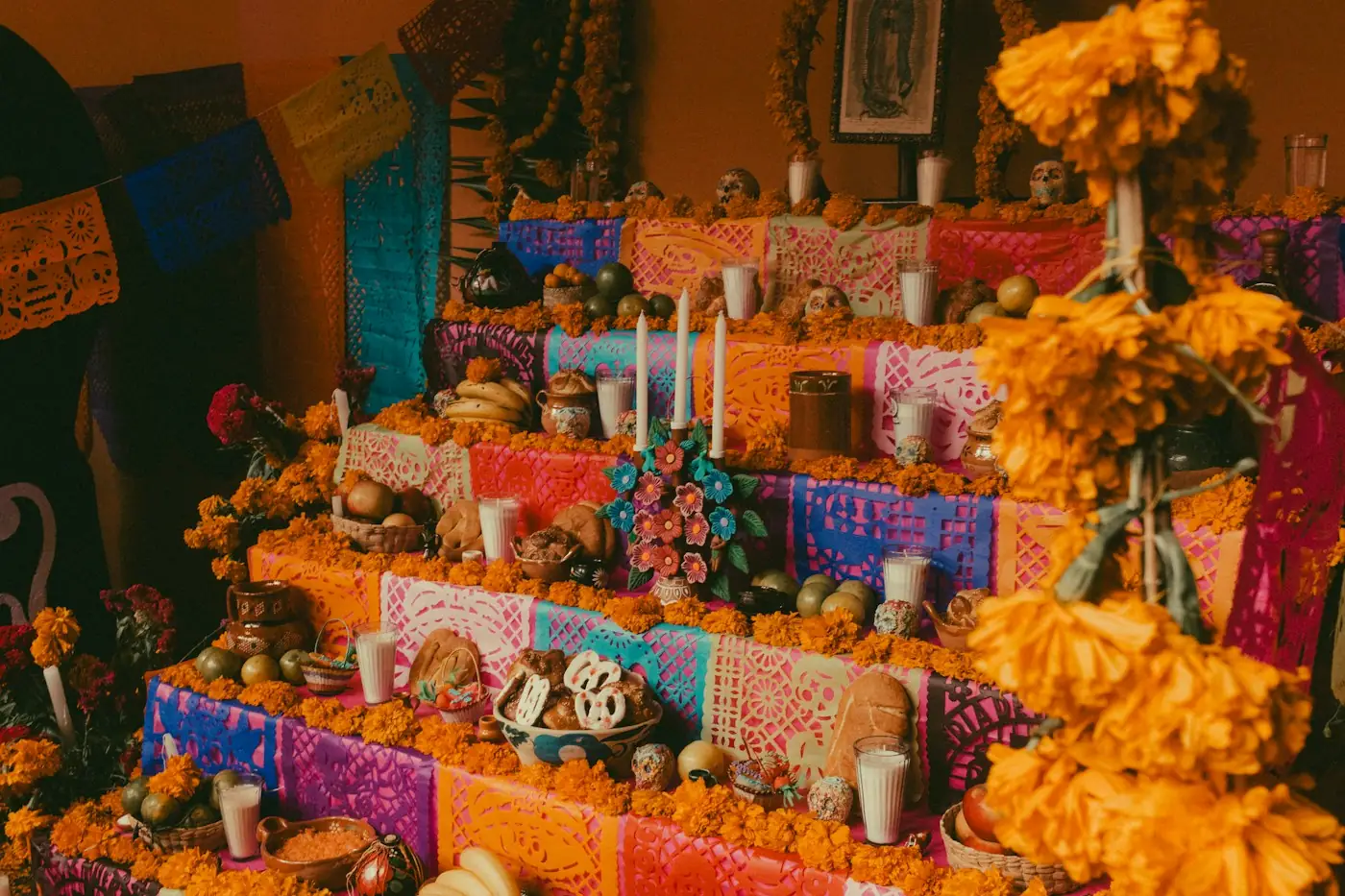
Prepare large, child-safe materials: paper, crayons and picture cards. Avoid small beads, dried beans or other loose items with young children, and use large paper counters instead. When you make a home version, call it your version and say where the idea comes from; it is not a replacement for what someone else's family plays. Allow time for questions about words and customs, and write down any Spanish terms with their meaning. If you are learning more about Mexican traditions through the year, these Day of the Dead activities offer a respectful starting point for that celebration.

Ideas to try together
Picture lotería at home
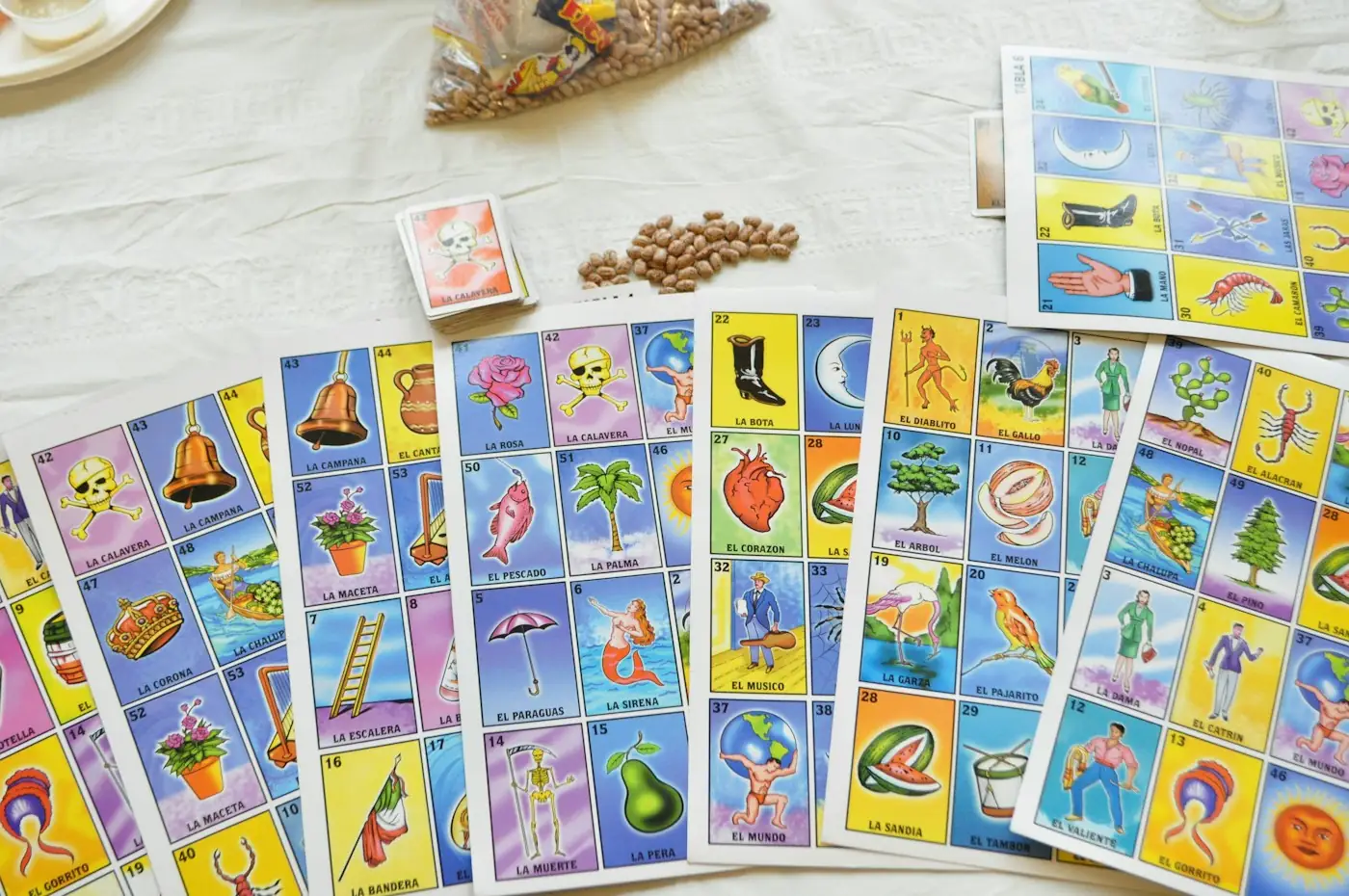
Lotería is a well-known Mexican picture game in which a caller names images and players mark them on their boards. Playing a home version with your own drawings lets children practise matching pictures to words, as long as you explain that it is an adaptation inspired by the game.
 You’ll need
- Plain paper cut into 12 or more large cards
- Crayons
- A few 4-square or 6-square boards on card
- Large paper counters or flat buttons
How to do it
- Read a children's description of lotería or ask a willing family member how they play it.
- Draw a simple picture on each card, such as a sun, a fish or a boat.
- Draw the same pictures in different arrangements on each board.
- Take turns being the caller, holding up a card and saying its name or a small riddle.
- Players place a counter on a matching picture on their board.
- Finish when someone fills their board and talk about the version you made.
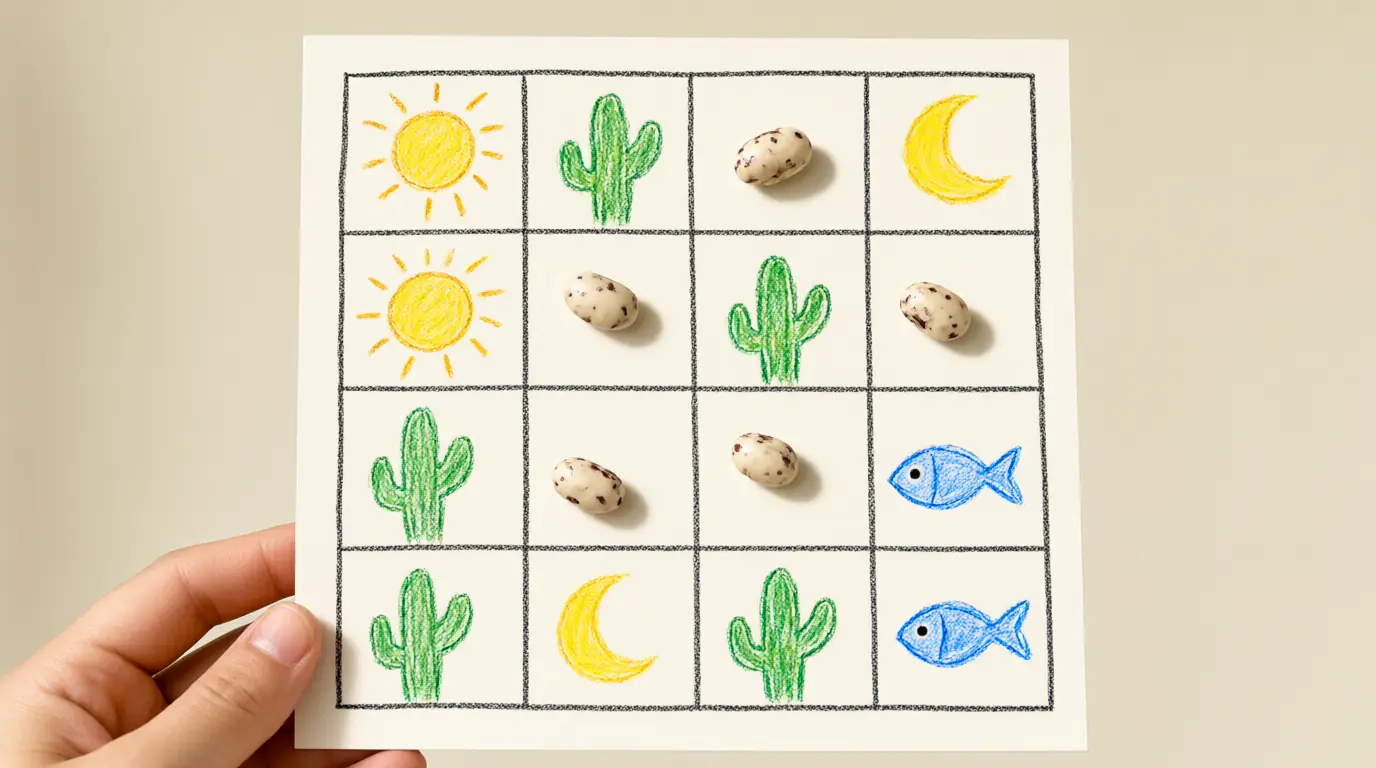
Make it your own: Younger children can play with three pictures and match cards directly. Older children can add Spanish words under the pictures, with help from a dictionary or fluent speaker.
Try a describing game
Many communities play guessing games where one person describes something and others try to name it. If someone in the family speaks Spanish, they can introduce words in the language, with their meaning, and children learn that games and language move together.
You’ll need
- 6 to 8 picture cards of everyday things
- A cloth bag or small box
- Paper and crayons
- A Spanish picture dictionary (optional)
How to do it
- Choose picture cards of familiar things, such as a house, a dog or a sun.
- Put them in a bag and let one player pull out a card without showing it.
- The player gives a clue about the picture in simple words.
- The others guess until someone names the picture.
- Add the Spanish word if a speaker is present, and say it twice together.
- Swap roles and play another round.
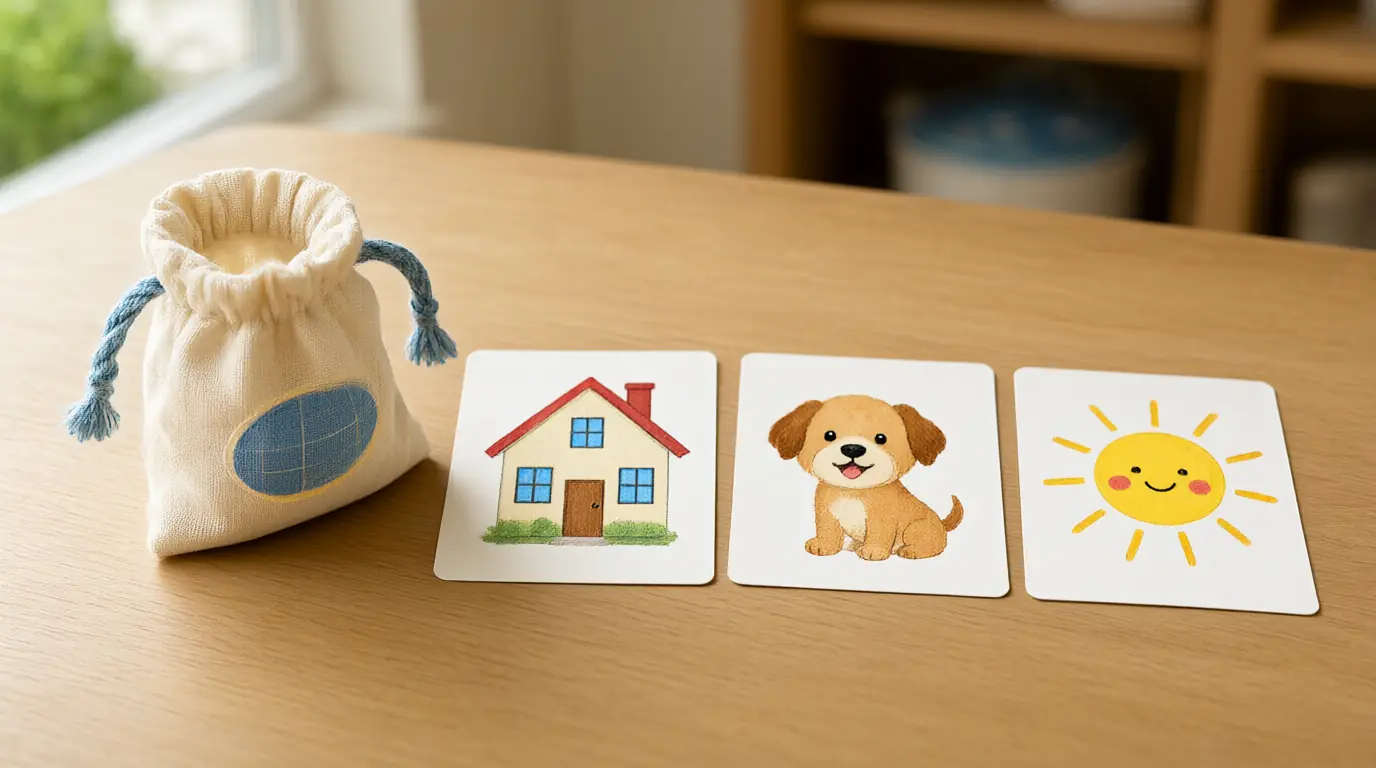
Make it your own: Younger children can play with three cards and give one-word clues. Older children can try clues without naming colours or sizes, or play in a mix of two languages.
Ask about a childhood game
A grandparent or neighbour may remember a game they played as a child, and listening to their account teaches children that play has a history. Asking permission, noting the source and drawing the setting make it a respectful piece of family storytelling.
You’ll need
- A willing adult who remembers a game
- Paper and crayons
- A notebook for recording the rules
- A few simple objects to practise with
How to do it
- Ask the person if they would like to tell you about a game they played as a child.
- Listen to the rules and ask where and with whom they played it.
- Draw a picture of the place, such as a street, a yard or a school.
- Practise one simple round together, following their rules.
- Write down who taught the game and where it comes from.
- Thank them and ask whether they would like to teach another one.
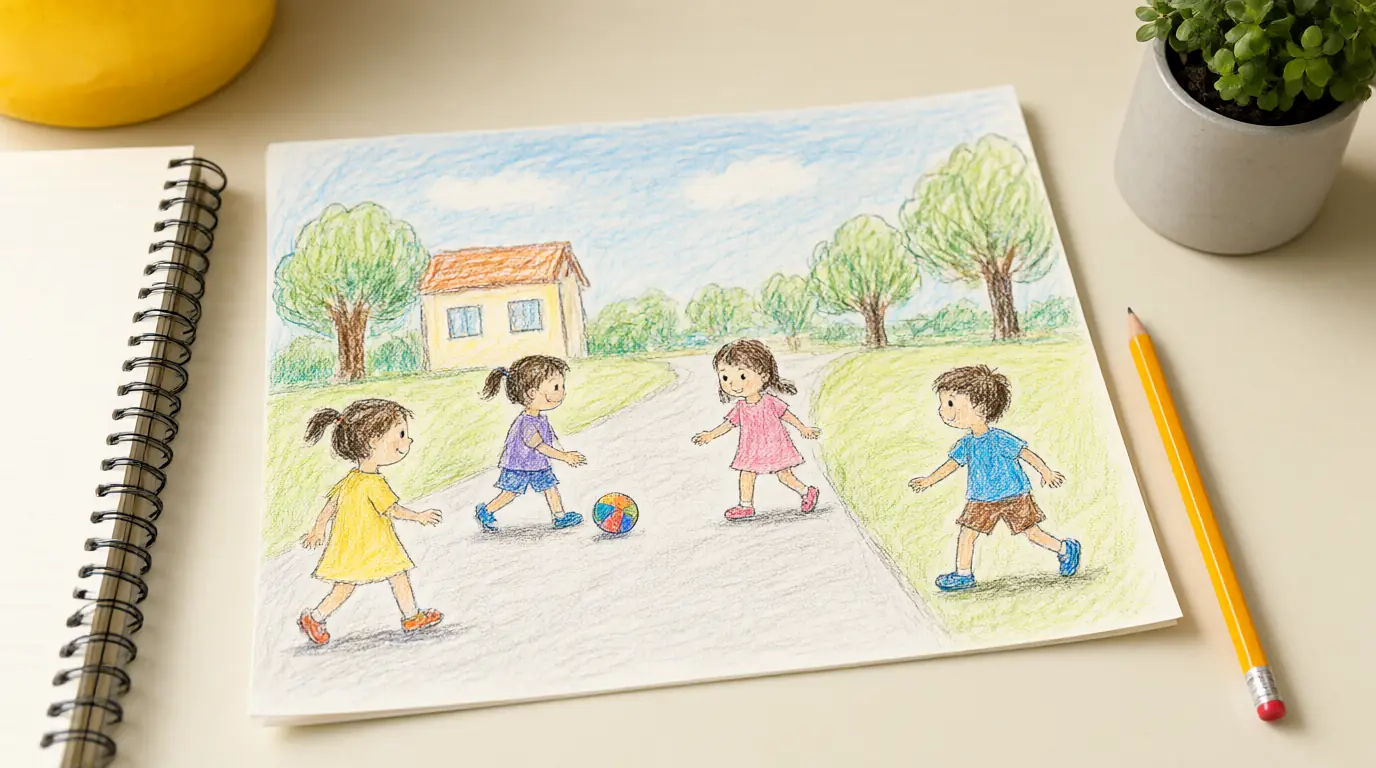
Make it your own: For younger children, focus on watching and joining in one round. Older children can write or draw a rule card with the helper's name and keep it with their games.
Compare changing rules
Comparing two versions of a game children already know shows that rules vary naturally and that tradition and change go together. Children often assume there is one correct way to play, so hearing a different household's rules, and noticing what stays the same, is a gentle lesson in how games travel between people, places and generations.
You’ll need
- A game your child already plays, such as tag or hide and seek
- A friend or relative who plays a different version
- Paper with two columns
- Crayons
How to do it
- Choose a familiar game your child likes.
- Ask your child to describe how they play it and note the rules on the left side of the paper.
- Ask someone else, in person or by phone, how they play it.
- Write or draw those rules on the right side.
- Look at the two lists and find one thing that is the same and one that is different.
- Try playing with the other version once and decide which parts you like.
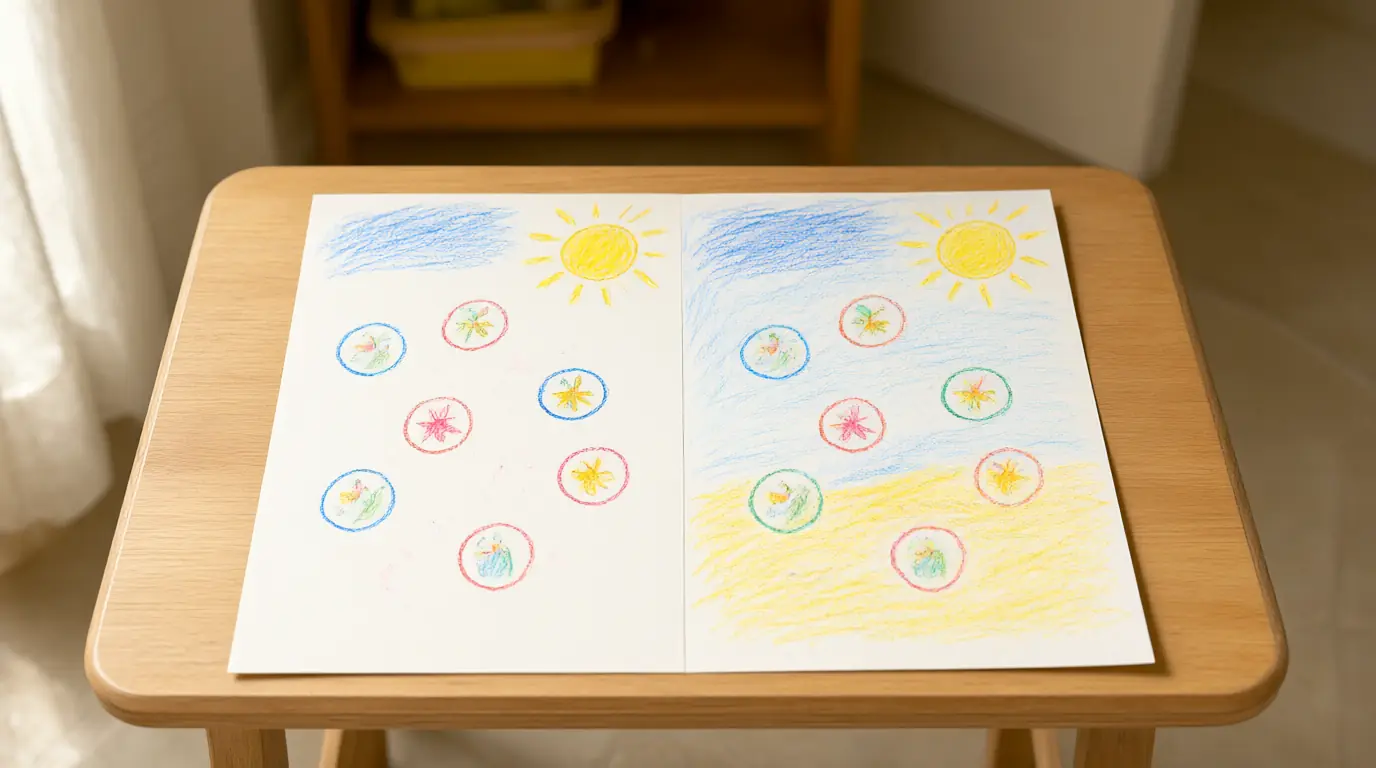
Make it your own: Younger children can compare using pictures or actions instead of words. Older children can decide on a mixed version and explain how it works.

Make it work for your family
Credit the tradition and say what you do not know. If your child asks whether a rule is right, answer that different families play it differently and ask what the person who taught you does. Avoid costumes, accents or props that turn a living culture into a stereotype, and let children from Mexican families lead if they are present.
If you do not have a family connection, borrow children's books and recordings from a library, or visit a local cultural event. Describe your own homemade materials as an adaptation and keep your first round short. Share what you learned with the person who helped you. If you want a bigger project later, you can follow with a look at geography games to find Mexico on a map or some vocabulary games for the new words.

Parents also ask
What are some traditional Mexican games for children?
Lotería, a picture-calling game, is perhaps the best known. Others include the piñata at celebrations, singing games and various street and playground games. Names and rules differ by region and family, so ask someone who plays them for their version.
How can I teach Mexican games without being from Mexico?
Use reliable sources such as children's books or cultural centres, ask people who know the games, and say clearly that you are learning. Describe homemade versions as your adaptation, and credit where the idea comes from. Respect and curiosity matter more than perfection.
Is lotería suitable for young children?
A simplified picture version works well from about four years old, with a small board and large pictures. Original sets include pictures and verses that some families use to introduce Spanish words, so check the cards for age suitability first.
Sources & further reading
Explore these primary sources for further context on this topic.
Choose materials and activities that suit your child, supervise as needed and adapt the ideas to their interests and abilities. About our editorial approach