Weebou Editorial Team
 7 min read
 In this article
A little preparation
Sit facing each other on the floor or at a table, close enough to see hands clearly but with some personal space. Start with one slow movement and a pause, then wait for a response, because young children often need a moment to decide. Let each child choose whether to touch, copy or just watch. Avoid pulling fingers into positions, and take care with small hands that tire quickly, giving breaks every minute or two.
Choose a calm moment, such as after a snack or before a bedtime story, and keep the pace slow. If you use fabric or cards, keep cloth away from mouths and necks and put away anything small enough to swallow. Show a movement first, then invite your child to invent one for you to copy. Games last best at two to five minutes; stop when interest fades. For a more musical variation, see clapping patterns for shared rhythm and singing games with turns.

Ideas to try together
Mirror hands
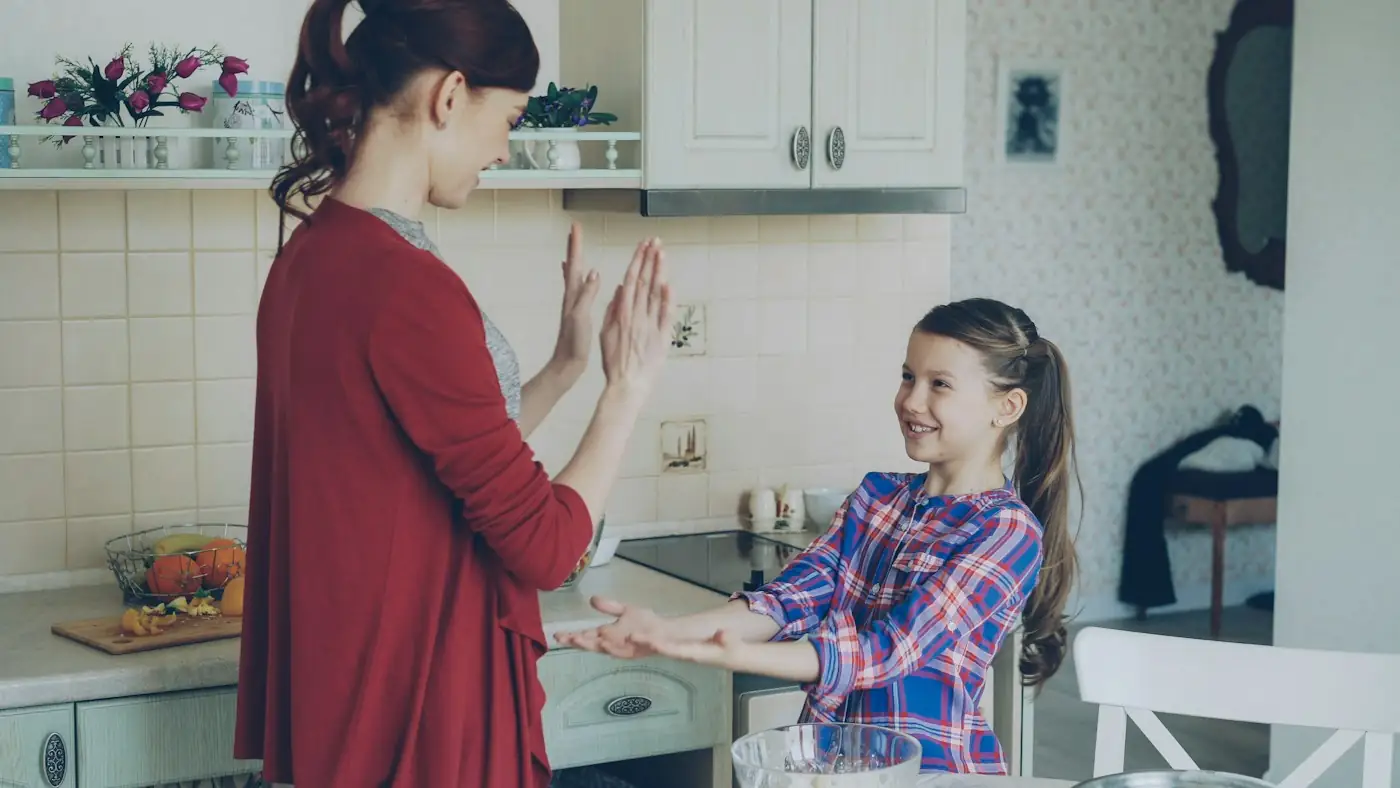
Mirroring turns a pair of hands into a quiet conversation. One person makes a slow movement and the other copies it, then they swap. No touching is needed, and a partner can watch before joining. The game builds attention and gently shows children that they can lead as well as follow.
 You’ll need
- Two chairs or cushions facing each other
- A calm, quiet space
- A scarf for the leader (optional)
- A soft light
How to do it
- Sit facing each other and hold your hands up where your child can see them.
- Make one slow movement, such as a wave or a finger spread.
- Wait until your child copies it, or offers a different one.
- Copy your child's new movement.
- Take turns leading for four or five movements each.
- Finish with both hands resting on your knees.
Make it your own: Younger children can copy a single big movement. Older children can build a short sequence of three movements for you to repeat in order.
Finger weather
Fingers and hands become rain, wind and clouds, which gives movements a story. Because every child can imagine weather in a different way, there is no wrong answer. It is a lovely quiet game for rainy days and works well for linking movement with vocabulary.
You’ll need
- Your hands
- A lap or table to tap on
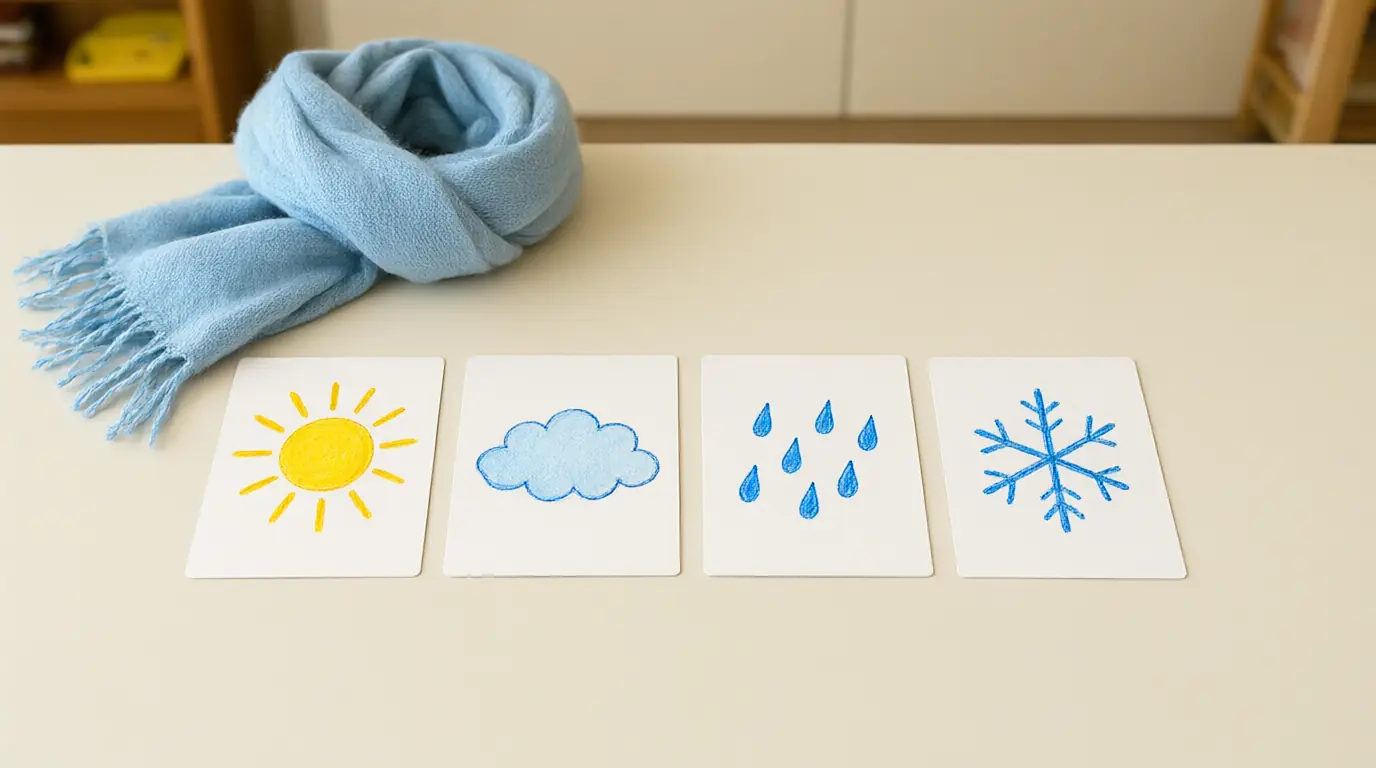
- A blue scarf for rain (optional)
- Picture cards of weather
How to do it
- Tap fingers lightly on a lap or table to make soft rain.
- Slide hands slowly through the air to make clouds.
- Ask your child to invent sunshine with their fingers.
- Add a gentle breeze by waving your hands.
- Invent a gesture for snow, thunder or fog together.
- End with a calm, sunny moment: hands open and still.
Make it your own: Younger children can copy one weather at a time. Older children can tell a short weather story and use their hands to act it out.
Gesture story
Each picture gets its own hand gesture, and then the gestures are combined into a tiny story. It encourages imagination and gives a way into storytelling for children who prefer movement to words. They may point to the pictures rather than speak, which makes it flexible for a range of ages and abilities.
You’ll need
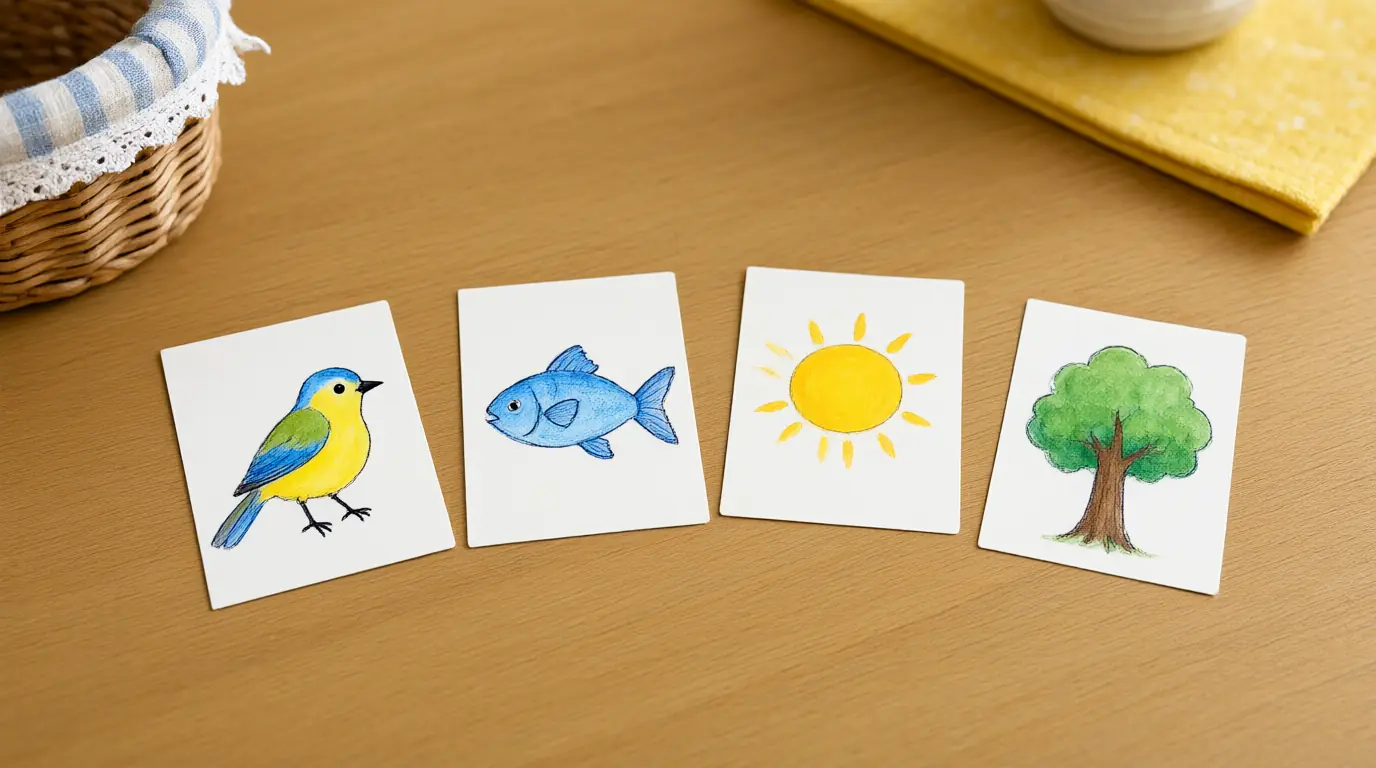
- 4 or 5 picture cards of animals or actions
- A small basket
- A flat surface for laying out the cards
- A cushion to sit on
How to do it
- Draw a card and invent a hand gesture for it together.
- Draw a second card and invent a second gesture.
- Perform both gestures in order to tell a two-part story.
- Add a third card and make the story longer.
- Try the story again at double speed, then very slowly.
- Invite another person to guess the story from the gestures alone.
Make it your own: Younger children can use a single card. Older children can make a story with a beginning, middle and end using four cards.
Pass the rhythm
A short rhythm made with lap taps and claps is easy to remember and easy to change. Leaving a pause lets a partner answer, which turns the game into a back-and-forth. Changing just one sound at a time keeps it simple, and children learn that small changes can make a new pattern.
You’ll need
- Your hands
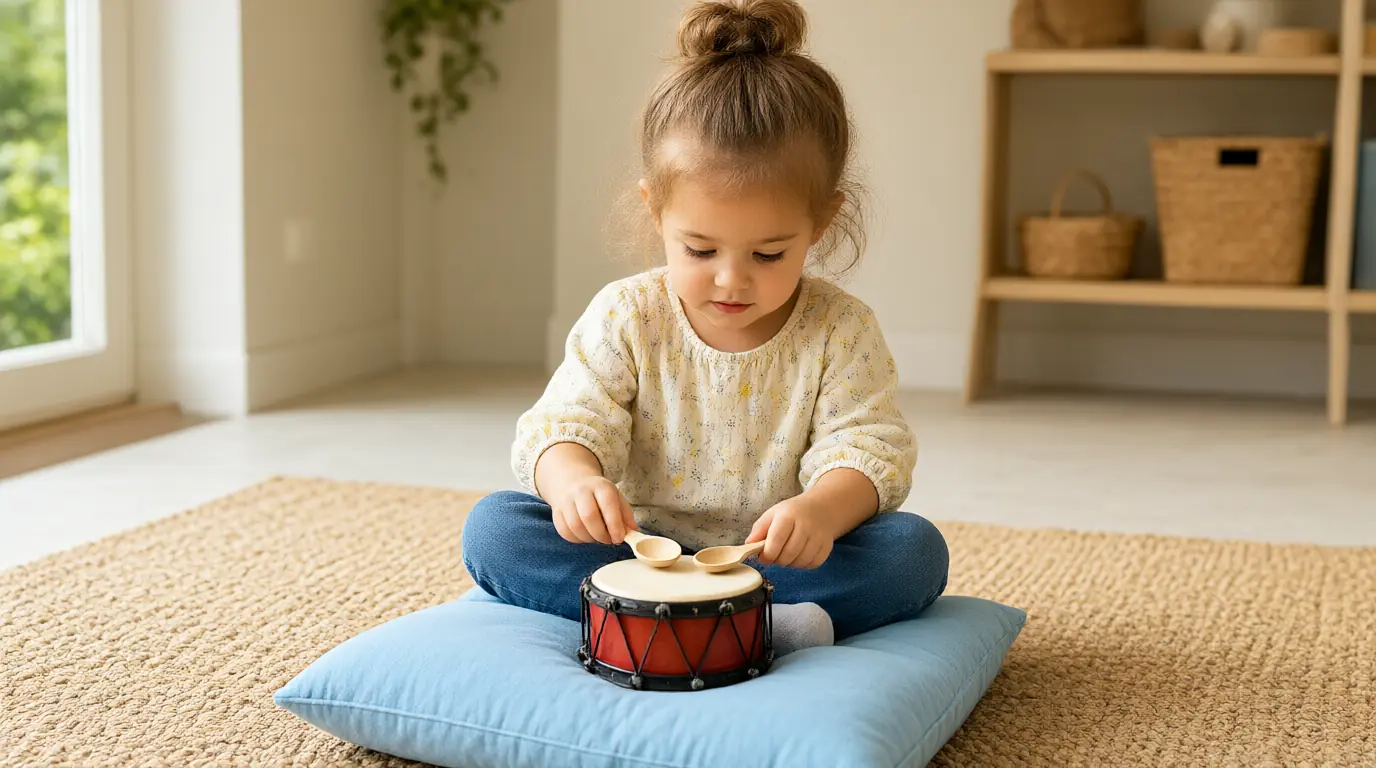
- A soft cushion or lap
- A small drum or wooden spoon (optional)
- A quiet space
How to do it
- Make a short pattern: tap, tap, clap.
- Pause and wait for your partner to repeat it.
- Change one sound, such as tap, clap, clap.
- Let your partner answer with the new pattern.
- Take turns changing one sound each.
- Lower the volume to a whisper for the last round.
Make it your own: Younger children can repeat one tap. Older children can make a four-beat pattern and keep it going in a loop.
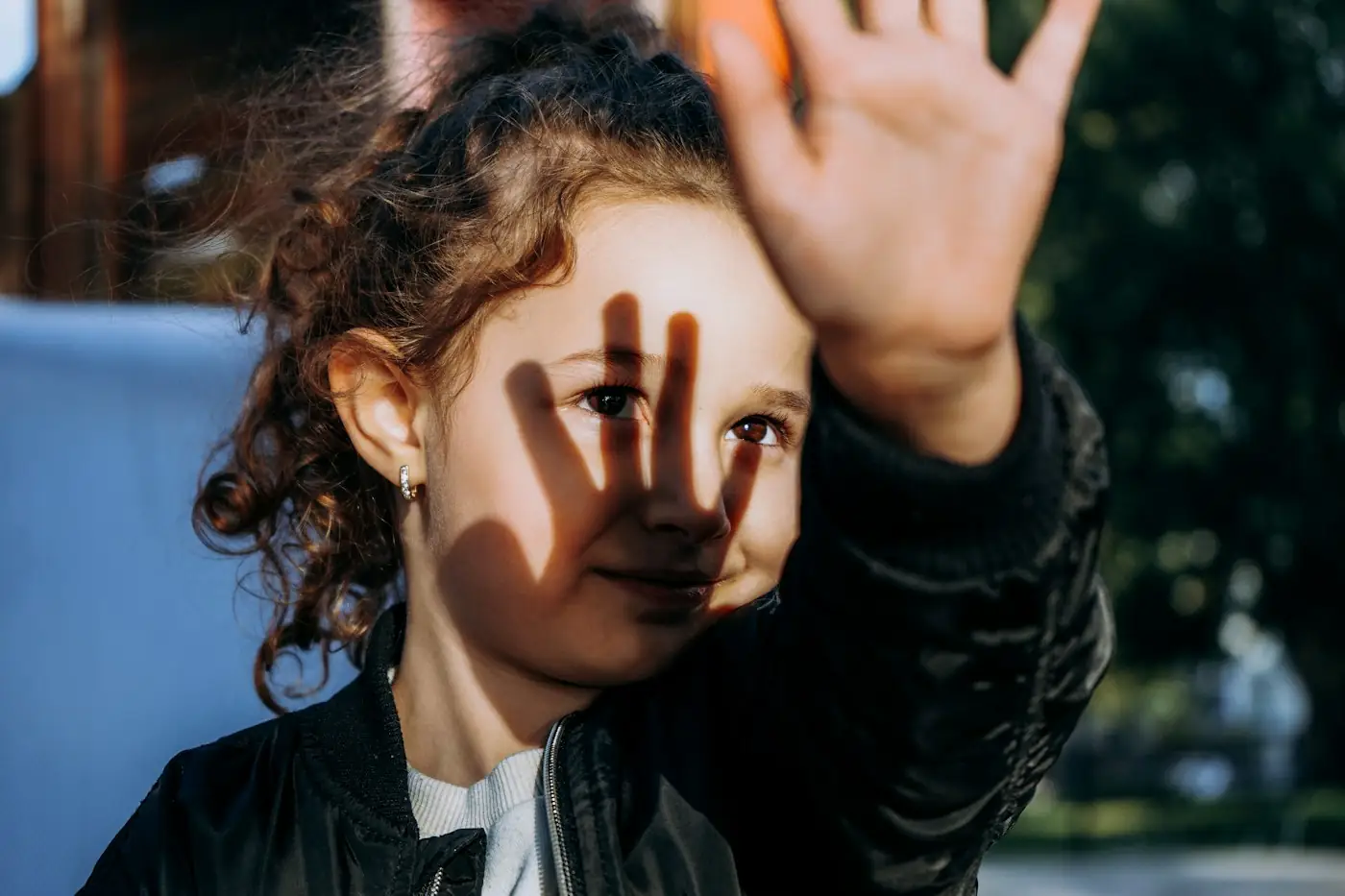
Draw around hands and make a picture
Tracing a hand on paper turns a game into a drawing. Children see the shape of their hand and decide what it becomes: a tree, a bird, a sun or a monster. It combines fine-motor control with imagination, and the finished outline can be kept or added to later.
You’ll need
- A large sheet of paper
- A thick crayon or marker
- Colouring crayons
- A damp cloth for wiping hands
How to do it
- Ask your child to spread their hand flat on the paper.
- Trace around it slowly with a crayon.
- Look at the shape and say what it could become.
- Add eyes, leaves or feathers with crayons.
- Trace your own hand next to theirs and compare the sizes.
- Choose a place to display the picture.
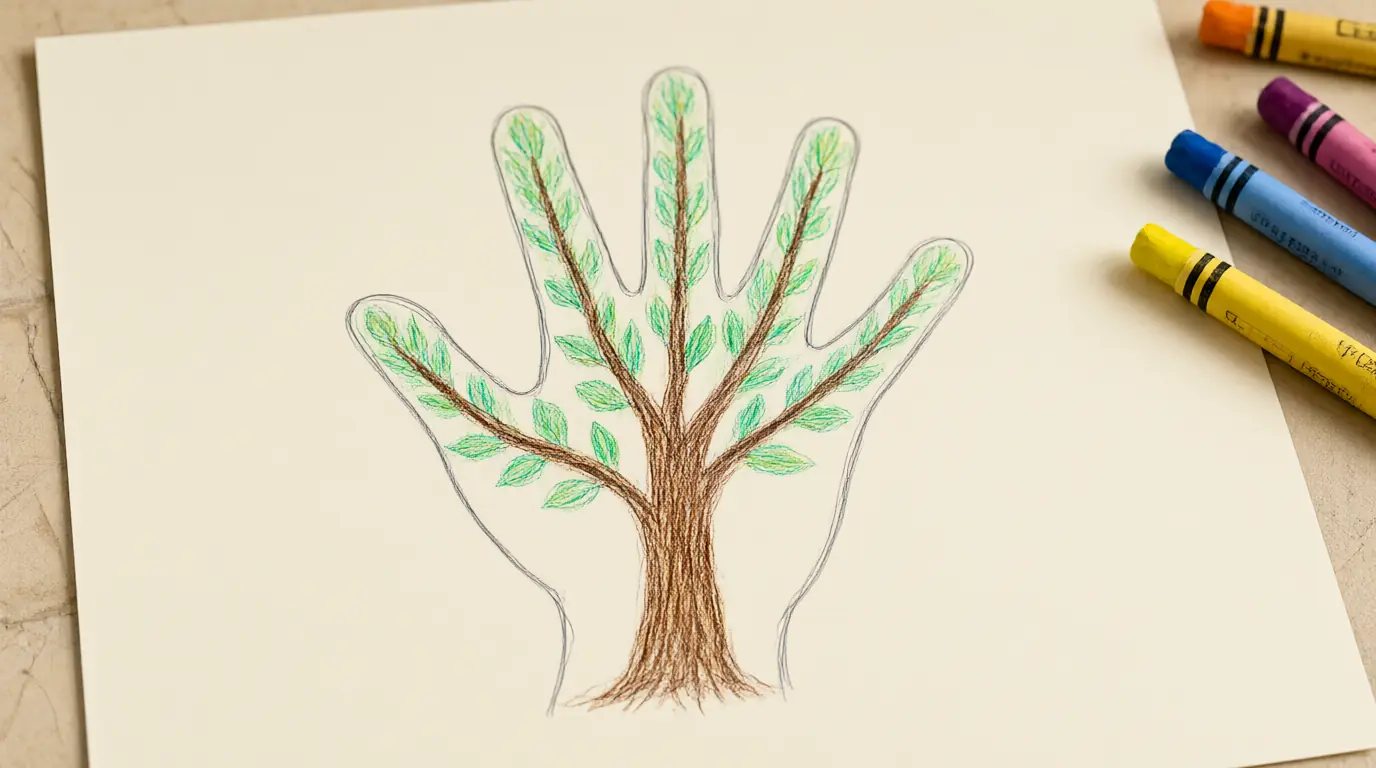
Make it your own: Younger children can scribble inside the outline. Older children can trace both hands and make a pair of wings or a creature with two heads.

Make it work for your family
Copy your child's gestures as often as they copy yours. That turns the game into a conversation, and children who rarely speak often communicate a lot through their hands. If an action feels awkward, replace it with a wave, a tap or something they already enjoy. A child who closes their hands or pulls away is giving a clear message; stop, wait and offer a different movement.
Hand games are also helpful when you need a small calming activity, but do not use them as a requirement for good behaviour. Keep sessions short and predictable, and pair a familiar pattern with a new twist each time. For children who like to make things with their hands, you might also try these first scissor activities with simple materials or fine-motor activities using everyday materials.

Parents also ask
What are good hand games for toddlers?
Toddlers enjoy copying simple movements such as waving, tapping and clapping, and singing short songs with hand actions. Keep the movements slow and repeat them often. Let your child choose whether to touch hands, and follow their lead if they invent a new action.
Do hand games help with fine motor skills?
They can give hands and fingers practice with control, copying and coordination, especially when combined with drawing or tracing. They are not a replacement for professional advice, so if you have concerns about your child's hand use, speak to your doctor or health visitor.
How can I include a child who does not like touching?
Choose games that do not need touch, such as mirror hands, finger weather and gesture stories. Let the child watch first and set the distance. Offering a scarf, a drum or a card to hold can give them something to do with their hands without contact.
Choose materials and activities that suit your child, supervise as needed and adapt the ideas to their interests and abilities. About our editorial approach