7 min read

 In this article
A little preparation
Before you start, explain the aim in one sentence and show one turn. Say where the game ends, how a player can pass and what the stop signal is. Choose a clear area with no sharp furniture, mark the boundary with tape or a rope laid flat and keep a quiet corner for children who need a rest. Prepare the materials so nobody waits long; a game that starts within two minutes of the explanation keeps attention.
Watch how children join, not only whether they do. Some will step in at once, others will watch for a while, and a few will prefer to give out materials or hold the picture cards. Give each role a clear name and rotate them so no child is stuck in one. Smaller groups of four to six work best for under-fives; with more children, run two games side by side. For ideas on a gentle first day with a new group, see icebreakers for children getting to know each other.

Ideas to try together
Build a shared box station
A big box and a pretend purpose give a group something to make together. Children choose jobs that suit them, such as cutting, drawing windows, testing the door or telling the story of who lives there. The shared goal means there is no winner, and different kinds of contribution all matter.
 You’ll need
- 2 or 3 large cardboard boxes
- Tape and child-safe scissors for an adult
- Crayons and markers
- Paper for signs and pictures
How to do it
- Choose a pretend station together: a shop, a rocket, a train or a vet clinic.
- Ask each child what job they would like, such as drawing, taping or naming.
- Let an adult cut any openings and smooth the edges.
- Add details: windows, a door sign, a ticket box.
- Try the station out with a toy or a pretend customer.
- Talk about what the station needs next and who will do it.
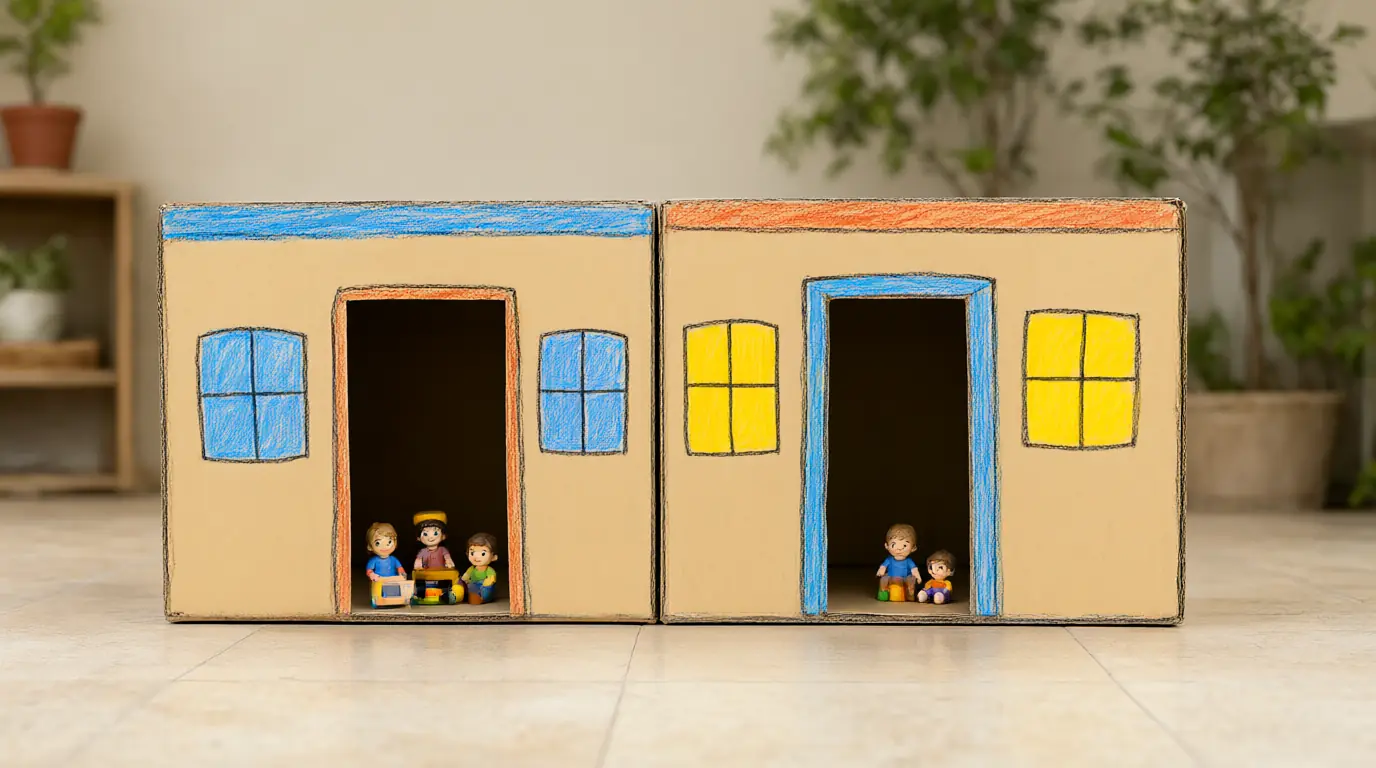
Make it your own: Younger children can paint or stick shapes on the boxes. Older children can draw a plan first and divide jobs on a chart.
Team picture hunt
A picture hunt gives the group a shared task: find all the cards and put them together. Because the cards are placed in a safe area, children can look at their own pace, and no one needs to grab. The completed scene is the reward, and the game ends when everyone agrees it is finished.
You’ll need
- 10 to 12 large picture cards that fit together into one scene
- A play mat or large piece of paper
- Tape or pegs
- A basket
How to do it
- Hide the cards in an agreed, safe area at child height.
- Explain that you are looking for pieces of one big picture.
- Children collect cards in the basket and bring them to the mat.
- Place the cards together and talk about what the scene shows.
- Ask which pieces are missing and where they might be.
- Celebrate when the picture is complete and tell its story.
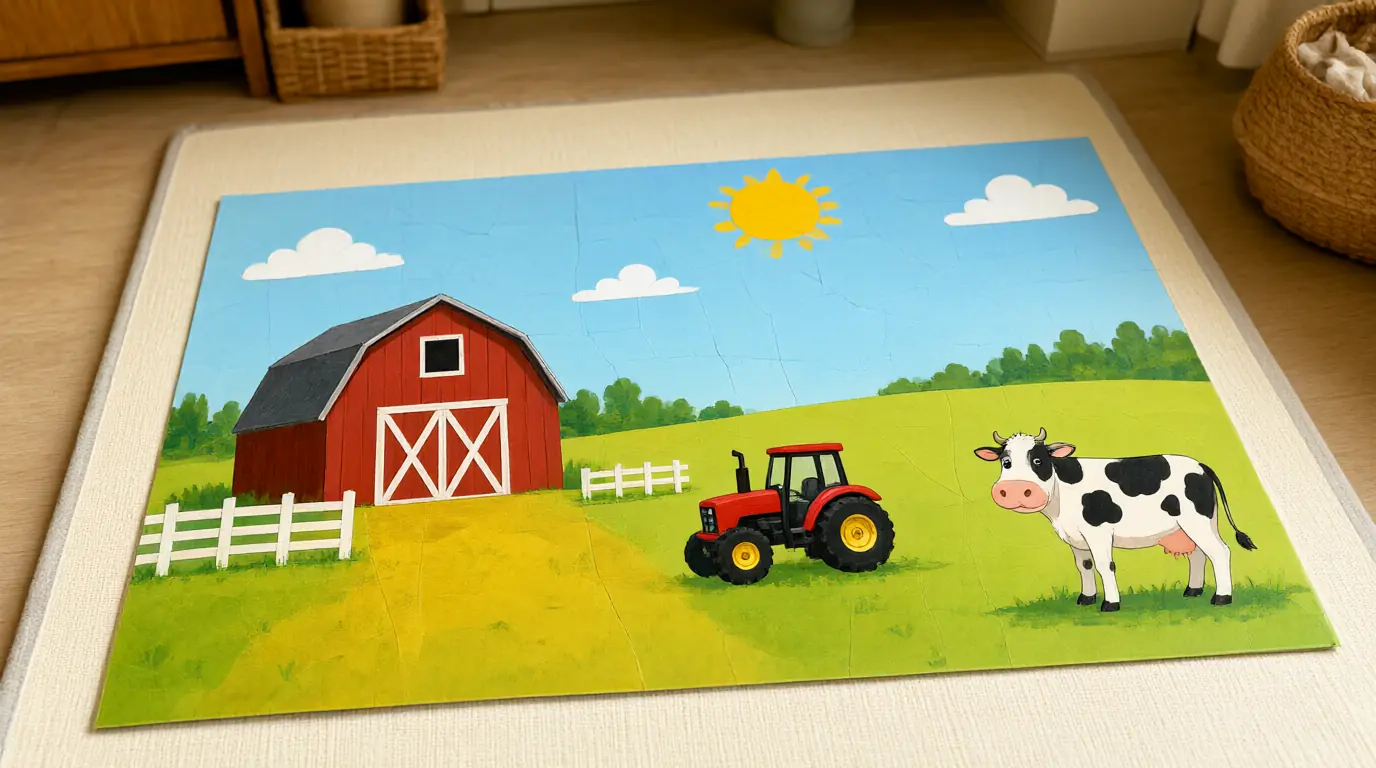
Make it your own: Younger children can find only four cards and match them to a sample. Older children can read clues for each card or draw their own missing piece.
Story role rotation
Building a story together lets children offer very different things: an idea, a sound, a character or a setting. Rotating roles gives quiet children a way in and stops the loudest voice from leading every time. The group can use props or pictures to help, and a child may keep one favourite role if they like it.
You’ll need
- Picture cards of characters and settings
- A basket or bag to draw from
- A small bell or shaker
- A cushion to sit on
How to do it
- Sit in a circle and pull one character card from the bag.
- Ask a child to say or point out what the character is doing.
- Pass the bag and add a setting card.
- Another child adds a sound with the bell or their voice.
- Keep going until the story has a small ending.
- Retell it together in one sentence.
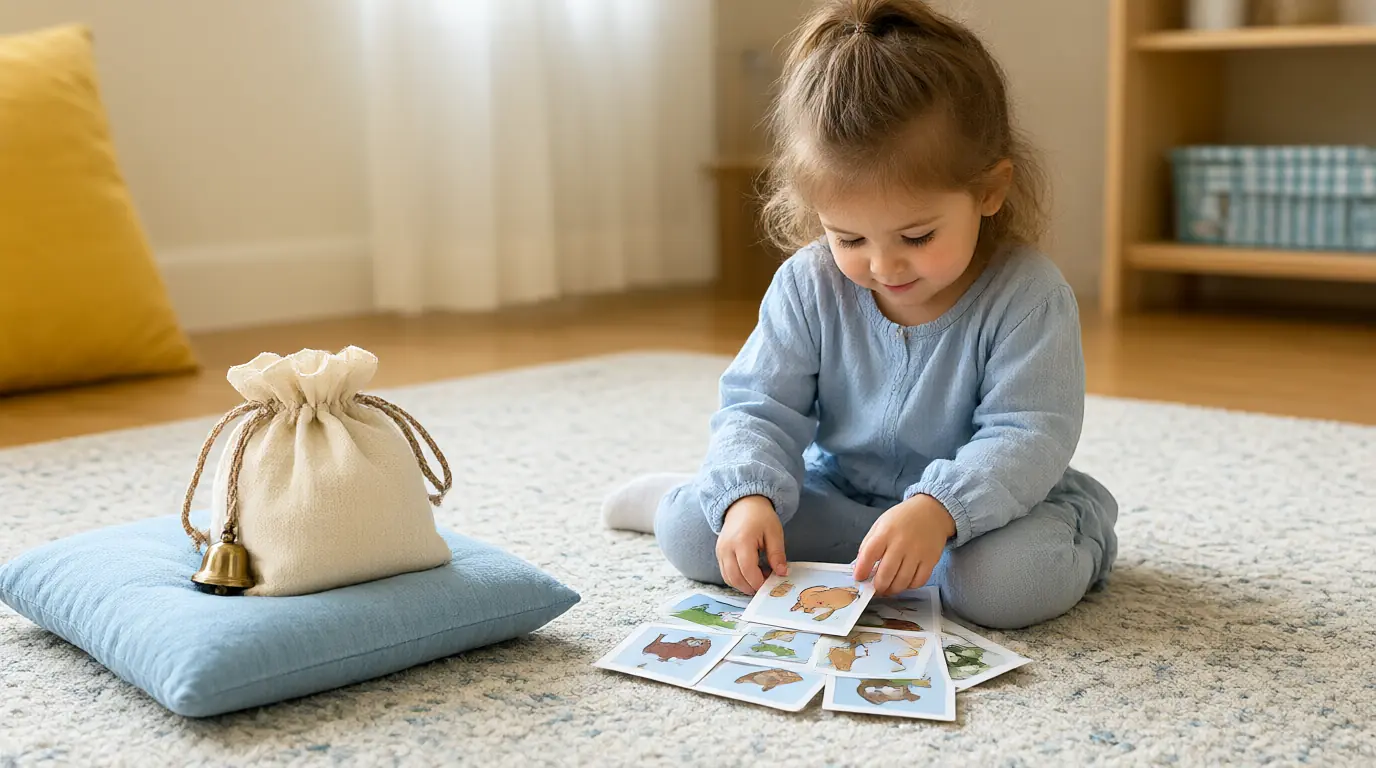
Make it your own: Younger children can point to cards instead of speaking. Older children can take turns narrating or introduce a small problem the group solves.
Cooperative target plan
A group target gives players a reason to share ideas: where should we stand, how should we throw, what could we change? Using wide baskets and soft balls keeps the game gentle and success likely. Counting the group's total, instead of each player's, turns the game into a shared goal.
You’ll need
- 3 wide baskets or boxes
- 10 soft balls or rolled socks
- Floor tape for a start line
- A piece of paper to record the group total
How to do it
- Place the baskets at different distances and mark the start line.
- Ask the group to choose a spot and a way to throw or roll.
- Play a round and count how many balls went in together.
- Talk about what to change: move closer, use a bigger basket.
- Play a second round and compare the totals.
- Celebrate the improvement, not any single player.
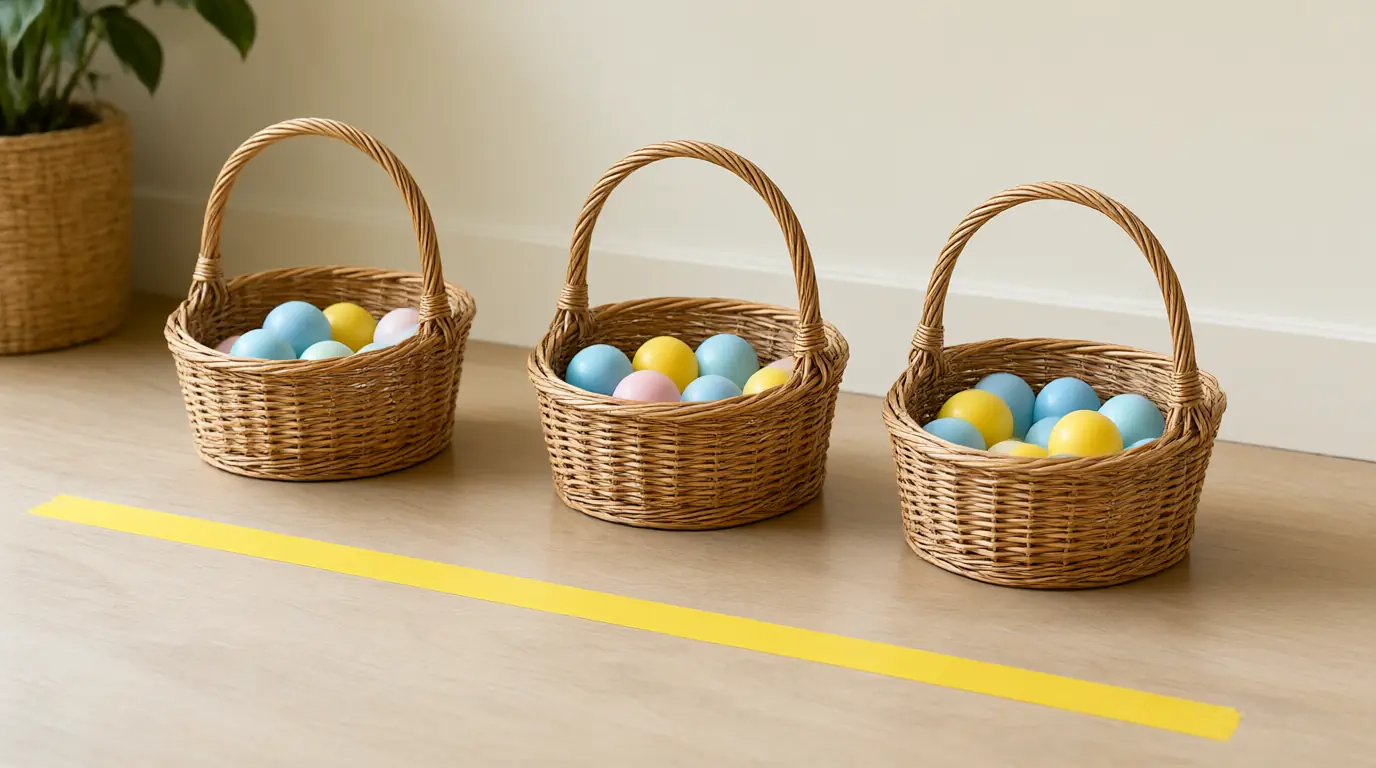
Make it your own: Younger children can roll balls from just in front of the basket. Older children can set their own target number and plan how to reach it.
Follow the leader with choices
A classic game becomes friendlier when the leader offers two or three simple movements and the group chooses. It also lets a hesitant child lead with a very small action, such as a wave or a nod. The leader changes every few moves, so each child has time to try.
You’ll need
- A clear floor space
- Three picture cards showing movements
- A scarf as a leader's sign
- A small bell
How to do it
- Show three movement cards, such as tiptoe, wave and stretch.
- The leader wears the scarf and holds up one card.
- The group copies the movement at their own pace.
- After three moves, the leader passes the scarf to someone else.
- Anyone can say "pass" or give the scarf back.
- Finish with everyone doing their favourite movement.
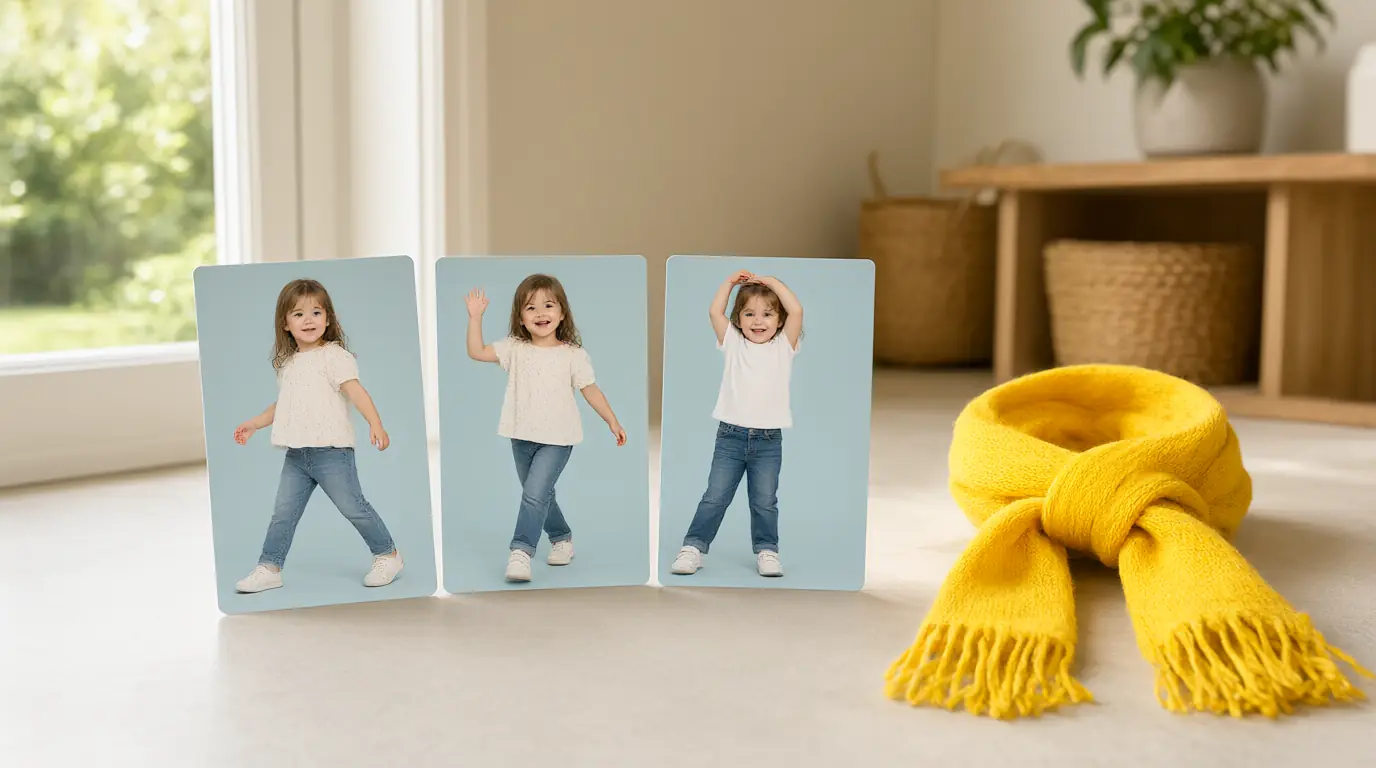
Make it your own: Younger children can lead with just one card. Older children can invent their own movements and add a sound.

Make it work for your family
If a game falls apart, shorten it, simplify the rule or give everyone a clear job. Avoid elimination: a child who is out early often has the longest wait and the least fun. Replace it with turns, points for the whole group or a shared goal such as filling a basket. If one child dominates, give them the role of explaining the rules, which uses the same energy in a helpful way.
After the game, ask what worked and what the group would change. Children often have good ideas about fairness and clearer rules. Keep a few go-to games in your head so you can switch when mood or numbers change. For a calm closing game, try a circle game with clear turns, and for building the shared habit, read about teamwork activities where every child has a role.

Parents also ask
How many children are best for a group game?
For children under five, groups of four to six are easiest to manage. Older children can handle larger groups if roles are clear. If you have more children than that, run two smaller games at once so nobody waits too long for a turn.
What if one child does not want to join in?
Let them watch first, offer a job like handing out cards or ringing the bell, and invite them again later. Some children join after seeing how the game works. Pushing can make them more reluctant, so keep the invitation open and low-pressure.
How do I avoid arguments about winning?
Play games with a shared goal, such as filling a basket together, or celebrate effort and teamwork. Avoid elimination, and agree on the rules before starting. If a disagreement happens, pause the game and let each child say what they noticed before deciding what to do.
Choose materials and activities that suit your child, supervise as needed and adapt the ideas to their interests and abilities. About our editorial approach