Weebou Editorial Team
 7 min read

 In this article
A little preparation
Explain the activity before starting and show it with another adult or a toy. Keep the group small, ideally four to six children, so no one waits too long for a turn. Sit in a circle or around a table where everyone can see and where a child can sit at the edge if they want to. Avoid questions about private family circumstances, bodies or anything that requires a child to disclose personal information.
Allow ten to fifteen minutes and use names naturally as you play. Do not require speaking, touch or remembering everyone's name on the first attempt. Let a familiar adult stay nearby, and make watching or passing an ordinary choice rather than a sign of failure. Some children join more comfortably once the game feels predictable, so a repeat session may feel easier than the first. If a child is very distressed in groups over a long period, talk to their teacher or doctor.

What to know and try
Picture introductions
Drawing a favourite thing is a gentle way to say who you are without having to speak first. Children can show the picture, ask an adult to describe it or keep it beside them, and shared interests often surface on their own.
 You’ll need
- A sheet of paper for each child
- Crayons in a shared tray
- Sticky tape or a board to display pictures
How to do it
- Say, 'Draw something you like to do', and show an example.
- Give children time to draw, with no talking required.
- Invite each child to show their picture, ask an adult to describe it or pass.
- Notice shared interests aloud: 'Two of you drew trains.'
- Tape the pictures to a wall or board.
- Ask who would like to add to their picture.
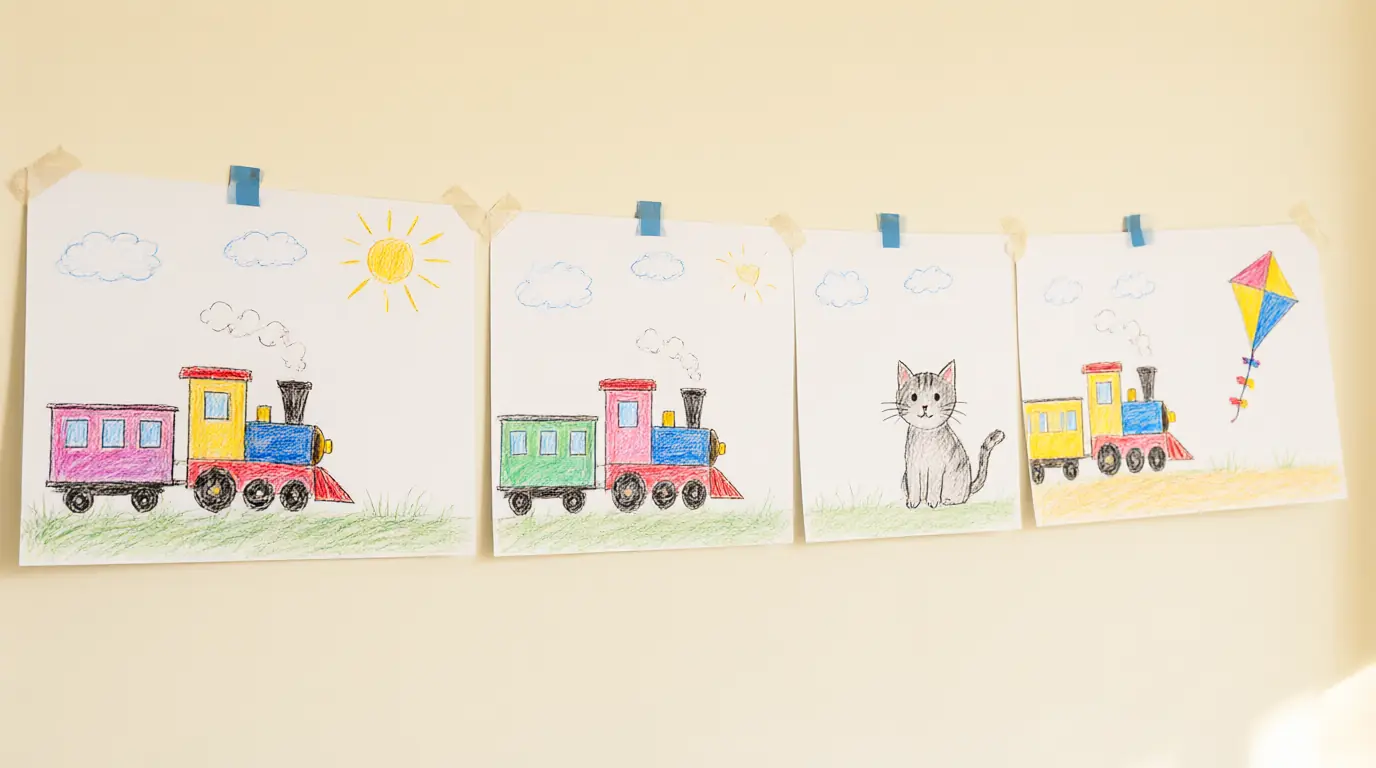
Make it your own: Younger children can draw a scribble and name it. Older children can add a second picture of something they would like to try.
Send a toy on a visit
A soft toy as a pretend visitor takes attention off the children and gives everyone a simple, shared goal. Choosing where it visits needs only a point or a name, and nobody has to hold the toy.
You’ll need
- A soft toy
- Three picture cards of places in the room, such as the book corner and the table
- A small bell or chime
How to do it
- Introduce the toy and say it is new and would like to explore.
- Show the place cards and ask, 'Where should it go first?'
- Let a child point or say a place and walk the toy there with you.
- Describe what the toy sees with a short sentence.
- Ring the bell and ask where it goes next.
- End by saying goodbye to the toy as a group.
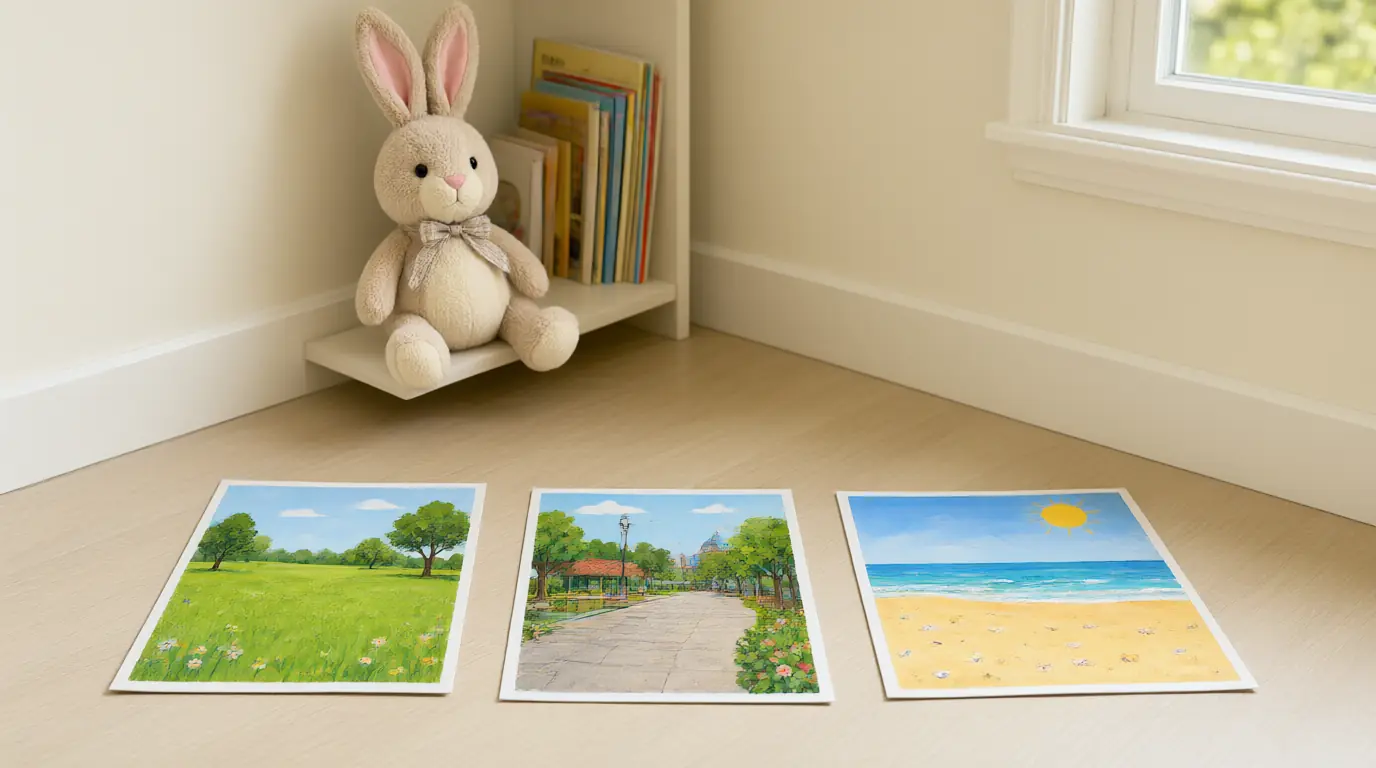
Make it your own: Younger children can follow the toy without choosing. Older children can lead the toy and decide what it says.
A group soundscape
Building a pretend rainy park from sounds lets each child add something small and optional, and hear it join the others. The result is a shared piece of work with nobody on the spot. A child who prefers to listen can choose when the scene ends, so every role feels like a real part of the group.
You’ll need
- A picture of a setting, such as a rainy park
- Optional shakers or a wooden spoon and pot
- A scarf to signal the end
How to do it
- Show the picture and say what you can hear in it.
- Add a gentle example, such as tapping fingers for rain.
- Invite each child to add one sound or movement of their choice.
- Combine them slowly, one at a time, into a scene.
- Let a child hold the scarf and lower it to end the scene.
- Say thank you and ask what they heard.
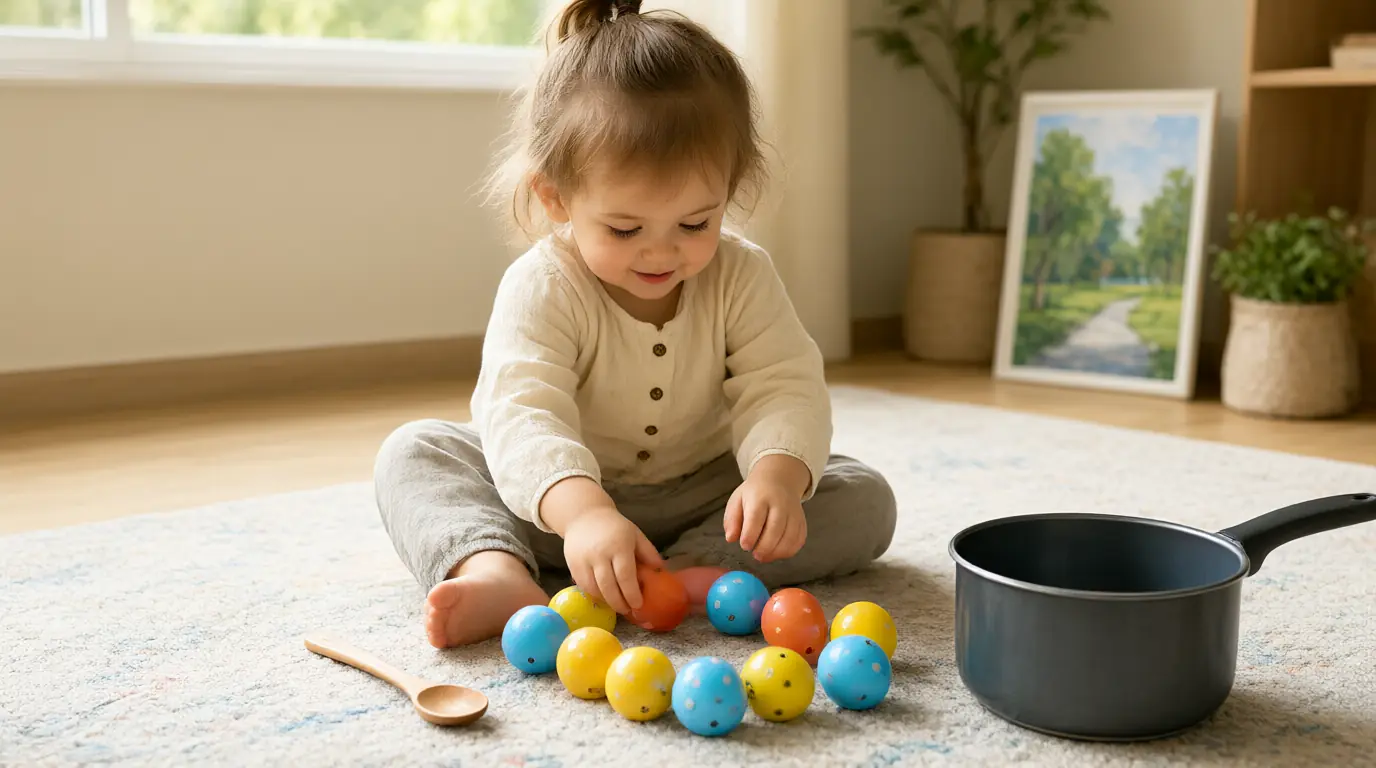
Make it your own: Younger children can add a clap or a hum. Older children can lead a section or choose a new setting.
Find a shared building idea
Building side by side lets children get to know one another through an activity rather than conversation. One child may build, another may hand over blocks and another may simply look, and all of these count as taking part.
You’ll need
- A tub of large blocks
- Toy animals or figures
- A flat mat or low table
How to do it
- Put the animals on the mat and ask what they might need.
- Invite each child to add one feature, such as a wall or a bed.
- Offer to hold a block for someone who wants it steadied.
- Describe what you see: 'You made a gate and you made a bridge.'
- Walk the animals through the build together.
- Leave the creation standing and ask who would like to add more tomorrow.
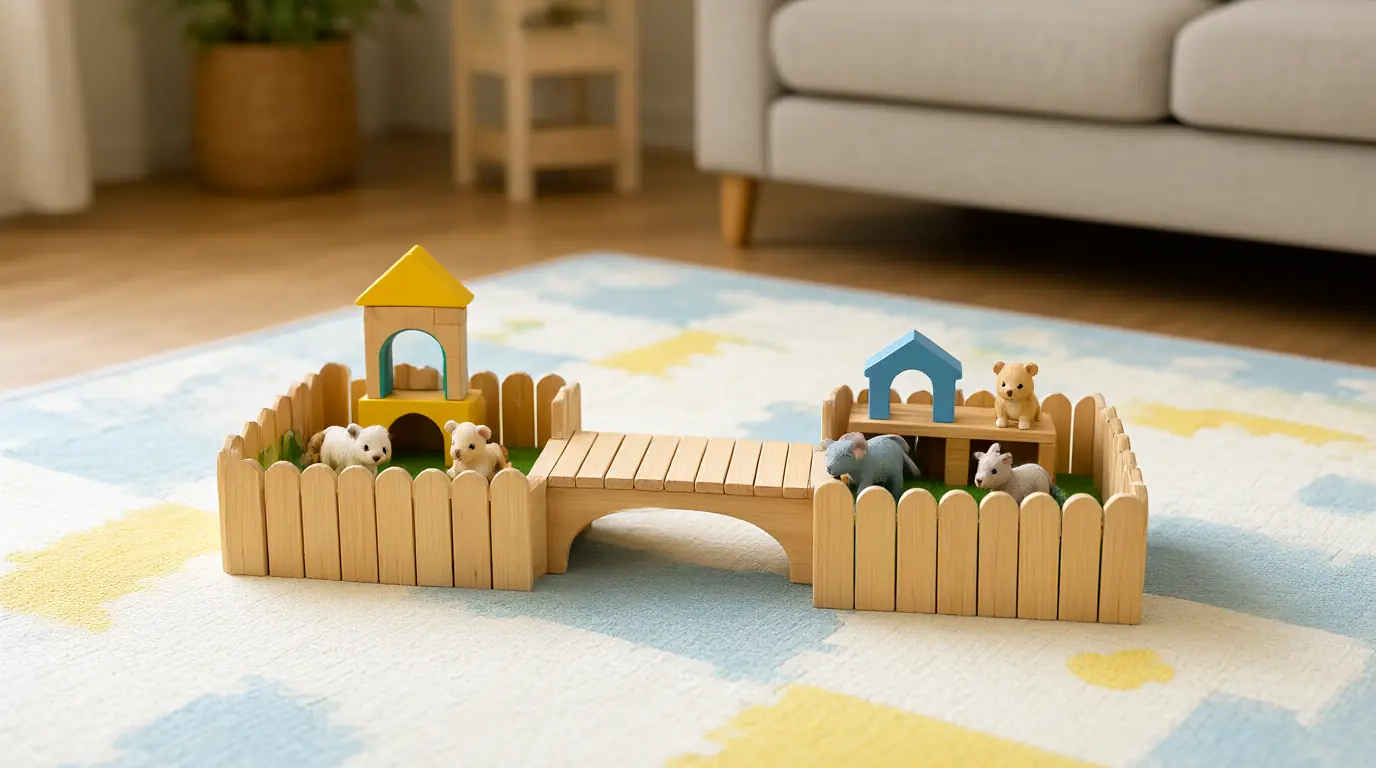
Make it your own: Younger children can place blocks beside the main build. Older children can plan the design together or decide a rule such as 'one block each'.
Pass the scarf
A light scarf travelling from hand to hand is an easy shared movement. Children can wave it, pass it or watch, and the game gives a gentle beat to the group without anyone being put on the spot.
You’ll need
- A light scarf or piece of cloth
- Soft music or a steady beat
- A circle of chairs or floor spots
How to do it
- Sit in a circle and show the scarf.
- Wave it gently and say your own name.
- Pass it to the child beside you, who may wave or just hold it.
- Continue around the circle at a comfortable pace.
- Skip anyone who prefers to pass without comment.
- End with a slow wave to the whole group.

Make it your own: Younger children can wave without saying a name. Older children can say a favourite colour or action with each wave.
Make it work for your family
Do not require speaking, touch or remembering everyone's name on the first attempt. Use names naturally as you play and allow a familiar adult to stay nearby. A child may join more comfortably once the activity itself feels predictable, so repeat favourites rather than constantly changing the game.
If a child declines, say 'That is fine, you can watch,' and move on without making a fuss. Notice when they edge closer, and invite again later. For more ideas on helping children play together, try name games for kids or a few social play ideas with choice and boundaries.

Parents also ask
What are good ice breaker games for shy children?
Games where a child can draw, point or watch rather than speak work well. Picture introductions and a visiting toy let shy children join at their own pace. Always make passing an acceptable choice.
How many children should be in an icebreaker game?
Four to six is a good size for 3- to 6-year-olds. Smaller groups mean shorter waits and give each child more chances to join in. With larger groups, divide into two circles with an adult each.
What if a child refuses to join in?
Let them watch from nearby and avoid pressing. Say, 'You can join whenever you like,' and keep the game predictable. Many children join after seeing it once or twice, and a familiar adult beside them may help.
Choose materials and activities that suit your child, supervise as needed and adapt the ideas to their interests and abilities. About our editorial approach