8 min read
 In this article
A little preparation
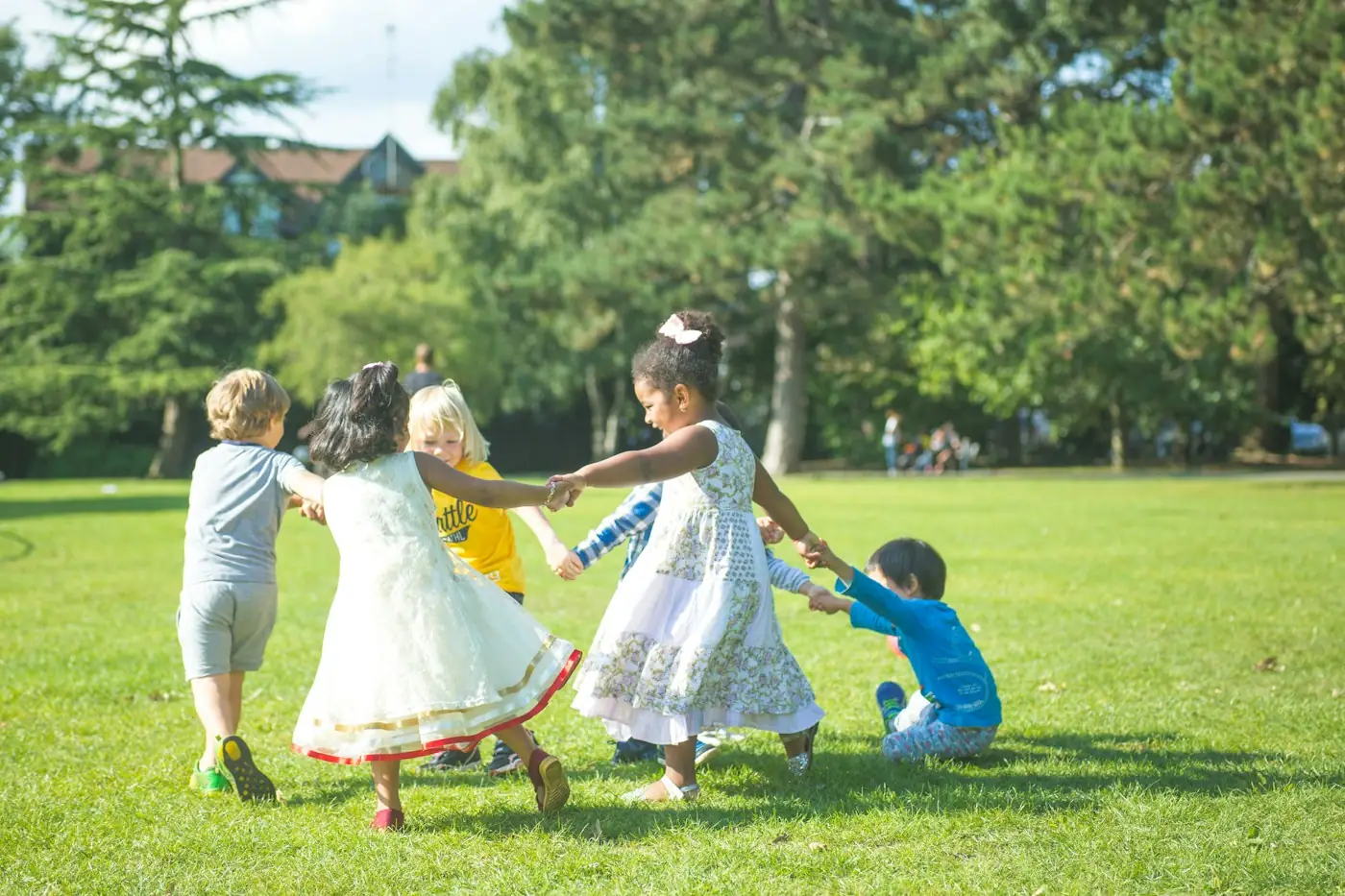
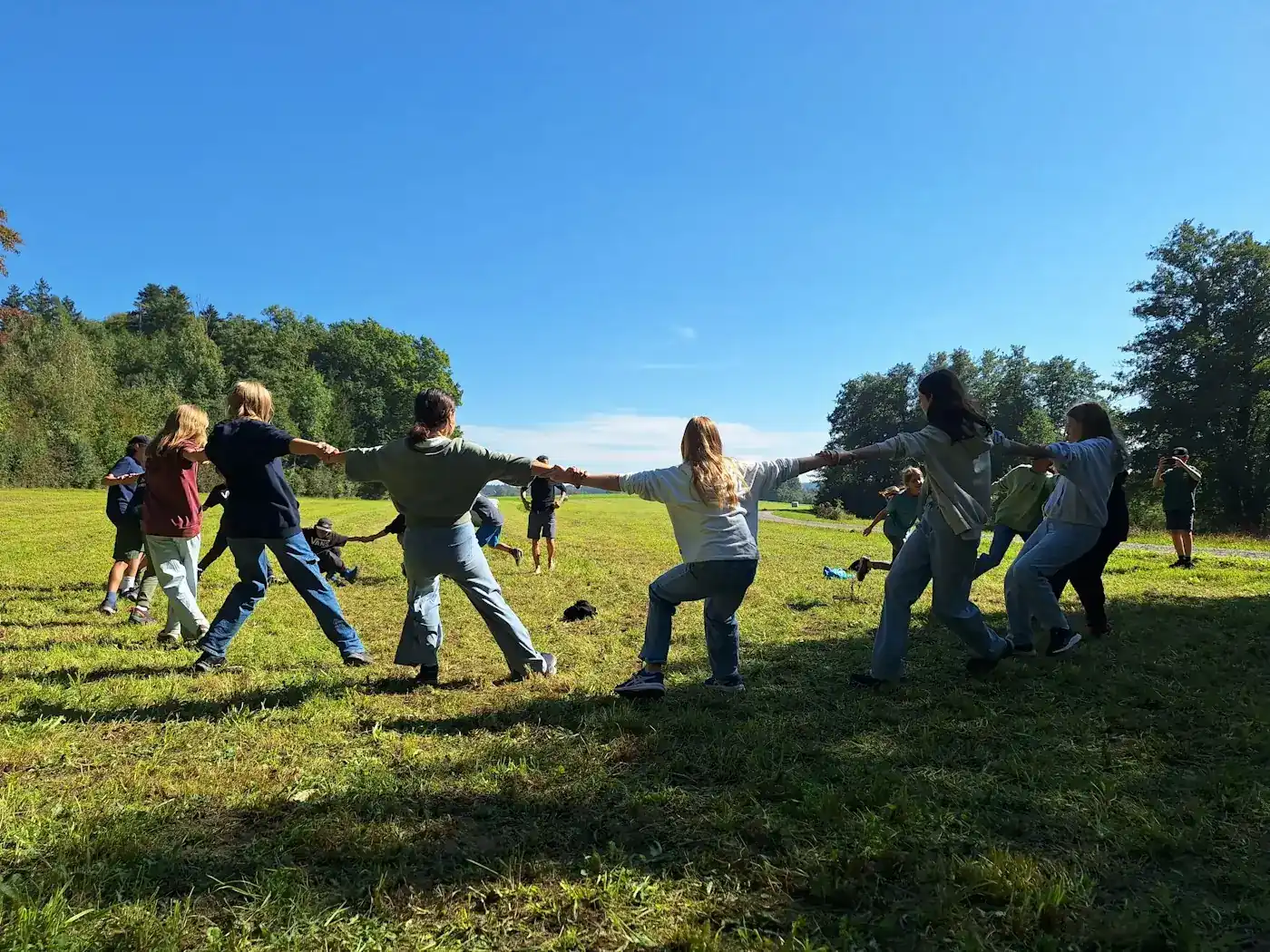
Mark each child's place with a cushion, a rug square or a chair, and leave about an arm's length between places so that nobody has to be touched. A circle of four to eight children is easiest for this age; with more, make two smaller circles with an adult in each. Sit at the same level as the children, and let latecomers or hesitant children join at the edge, beside a grown-up, and move in when they are ready.
Before you begin, explain the three ways to take a turn: do it, pass or ask a friend to help. Keep a basket within reach with the objects you will pass, and decide the direction of play before starting; saying clockwise is not as clear to young children as pointing and saying it goes this way, to Maya. Each game below should last about five minutes, and if energy drops, stop. A short circle that ends happily is more valuable than a long one that fades.

Ideas to try together
Greeting choice with a soft toy
Passing a soft toy gives the circle a clear signal about whose turn it is, and the greeting choice lets every child decide how much to say. A wave, a word, a gesture and a pass are all treated as equal, so even the quietest child can take part without feeling singled out.
 You’ll need
- A soft toy that fits in small hands
- Cushions or mats to mark places
- Four picture cards showing a wave, a smile, a clap and a hand held up
How to do it
- Sit in a circle and show the four picture cards, explaining that each is a way to say hello.
- Hold the soft toy and greet the child on your left with one of the choices.
- Pass the toy so that child can pick a greeting for the next person.
- The group copies only the greeting that was chosen, so everyone feels welcomed.
- If a child holds up the pass card, say thank you and give them another chance later.
- Finish when the toy returns to you and say hello to the whole circle together.
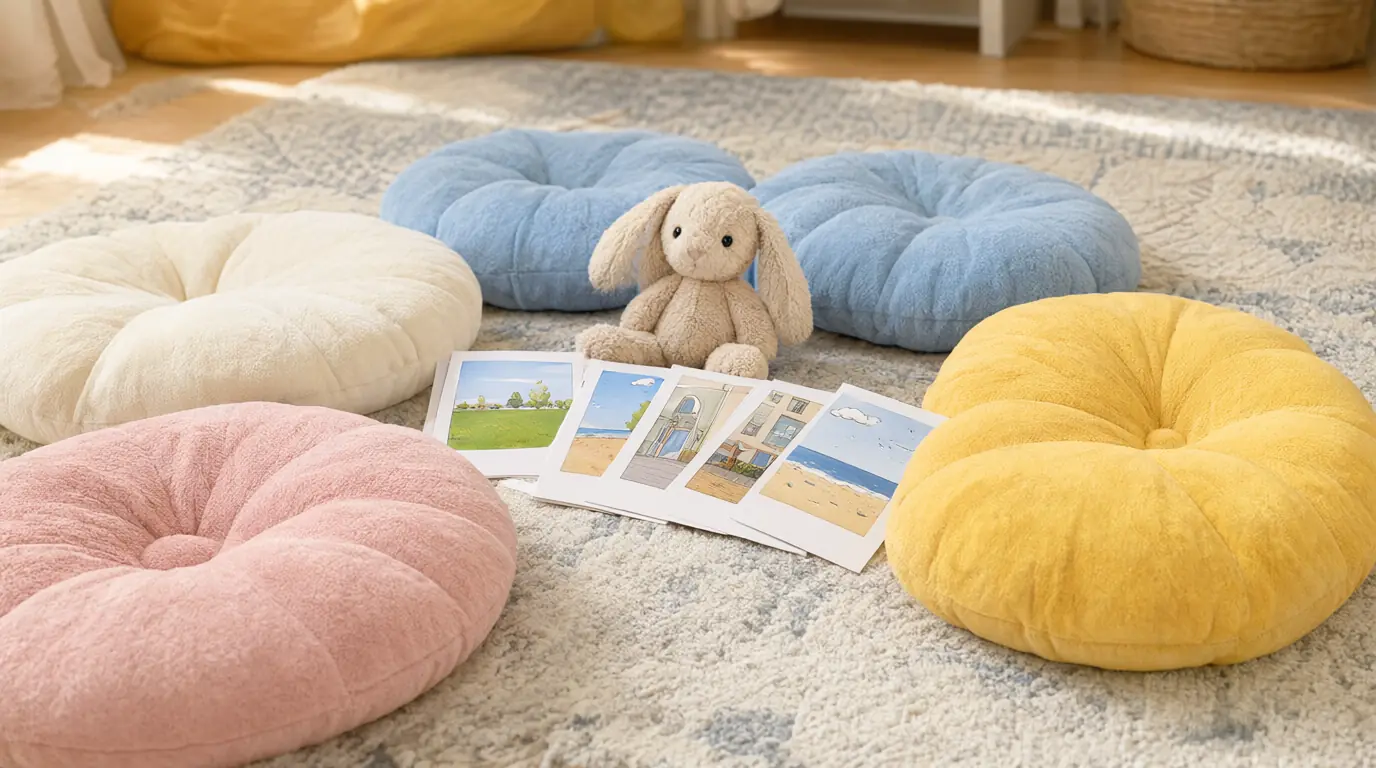
Make it your own: Younger children can point to a card rather than say a word. Older children can invent a new greeting and teach it to the group, with others deciding whether to try it.
Picture pick story
Choosing between two pictures is a much easier task than thinking of an idea from nothing. As each child makes their choice, the story grows into something that belongs to everyone, and nobody is asked to explain why. It builds listening, vocabulary and the habit of waiting for the next piece.
You’ll need
- 12 picture cards of characters and places, such as a dragon, a boat or a mountain
- A basket
- A soft toy as a turn marker
How to do it
- Choose a story starter, for example one morning, a small bear woke up.
- Show the first child two cards and ask which one should come next.
- Place their chosen card in the middle of the circle and add a line to the story using it.
- Pass the toy and show the next child two new cards.
- After every few turns, retell the story so far so everyone can follow it.
- End by choosing a final card together and agreeing on how the story finishes.
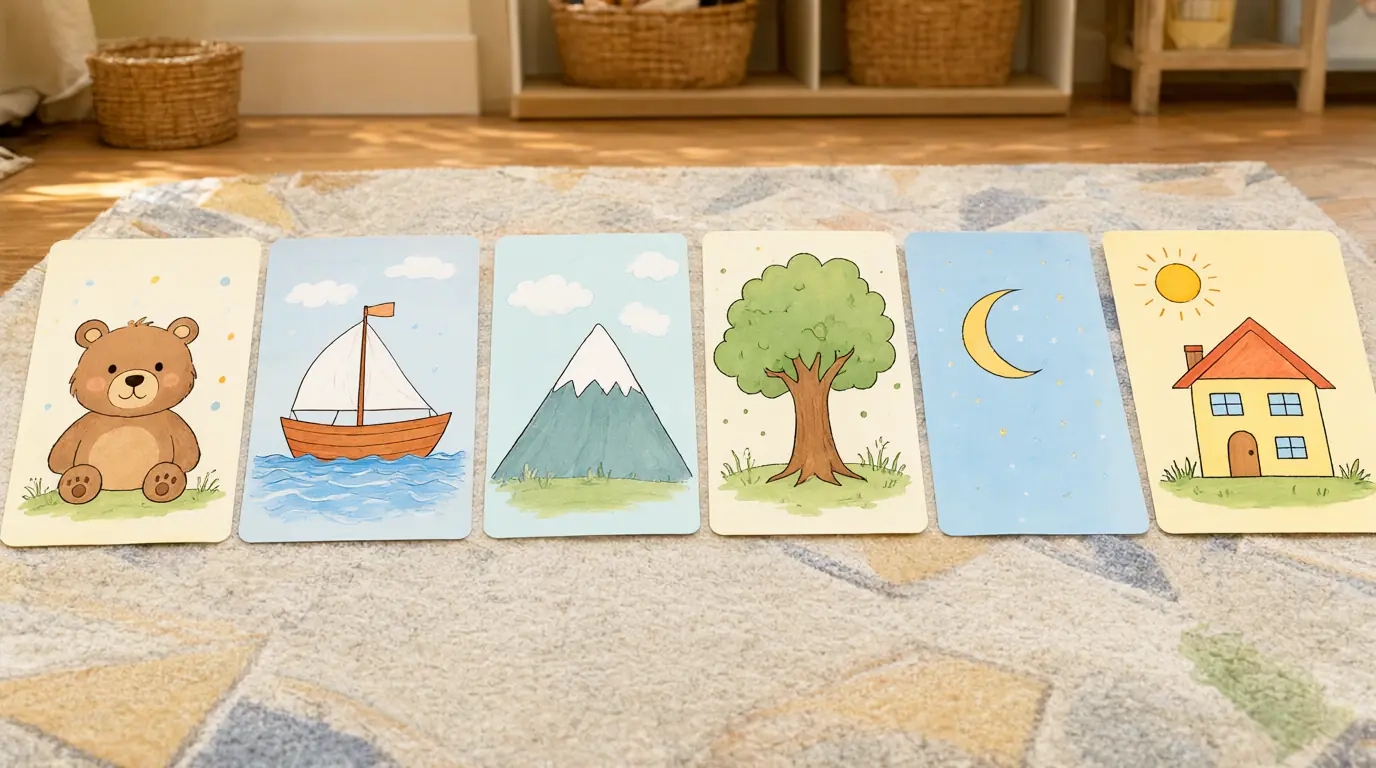
Make it your own: Children who do not want to speak can point to a card and let you say the next line. Older children can lay out three cards and say how they connect before the story continues.
Copy the comfortable action
Copying a small movement lets children join in without having to find words, which suits both quiet children and very active ones. The leader chooses something gentle and the rest follow, and because seated and still options are named from the beginning, nobody has to leave the circle to take part.
You’ll need
- Enough space for each child to sit with arms outstretched
- A scarf or ribbon for the leader
- A card showing a standing figure and a seated figure
How to do it
- Explain that the leader will choose a small action, and everyone can copy it standing or sitting.
- Show the example, such as tapping your knees twice, and let the group try it.
- Pass the scarf to the child on your left and invite them to choose an action, or pass.
- Everyone repeats the action together, saying the child's name afterwards.
- Continue around the circle, noticing the different ideas.
- End with a stretch that everyone does at the same time.
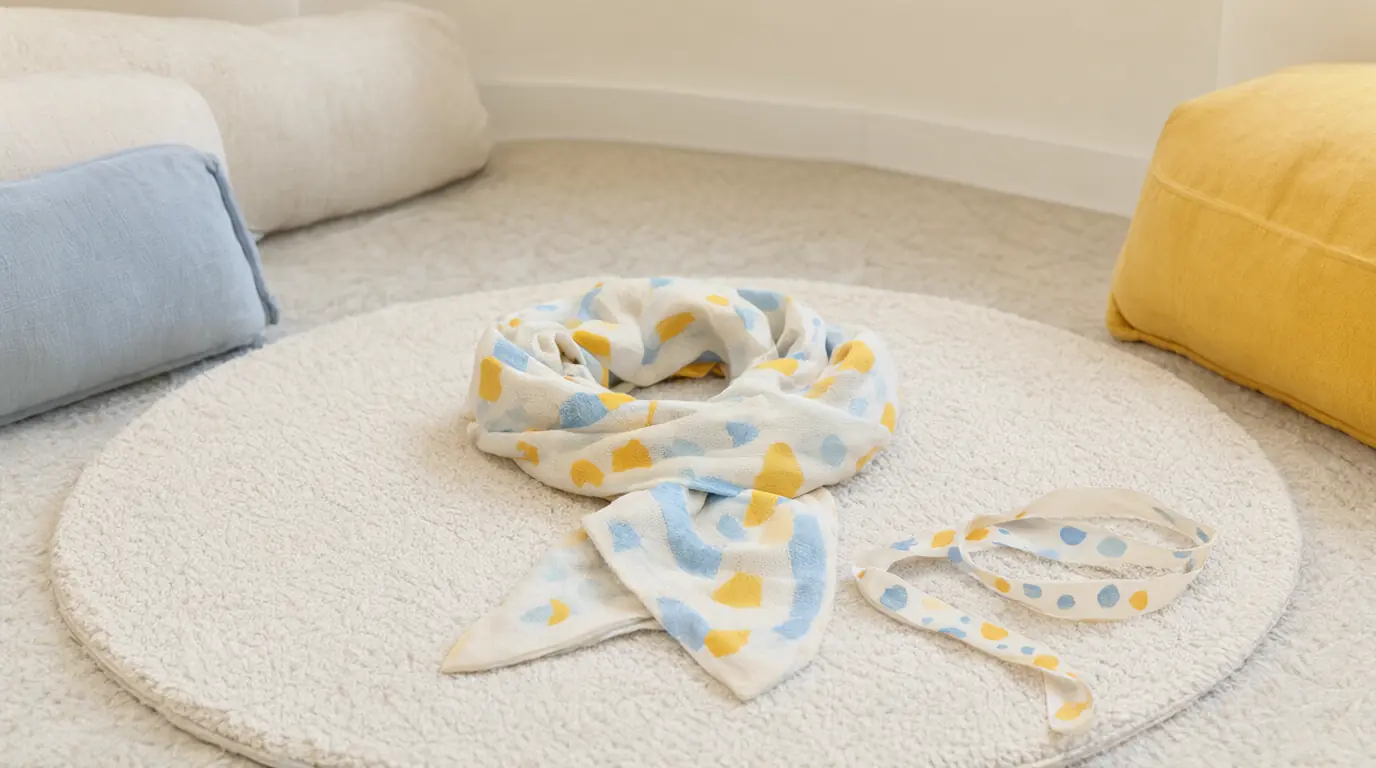
Make it your own: For younger children, offer two actions to pick from. For older children, link two actions together, such as a clap and a tap, and ask the group to remember the order.
Finish the group scene
Building a scene one detail at a time gives every child a small, manageable job, and the adult's summaries keep the whole thing easy to follow. Children hear their own idea become part of something bigger, which makes them feel included without requiring a performance.
You’ll need
- A large sheet of paper in the middle of the circle
- Crayons in a basket
- A soft toy as a turn marker
How to do it
- Describe a simple setting, such as a park with a pond, and draw a big pond shape on the paper.
- Pass the soft toy and invite the first child to add one detail, in words or in a drawing.
- Repeat what the child said and add it to the picture, for example a duck on the pond.
- Continue around the circle, with each child adding one thing.
- Between turns, point to the details so far and say the whole scene in one sentence.
- At the end, ask the group what might happen next in the park.
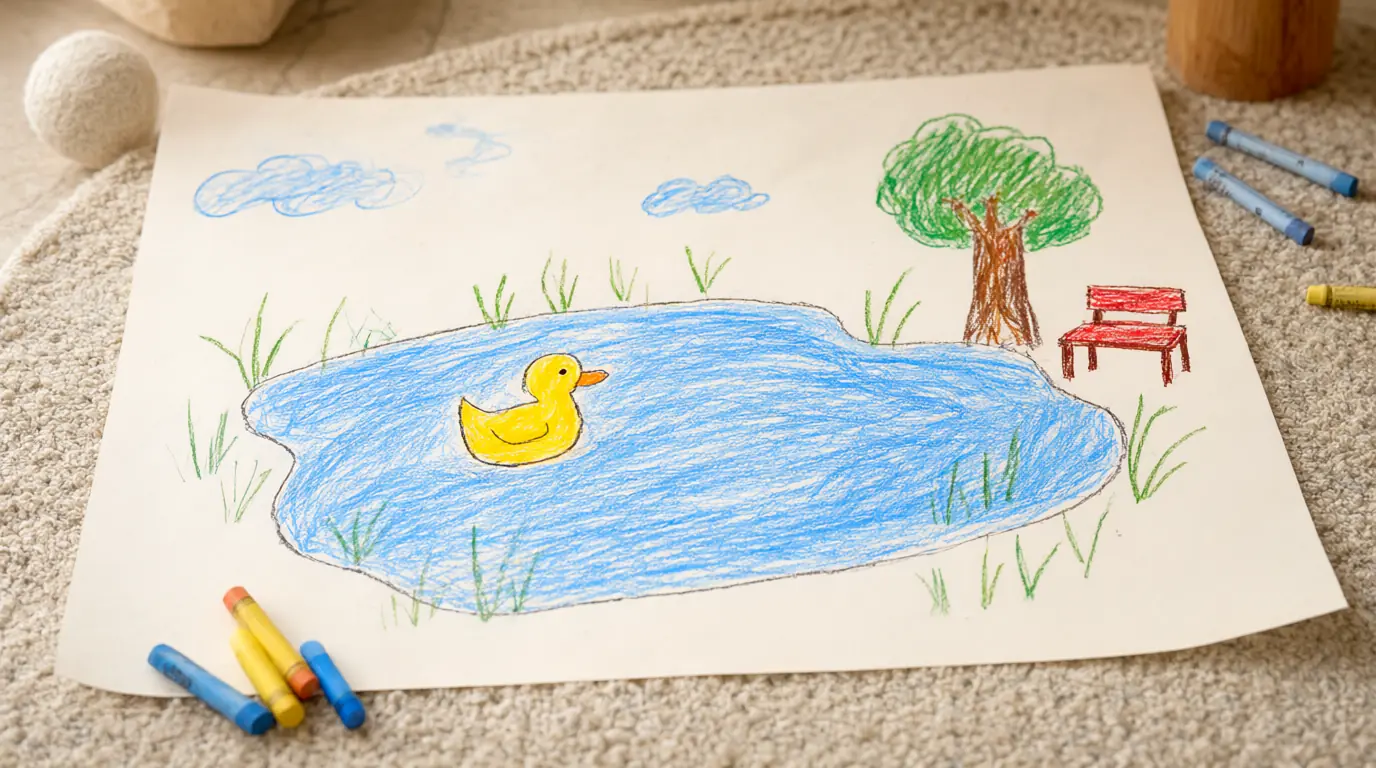
Make it your own: A child who prefers not to speak can choose a crayon colour for you to use. Older children can add a character with a name, or a problem that needs solving, and the group decides what happens.
Pass the quiet sound
A calm ending helps a group settle after more active turns. Sound is passed from one child to the next in a gentle chain, and each child can use a hum, a soft clap or a quiet tap. Because the sound moves around the circle at a steady pace, children practise listening and waiting for a sound to arrive.
You’ll need
- A small hand drum or an upturned basket
- A soft mallet or a wooden spoon
- Cushions or mats
How to do it
- Sit in a circle and say that you are going to pass a quiet sound around.
- Make a soft tap on the drum and pass it to the child on your left.
- That child makes the same sound, or a different quiet one, and passes it on.
- Everyone listens until the sound has gone all the way round.
- Try again with a quicker or slower speed, letting the children suggest which.
- Finish with one big breath together and a smile.
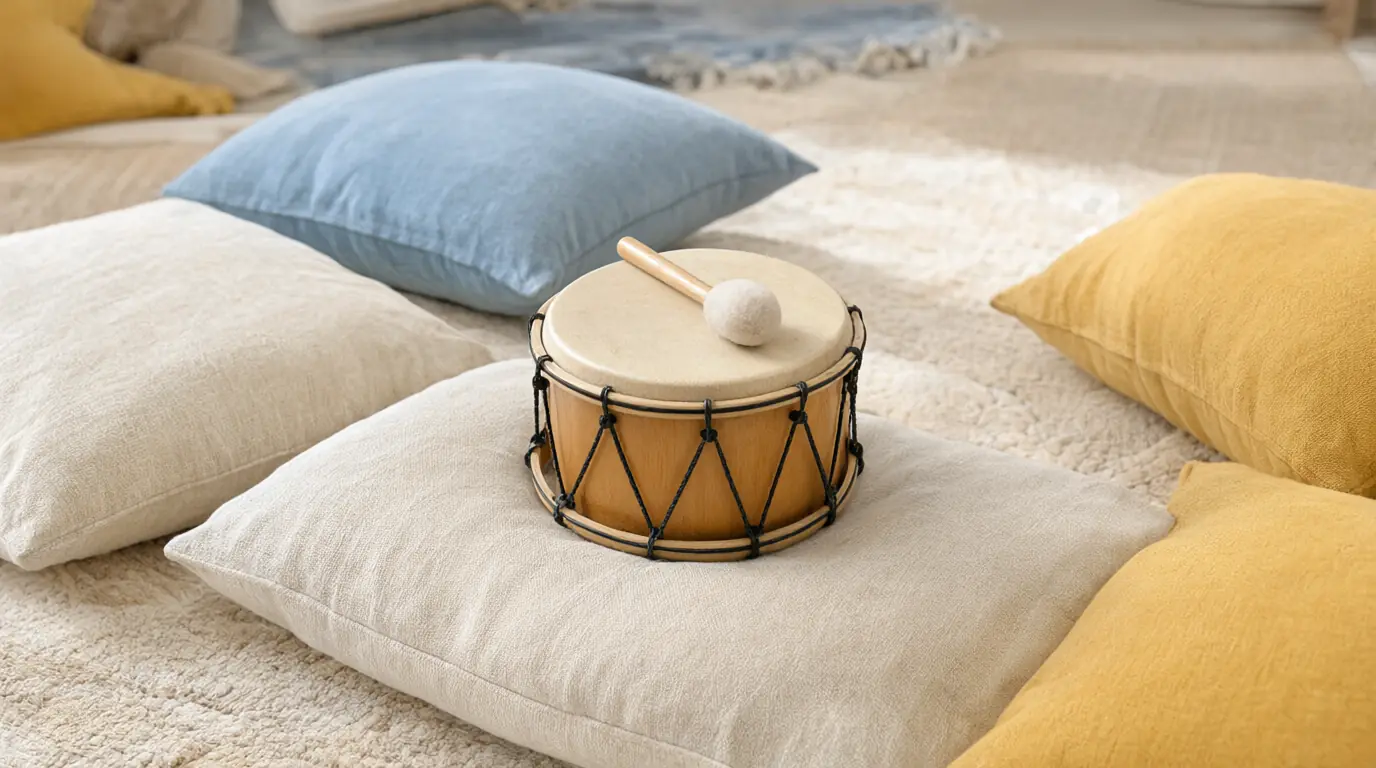
Make it your own: Younger children can pass a soft toy first and make the sound once they are familiar. Older children can try copying a short pattern of two sounds, then passing it along without changing it.

Make it work for your family
A common problem is waiting: three-year-olds find it very hard to sit still when ten other children are taking turns. Keep turns short, give everyone something to do in between, such as tapping a knee or humming softly, and use a soft toy to show whose turn it is. If a child cannot hold the toy, an adult can hold it for them while they speak or gesture.
Avoid games that require compulsory touch, sharing private family information or naming a winner. If one child dominates, pass the toy and say you will come back to them later. Children who want to watch are still learning, so invite them to hold a drum or point to the next speaker. For more ideas, try these gentle icebreakers, the morning circle or the name games when the group is getting to know one another.

Parents also ask
How many children should be in a circle game?
Four to eight children works best for ages 3 to 7. Larger groups mean long waits between turns, so try two smaller circles with an adult in each. If you have a mixed-age group, let younger children sit beside a grown-up.
What if a child does not want to join the circle?
Let them watch from the edge or sit next to an adult, and invite them to hold a prop such as the drum or a picture card. Many children join in after they have seen the game once. Avoid pressing them to take a turn.
How long should a circle time last for preschoolers?
Five to ten minutes is usually enough for three- and four-year-olds, and ten to fifteen for older children. Watch for wriggling, looking away or chatting, and end on a happy note rather than carrying on until interest has gone.
Choose materials and activities that suit your child, supervise as needed and adapt the ideas to their interests and abilities. About our editorial approach