Weebou Editorial Team
 7 min read
 In this article
A little preparation
Choose a surface that can get wet or messy and put a towel under the bowl or ramp. Gather everything before you begin so that your child does not lose interest while you search for a spoon. Sit alongside rather than across so you can look at the same thing.
The main skill you are modelling is how to find out. Say your own guesses aloud, including the wrong ones, and ask "What makes you think that?" with real curiosity. Write each guess on a sticky note or draw a quick picture so the idea can be checked later. Keep water play within arm's reach of an adult, and keep objects larger than your child's fist if they still put things in their mouth. For related investigations, see science games built around looking, testing and asking.

What to know and try
Sink or float: guess, then check
Predicting before testing is the heart of critical thinking. A bowl of water and a handful of objects give instant evidence, and the results are often surprising enough to start real discussion. Children also begin to notice that size and weight do not always decide the outcome.
 You’ll need
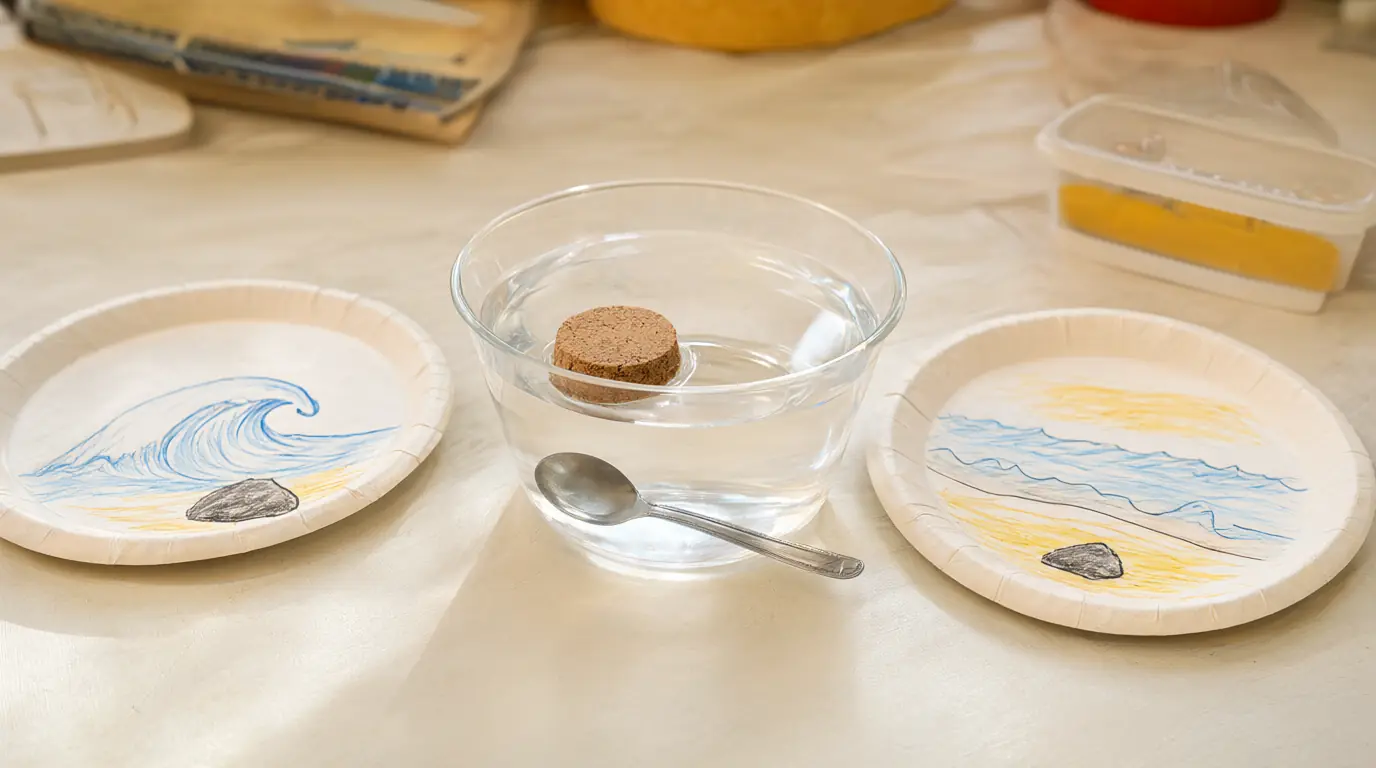
- A washing-up bowl half full of water
- A wooden spoon, a metal spoon, a cork, a large button and a plastic cup
- Two paper plates labelled with a drawn wave and a drawn stone
- A towel
How to do it
- Lay the objects on the table and ask your child to pick one up and say whether they think it will sink or float.
- Place the object on the matching paper plate as their guess, without commenting.
- Lower the object into the water gently and watch together.
- Move it to the plate that shows what happened, so your child can see where guesses and results match.
- Ask what the floaters have in common and whether the shape or the material seems to matter.
- Test one more object that surprises you, such as a heavy-looking wooden block.
Make it your own: Younger children can test just three objects and name them as 'goes down' or 'stays up'. Older children can try to make a sinking item float by changing its shape, for example a lump of modelling clay shaped into a boat.
The mystery bag: build an answer from clues
Critical thinking is not just testing but also reasoning from evidence. A mystery bag lets children gather clues with their senses, combine them and revise a guess. The answer matters less than the explanation, so ask how they decided.
You’ll need
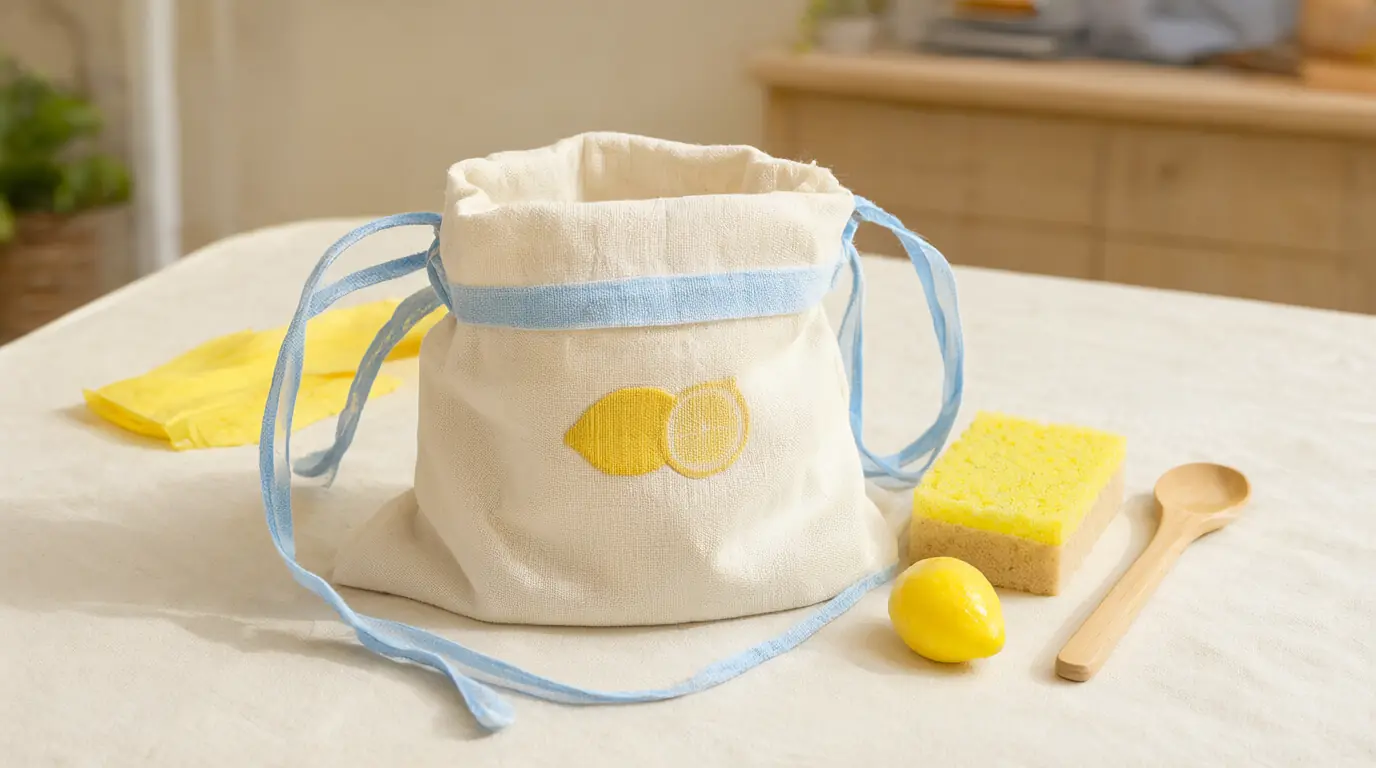
- A cloth bag or pillowcase
- Three everyday objects, such as a sponge, a spoon and a toy lemon
- A tray to show the objects afterwards
How to do it
- Put one object in the bag without showing your child, and tell them it is something from the kitchen or the toy box.
- Ask them to feel it from outside the bag and say one clue: soft, round, bumpy.
- Write or draw each clue on a card as they say it.
- Ask for a first guess and then a second guess after one more clue, and notice if it changes.
- Reveal the object and read back the clues together: which ones helped most?
- Swap places so that your child chooses an object and gives you clues.
Make it your own: For younger children, offer only two possible objects and let them choose between them. For older children, ask them to give clues that do not name the colour, and see whether you can narrow it down in three clues.
Picture detectives: what can we see and what do we guess
Separating what is seen from what is imagined is a core thinking habit. A picture book offers a safe place to practise it, because everyone can look at the same page. Children learn that a guess can be sensible without being certain.
You’ll need
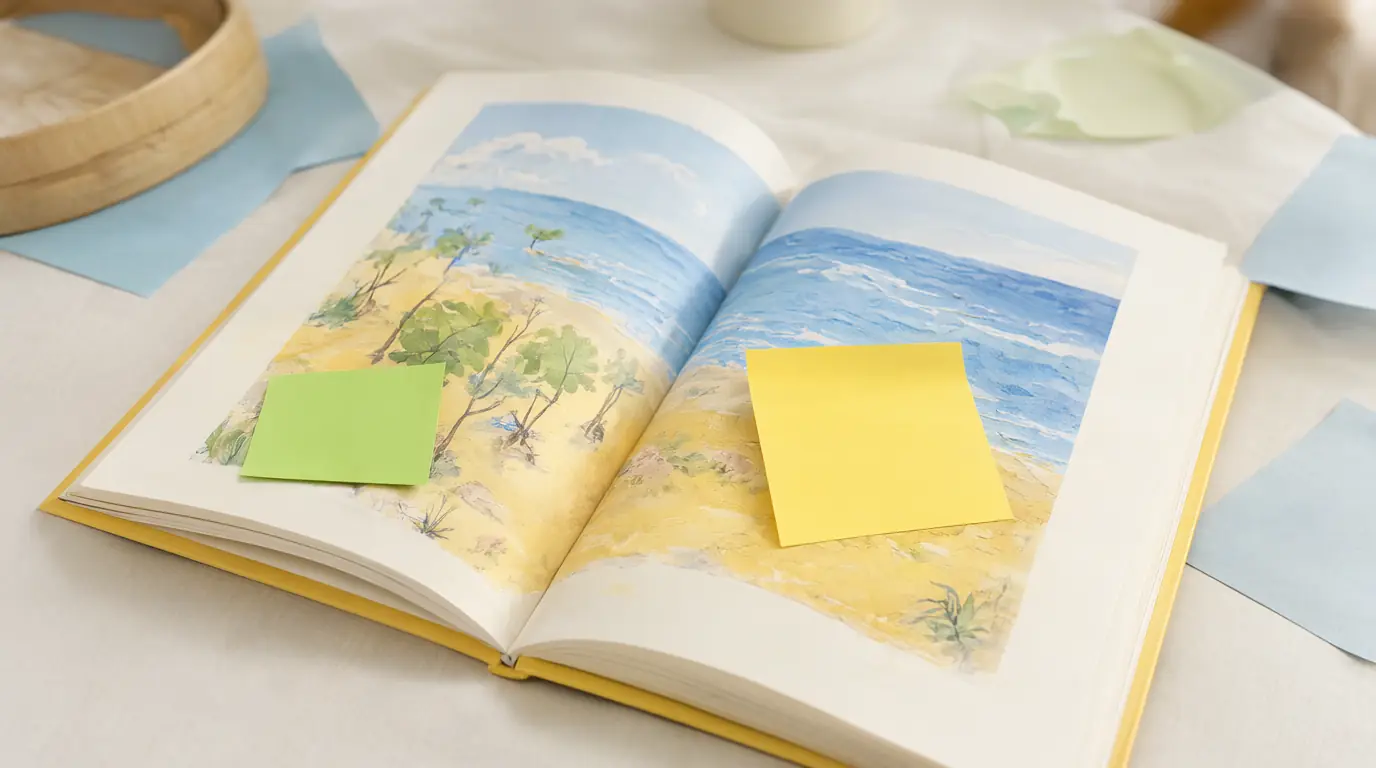
- A picture book with detailed illustrations
- Two coloured sticky notes, for example green for 'I see' and yellow for 'I think'
- A pencil
How to do it
- Open the book to a busy page and let your child look quietly for half a minute.
- Ask for one thing they can definitely see, and stick a green note beside it.
- Ask what they think might be happening, and stick a yellow note nearby with a drawing of their idea.
- Look for a clue on the page that supports the guess: an open window, wet footprints, a hat on a chair.
- Offer a second guess that fits the same clues, and see whether your child can find a clue that rules one out.
- Turn the page and check whether the next picture changes either idea.
Make it your own: Younger children can find three things that are red or round before making a guess. Older children can choose a page themselves and quiz you with a green and a yellow note each.
A fair ramp race: what has to stay the same?
Fairness is an early form of controlling variables. Children find that they must use the same car and the same starting point before they can compare ramps. The activity turns that idea into something they can see, and it invites a second test rather than a quick winner.
You’ll need
- Two sheets of stiff cardboard or a tray and a book
- A toy car
- A tape measure or a piece of string
- Masking tape
- A marker pen
How to do it
- Prop one end of the cardboard on a book to make a gentle ramp, and mark a starting line with tape.
- Release the car from the line and mark with a piece of tape where it stops.
- Ask how you could make the car go further, and let your child choose one change, such as a higher book.
- Before testing, say aloud what must stay the same: the same car, the same starting line, letting go without a push.
- Test the change and mark the new stopping place; compare the two marks.
- Repeat the first test once to see whether the result is the same.
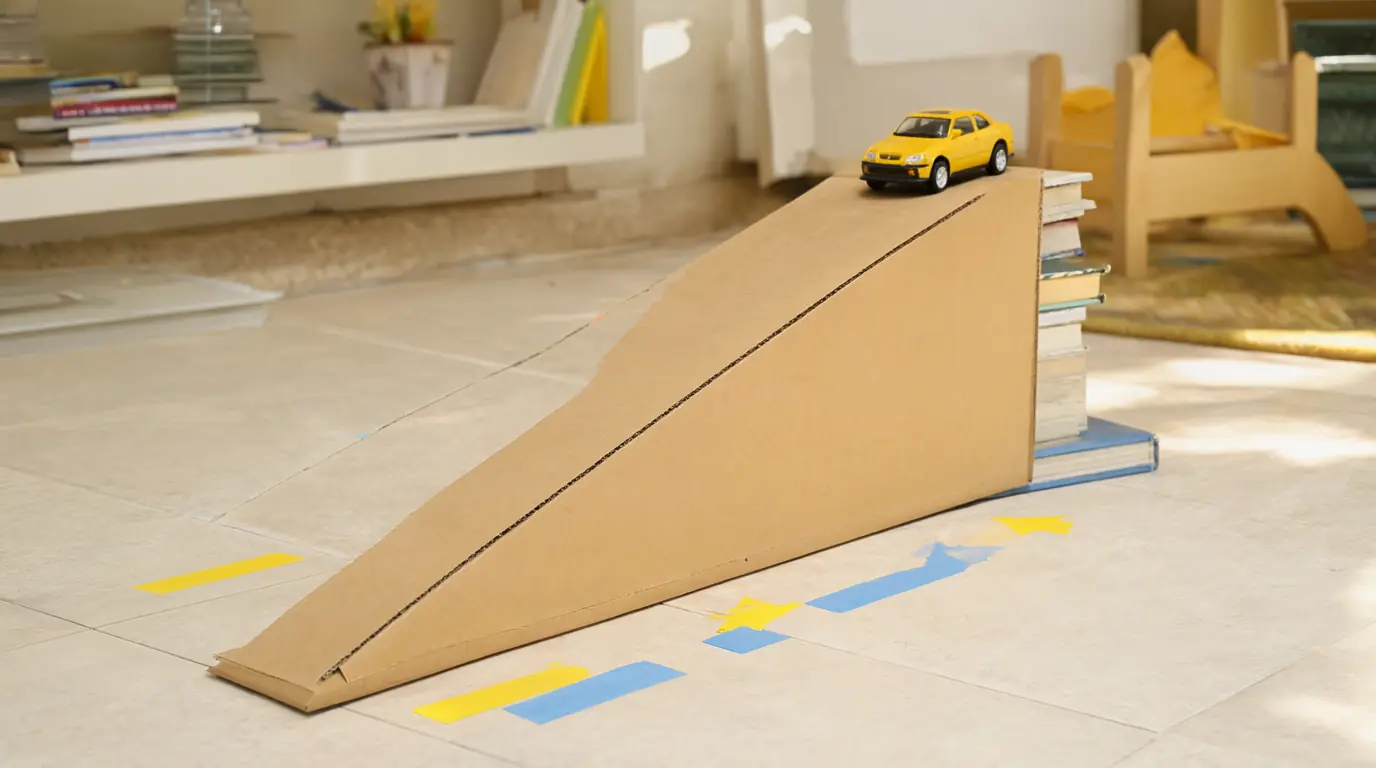
Make it your own: Younger children can simply compare 'low ramp' and 'high ramp' with two cars. Older children can measure the distance with string and test a different surface, such as a towel, noticing what changes.

Make it work for your family
When an answer seems wrong, do not correct it at once. Ask how you could find out, then test it together. A child who is told they are wrong learns to wait for the answer; a child who tests a guess learns to check. If the result surprises you both, say so: "I thought the spoon would float too!"
Avoid trick questions designed to catch a child out, and let them change their mind without comment. If attention drops, stop after two or three tests and keep the objects out for later. To practise careful looking in a different way, try attention games that invite children to look and listen or a few first strategy games where children plan, try and revise.
Parents also ask
At what age can children start critical thinking?
Toddlers already compare, predict and test in play, for example by dropping objects to see what happens. Around four to six, children can explain a guess, give a reason and change their mind. Keep questions concrete and linked to things they can see and touch.
How do I ask questions without making my child feel tested?
Say you are curious, ask one question at a time and wait. Open questions such as 'What do you notice?' work better than yes or no ones. Treat every answer as a starting point, and share your own thinking, including your mistakes.
What if my child always says 'I don't know'?
Offer a choice between two possibilities, point to something they can look at or invite them to guess. 'I don't know' can mean 'I am not sure I am right', so make guessing safe by trying it yourself and by testing each idea afterwards.
Sources & further reading
Explore these primary sources for further context on this topic.
Choose materials and activities that suit your child, supervise as needed and adapt the ideas to their interests and abilities. About our editorial approach