7 min read

 In this article
A little preparation
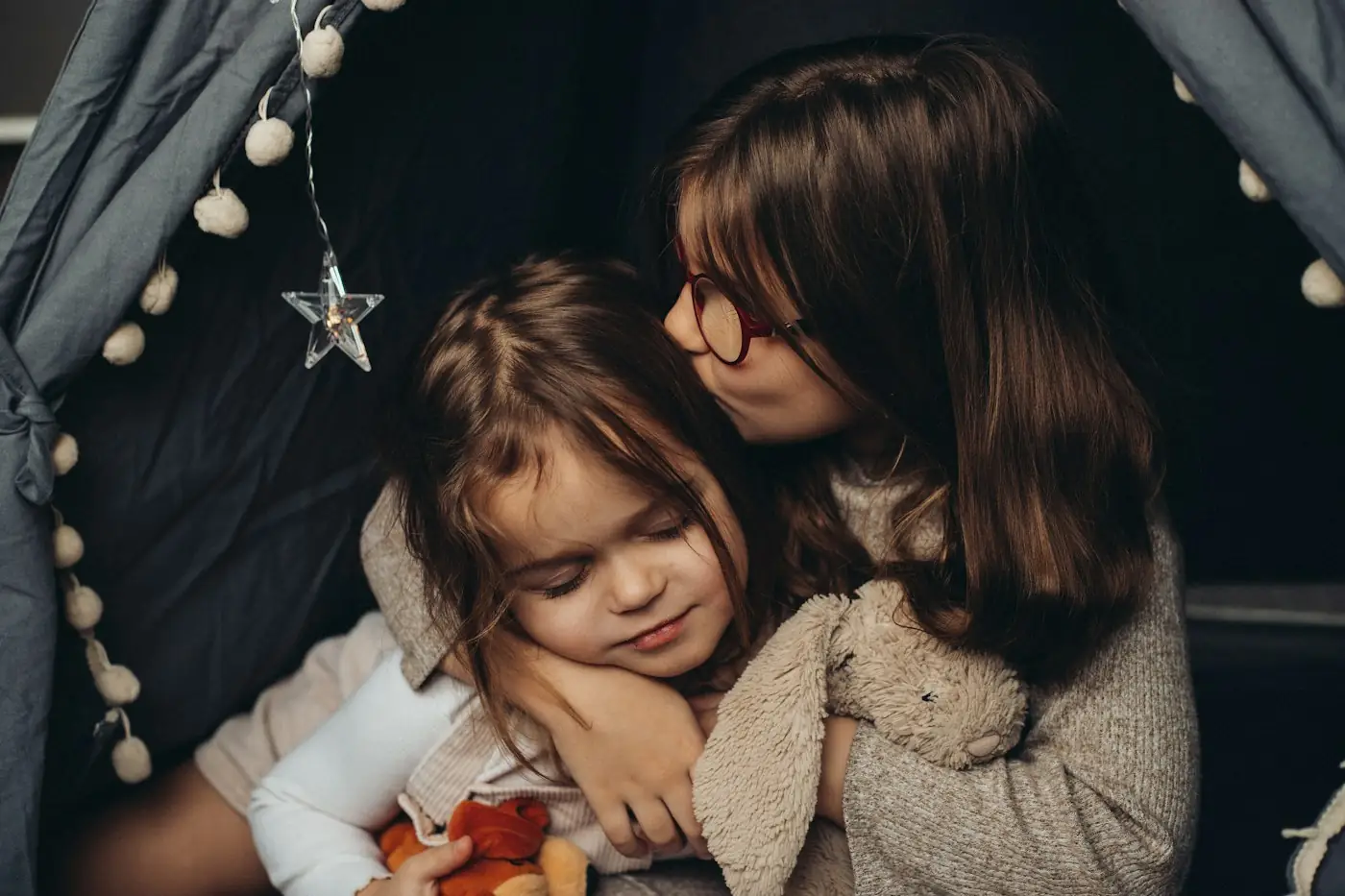
Choose a comfortable, well-lit area at first and dim the lights only if your child is happy about it. A living-room floor with a blanket, cushions and a flashlight works well, as does a picnic blanket in a garden in daylight. Agree an adult-led routine before you begin: where everyone sits, what the flashlight is for and what happens when someone wants a break.
If you are at an organised campsite with a real fire, keep children at the safe distance set by the site and stay close at all times; this guide is about games that do not need one. Avoid scary stories and games that send children into dark spaces, because the aim is closeness, not fright. Keep the session short, perhaps fifteen to twenty minutes, and finish with something calm so that bedtime or the next activity comes easily. A few soft toys can act as the campers, and a bag to hold the props keeps the area tidy. If you use a flashlight, remind children that it points at the wall or the floor, never at someone's eyes.

Ideas to try together
A story with three objects
Three ordinary objects can spark a whole story. Choosing items such as a spoon, a hat and a shoe sets a simple frame, and children decide how a character uses each one. It builds narrative skills without requiring a perfect plot, and any answer can fit.
 You’ll need
- 3 small everyday objects, such as a spoon, a hat and a toy shoe
- A blanket
- A cushion for each child
How to do it
- Sit on the blanket and place the three objects in the middle.
- Ask your child to choose a character who goes camping.
- Pick up the first object and ask how the character uses it at the campsite.
- Move to the second object and add what happens next.
- Let your child decide how the third object ends the story.
- Retell the whole story together in a few short sentences.
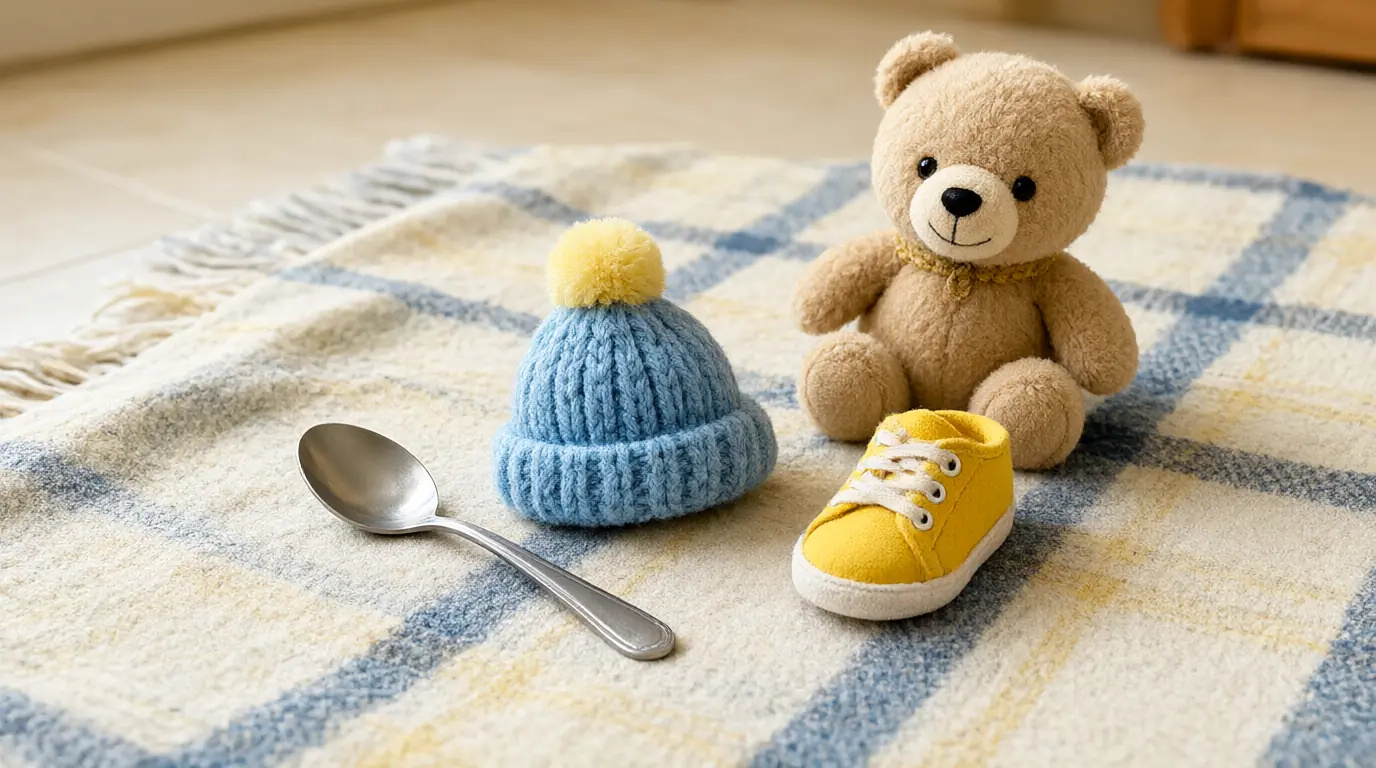
Make it your own: Younger children can name each object and make a sound for it. Older children can swap in three new objects and keep the same character for a second story. If the mood is wobbling, shorten the game and move to a story you already know well.
Sound postcard
Listening carefully to sounds is a quiet way to be present. A sound postcard captures what a child heard in a single drawing or description, and it can be done indoors or outdoors. It works well at dusk, when the world feels quieter.
You’ll need
- A piece of card or paper for each child
- Crayons
- A seat by an open window or a blanket outdoors
How to do it
- Sit still together for a minute and close your eyes if you wish.
- Notice the sounds around you, such as birds, a clock or a car.
- Whisper one sound to your partner.
- Draw a picture or a few lines to show what the sound looked like.
- Hold up the postcard and describe it in one sentence.
- Collect the postcards in a pile as a camp memory.
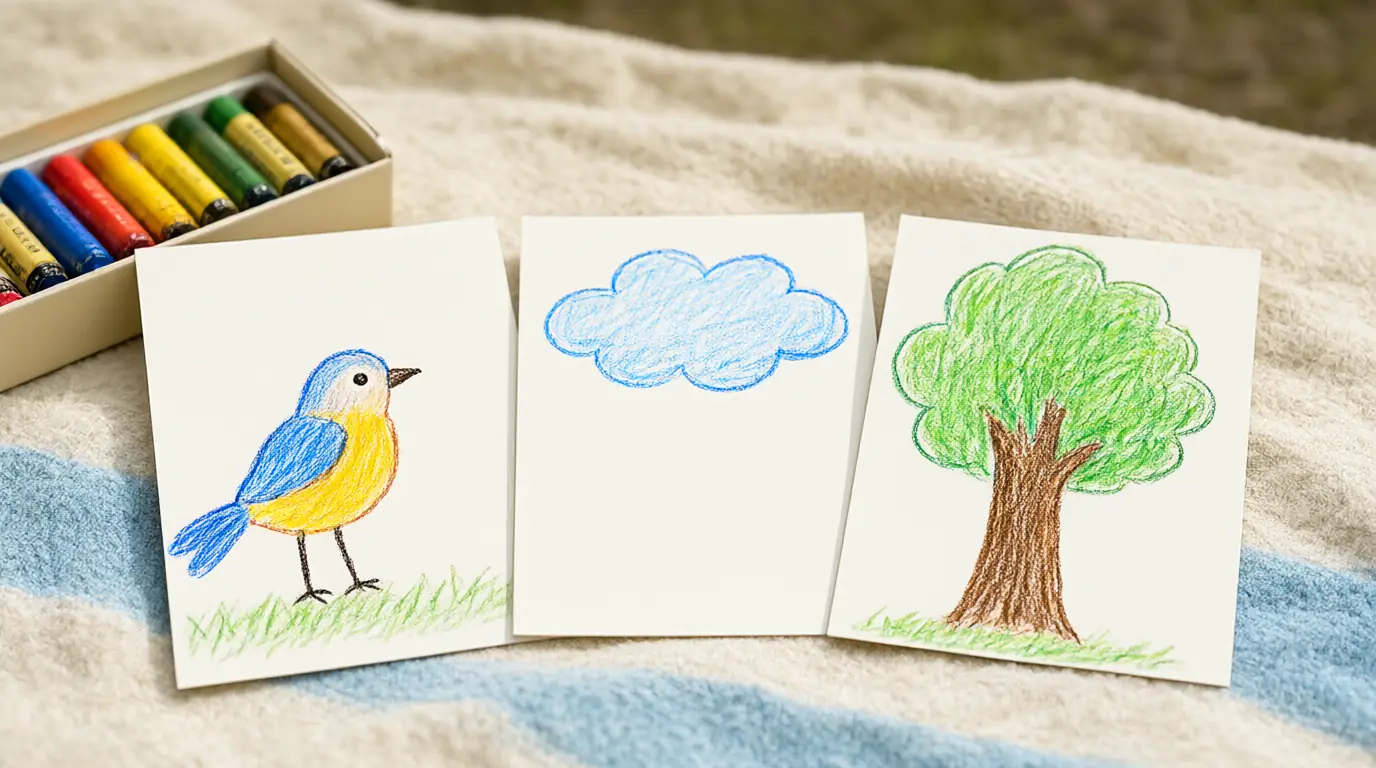
Make it your own: Younger children can make the sound instead of drawing. Older children can write a word or add a second sound to the postcard. If the mood is wobbling, shorten the game and move to a story you already know well.
Camp welcome plan
Designing a pretend campsite on paper helps children think about what visitors need. A plan with places for resting, stories and belongings asks them to consider comfort and use of space, and it gives them practice in describing a layout.
You’ll need
- 1 large sheet of paper
- Crayons
- Small toys as visitors
- Cushions
How to do it
- Lay the paper on the blanket and draw a circle for the campsite.
- Add places to sit, to sleep and to keep belongings.
- Place the toys as visitors and ask what each one needs.
- Move or draw items to make the site more welcoming.
- Show a visitor round the plan and name each place.
- Keep the plan for the next camp game.
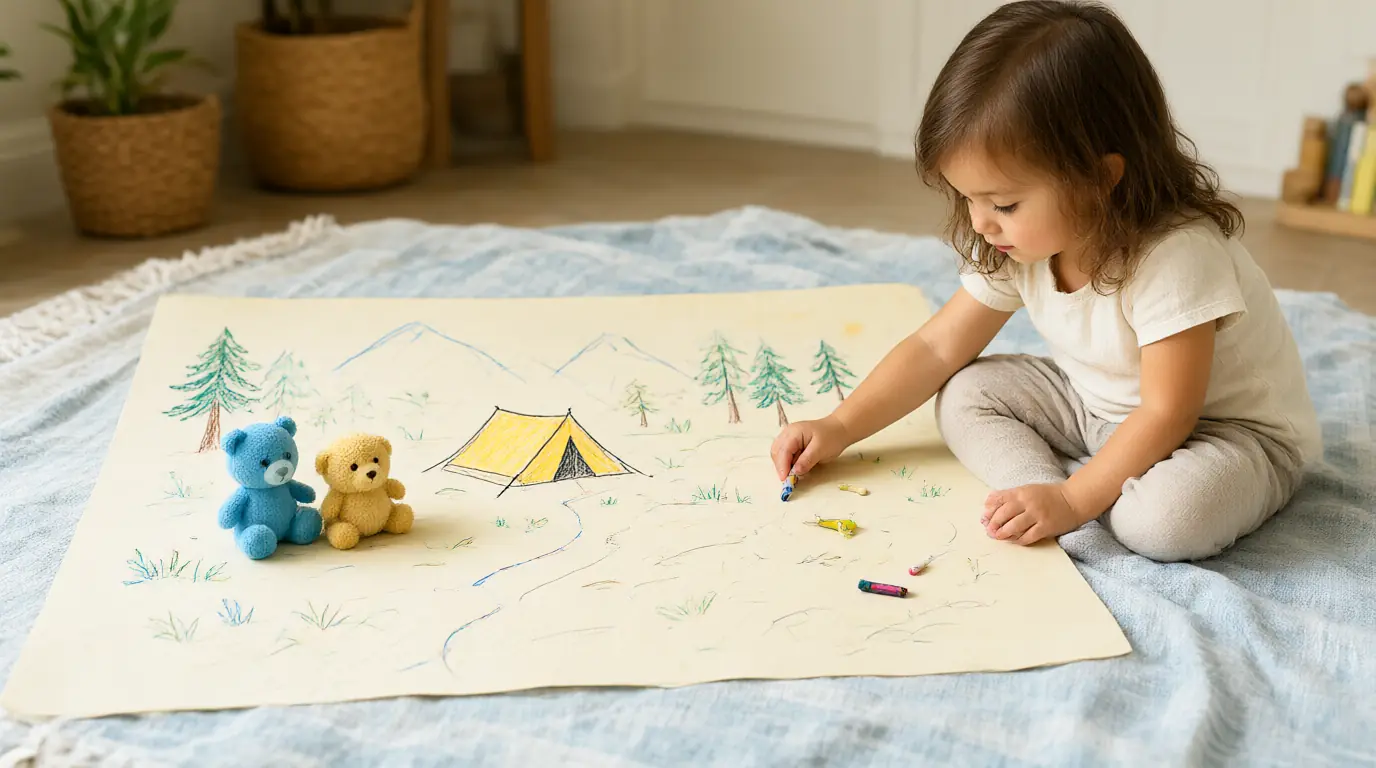
Make it your own: Younger children can add a few stickers or marks. Older children can draw a path between the places and add labels using pictures. If the mood is wobbling, shorten the game and move to a story you already know well.
Pass the next sentence
A story built one sentence at a time rewards listening. Each child adds a line, and the group sees how a story can grow in unexpected directions. The pass option keeps it relaxed: anyone can skip a turn without comment.
You’ll need
- A soft toy or a flashlight to pass round
- A circle of cushions
How to do it
- Sit in a circle and hold the soft toy.
- Begin with a line such as one evening a rabbit pitched a tent.
- Pass the toy to the next person, who adds one sentence.
- Let anyone say pass or ask a friend to speak for them.
- Continue round the circle until the story reaches a natural ending.
- Retell the story together from the beginning.
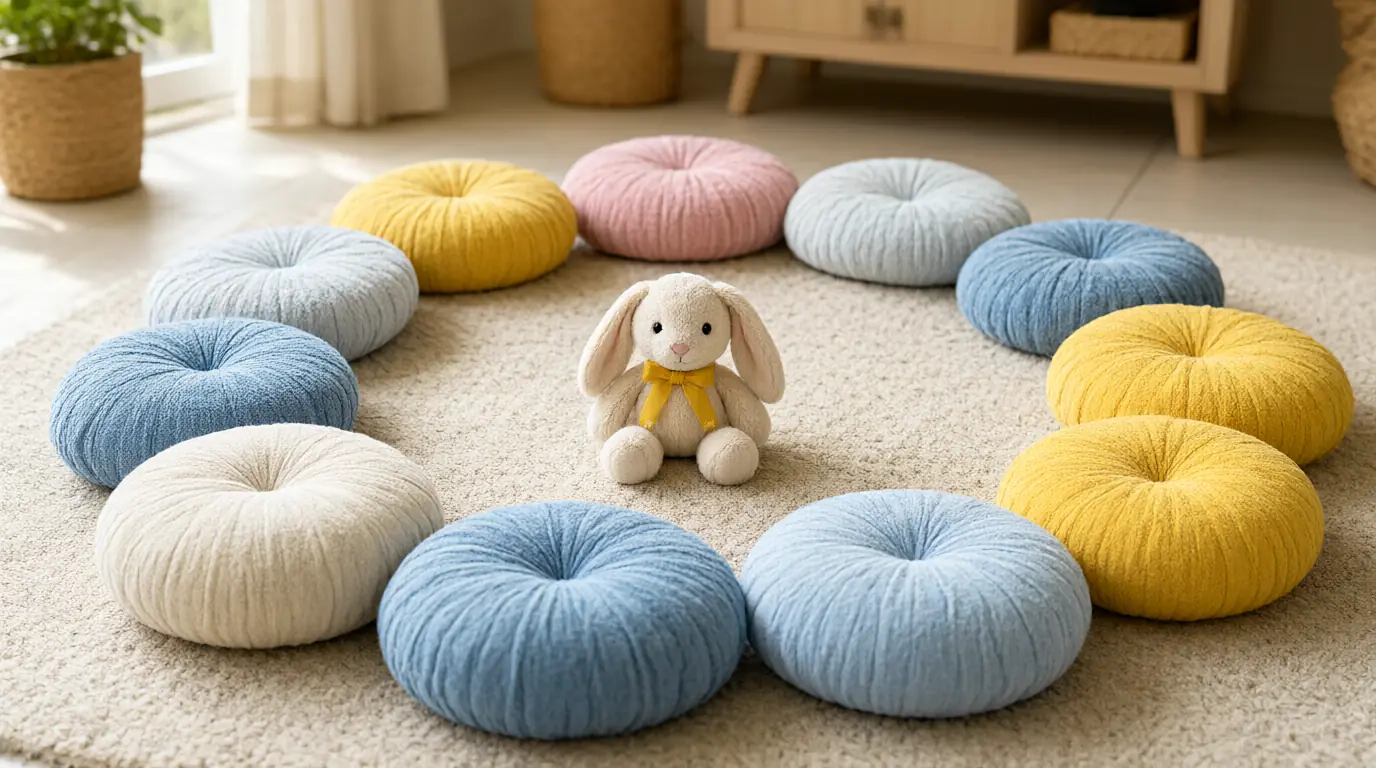
Make it your own: Younger children can add a word or a sound. Older children can add a character or a problem to the story, and the next person solves it. If the mood is wobbling, shorten the game and move to a story you already know well.
Shadow-puppet corner
A flashlight and a plain wall turn hands into animals. Making shadows is a classic cosy activity that needs no skills: a wiggling hand is enough. Children also see how light and distance change the size of a shadow.
You’ll need
- 1 flashlight
- A plain wall or a hung sheet
- A dimmed room
How to do it
- Hang a plain sheet or use a blank wall and dim the room slightly.
- Hold the flashlight a little way from the wall.
- Show how to make a simple shadow with your hand, such as a bunny.
- Let your child try their own shape and guess the animal.
- Move closer to the wall to make the shadow bigger or farther away to make it smaller.
- Put the flashlight down and say goodnight to the shadows.
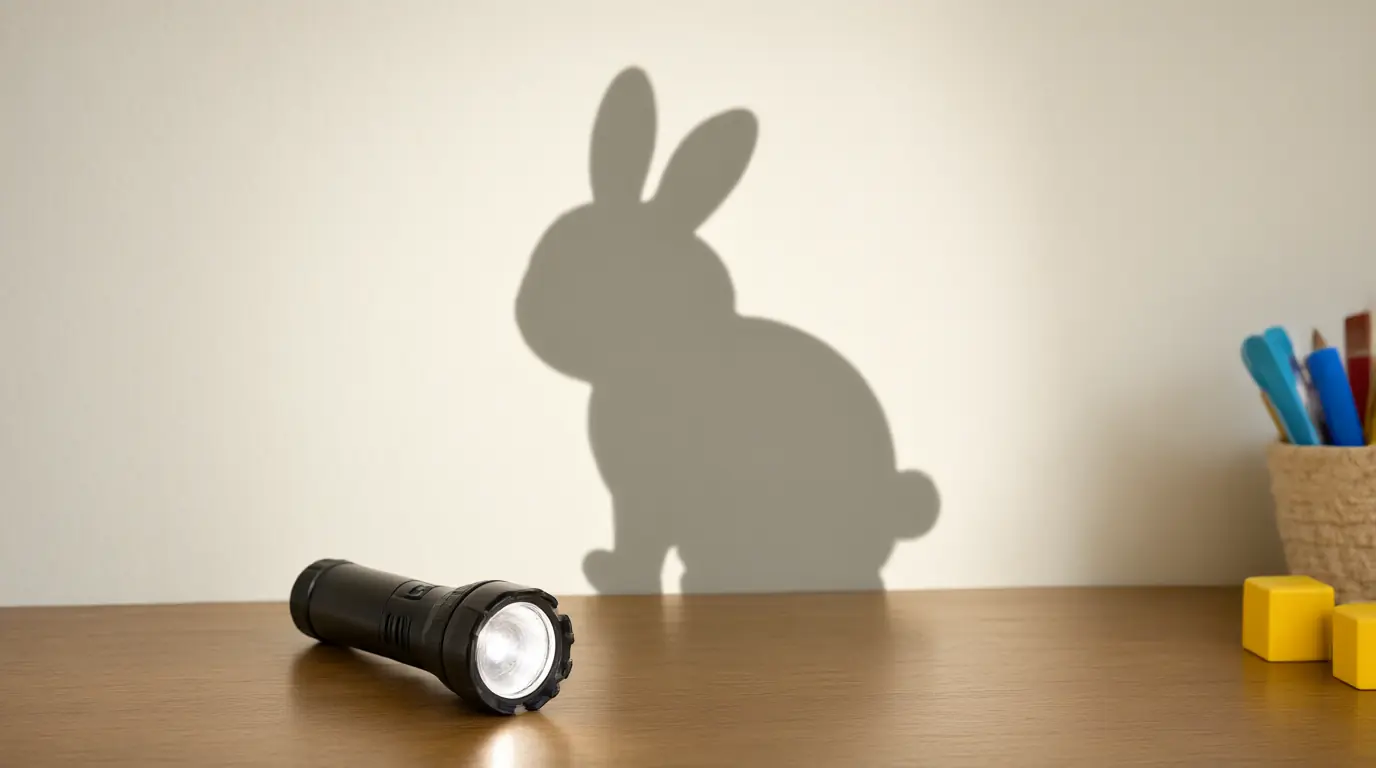
Make it your own: Younger children can wave a hand and watch. Older children can use cut paper shapes on sticks as puppets. If the mood is wobbling, shorten the game and move to a story you already know well.

Make it work for your family
A campfire mood comes from slowing down, not from darkness. Speak softly, give everyone a cushion, and let a child hold the flashlight as a talking light: whoever has it shares an idea, and then passes it on. Children who are shy about speaking can point to a picture or whisper to you.
If your child gets restless, add a small movement, such as crawling into the tent, or end the session with a cosy song. Avoid forcing children to join in; being part of the circle counts. For more calm indoor ideas, see these indoor activities for toddlers or try some rainy-day games when the weather keeps you in. Finish with a quiet routine, such as saying one thing each person liked, so the circle closes gently and children carry the calm into their next activity.

Parents also ask
What are good campfire games for young children?
Story games such as a three-object story, pass-the-sentence and sound postcards work well, as do shadow puppets with a flashlight. They create the cosy campfire mood through closeness, softness and imagination, and they can be played indoors.
How can I create a campfire feeling without a fire?
Use a blanket, cushions, a warm lamp or flashlight and a calm voice. Sit close, keep the lighting soft, and tell a gentle story or sing a quiet song. Real fire is not needed for the mood.
Should campfire stories be scary?
For young children it is usually better to avoid scary stories. Funny, quiet or cosy stories keep the mood relaxed, and children who are anxious about the dark are more likely to enjoy the activity.
Choose materials and activities that suit your child, supervise as needed and adapt the ideas to their interests and abilities. About our editorial approach