8 min read

 In this article
A little preparation
Choose a safe room and clear the floor before you dim anything: toys, cables, cups and sharp corners all need to go. Keep a lamp or a hallway light on so exits and doorways stay visible, and decide on a clear word or signal, such as 'lights up', that any child can use to bring the room back to normal. Sit together and keep the games stationary rather than running or hiding.
An adult holds the flashlight and manages the batteries, and no one shines it into eyes. Avoid blindfolds, sudden loud noises, flashing lights and surprise scares; some young children find darkness unsettling, and that is a valid feeling rather than something to overcome. Keep sessions to ten to fifteen minutes, and stop if anyone seems unhappy. A child who is not comfortable can draw or take the part of the light keeper. These activities pair well with a bedtime routine, but should never be used to push a child through a fear.

Ideas to try together
Wall shadow shapes
A single flashlight and a few toys can turn a blank wall into a theatre. Children learn that shadows change as an object moves closer to the light or turns around, which is a first lesson in light and shape. The adult controls the light while the child controls what goes in front of it.
 You’ll need
- A flashlight held by an adult
- 3 large toys with clear outlines, such as a dinosaur, a spoon and a toy car
- A plain wall or a large sheet taped to it
- A low table
How to do it
- Dim the room lights slightly and sit about two metres from the wall.
- Place one toy on the table between the flashlight and the wall.
- Ask your child what they see, and let them guess which toy makes which shadow.
- Move the toy closer to the light and then further away, and notice the shadow grow and shrink.
- Turn the toy around slowly and see how its shape changes.
- Let your child hold up their hand and make a simple shadow shape.
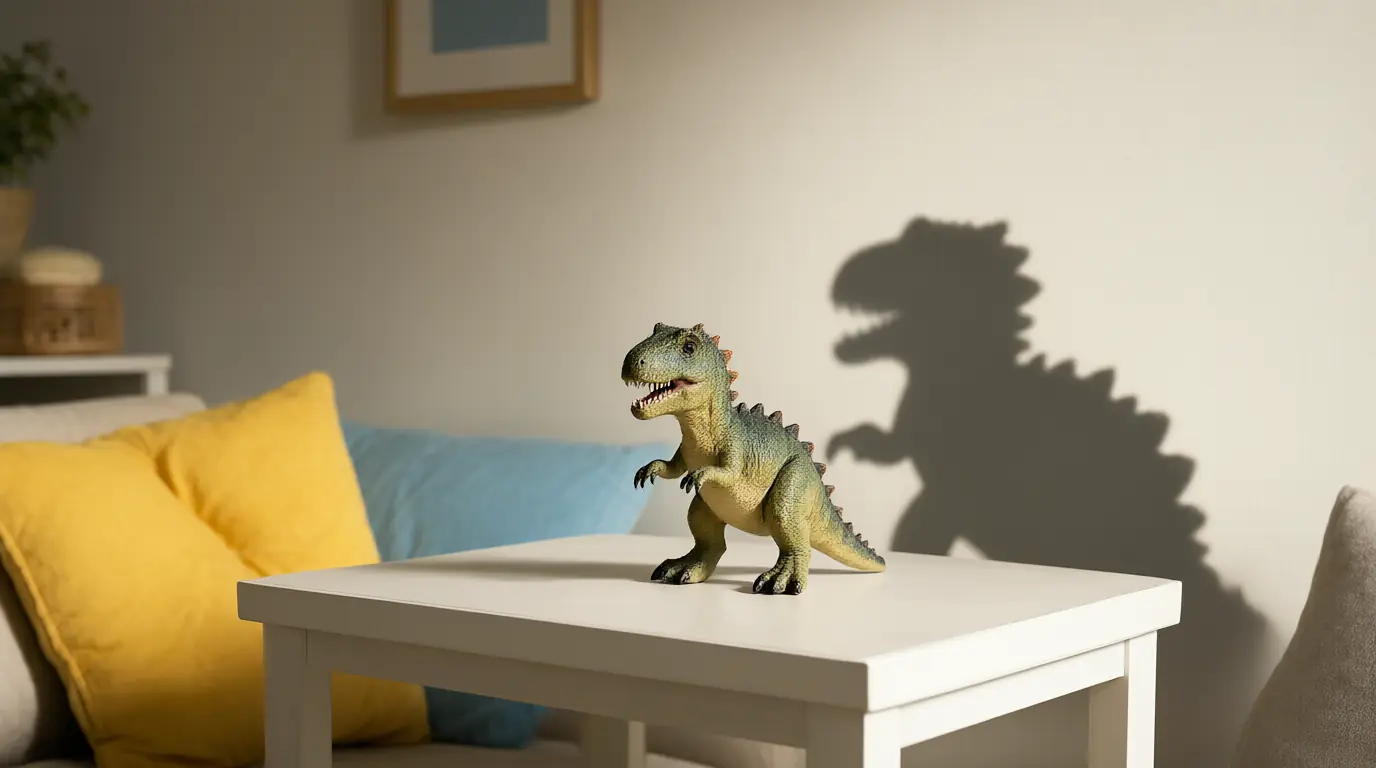
Make it your own: Younger children can simply watch and name the shadows. Older ones can try to make a shadow that looks like another animal using their hands or two toys together.
A sound story in a cosy corner
Listening carefully comes naturally in low light, because the eyes have less to do. A short story with simple sound effects, such as rustling paper for wind or tapping for rain, gives children something to join in with. It is a gentle way to calm down before bed.
You’ll need
- A cushion or blanket
- A paper bag
- A wooden spoon and a plastic cup
- A small lamp
How to do it
- Sit together under the lamp and tell your child you will tell a story with sounds.
- Agree on three sounds: scrunching the paper for wind, tapping the cup for rain, and a soft hum for night.
- Tell a short story about an animal walking through the evening, pausing for each sound.
- Let your child make the sound when you point to them.
- Ask what the animal might hear next and add their idea to the story.
- End with a quiet sound and a hug.
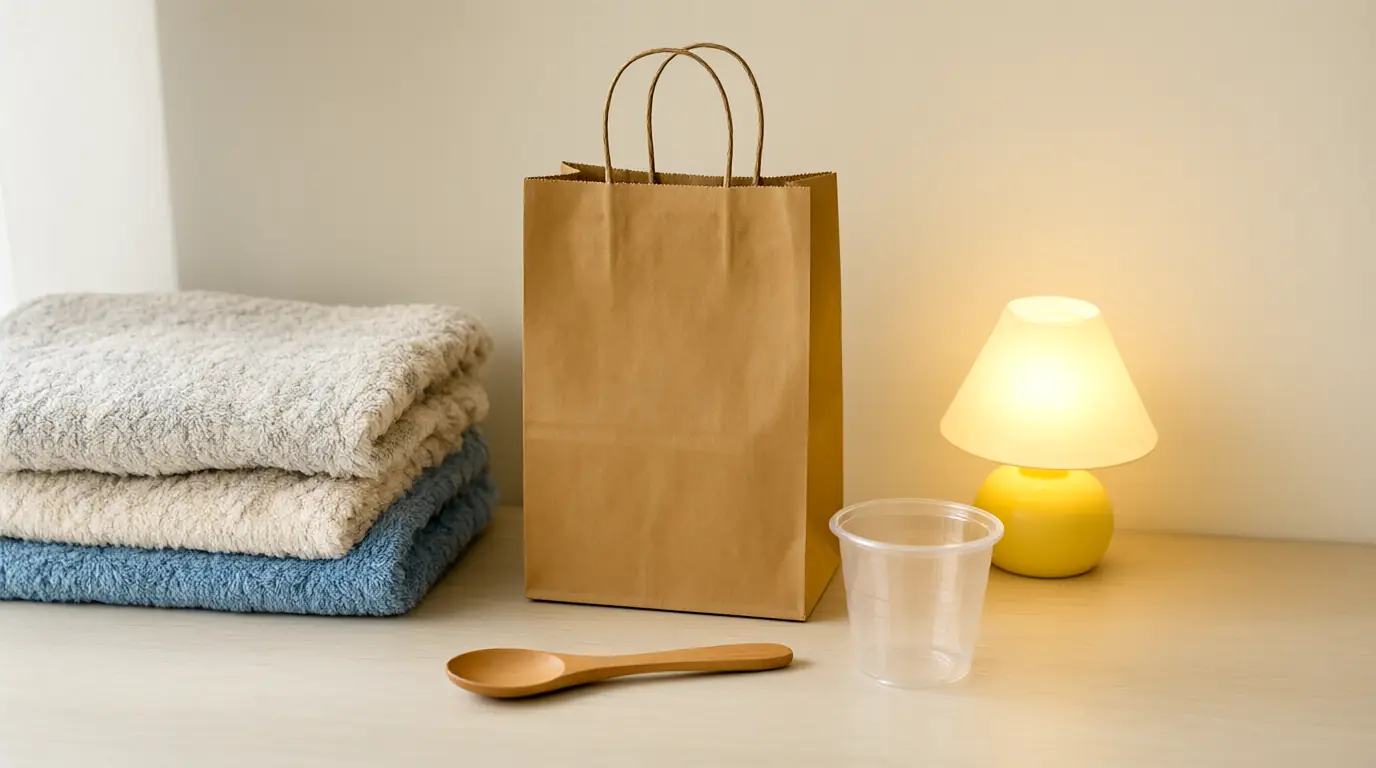
Make it your own: Use just one sound for a toddler. Older children can tell their own story and choose the sounds, or pick which of three sounds fits each scene.
Colour in dim light
In dim light colours look softer or darker, which makes this a simple science experiment. Children compare two views of the same picture and talk about what changed. It is observation, not a test, so there are no wrong answers.
You’ll need
- A colourful picture book or a sheet of crayon drawings
- A lamp with a dimmer or a lamp in another room
- Paper and crayons
How to do it
- Look at a picture in normal light and name three colours.
- Dim the room a little, keeping everything visible, and look again.
- Ask which colours look different, and which look the same.
- Turn the lights back to normal and look once more.
- Draw the same picture twice, once as you remember it in bright light and once in dim light.
- Compare the two drawings and talk about what you noticed.
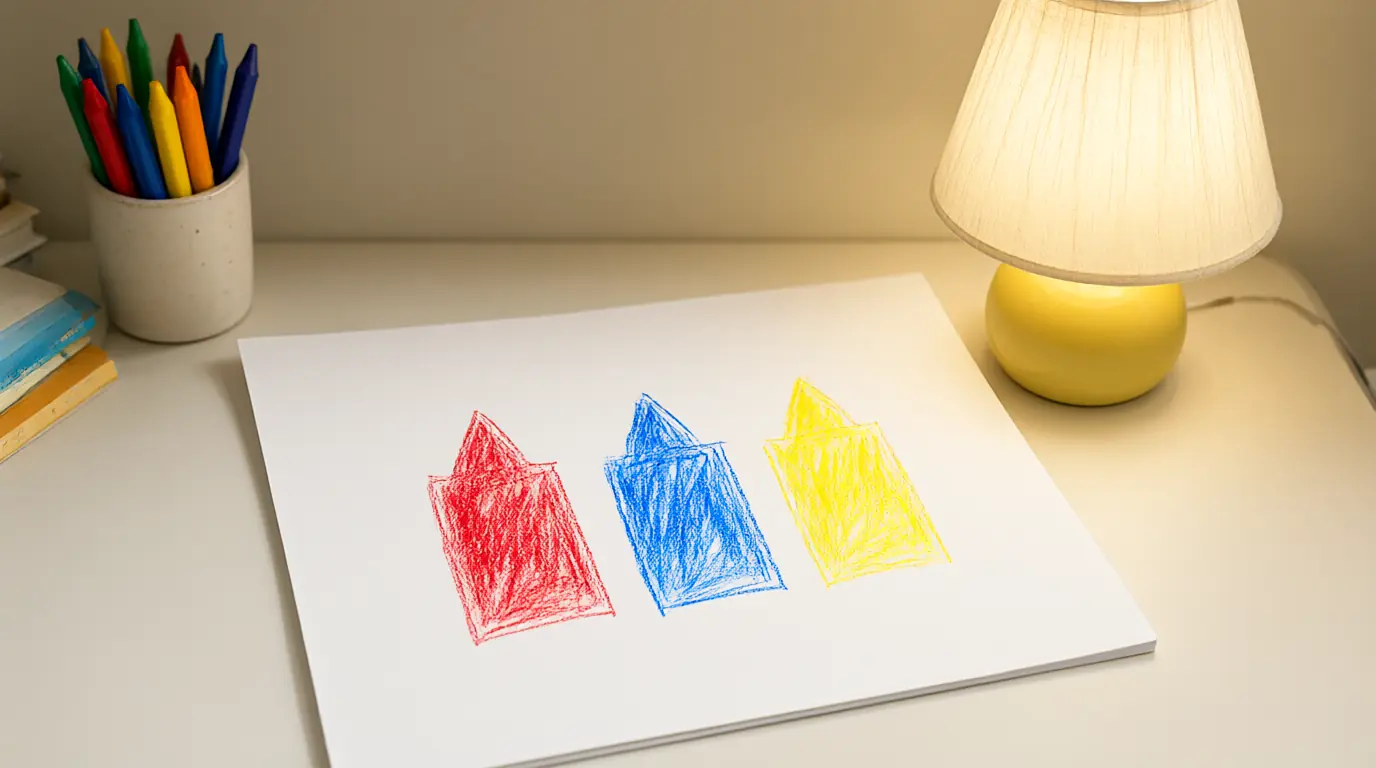
Make it your own: Younger children can match two colours in dim and bright light. Older children can sort crayons from the lightest to the darkest in a dim room.
Quiet spy with a small light
A spy game needs sharp eyes but little movement. One player picks an object in the room and gives clues, and the others guess while staying seated. A gentle lamp keeps the room visible, so the game is about noticing, not stumbling about.
You’ll need
- A lamp or low light
- 5 familiar objects placed around the room
- A cushion to sit on
How to do it
- Sit together with the lamp on and look around the room slowly.
- Choose an object and say, 'I spy with my little eye something that is round.'
- Let your child guess, giving a second clue if needed.
- Swap roles so your child gives the clue.
- Try a clue about a sound, such as 'something that ticks'.
- After five objects, switch off the game and enjoy a quiet cuddle.
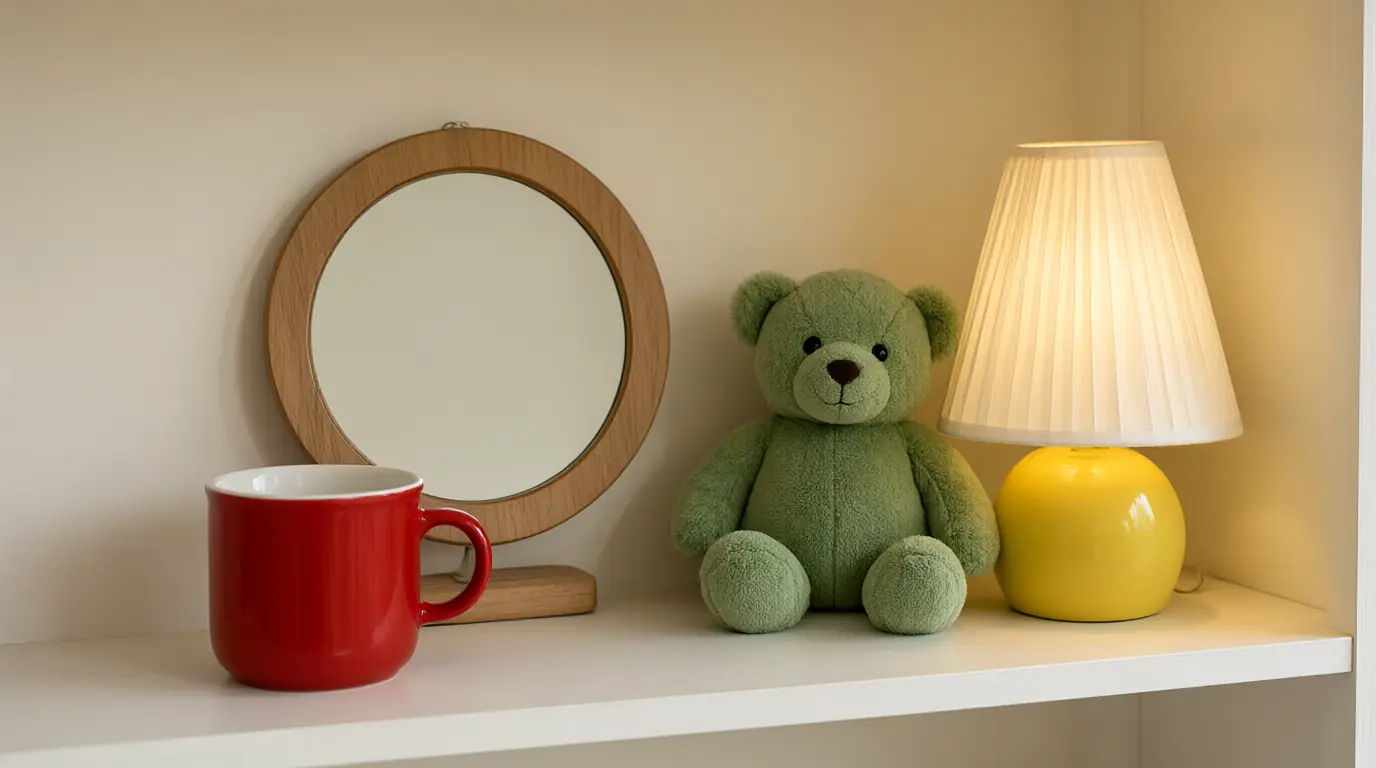
Make it your own: Give two options to a younger child, such as 'Is it the red cup or the blue cup?' Older children can use two-part clues, like 'something soft and blue'.
Bedtime guessing game with a pillowcase
Feeling an unseen object and guessing what it is brings touch to the front. The pillowcase hides the item, the child reaches in and describes what they feel, and the guess becomes a conversation. It works in dim light because the eyes are not needed.
You’ll need
- A clean pillowcase
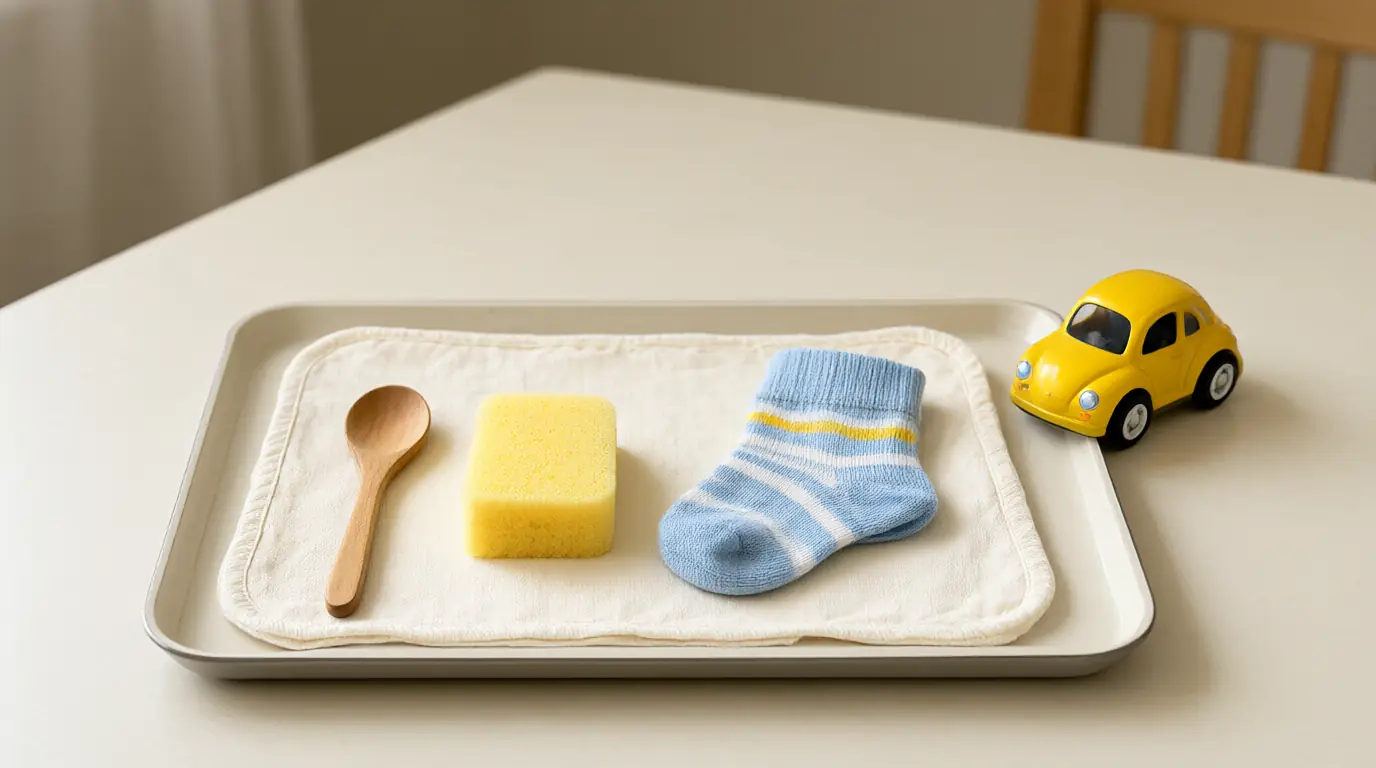
- 5 safe, large objects such as a sponge, a spoon, a book, a sock and a toy car
- A tray
- A dim lamp
How to do it
- Put one object in the pillowcase while your child looks away.
- Let them reach in without looking and describe what they feel: soft, hard, round, bumpy.
- Ask them to guess, then pull the object out together and check.
- Swap places so your child hides an item for you to guess.
- Play three or four rounds and name each object when it comes out.
- Finish by putting everything back on the tray and saying goodnight to each item.
Make it your own: Show the objects first for a younger child, then hide one. For older children, use a clue such as 'it is smaller than your hand' before they reach in.

Make it work for your family
Never treat darkness as something a child must get used to. Some children want the door open and a night light on, and that is fine. Keep the lit alternatives ready, such as drawing the shadow picture under the lamp, so everyone can join without pressure. If your child becomes uneasy, turn the lights up straight away and say, 'Thank you for telling me.'
Try shorter sessions and the same routine each time, so the game feels familiar. For more calm ideas that work indoors, see these indoor activities for toddlers, rainy-day games or spy games for kids that you can play in full light.

Parents also ask
Is it safe to play games in the dark with young children?
It can be if the room is cleared, a soft light stays on, and the games are stationary. Avoid running, hiding and blindfolds, and let an adult control the flashlight. Always bring the lights up if a child feels uncomfortable.
What if my child is afraid of the dark?
Many young children go through a phase of fearing the dark. Do not force them to face it. Use a night light, keep the door open and try low-light games with a lamp on. If the fear is strong or lasts, talk to your doctor or health visitor.
What can I use instead of a flashlight for shadow play?
A lamp with the shade removed or a phone light held by an adult also works, as long as it is bright enough to cast a clear shadow. Keep the light at a distance and never point it at a child's face.
Choose materials and activities that suit your child, supervise as needed and adapt the ideas to their interests and abilities. About our editorial approach