Weebou Editorial Team
 9 min read
 In this article
A little preparation
Choose a table your child can reach comfortably from a chair with both feet flat on the floor, and keep the paper large: A4 is fine, but a folded sheet or an old notebook page feels less precious. Put out two or three tools only — a thick pencil or felt-tip, a crayon and a stamp pad if you have one — plus a scrap sheet for practising a shape before it goes on the real thing. Ten to twenty minutes is usually enough; when interest fades, leave the paper out and come back later.
Set the pretend scene before you mention writing. A cafe needs a table, two chairs and a plate; a post office needs envelopes and a bag. Children write more willingly when the message has a reader waiting, so decide together who will receive it. Follow the age guidance on any stamp pad or glue, keep small parts away from children who still mouth objects, and let an adult handle sharp scissors. If your child is still learning letter shapes, read big marks before tiny letters for a gentler starting point.
Ideas to try together
Open a tiny cafe
A menu is short, repetitive and useful, which makes it a friendly first writing job. Your child chooses two or three items, decides how to show each one — a drawing, a first letter, a whole word or a price in dots — and then reads the menu back to you as the customer. The writing stays small enough to finish, and the pretend order gives it a reason.
 You’ll need
- A folded sheet of A4 card for the menu
- A thick pencil or felt-tip
- Two or three toy plates and a cup
- A small notepad for orders
How to do it
- Fold the card in half and let your child choose two or three things the cafe will serve.
- Ask how each item should appear: a picture, a first letter, a word you write together, or a row of dots for the price.
- Write or draw the items side by side, leaving a clear space between them.
- Set out two chairs and the plates, then take turns being the customer and the person taking the order.
- Show how to jot the order on the notepad with a tick, a letter or a quick picture.
- Read the menu back together at the end and decide whether anything needs adding.
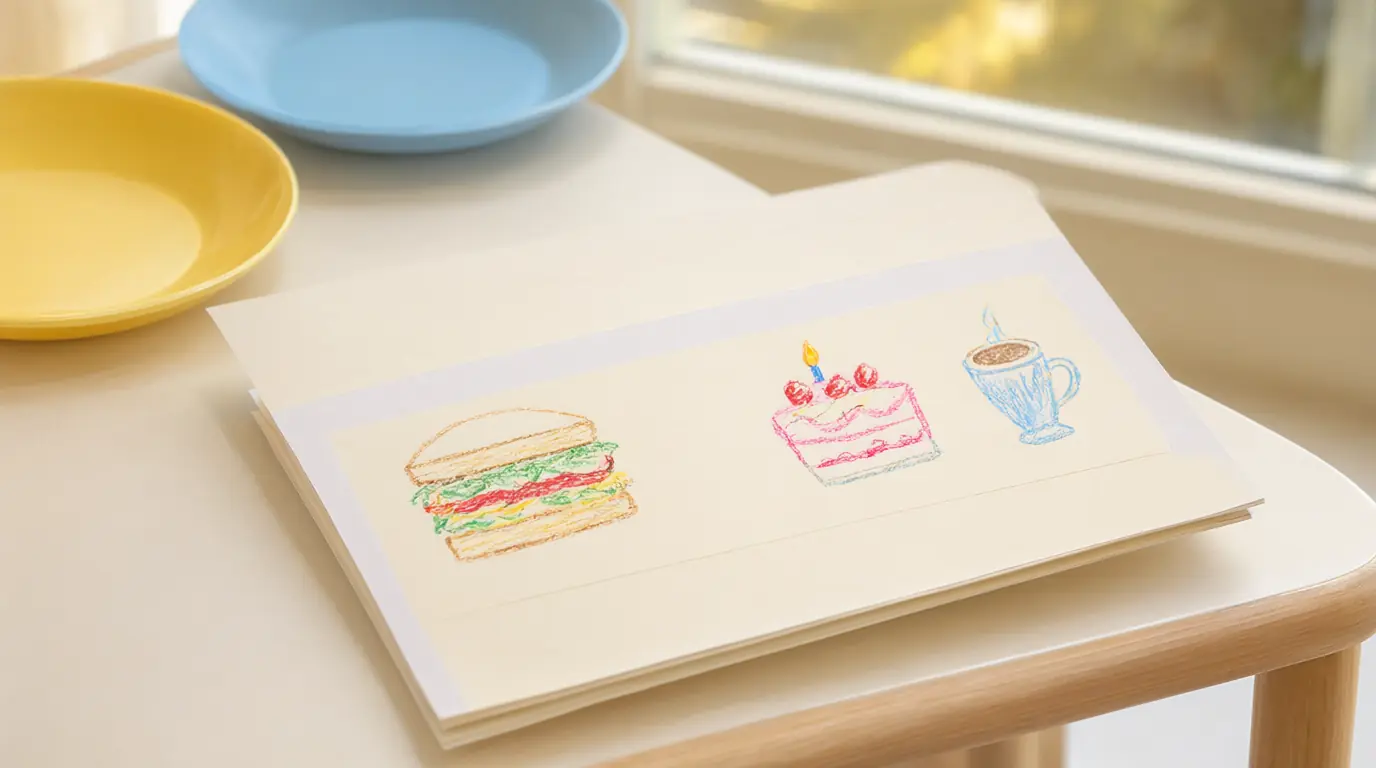
Make it your own: Younger children can draw the food and dictate the words while you write them. Older children can add prices, a special of the day or a second page, and work out the total for an order with dots or tally marks.
Friendly post for someone at home
A message with a named reader is different from a writing exercise. Your child chooses what the person needs to know, you help with the words they cannot spell yet, and the card is delivered rather than filed away. Receiving an answer — a drawing, a note or a thank you — shows that writing can start a conversation.
You’ll need
- A sheet of paper or card to fold
- An envelope or a folded paper pocket
- Crayons and a pencil
- A sticker or a drawn stamp
- A bag for delivery
How to do it
- Ask who the message is for and what that person would like to know.
- Fold the paper into a card and let your child draw or write inside; you can write their words underneath.
- Write the person's name on the front together — a first letter is enough for a younger child.
- Slide the card into the envelope and add a drawn stamp in the corner.
- Choose a delivery place the person will actually look, such as a shoe rack, a pillow or a door handle.
- Deliver it together, watch the person open it, then ask what they might write back.
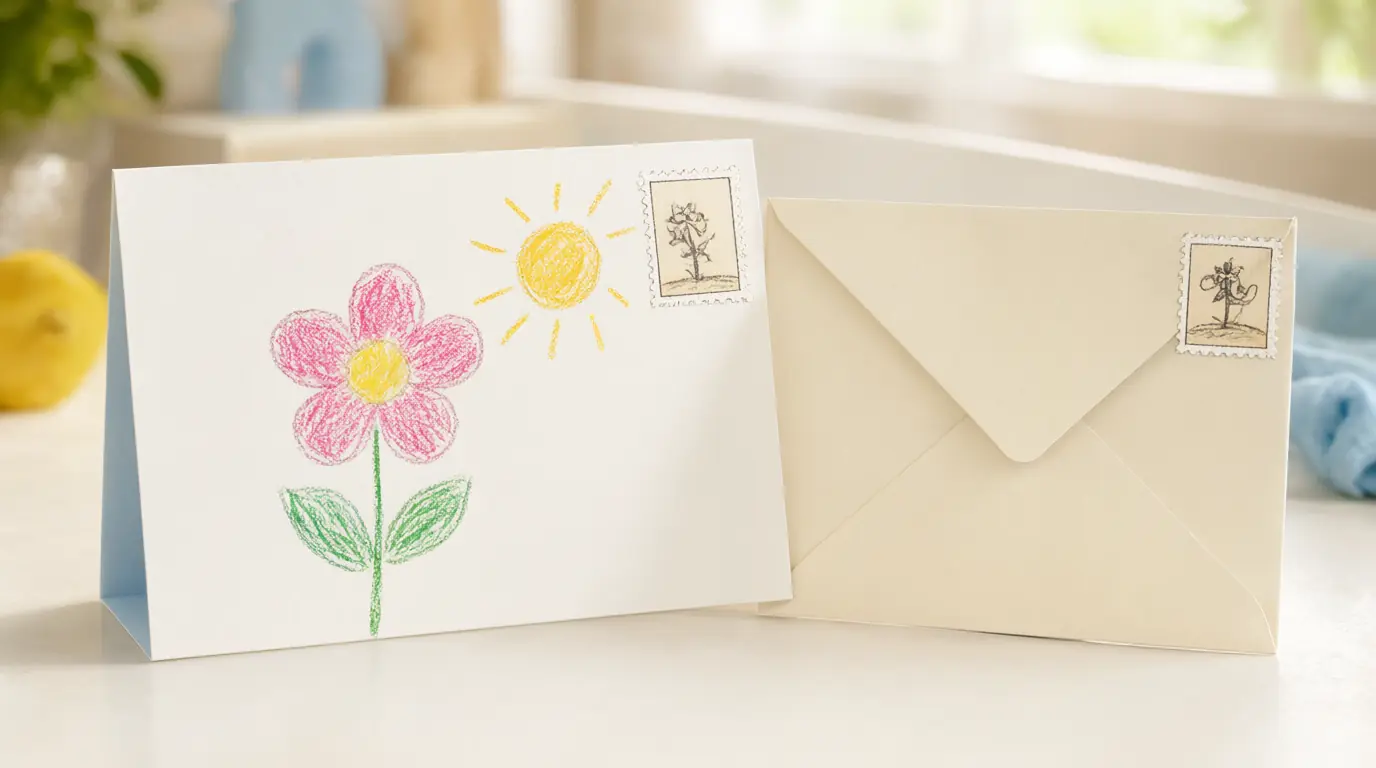
Make it your own: For a younger child, fold the card and let them draw while you write their words underneath. Older children can write the name, add a return address, or make two cards and compare which one is clearer for the reader.
A treasure map with a real route
A map is writing that has to be read by someone else to work, so it teaches children to think about the reader. Marks become instructions: a line means walk here, a cross means look here. When you follow the map exactly as drawn — even when it leads you to the wrong chair — your child sees why clear labels and a marked start matter.
You’ll need
- One sheet of plain paper
- A pencil and two crayons
- A small toy to hide
- A flat surface to draw on
How to do it
- Draw a dot for the start and a cross for the hiding place on the same sheet.
- Add two or three landmarks your child can see in the room or garden, such as a chair, a door or a plant.
- Join the landmarks with a line and talk about which way the route turns.
- Write or dictate a short label for each landmark; a first letter or a small picture is fine.
- Hide the toy, mark it, then swap roles and follow your child's map exactly as drawn.
- Afterwards, change one thing that was confusing and test the new version together.
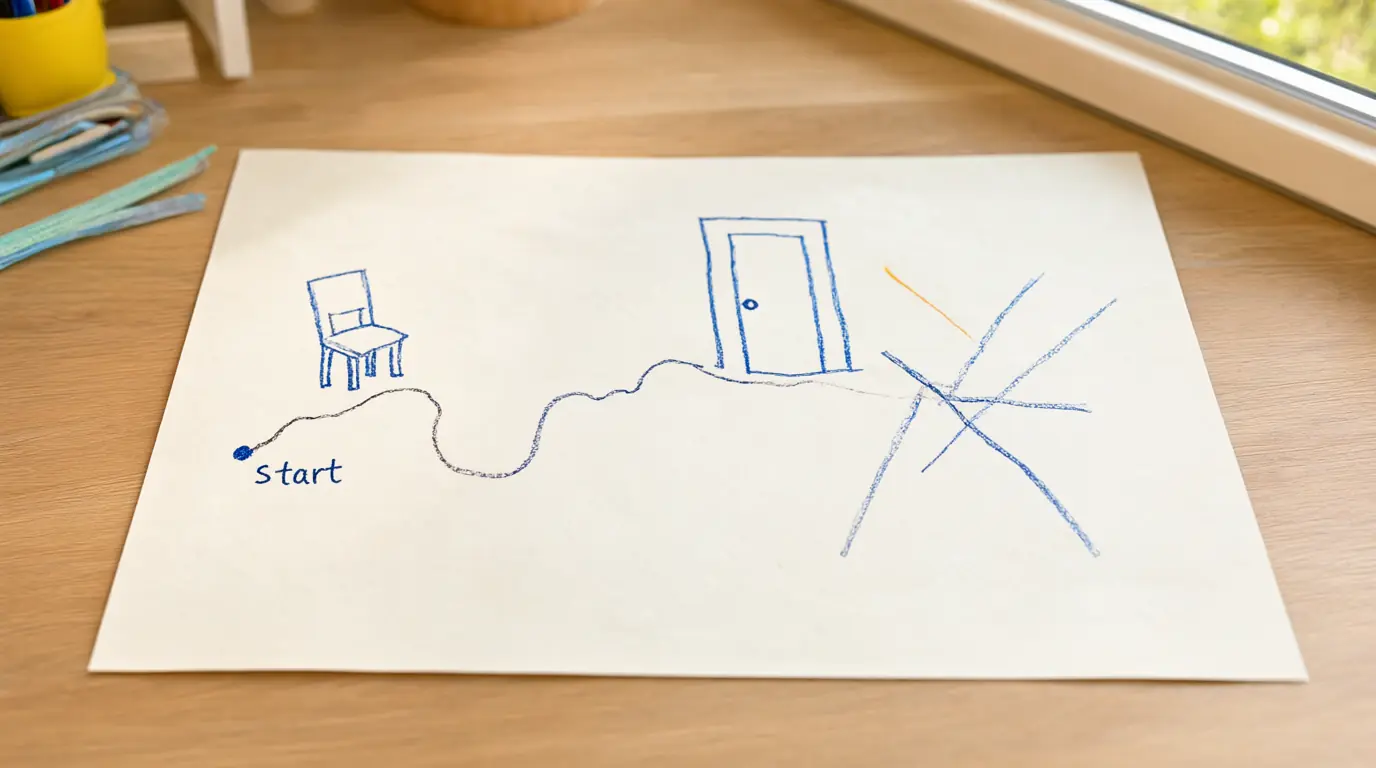
Make it your own: Younger children can draw the route and label each stop with one letter. Older ones can add a key, number the steps in order, or hide two objects and write two separate crosses with different labels.
A repair sign for a broken build
Something in the pretend world is broken, and a sign can explain it before anyone touches it. Writing a warning makes children choose the most important word rather than all the words, and the sign usually gets displayed, which gives the effort a lasting audience. Keep the message to one or two words and let a drawing carry the rest.
You’ll need
- A strip of card or a folded sheet
- A thick marker or crayon
- Tape or a clothes peg
- A pretend broken object, such as a cardboard box or a cushion den
How to do it
- Look at the problem together and ask what a visitor needs to know before they touch it.
- Choose one or two key words together, such as broken, drying or please wait, and write them large.
- Let your child add a picture that makes the meaning clear, such as a puddle or a crossed-out hand.
- Decide where the sign should go so people see it before they reach the problem.
- Attach it with tape or a clothes peg and check that it stays in place.
- Revisit later and ask whether the sign worked or needs a clearer word.
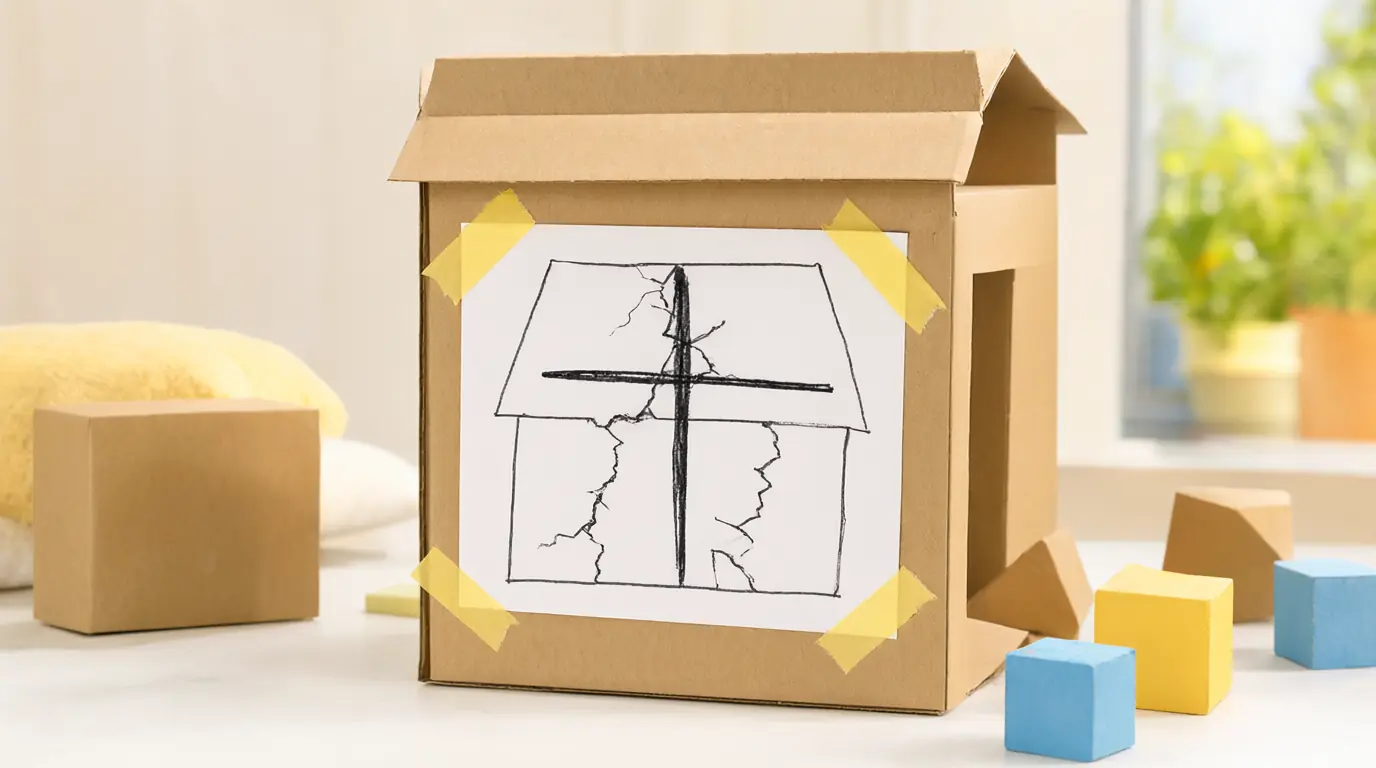
Make it your own: A younger child can draw the warning and tell you the word to write above it. Older children can make two signs for two different problems and decide which one needs the bigger letters.
A shopping list for the pretend shop
A list is one of the few kinds of writing children see adults use every day, and it has an obvious job. Counting items, choosing a mark for each one and crossing them off gives plenty of repetition without a worksheet, and the list can be used straight away in a pretend shop or at the kitchen table.
You’ll need
- A small notepad or a strip of paper
- A pencil or crayon
- A basket
- Five or six toys or food items to shop for
How to do it
- Walk round the room together and name four or five things to buy.
- Write the first letter or a quick picture for each item, one under the other.
- Count the lines together and check that nothing has been missed.
- Take the list and the basket to the pretend shop and find each item in turn.
- Cross off or tick each line as it goes into the basket.
- Add one extra item at the end and ask where it should go on the list.
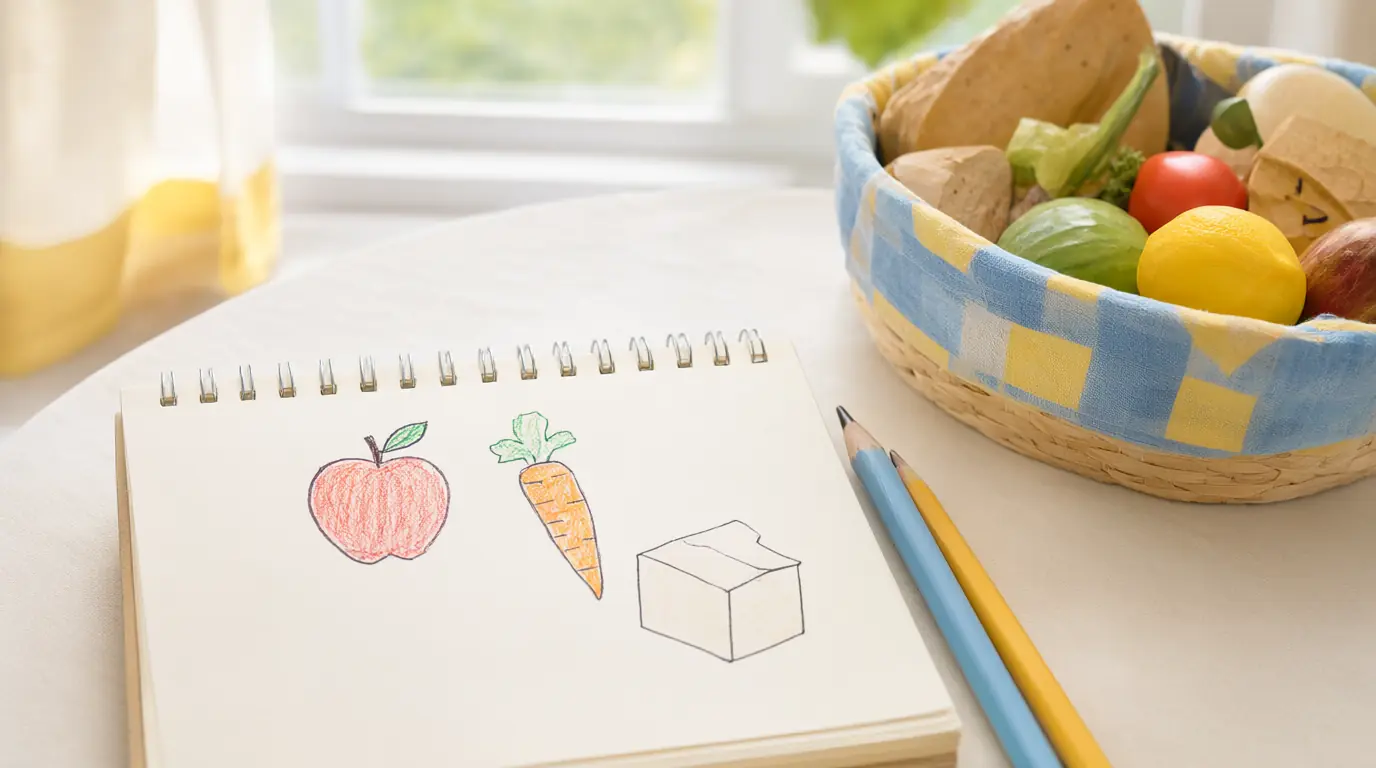
Make it your own: Younger children can use stickers or drawings for each item and count the lines with you. Older children can group the list into sections, add quantities, or write a second list for a different shop.

Make it work for your family
If your child refuses to write, take a turn yourself and let them dictate. Say the sentence aloud, write it slowly while saying the sounds, then read it back. Some children prefer to be the customer, the postman or the inspector and never pick up a pencil — that is still part of the game, and the writing often comes later once they see it is useful.
Keep a small box of paper offcuts, envelopes and blunt pencils within reach so writing does not need a special session. Praise the decision behind the mark ('you chose a big cross for the door') rather than the neatness. For children who find pencil grip tiring, try a few letter games with big movements, or the writing games on the Weebou writing page.

Parents also ask
What age do children start writing letters?
Many children make letter-like marks around three or four and write some recognisable letters by five or six. Interest matters more than age: a child who sees writing used for lists, notes and signs usually tries sooner. If your child avoids all mark-making by five, mention it to their teacher or health visitor.
How can I help a child who does not like writing?
Take the pencil yourself and let them dictate, then read the words back. Give the writing a job someone else needs, such as an order, a sign or a list, and keep sessions short. Being the customer or the postman still counts as joining in.
Should I correct spelling in my child's writing?
For a first attempt, respond to the message before the spelling. Ask what they wanted to say and write the standard spelling underneath so they see it without the mark being called wrong. Save corrections for one or two words they are already close to spelling.
Sources & further reading
Explore these primary sources for further context on this topic.
Choose materials and activities that suit your child, supervise as needed and adapt the ideas to their interests and abilities. About our editorial approach