Weebou Editorial Team
 8 min read
 In this article
A little preparation
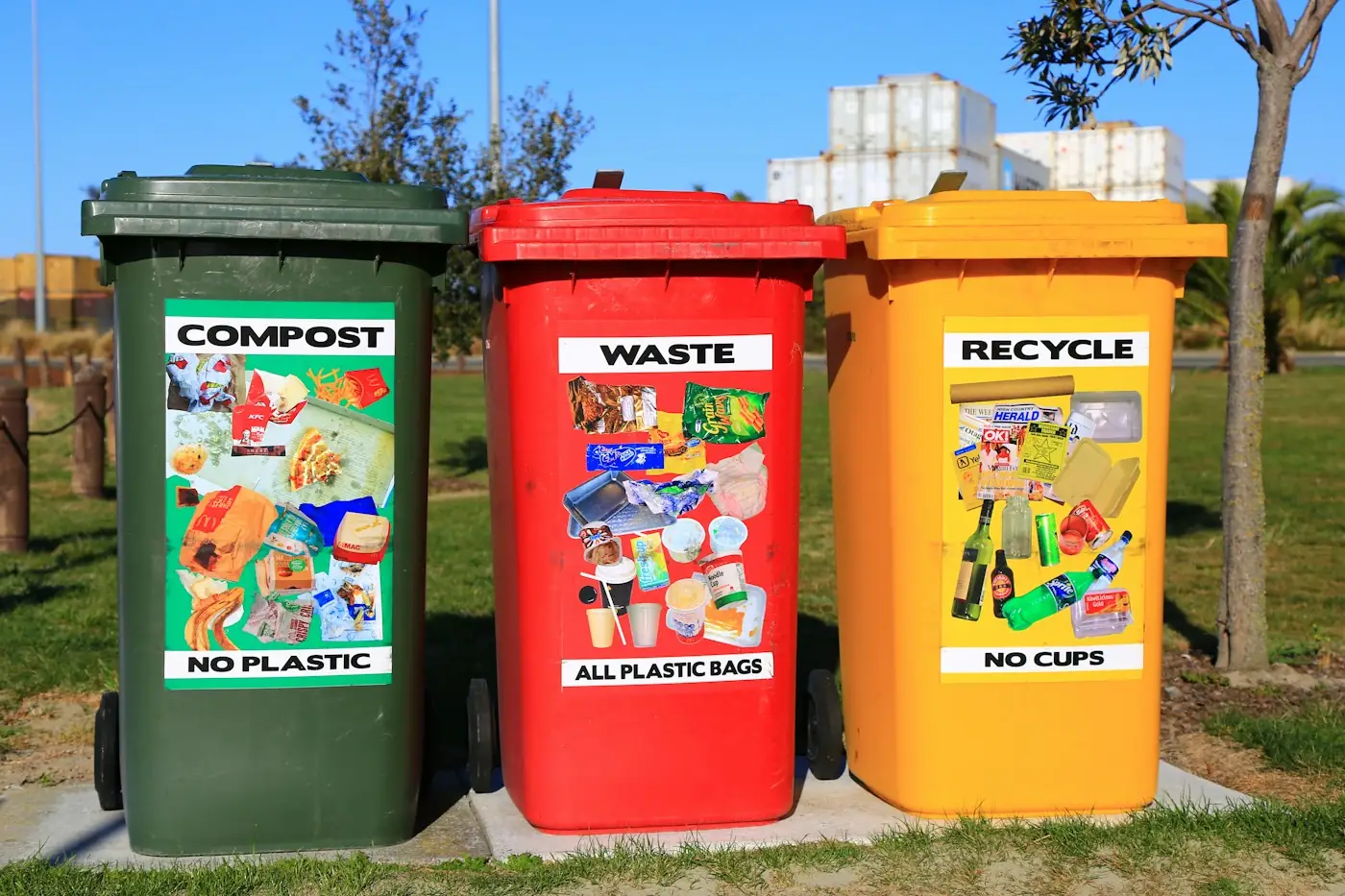
An adult chooses the materials first. Use clean, dry packaging with no sharp edges, no food residue and no small loose parts, such as a cardboard cereal box, a paper bag or a plastic tub. Keep glass, metal cans, batteries, aerosols and chemical containers out of the game and use drawings of them instead. Before labelling baskets, look up your local collection guidance, which is usually on your council or waste service website, because rules for items such as plastic film, coffee cups or cartons vary.
Set up at a table or a patch of floor with a tray or mat under the play area. Write or draw a simple label on each basket, such as 'paper and card', 'plastic bottles and tubs' or 'ask a grown-up'. Keep the pretend-sorting items separate from your real bins so that clean packaging does not mix with waste. Wash hands after any session that involved handling packaging. If you are unsure whether something is accepted, add it to the 'ask a grown-up' basket and check together afterwards.

Ideas to try together
Picture sorting station
Sorting picture cards lets children practise grouping by material without touching real waste. A basket for 'not sure' teaches an important habit: when you do not know, you check rather than guess. It also gives you a natural moment to check your local rules together, which models looking things up instead of guessing.
 You’ll need
- 10 to 12 picture cards of everyday packaging
- 3 baskets or boxes with simple picture labels
- A sticky note for the 'ask a grown-up' basket
- Your local recycling guidance
How to do it
- Draw or cut out pictures of familiar items such as a milk bottle, a cardboard box and a yoghurt pot.
- Label the baskets using your local guidance.
- Shuffle the cards and let your child pick one at a time.
- Ask where it might go and what they noticed about it, such as its colour or feel.
- Place cards you are unsure about in the 'ask a grown-up' basket.
- Look up two of those items together before the game ends.
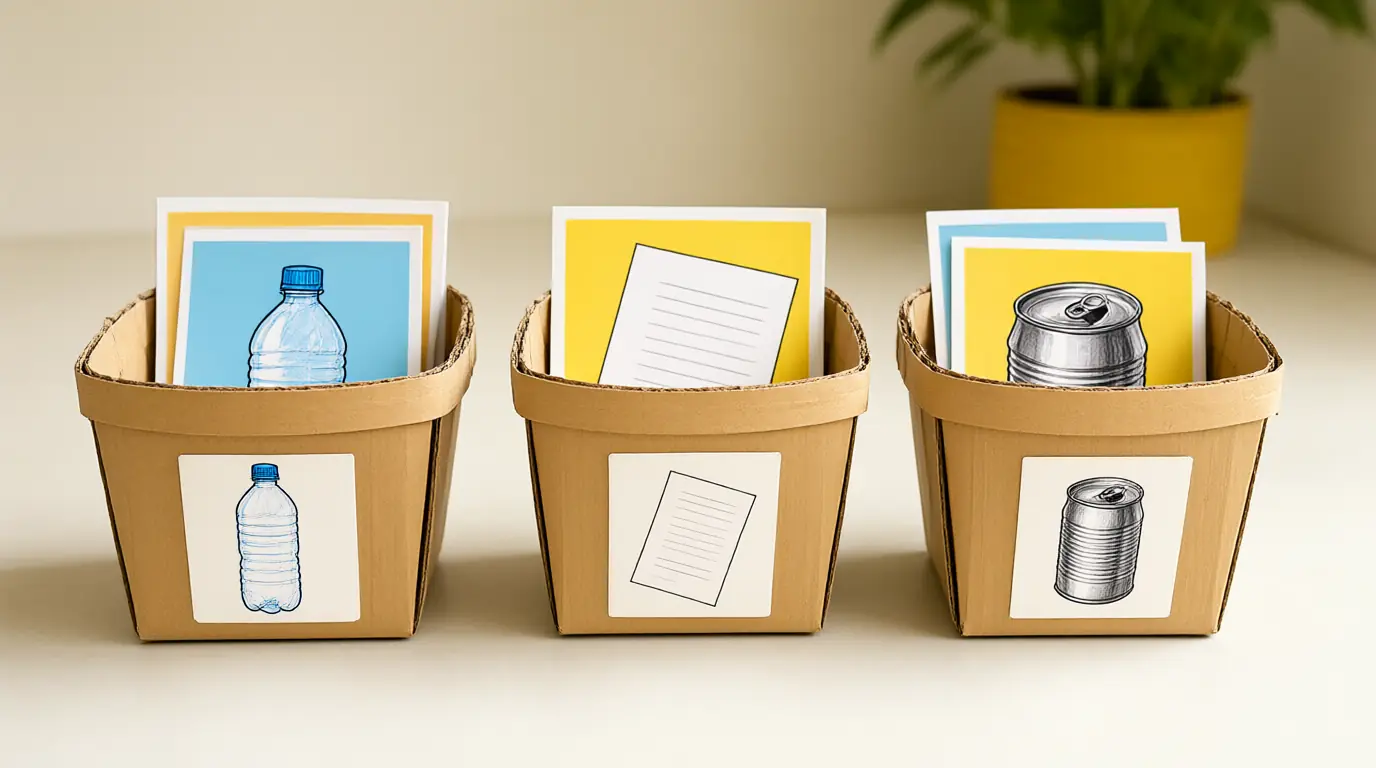
Make it your own: Younger children can sort into two baskets only. Older children can write or draw a reason on a sticky note for each card.
The reuse design table
Before recycling, there is reuse: giving something a second job. Asking what a clean box could become sets children thinking creatively about everyday objects, and they decide how the new thing will be used. Children are often delighted to find that something you were about to throw away has a new purpose, and the idea stays with them the next time they see a box.
You’ll need
- A clean cardboard box or a plastic tub
- Crayons and paper
- Child-safe tape
- A few small toys to test the new object
How to do it
- Place the clean box on the table and ask, 'What could this do next?'
- Let your child draw an idea on paper, such as a toy garage or a pencil tray.
- An adult makes any cuts that are needed, using safe scissors away from the child.
- Decorate with crayons or paper shapes.
- Test the new object with the toys.
- Decide where the finished piece will live in the house.
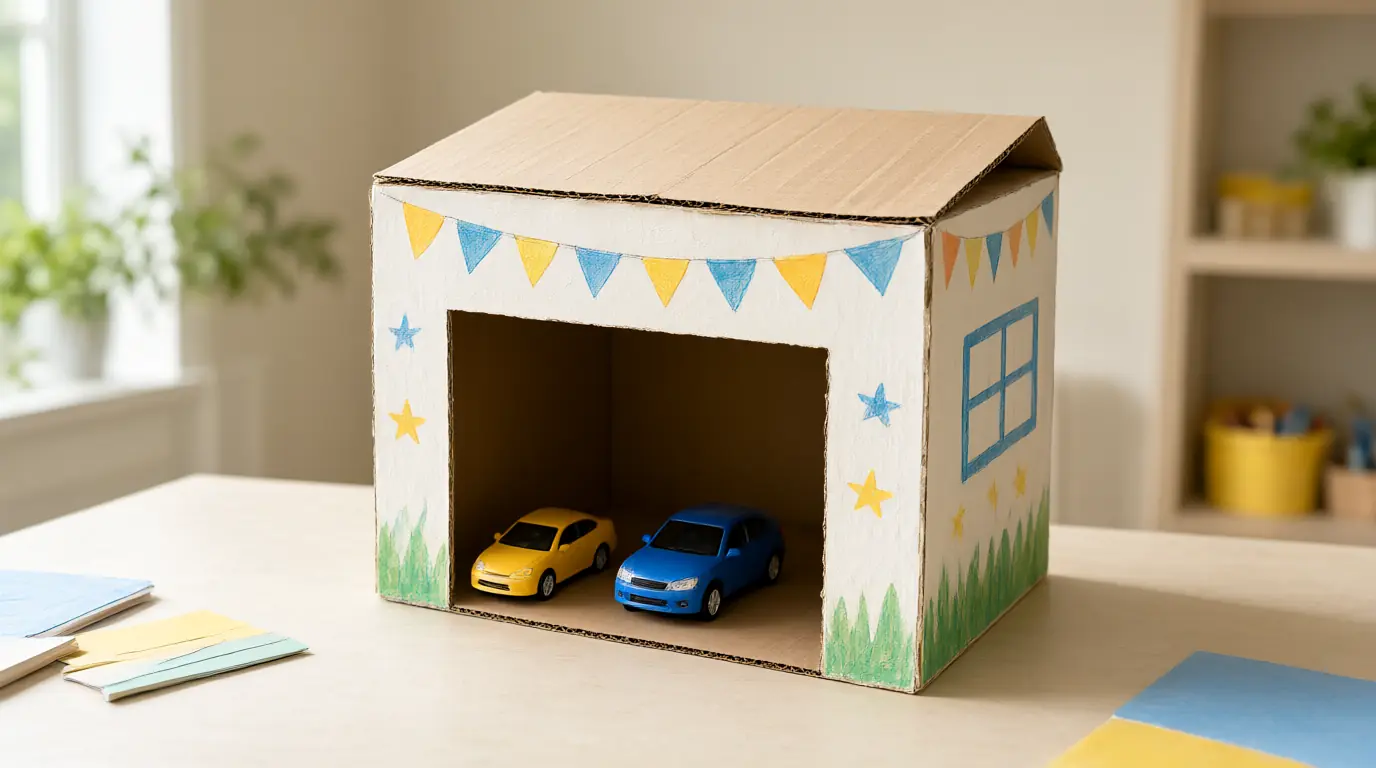
Make it your own: Younger children can decorate a ready-made tray. Older children can plan two ways of using the same box and choose between them.
Packaging comparison
Looking closely at two similar objects teaches children to notice materials, weight, texture and labels. It is a first step towards understanding why some things are easier to recycle than others. Naming what you see, such as shiny, crinkly or stiff, builds vocabulary while the comparison stays open-ended and there is no right pick.
You’ll need
- 2 clean packages, such as a cardboard box and a plastic tub
- A magnifying glass or paper tube
- Paper and crayons
- Your local recycling guidance
How to do it
- Place the two packages side by side and let your child pick them up.
- Ask which is heavier, which is smoother and which makes more noise when tapped.
- Draw each one, noting a feature that stood out.
- Find the recycling symbols or text on the labels together without reading the fine print.
- Check your local guidance to see what your service accepts.
- Talk about what could be reused before it goes in the bin.
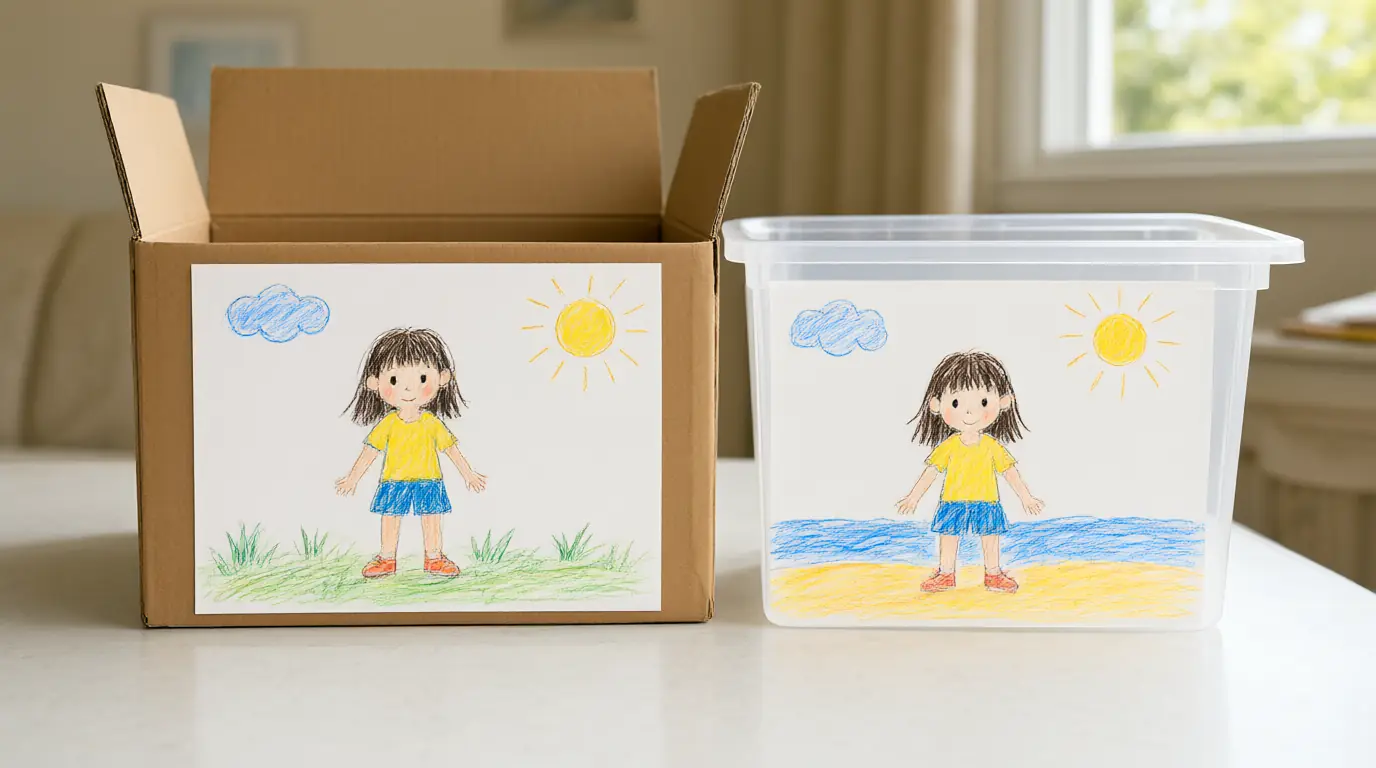
Make it your own: Younger children can just feel and describe. Older children can sort the two into groups by material and count how many of each they have at home.
The pretend repair shop
Repairing something is another way of keeping it out of the bin. A pretend shop lets children practise problem-solving and describing what is wrong, and it shows that broken things can be mended. Fixing things in pretend play also gives children a calm, positive way to talk about what happens when a favourite toy breaks.
You’ll need
- A soft toy or a toy car
- Paper job cards
- A toy toolbox or a cloth bag with safe props
- A table as the shop counter
How to do it
- Set up the table as a repair shop with a sign drawn by your child.
- Invent a problem, such as a loose wheel or a torn ear.
- Let your child interview the 'customer' and write or draw the problem on a job card.
- Choose safe pretend tools and mend the toy by wrapping, stroking or adding a paper patch.
- Hand the toy back and ask how it feels now.
- Talk about a real thing at home that was mended or could be.
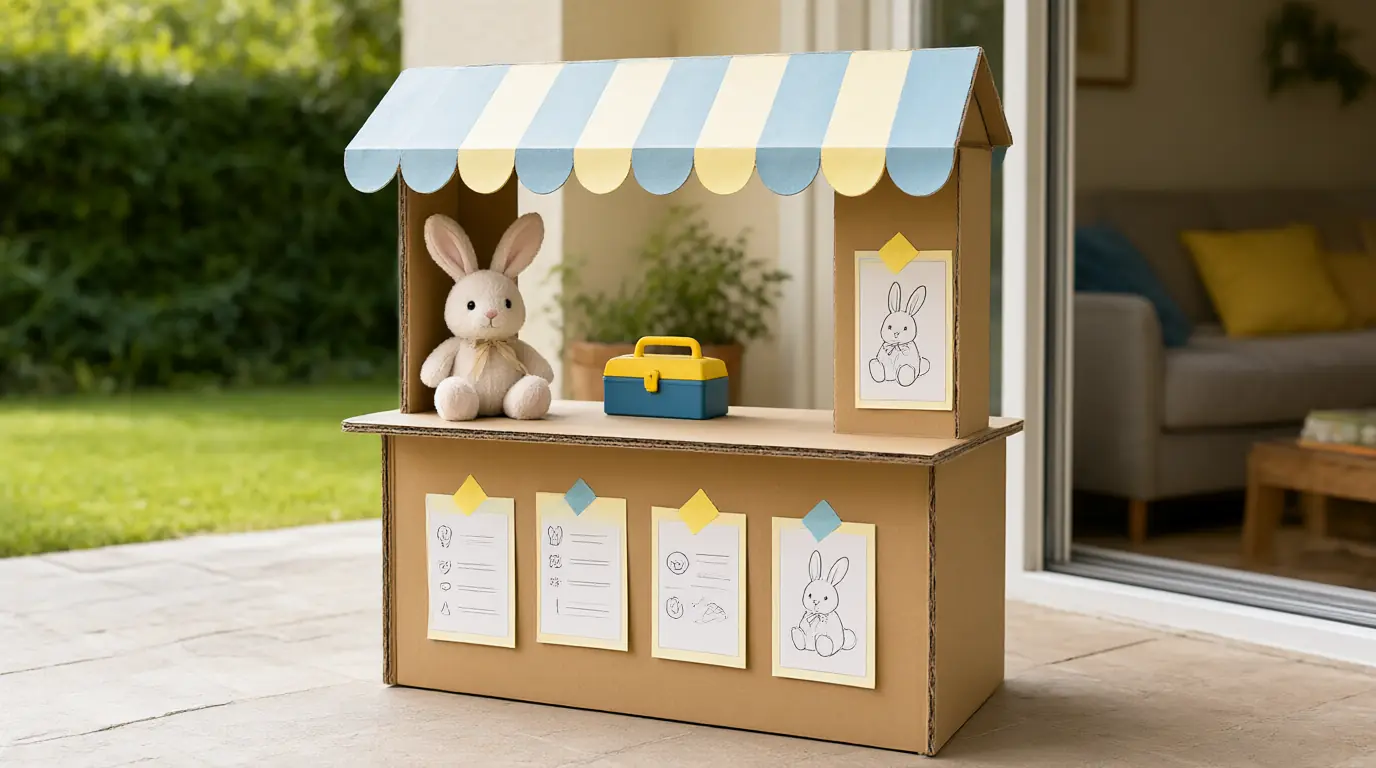
Make it your own: Younger children can mend by hugging. Older children can write a pretend bill using picture symbols.
Make something from a clean paper bag
A paper bag has many possible second lives as a puppet, a mask, a storage bag or a wrapping paper. Choosing between these helps children see that one object can be used in several ways. Because the bag is light and soft, it is a safe, cheap material that older and younger children can both decorate.
You’ll need
- A clean paper bag
- Crayons
- Paper scraps
- Child-safe glue stick
How to do it
- Open the bag and ask what shapes it makes when you hold it in different ways.
- Decide whether it will become a puppet, a gift bag or a holder.
- Draw eyes, a mouth or a pattern with crayons.
- Add paper scraps with a glue stick.
- Use the finished bag for a short pretend game.
- When it is worn out, check whether it can be recycled in your area.
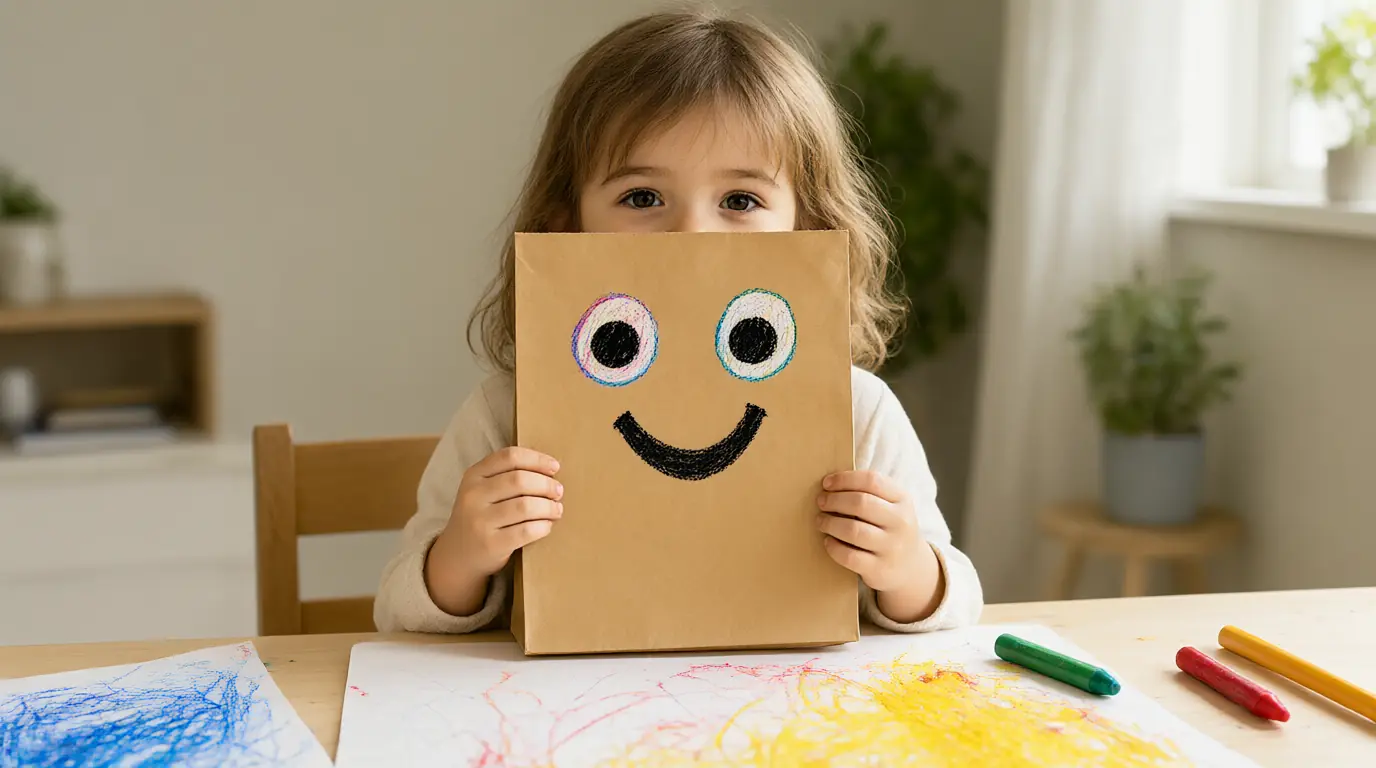
Make it your own: Younger children can scribble on the bag. Older children can plan a face on paper first and then copy it.

Make it work for your family
Explain that different places accept different items, so a new symbol on a package is a question to check rather than a rule to guess. Keep pretend sorting separate from real waste bins and wash hands after handling any packaging used in the game. If a child tries to put real food waste into a pretend basket, that is a chance to talk about where food scraps go in your area.
For further nature-based play, try Earth Day activities for preschoolers or gardening activities for kids, and make a short sorting break with the Weebou matching game on days when you cannot gather materials.

Parents also ask
How do I teach a young child about recycling?
Start with simple sorting by material, using picture cards or clean packaging, and look up your local rules together. Talk about reusing before recycling, and keep it practical so your child can see how the choices connect to your own bins.
Is it safe to let children handle real recyclables?
Only clean, dry, safe items such as paper and card boxes are suitable. Keep glass, metal cans, batteries and chemical containers away, and use picture cards for them. Wash hands afterwards and supervise throughout.
Why do recycling rules differ from place to place?
Local services use different equipment and have different arrangements for processing materials, so what they accept varies. That is why it helps to check your local council or waste service guidance rather than assume the symbol on a package decides it.
Choose materials and activities that suit your child, supervise as needed and adapt the ideas to their interests and abilities. About our editorial approach