Weebou Editorial Team
 In this article
A little preparation
Begin by deciding what you want your child to understand, and say it in a sentence or two: 'Memorial Day is a day when people remember soldiers who died in service to their country.' Check beforehand whether your child or a friend has a family connection to a loss, because a casual activity can feel very different to someone who is grieving. If your family has a story of someone you want to remember, share it in simple terms.
Keep the tone quiet and respectful rather than festive, though many families also enjoy picnics and parades on the same day, and that is fine. Avoid reenactments, toy weapons or dramatic stories of battle; young children do not need details of war, and some can find them frightening. Allow about ten to twenty minutes for each activity and let your child leave whenever they want. If your child asks a hard question, such as why people die, give a short and honest answer and say that you are happy to talk again. It is fine to say you do not know.

Ideas to try together
A quiet remembrance drawing
Drawing gives a child a way to think about a big idea without having to find the words. The picture can be of peace, thankfulness or someone they miss, and it stays private if they wish. You listen and write down only what they choose to say.
 You’ll need
- A sheet of plain paper
- Crayons or coloured pencils
- A pen for you
- A flat surface
How to do it
- Say, 'Today people remember those who have died. Would you like to draw something to remember or something peaceful?'
- Let your child choose their own subject and colours.
- Sit nearby and draw quietly yourself if they like company.
- When they have finished, ask, 'Would you like to tell me about it?' and write down their words only if they want you to.
- Offer to keep the picture, put it on a wall for the day or place it somewhere special.
- Thank them for sharing, whether or not they say anything.
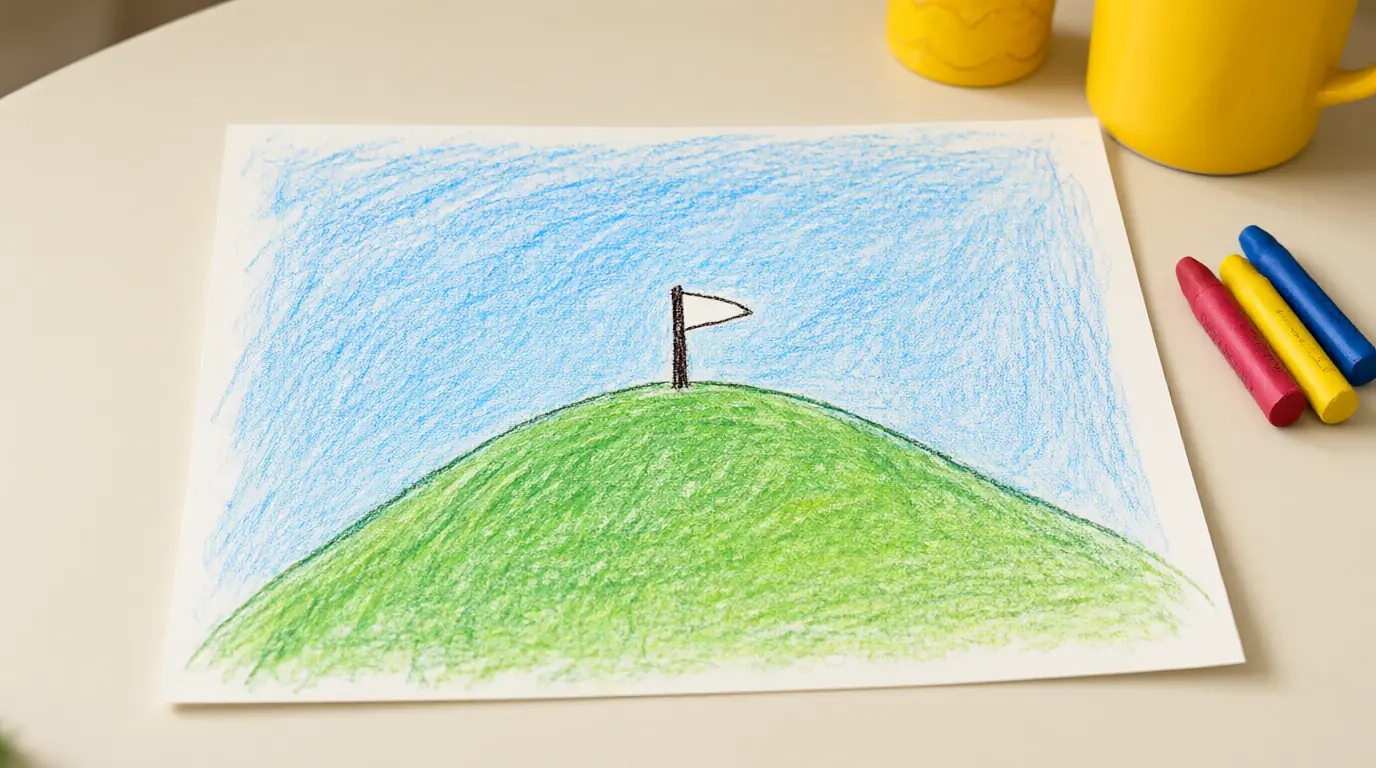
Make it your own: Younger children may only scribble in one colour, and that is fine. Older children can add a short sentence or a message to someone in their family.
A calendar that tells two days apart
Memorial Day and Veterans Day are often confused. Marking both on a calendar helps children see that one remembers those who died and the other thanks all who have served. It also gives them a way to follow the seasons of the year.
You’ll need
- A wall or family calendar
- Two stickers or paper markers in different colours
- A pencil
- A trusted public source such as a library book
How to do it
- Find the last Monday in May on the calendar and put one marker on it.
- Say what the day is for in a simple sentence.
- Find November 11 and put the other marker there.
- Explain that Veterans Day is for thanking everyone who has served in the military, living or dead.
- Ask your child to point to the day we remember people who have died.
- Look together at a library book or a reliable site to learn how the days began.
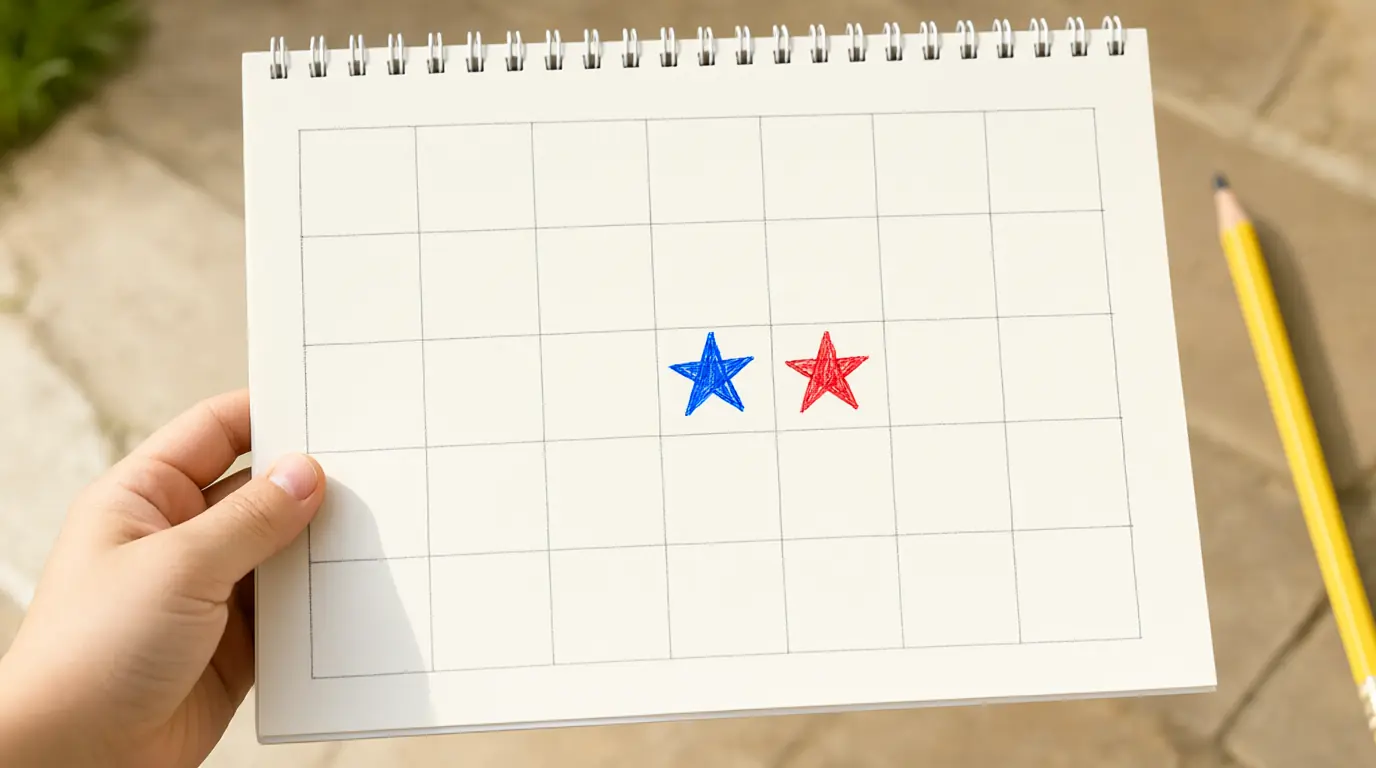
Make it your own: Younger children can match two colours to two days. Older children can count how many weeks until each day or decide how your family will mark it.
Visiting a public event with a plan
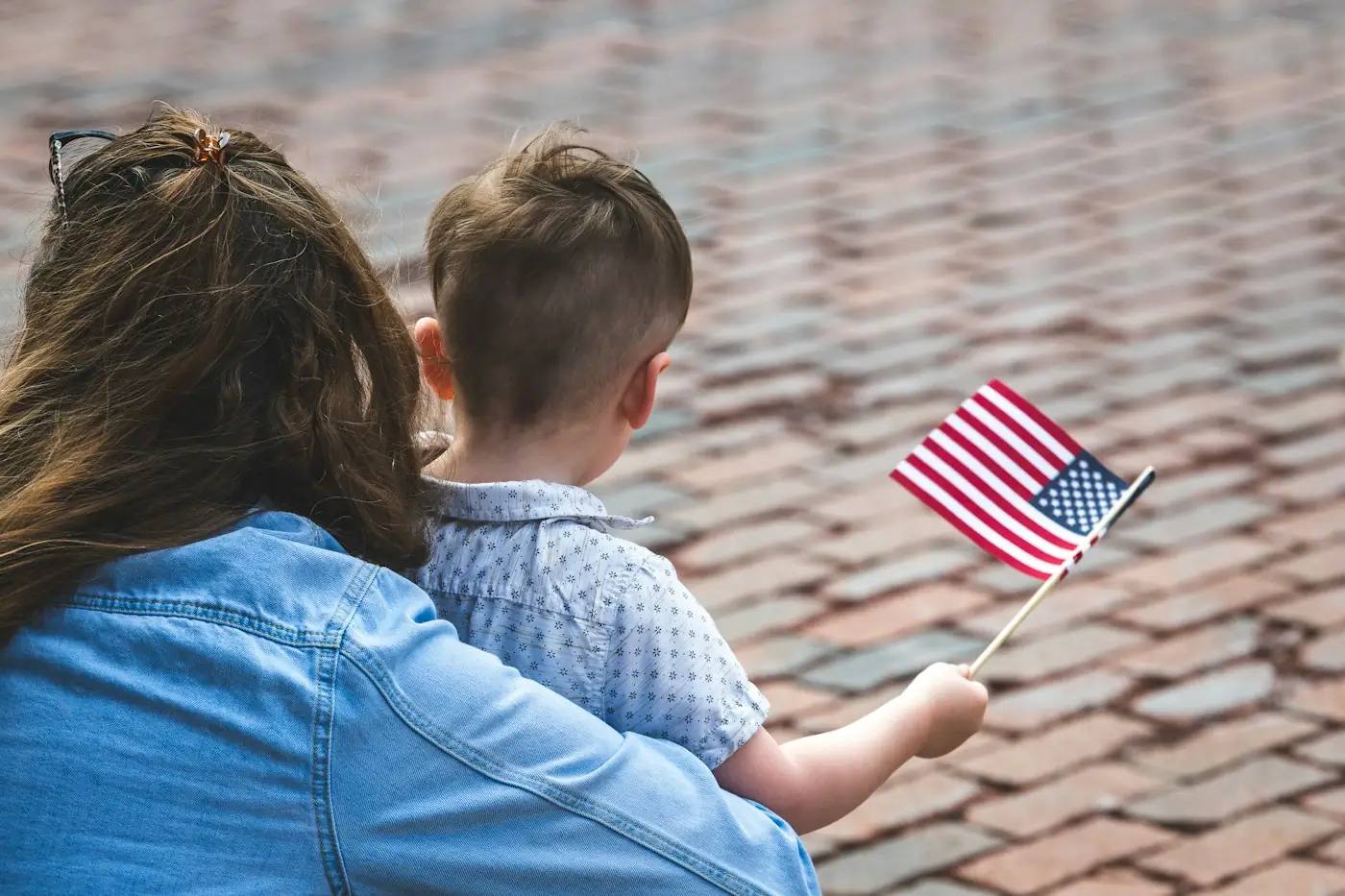
Many towns hold a parade or a ceremony on Memorial Day. Going with your child can make the day real, but crowds and sounds can be a lot for little ones. Preparing in advance and choosing a quiet spot helps the visit feel safe and meaningful.
You’ll need
- A small flag or ribbon
- A folding stool or blanket
- A drink and snack
- Ear defenders if your child is sensitive to noise
How to do it
- Talk about what you will see, such as people in uniform, flags and music.
- Explain that people stand quietly and show respect during parts of the ceremony.
- Choose a place near the edge so you can leave easily.
- Let your child hold a small flag if they like.
- Whisper what you notice, such as the music or the colours.
- Afterwards, ask what they remember and how they felt.
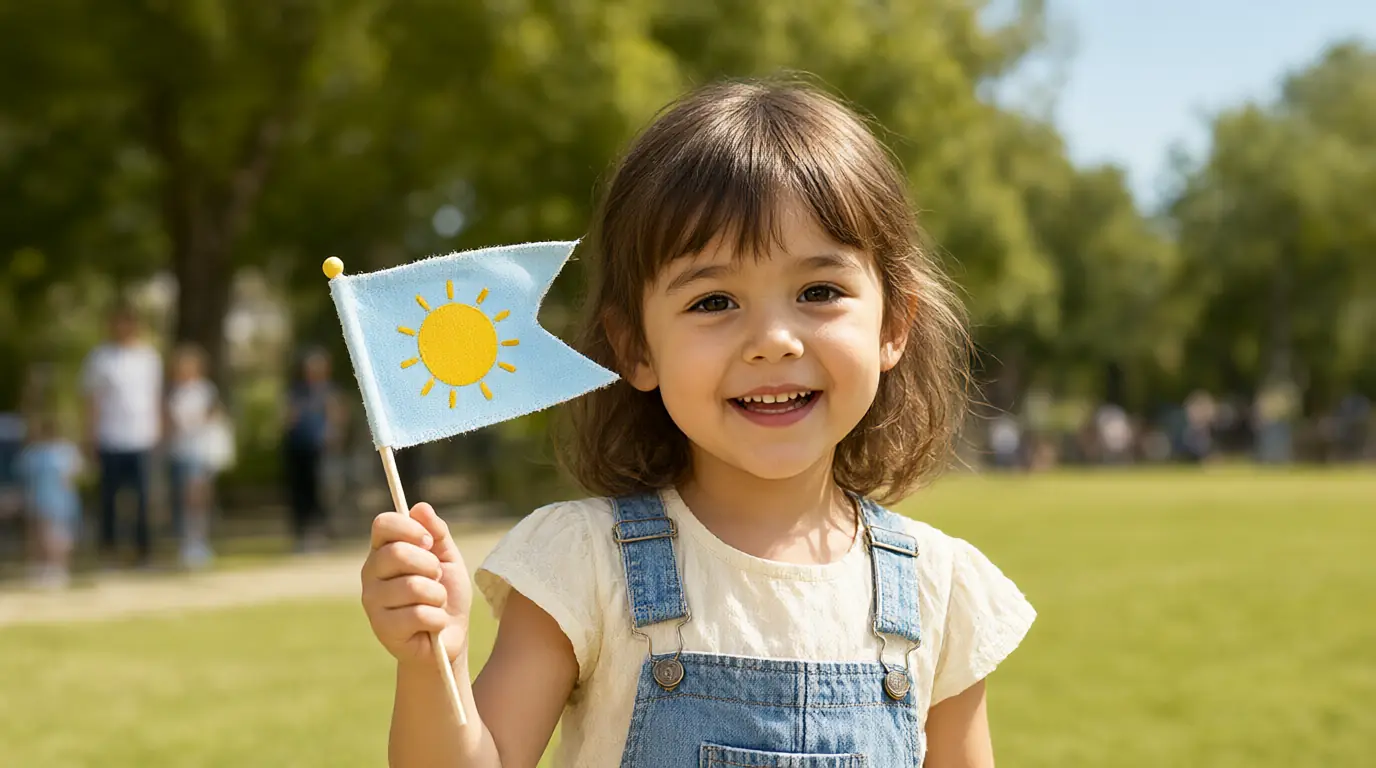
Make it your own: Stay for only ten minutes with a younger child. Older children can ask questions to a volunteer, or look up the name of the local memorial.
A thank-you card for a veteran
Writing to someone who has served turns a big idea into a kind act. Because the person is alive, a child can send a card, and this connects to Veterans Day as well. It gives a child something to do with their feelings of gratitude.
You’ll need
- A folded card
- Crayons
- An envelope
- A stamp
How to do it
- Decide who might get a card: a neighbour, a grandparent or a veterans' organisation that accepts cards.
- Fold the card in half and let your child decorate the front.
- Ask what they would like to say, and write it inside using their words.
- Let them sign their name in their own way.
- Address the envelope together and post it, or deliver it by hand.
- Ask how the person might feel when they open it.
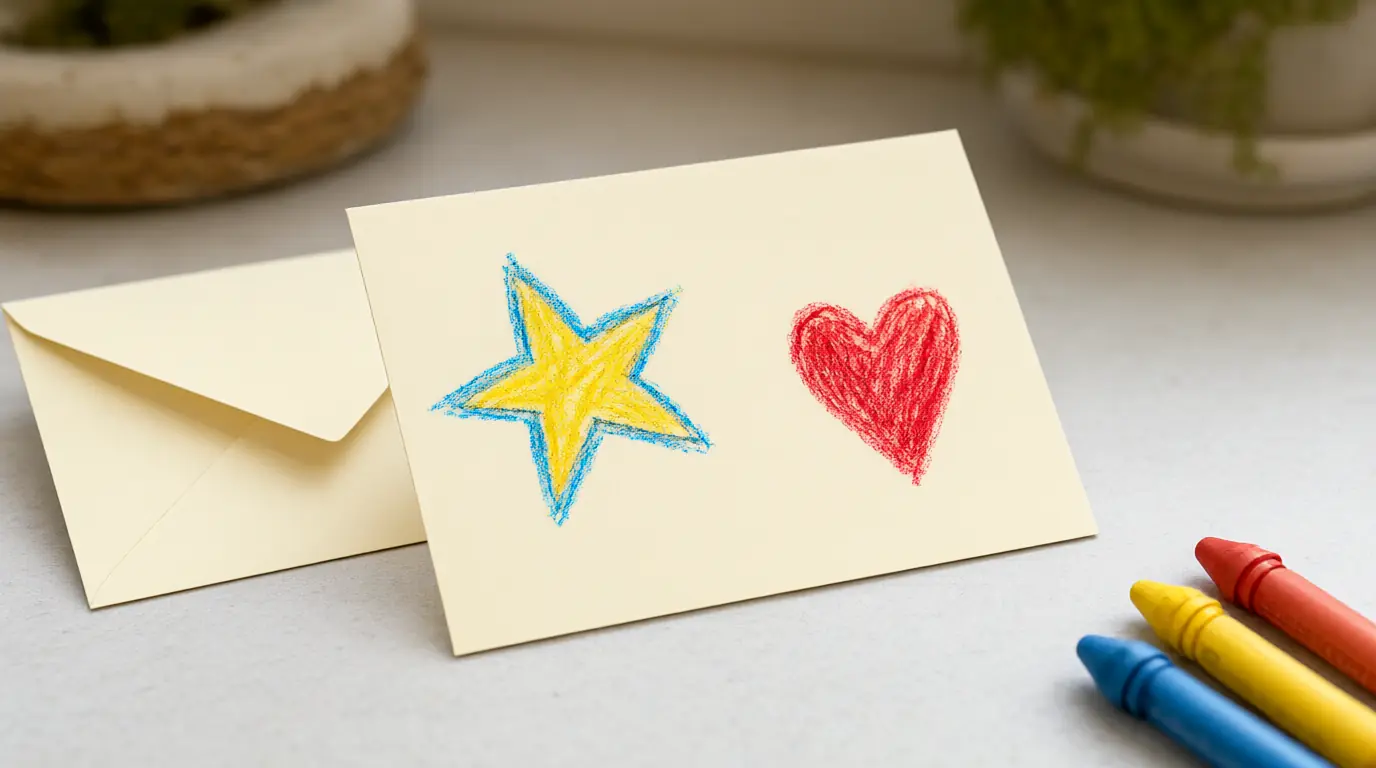
Make it your own: Younger children can add a scribble or a handprint. Older children can write a sentence or two and draw a small picture.
A minute of quiet
Many people observe a moment of silence on Memorial Day. A very short quiet minute lets a child practise stillness and thinking about others. It is not a test, and a child can wriggle or whisper without spoiling it.
You’ll need
- A clock or sand timer
- A cushion
- A flower or stone to hold
How to do it
- Explain that for one minute you will sit quietly and think about people who have died.
- Invite your child to hold a flower or stone.
- Start the timer and sit together.
- When it ends, say a simple thank you or hold hands.
- Ask whether they thought of anyone and, if so, who.
- Place the flower or stone somewhere you can see it.
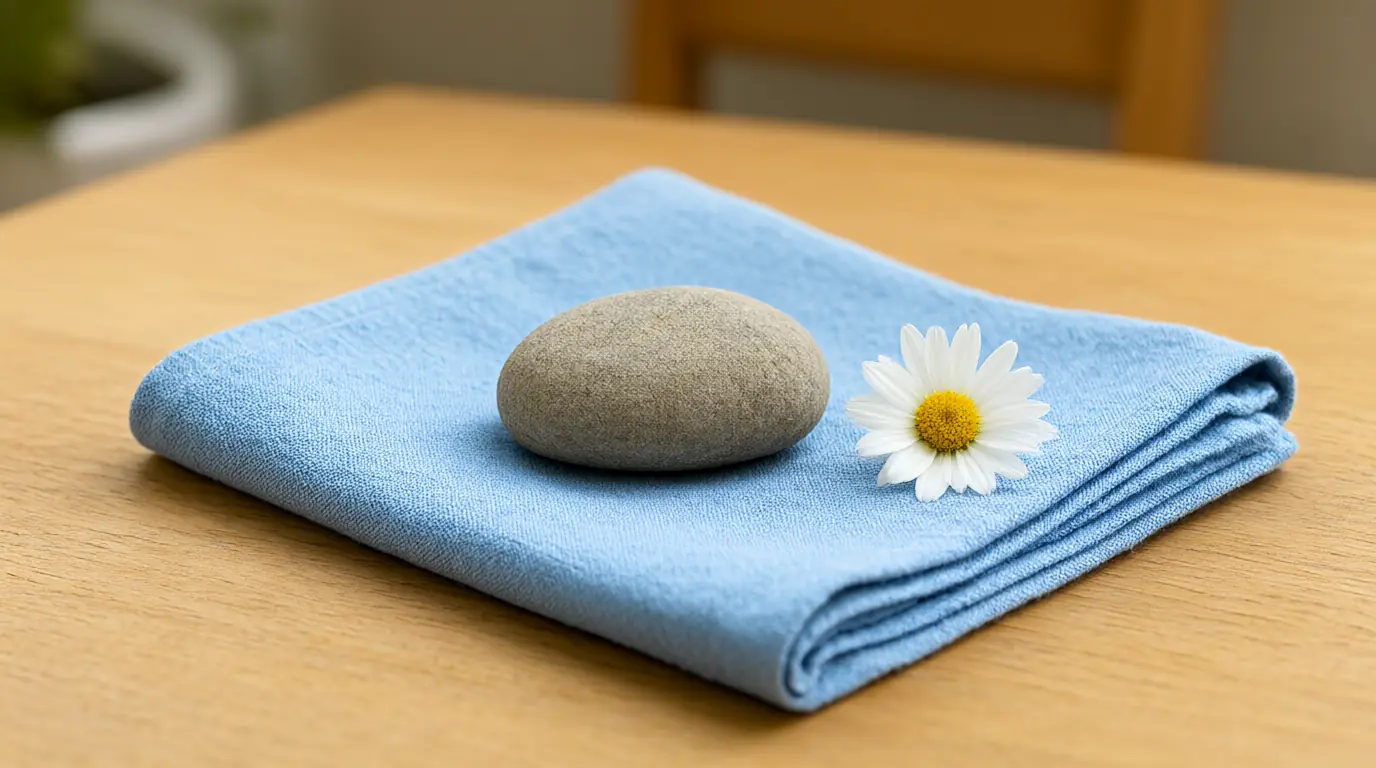
Make it your own: Reduce the time to thirty seconds for a younger child. Older ones can pick the person they would like to remember.

Make it work for your family
Do not ask a child or another guest to describe painful family experiences in a group, and do not assume everyone has the same relationship to the day. Some families grieve, some serve and some simply do not talk about it. If your child asks a question you cannot answer, look it up together in a library book rather than guessing.
Memorial Day often falls on a long weekend, so it can sit alongside picnics. You can acknowledge both by keeping a short, quiet moment for remembrance before the celebration. For a related day that thanks living service members, see Veterans Day activities for kids, or try the gratitude ideas for small daily rituals.

Parents also ask
What is the difference between Memorial Day and Veterans Day?
Memorial Day, on the last Monday in May, remembers military personnel who died in service. Veterans Day, on November 11, honours all who have served in the armed forces, living or dead. Many people thank living veterans on Veterans Day and remember the fallen on Memorial Day.
How do I explain Memorial Day to a young child?
You can say that it is a day when people remember soldiers who died while serving their country, and that many people are sad and thankful. Keep it simple, avoid details of war and let your child ask questions. It is fine to say you do not know everything.
Is it appropriate to have fun on Memorial Day?
Many families enjoy picnics and gatherings as part of the weekend, and it is fine to do so alongside time to remember. Take a moment to explain the day's purpose before celebrating, and be sensitive to anyone in your group who may be grieving.
Sources & further reading
Explore these primary sources for further context on this topic.
Choose materials and activities that suit your child, supervise as needed and adapt the ideas to their interests and abilities. About our editorial approach