Weebou Editorial Team
 In this article
A little preparation
Explain the day in a few simple sentences: 'This is a holiday in the United States when many people remember the country's beginning and spend time together.' Leave out detail your child is not asking about and be ready for questions you cannot answer; you can look them up together. Families have different histories and traditions, so make the activities open to everyone who joins you, whatever the celebration means to them.
Plan daytime crafts and games at a quiet table or in the garden, and keep them to 15 to 30 minutes. Cutting is an adult job unless your child uses blunt child scissors. Fireworks are for trained professionals only, so view them at an official display if at all, keep a safe distance and follow local event guidance. If sound or crowds are hard for your child, prepare ear defenders, a quiet spot and a plan to leave early.

Ideas to try together
Neighbourhood kindness cards
Making a greeting for someone else shifts the focus from the occasion to the people. Your child decides what words or pictures would make a guest feel welcome, which is a gentle introduction to thinking about another person's feelings.
 You’ll need
- Card folded in half
- Washable markers
- Star and heart stickers
- A list of people or guests
How to do it
- Decide who will get a card: a neighbour, a grandparent or a visitor.
- Ask your child what would make that person smile.
- Draw the picture on the front, such as a flag, a flower or a sunny sky.
- Write a short message your child dictates, such as 'Happy 4th of July!'
- Add stickers and let your child sign their name or make a mark.
- Deliver or hand over the card with a smile.
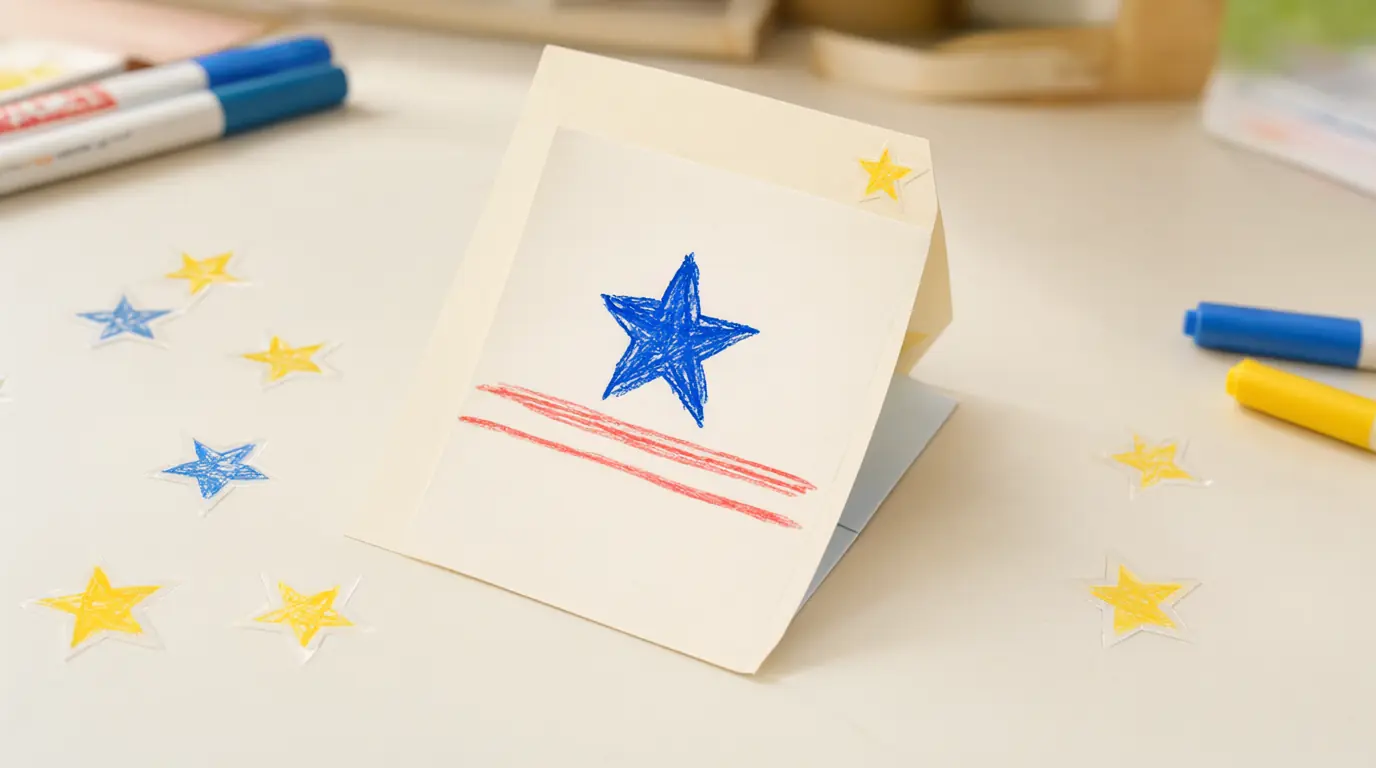
Make it your own: Younger children can make a sticker-only card. Older children can write the greeting themselves or add a drawn invitation to a picnic.
Colour-pattern bunting
Red, white and blue shapes are a natural way to practise patterns. Your child chooses the order, repeats it and sees the sequence grow along a string, which is a satisfying way to learn about patterns.
You’ll need
- Red, white and blue paper cut into 15 cm triangles by an adult
- A long piece of string or ribbon
- Child-safe tape or a glue stick
- Star stickers
How to do it
- Lay the triangles on the floor in any order.
- Choose a pattern such as red, white, blue and say it aloud.
- Repeat it along the string, one triangle at a time.
- Fold the top of each triangle over the string and tape it.
- Add a star sticker to each white triangle if you like.
- Hang the bunting low across a doorway or porch.
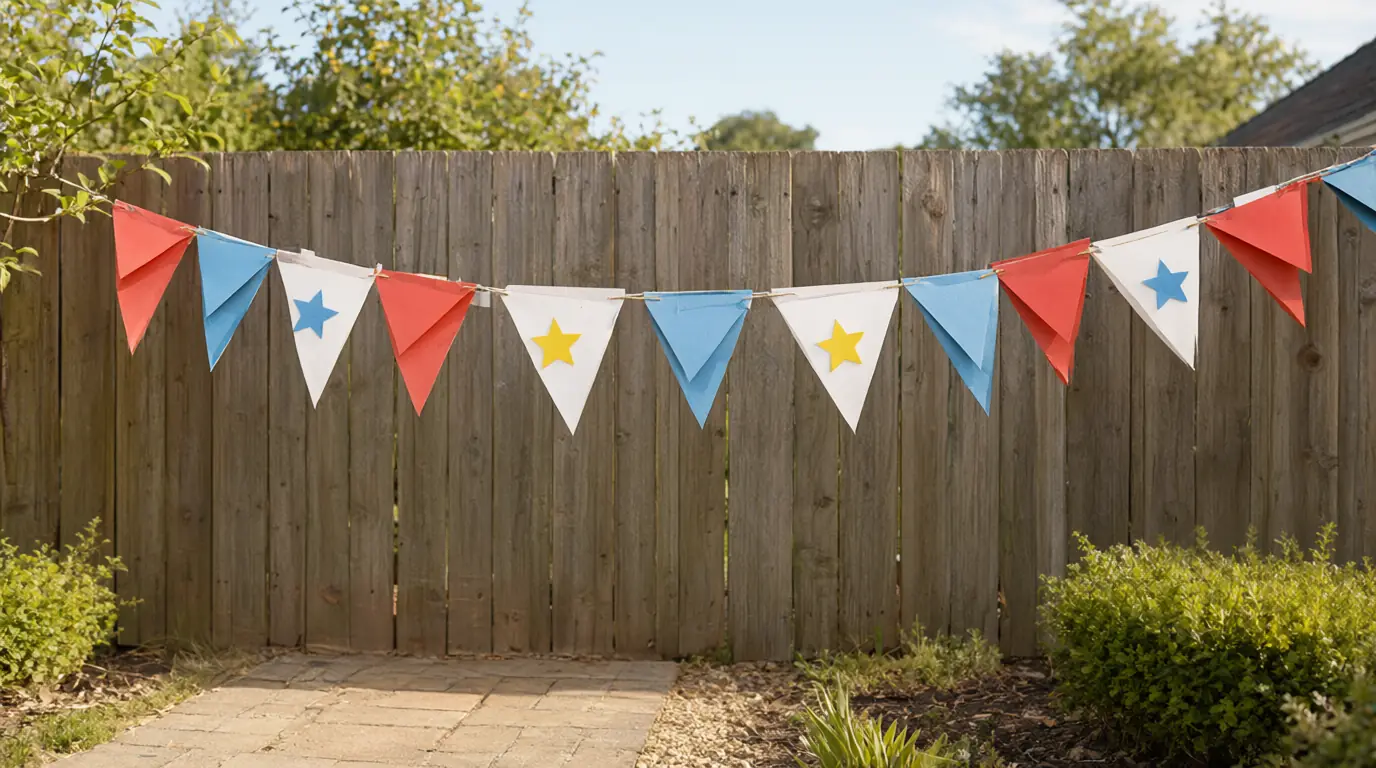
Make it your own: Younger children can place triangles in any order. Older children can try a longer pattern, such as red, red, white, blue, or make their own shapes.
Picnic place helper
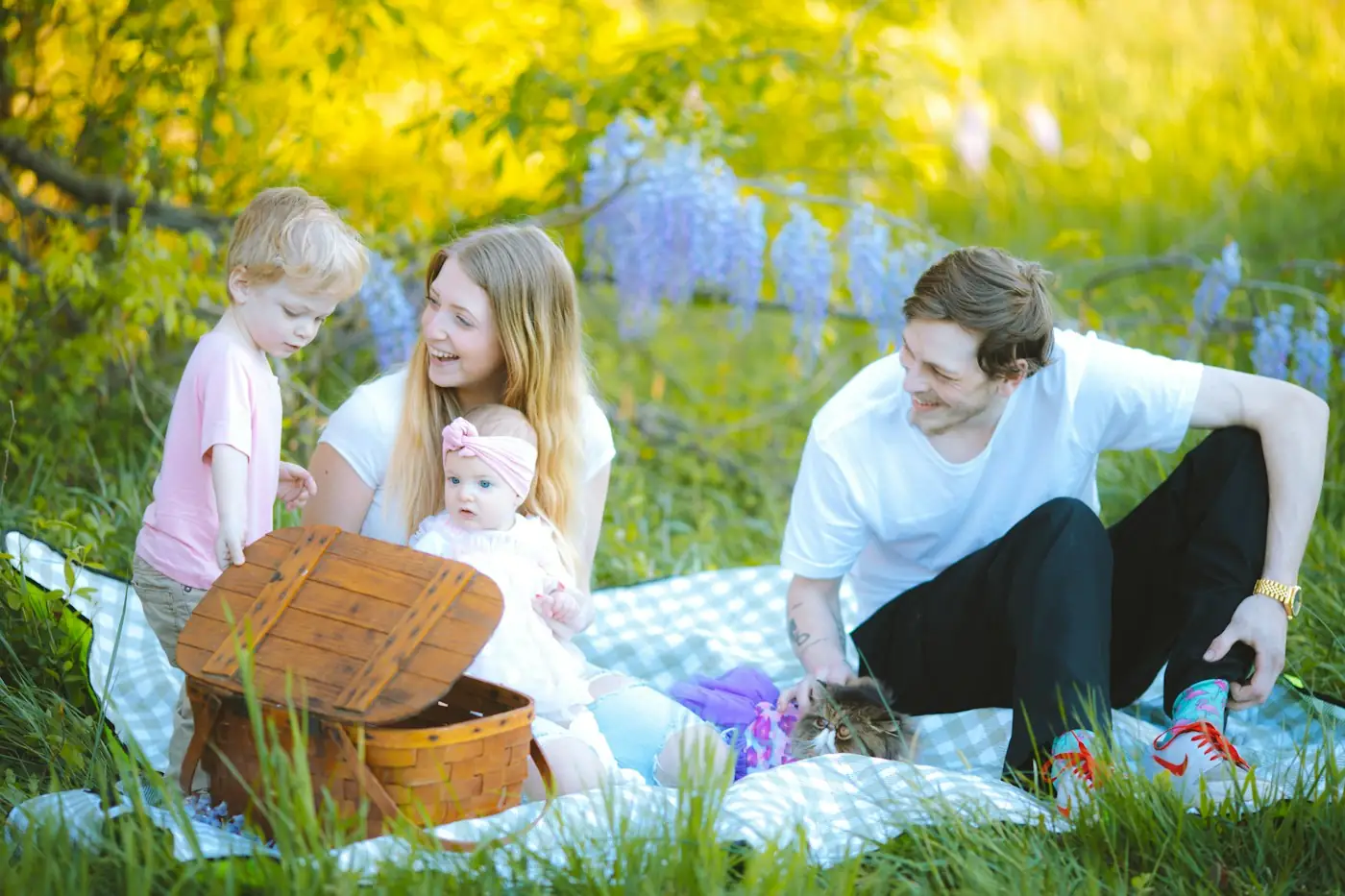
Setting out a place for every guest is a small real job with a clear result. Your child counts, matches and checks, and sees that everyone has what they need. It is also a good moment to ask whether any guest needs a different seat or arrangement.
You’ll need
- A blanket or low table
- One napkin, plate and cup per guest
- A basket
- Picture name cards
How to do it
- Ask who is coming and count the guests together.
- Draw or write each name on a card.
- Lay the blanket and place a card in each spot.
- Put one napkin, one plate and one cup at each place.
- Recount to check no one has been missed.
- Ask whether any guest needs a different seat, shade or a cushion.
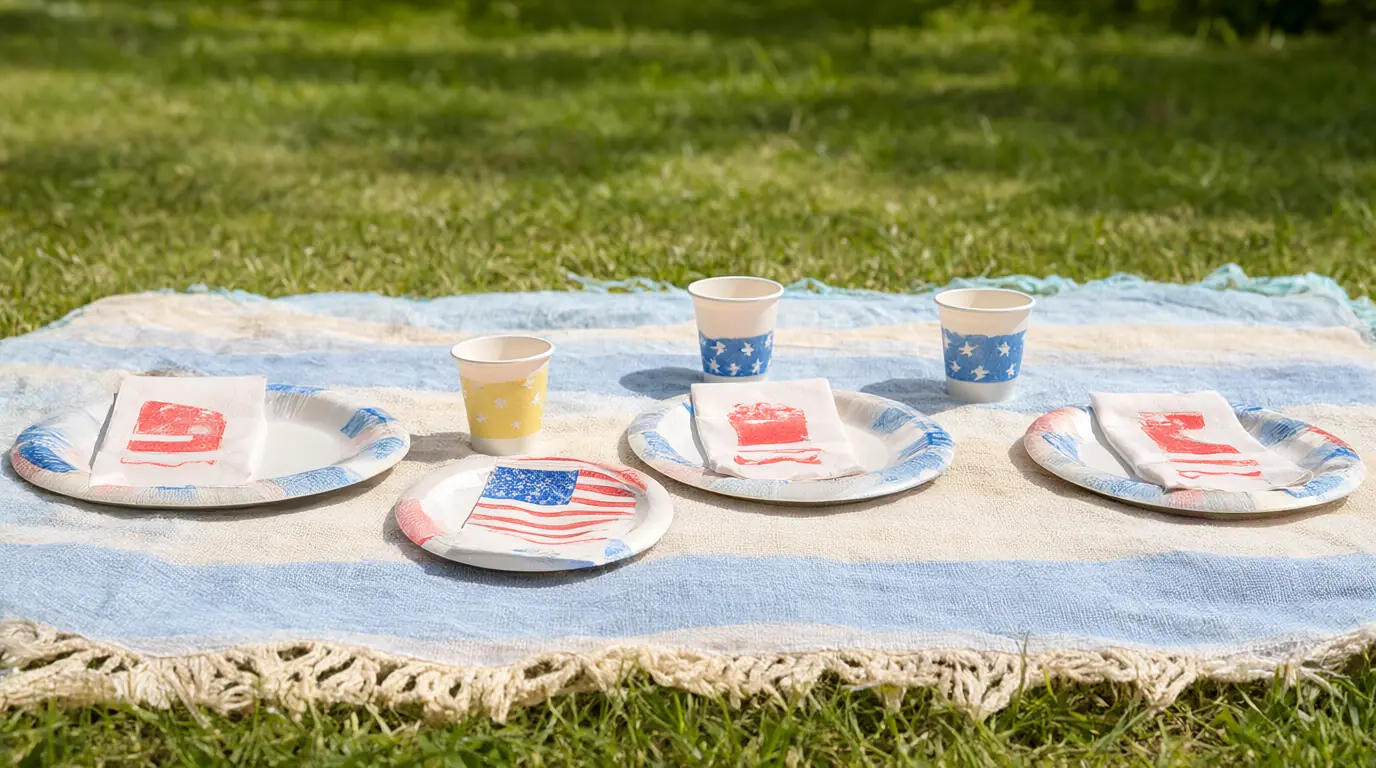
Make it your own: Younger children can match only napkins and plates. Older children can arrange the places in a pattern, such as a circle, or write the names themselves.
Our community picture
Drawing the places and people that make a community feel like home turns the holiday into a conversation about belonging. Children talk about what they notice in their own neighbourhood, and the picture can include very different people and places.
You’ll need
- A large sheet of paper
- Crayons or washable markers
- A few photos or postcards if you have them
- Glue stick
How to do it
- Ask, 'What places do we like near our home?'
- Draw the first place, such as a park or a library.
- Add people who help in the neighbourhood, such as a mail carrier or a neighbour.
- Ask what each person does and write a word or two.
- Add a flag or a banner if your child wants one.
- Hang the picture where visitors will see it.
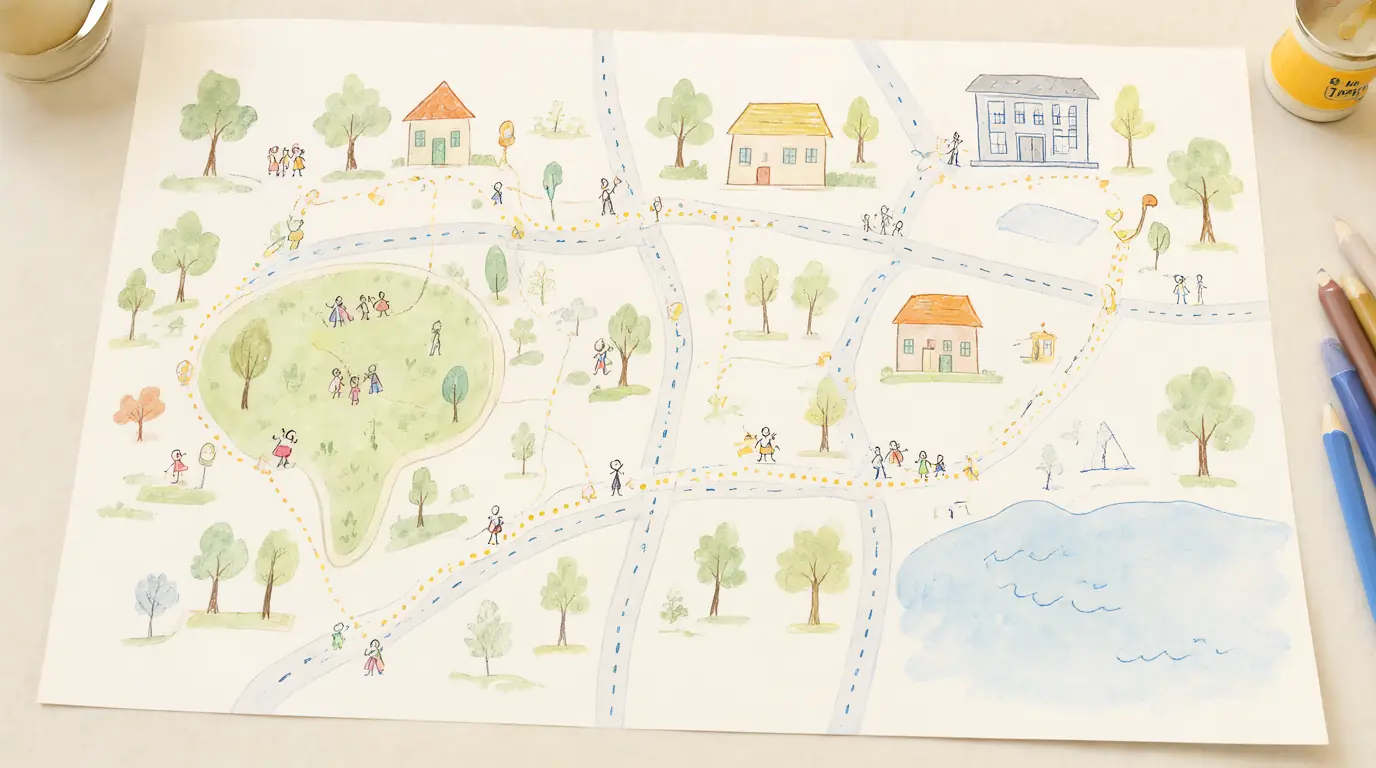
Make it your own: Younger children can draw one place and name one person. Older children can make a map with a path and label the places with first letters.
A quiet-corner plan for loud celebrations
Not every child enjoys noise and crowds, and planning ahead makes them feel safer. A small comfort kit and a place to retreat are practical ways to join in at your own distance. Children who know what to expect and have a way to ask for a pause often feel more confident staying a little longer.
You’ll need
- A bag with ear defenders
- A familiar book or soft toy
- A blanket
- A water bottle
How to do it
- Before the event, show your child the bag and what is in it.
- Choose a quiet spot together, such as under a tree or in the car.
- Agree a signal, such as a hand on your arm, to say 'I need a break'.
- Practise wearing the ear defenders for a minute at home.
- At the event, check in gently and offer a break before upset builds.
- Afterwards, ask what helped and what to change next time.
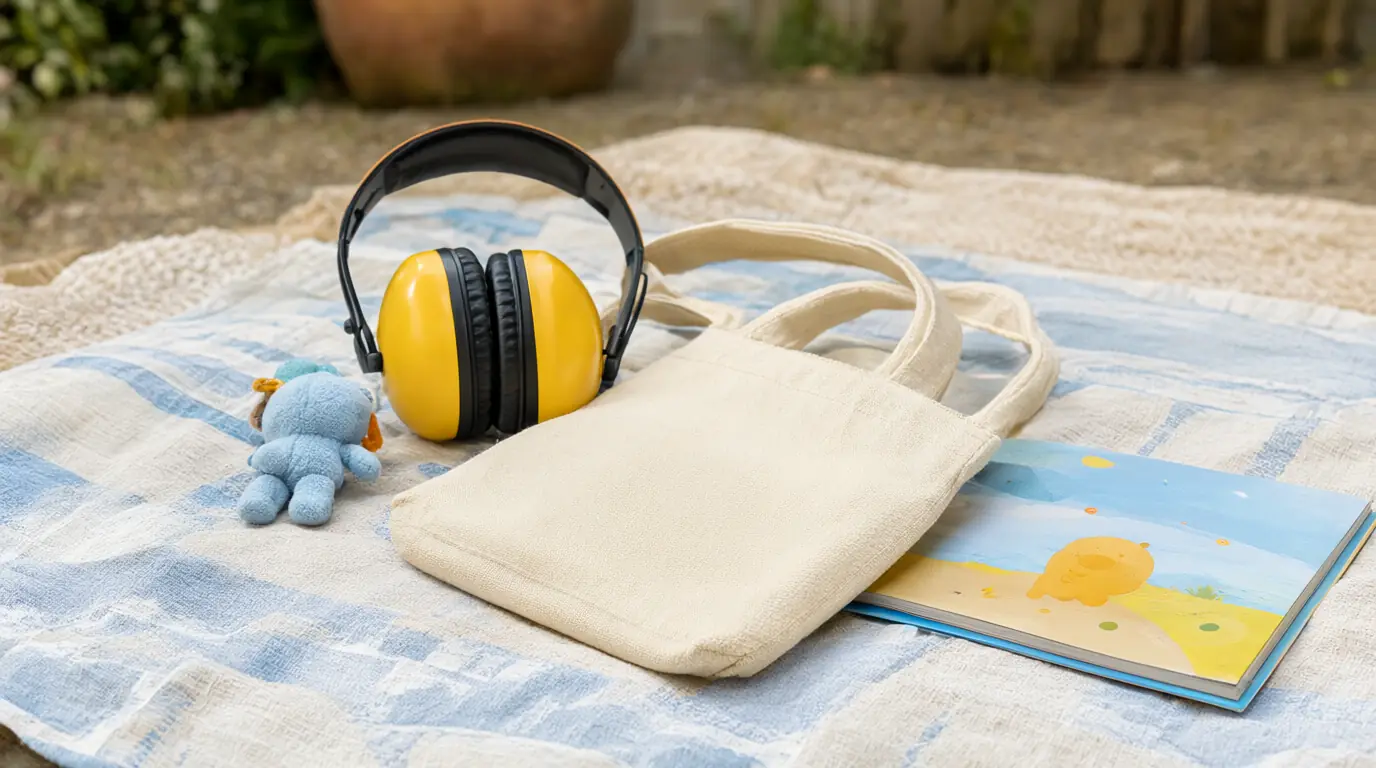
Make it your own: Younger children may need you to decide when to take a break. Older children can carry the bag and say when they would like to use it.

Make it work for your family
Children can enjoy a celebration without loud sounds or late nights. Offer a quiet alternative and let them choose their distance from busy events, since watching from afar still counts as joining in. If your child asks tricky questions about history, give a short truthful answer and note that you can find out more together.
Families mark the day in different ways, and some prefer not to mark it at all, so stay flexible and follow your child's interest. Choose daytime activities with a clear end so that no one is waiting for a late display. For a small celebration at home, try these picnic games between snacks or a few lawn games for a family gathering.

Parents also ask
How do I explain the 4th of July to a young child?
You might say that it is a holiday in the United States, held on 4 July, when people remember the country's beginning in 1776 and spend time together. Keep it short and follow your child's questions rather than giving a history lesson.
What are quiet 4th of July activities for sensitive children?
Daytime crafts, a picnic, a kindness-card project or a community picture all work well. Plan a quiet corner, ear defenders and a way to leave early if noise or crowds become too much.
Is it safe for young children to watch fireworks?
Fireworks are for trained professionals. If you attend an official display, keep a safe distance, follow event guidance and watch your child's comfort with noise; ear defenders may help, and leaving early is always fine.
Sources & further reading
Explore these primary sources for further context on this topic.
Choose materials and activities that suit your child, supervise as needed and adapt the ideas to their interests and abilities. About our editorial approach