Weebou Editorial Team
 In this article
A little preparation
Start with a short, clear explanation your child can follow: "A veteran is a person who used to serve in the military. On Veterans Day we say thank you to them." Use a reliable public source such as a library book or a museum website for any further detail, and avoid graphic wartime stories for young children. Keep each activity to 15 to 25 minutes, and let your child ask questions at their own pace.
If a veteran you know is willing to talk, agree in advance which topics are welcome and let them decline any question. Not every veteran wishes to discuss service, and children should be told that this is fine. Practise a short greeting such as "Thank you for your service" and a way to end the conversation politely. Families outside the United States may prefer to compare with their own remembrance traditions. Younger siblings can join the craft parts, and Memorial Day activities offer a clear contrast.

Ideas to try together
A service word map
Drawing a map of different ways people help a community lets children place military service in context. They can see that firefighters, nurses and teachers serve too, and that veterans are people who served in the military, a specific meaning you can explain clearly.
 You’ll need
- A large sheet of paper
- Crayons or markers
- Picture cards or magazine cut-outs of different helpers
How to do it
- Write "People who help" in the middle of the paper, or ask an adult to.
- Let your child draw or stick pictures of helpers around it: a firefighter, a nurse, a bus driver, a soldier.
- Ask what each person does and who they help.
- Explain that a veteran is someone who served in the military and has now finished, using one clear sentence.
- Circle that part of the map and talk about why we say thank you.
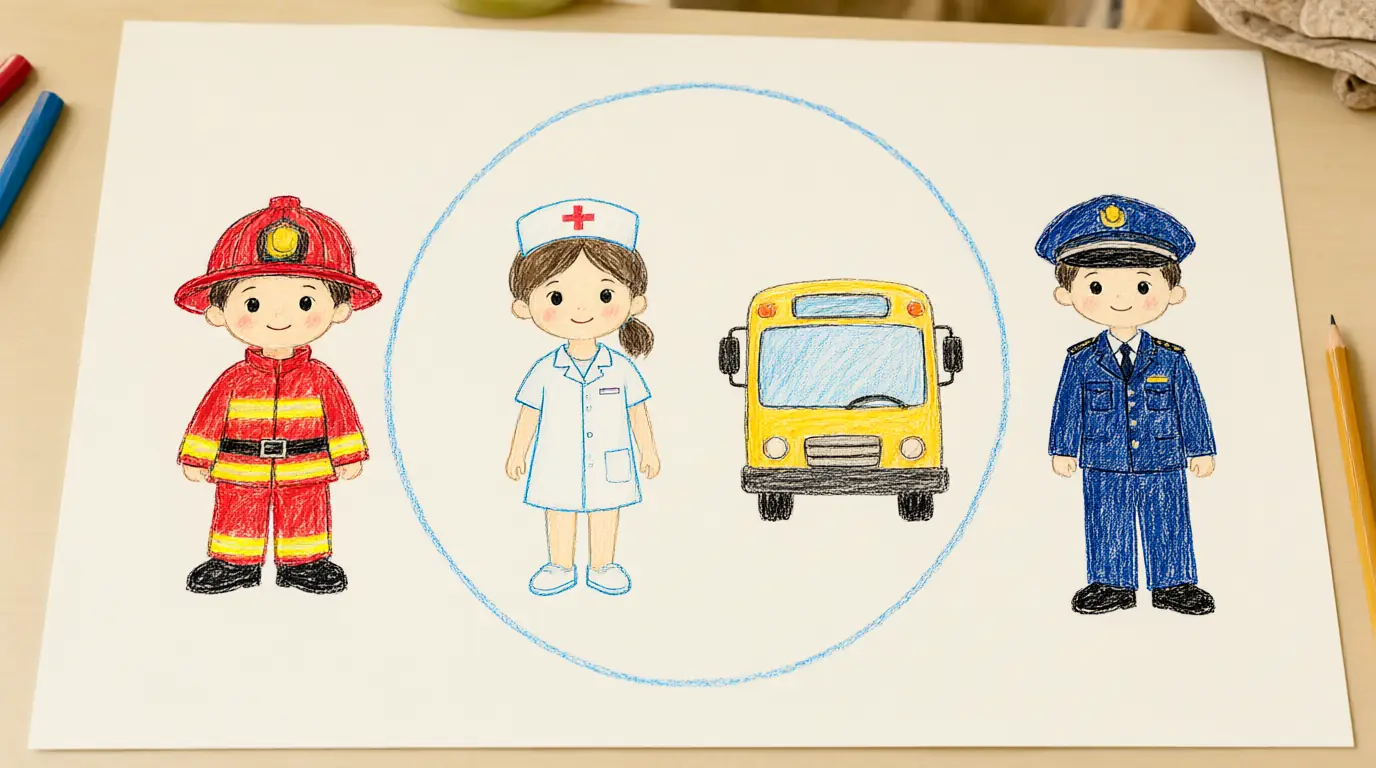
Make it your own: Younger children can point and name helpers from pictures. Older children can write a sentence about one helper and add why the community needs them.
Prepared questions for a willing guest
Meeting a veteran who has agreed to talk can be a rich experience when children arrive with thoughtful questions. Preparing them in advance keeps the conversation friendly, avoids upsetting topics and shows children how to listen.
You’ll need
- Paper and a pencil
- A quiet place to sit
- A veteran who has agreed to talk and to the topics
How to do it
- Agree with the guest beforehand which topics are fine, such as daily life, favourite foods or what they learned.
- Help your child write three questions, such as "What did you do on an ordinary day?".
- Practise asking them aloud, with a polite greeting and a thank-you at the end.
- During the visit, let the guest pass on any question without explanation.
- Afterwards, ask your child what they learned and draw a picture for the guest.
Make it your own: Younger children can ask one question and listen. Older children can take brief notes and write a thank-you sentence. If no guest is available, use a library book or a recorded public-history interview.
A thoughtful thank-you card
Making a card for an organised community project gives children a real, respectful way to say thank you. Checking what the organisation welcomes first keeps the gesture useful, and the card can be about shared things, such as a favourite season, without inventing a recipient's history.
You’ll need
- Folded card or thick paper
- Crayons or paints
- A sticker or a sticky note for the message
How to do it
- Ask the organising group, such as a library, school or local veterans' service, what messages are welcome.
- Fold the card in half and let your child decorate the front with shapes, colours or a flag.
- Write a short message together, such as "Thank you for your service. Happy Veterans Day."
- Let your child sign their name and add a drawing inside.
- Deliver it as the organisation suggests.
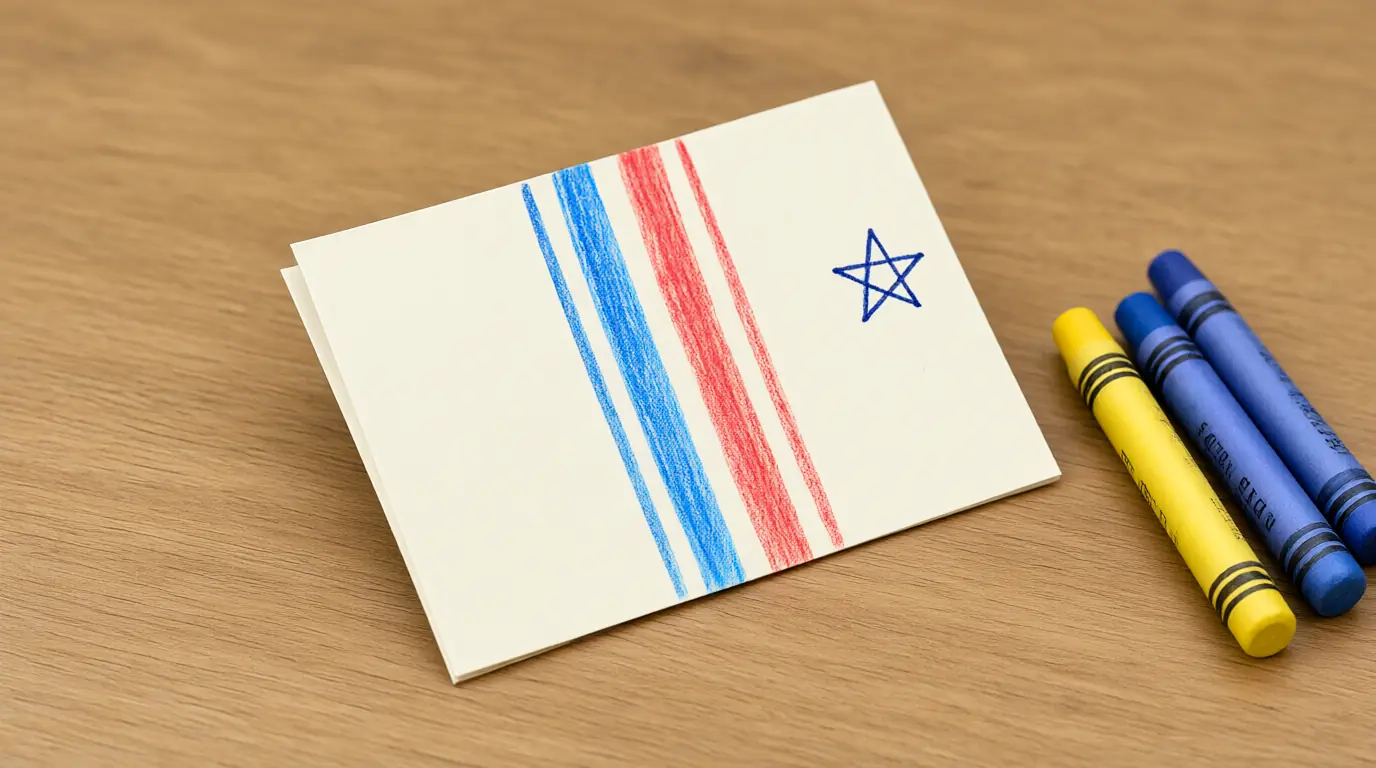
Make it your own: Younger children can decorate and sign. Older children can write their own message and choose a different design. Do not include personal details or addresses on a card.
Compare two calendar days
Veterans Day and Memorial Day are often confused. Looking at both on a calendar and talking about what each honours helps children understand that thanking living veterans and remembering those who died are connected but different. It also introduces dates and months in a meaningful way.
You’ll need
- A calendar showing November and May
- Two coloured stickers
- A pencil
How to do it
- Find November 11 on the calendar and mark it with a sticker.
- Find the last Monday in May and mark it with a different sticker.
- Explain in one sentence that on Veterans Day we thank people who have served, and on Memorial Day we remember those who died while serving.
- Ask your child how the two days feel different, and listen without correcting.
- Count how many months are between the two dates.
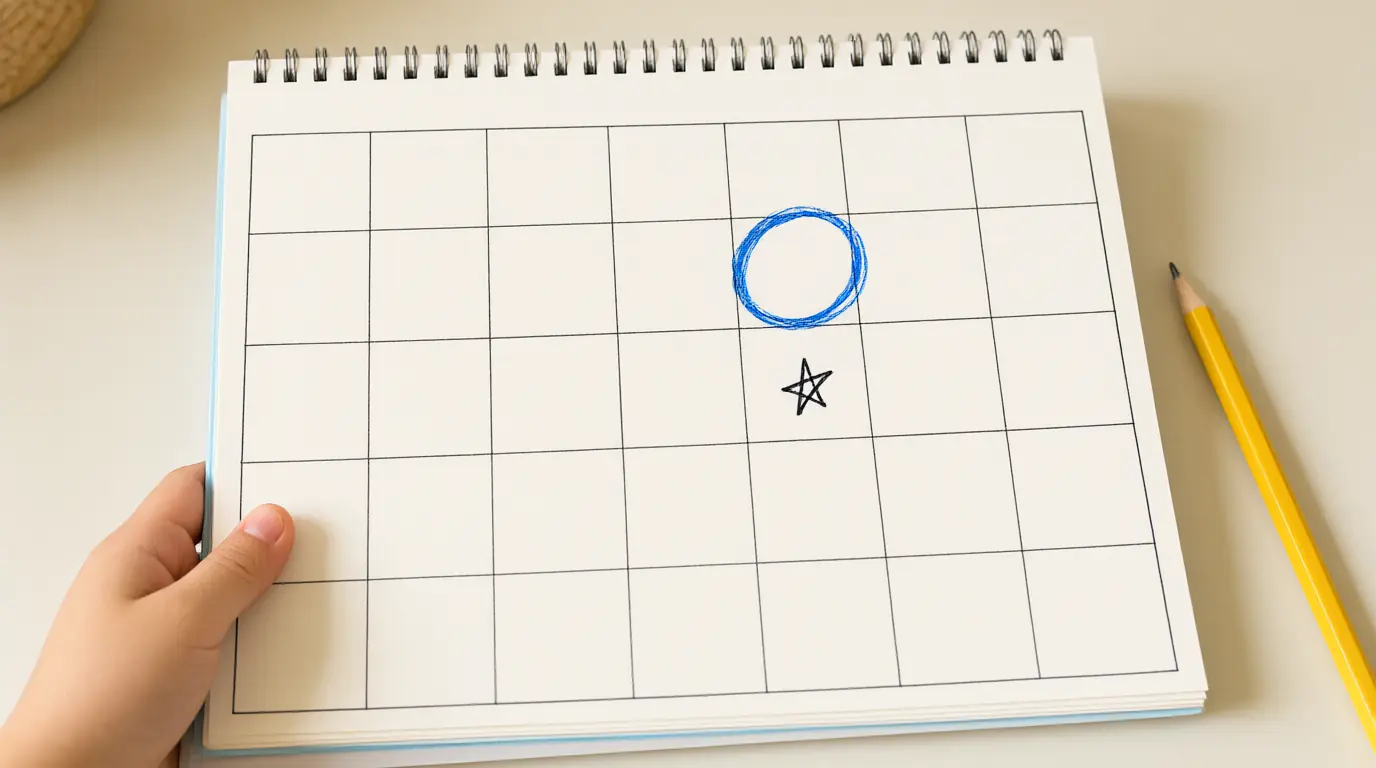
Make it your own: Younger children can match stickers to dates. Older children can make a small chart with two columns, one for each day, and add a word or picture to each.
A quiet moment of thanks
A short, calm ritual gives children a way to mark the day without needing much explanation. Requiring no speeches keeps it simple: a minute of silence, a shared thought or a drawing placed on a windowsill is enough.
You’ll need
- A sheet of paper and a pencil
- A window or table in a quiet room
How to do it
- Sit together and explain that you will have one minute to think about people who help others.
- Ask your child to think of someone who has served or helped, in whatever way they choose.
- After the minute, let them say or draw one thing they are thankful for.
- Put the picture where the family can see it on Veterans Day.
- End with a hug or a favourite song.
Make it your own: For younger children, shorten the pause to ten seconds. Older children can write a short thank-you thought to share with a relative or neighbour who is a veteran.

Make it work for your family
Do not assume that someone wants to discuss their service or receive personal questions. A greeting, a smile or a general thank-you can be offered without expecting a reply. Avoid asking children to invent details about a recipient's life, and never ask a veteran to prove or explain their experience.
If your child asks about war, answer honestly but briefly, using words such as "people can be hurt" and "many people work for peace", and let them lead the questions. You can read more about this gently in Memorial Day for kids. If the day brings up feelings, gratitude activities offer calm ways to follow up.

Parents also ask
How do I explain Veterans Day to a young child?
Say something simple like: a veteran is someone who served in the military and has finished, and on November 11 we say thank you. Keep it short, avoid graphic details and let your child ask questions at their own pace.
What is the difference between Veterans Day and Memorial Day?
Veterans Day, on November 11, honours all who have served in the US military, including living veterans. Memorial Day, on the last Monday of May, remembers those who died while serving. Both are connected but have different purposes.
Is it okay to ask a veteran about their service?
Only if they have said they are happy to talk. Many veterans prefer not to discuss service, so a simple thank-you is often best. Teach children that it is always fine for someone to say no or skip a question.
Sources & further reading
Explore these primary sources for further context on this topic.
Choose materials and activities that suit your child, supervise as needed and adapt the ideas to their interests and abilities. About our editorial approach