7 min read

 In this article
A little preparation
Before the parents leave, ask about routines, favourite toys, allergies, access needs and any activities or topics to avoid. Find out how the child usually asks for help, what comfort items they use and what time things like snacks and bath time happen. Agree where play can happen and which rooms are off limits. Write down the plan so you can check it during the evening.
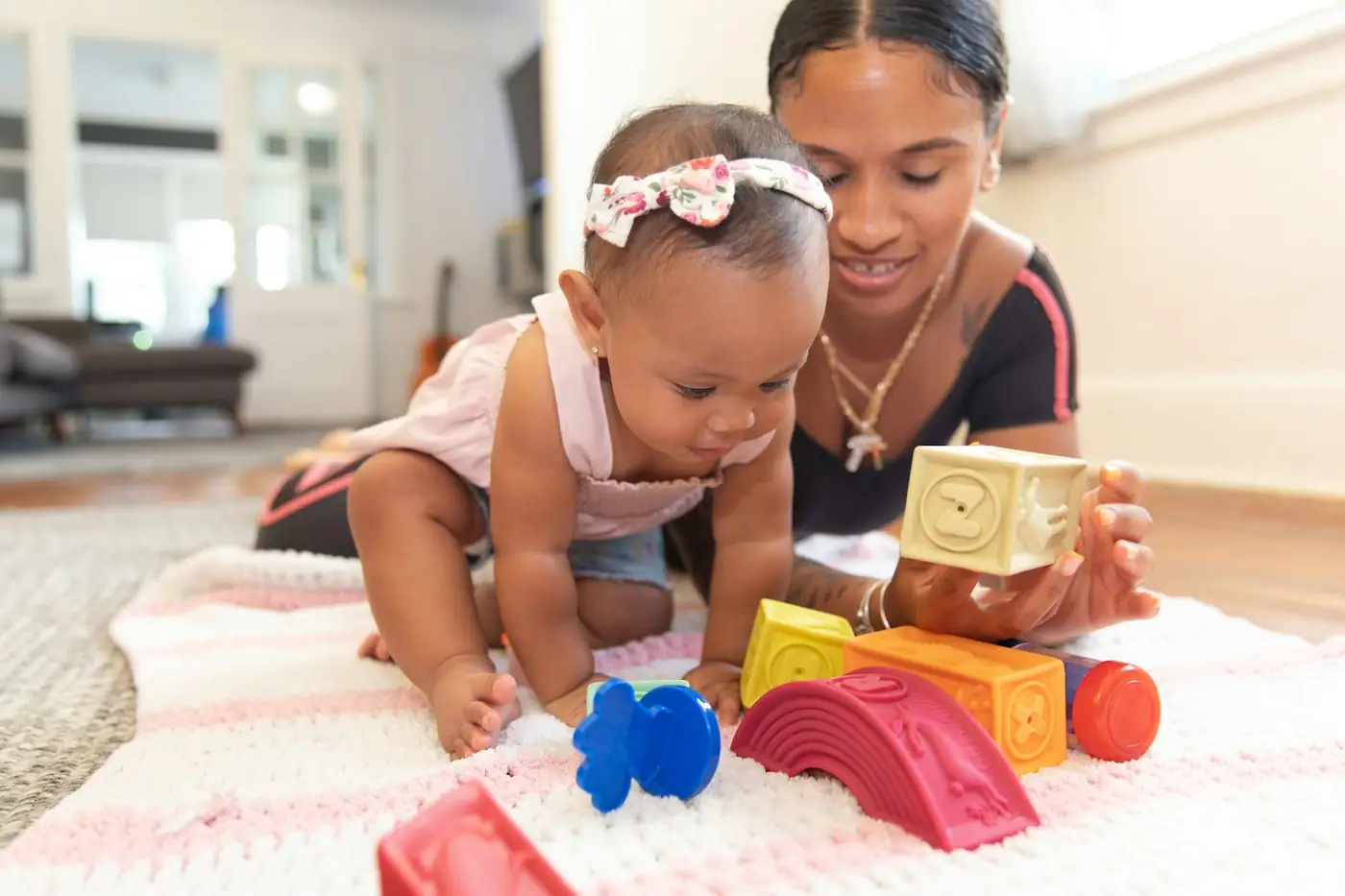
When you begin, let the child decide how close to sit and which toy to show you. Many children need 10 to 15 minutes of watching before they join in, which is entirely normal. Offer two simple choices rather than an open question, such as 'drawing or building?', and keep the volume of your voice low. Keep photos and personal questions out of the games, and follow the family's rules about screens, snacks and bedtime. If you are a parent preparing a new sitter, share this article so you both start from the same page.

Ideas to try together
Toy introduction
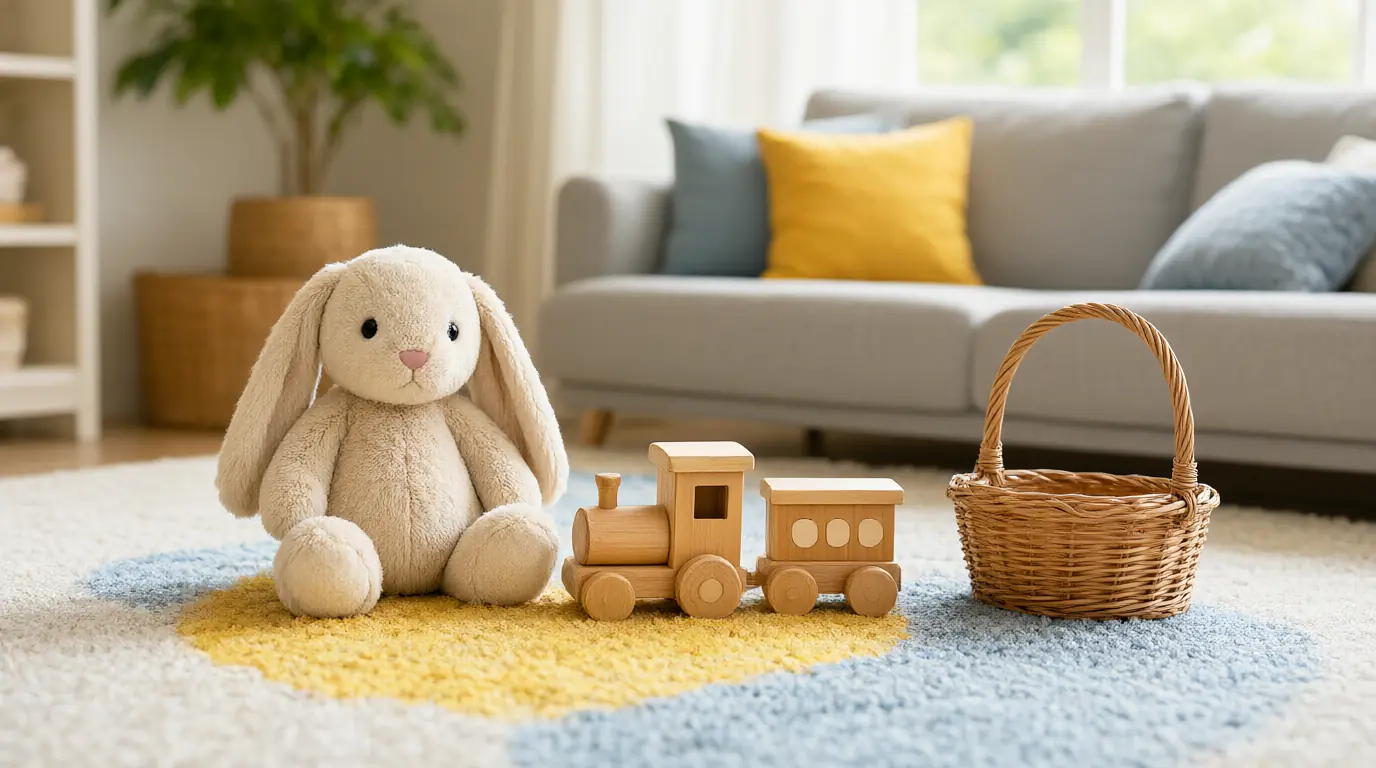
Inviting the child to introduce a favourite toy puts them in the role of expert and gives you the chance to learn how they play. It is a gentle opening that asks for no particular words: a child can demonstrate, point or hand over the toy. Following their version of the rules shows that you respect their way of doing things.
 You’ll need
- 1 or 2 of the child's favourite toys
- A blanket or rug to sit on
- A small basket to keep the toys in
How to do it
- Sit on the floor a little way from the child and say you would like to meet their toys.
- Wait for them to choose a toy and show you what it does, with words or actions.
- Ask one simple question about it, such as 'What's its name?'
- Copy what the child does with the toy before adding your own idea.
- Offer the toy a small job, such as going to the shop, and see whether the child continues.
- Say thank you to the toy and the child when it is time to change activity.
Make it your own: For toddlers, mirror their actions with a second toy rather than asking questions. Older children can teach you the rules of a game they have invented and take turns being the teacher.
Picture cafe
A pretend cafe with a hand-drawn menu is simple to set up and gives the child a clear role. Taking turns to order and serve practises conversation, and drawing the menu offers a calm way to join the activity. The child chooses the name, the dishes and the seating, so the game belongs to them.
You’ll need
- Paper and crayons
- 3 or 4 toys as customers
- A small tray or plate
- A few play-food items or drawn paper food
How to do it
- Ask the child what the cafe should be called and write the name at the top of a sheet of paper.
- Let them draw three things on the menu, such as pizza, ice cream and juice.
- Seat the toys in a row as customers.
- Take turns: you order from the menu, the child serves you, then swap.
- Ask each toy what they would like and let the child decide.
- Close the cafe with a goodnight to the customers.
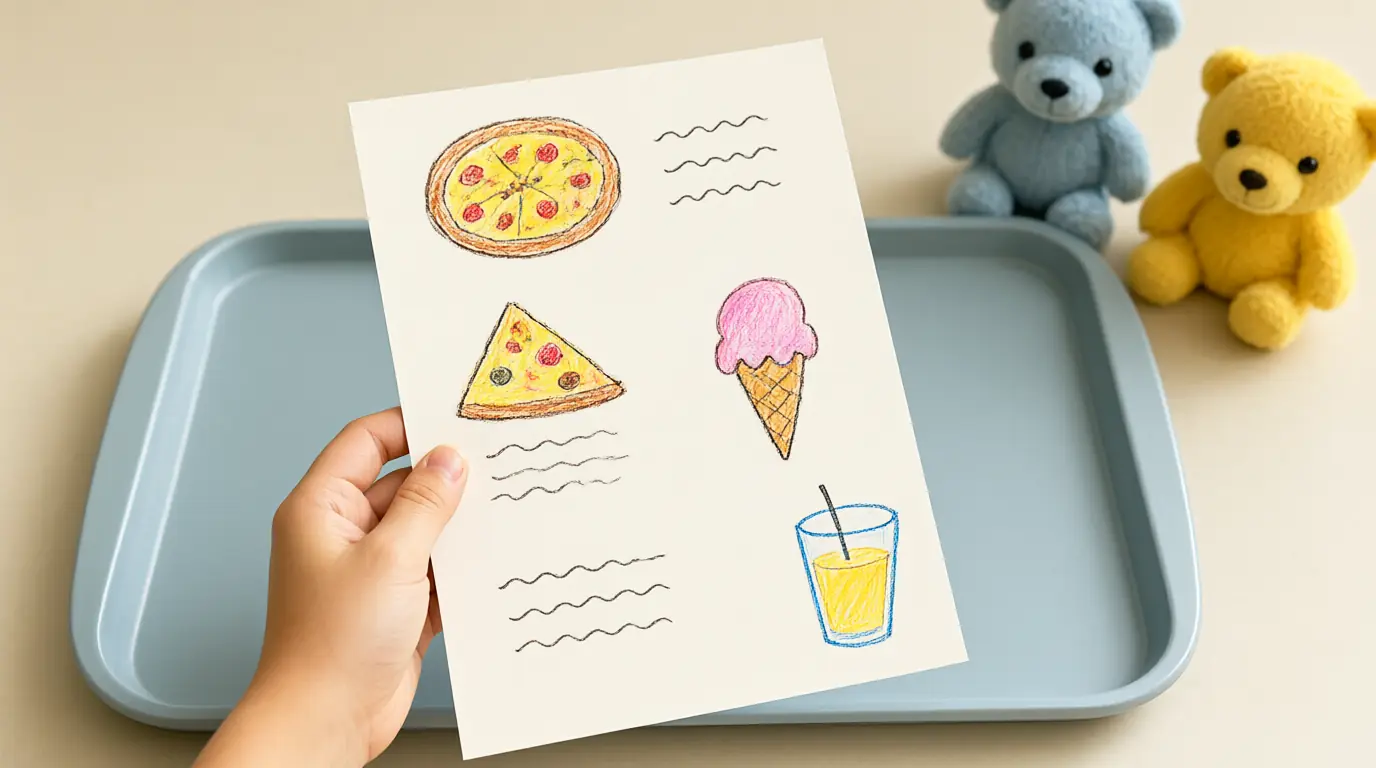
Make it your own: Younger children can use pre-drawn pictures or real play food. Older children can write prices or numbers on the menu and take orders on a note.
Story basket
A basket of two or three familiar objects prompts a short story you build together. Choosing which object comes next gives the child control, and the objects give you something concrete to talk about when words are hard to find. The story can be as short as three sentences.
You’ll need
- A basket or bag
- 2 or 3 safe, familiar objects, such as a toy car, a mug and a scarf
- A cushion to sit on together
How to do it
- Put the objects in the basket and let the child pull one out.
- Start a story with a sentence about it, such as 'Once there was a little blue car.'
- Ask the child which object should appear next and add it to the story.
- Take turns adding one sentence each.
- Choose together how the story ends.
- Put the objects back in the basket and say the title together.
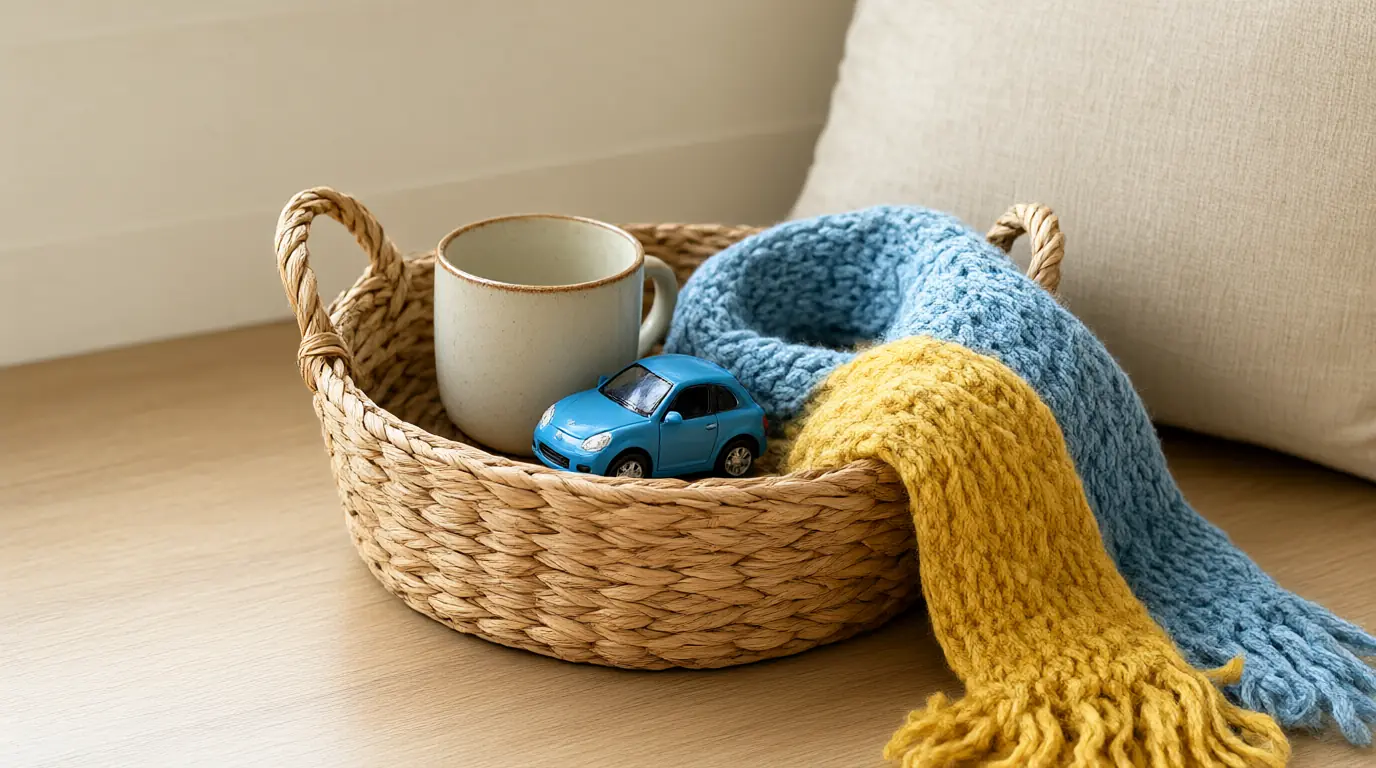
Make it your own: Younger children can handle the objects while you tell the story. Older children can arrange the objects in order before they start and plan a beginning, a middle and an end.
Gentle tidy-up mission
Tidying up before a routine change is easier when the job is small and specific. Returning one category of toys, such as all the cars, to their usual place gives the child a clear task and a sense of progress. A short mission also helps a child understand that play is about to change.
You’ll need
- A box or basket for the chosen toy group
- A small timer or favourite song of about 2 minutes
- A sticker or a high five as a thank you
How to do it
- Tell the child what is happening next, such as bath time in a few minutes.
- Pick one group of toys, for instance the cars, and show where they go.
- Start the song or timer and make the mission a race against the music, not against each other.
- Carry the toys together to the box, naming each one as it goes in.
- When the box is full, wave goodbye to the toys until tomorrow.
- Give a high five and move to the next part of the routine.
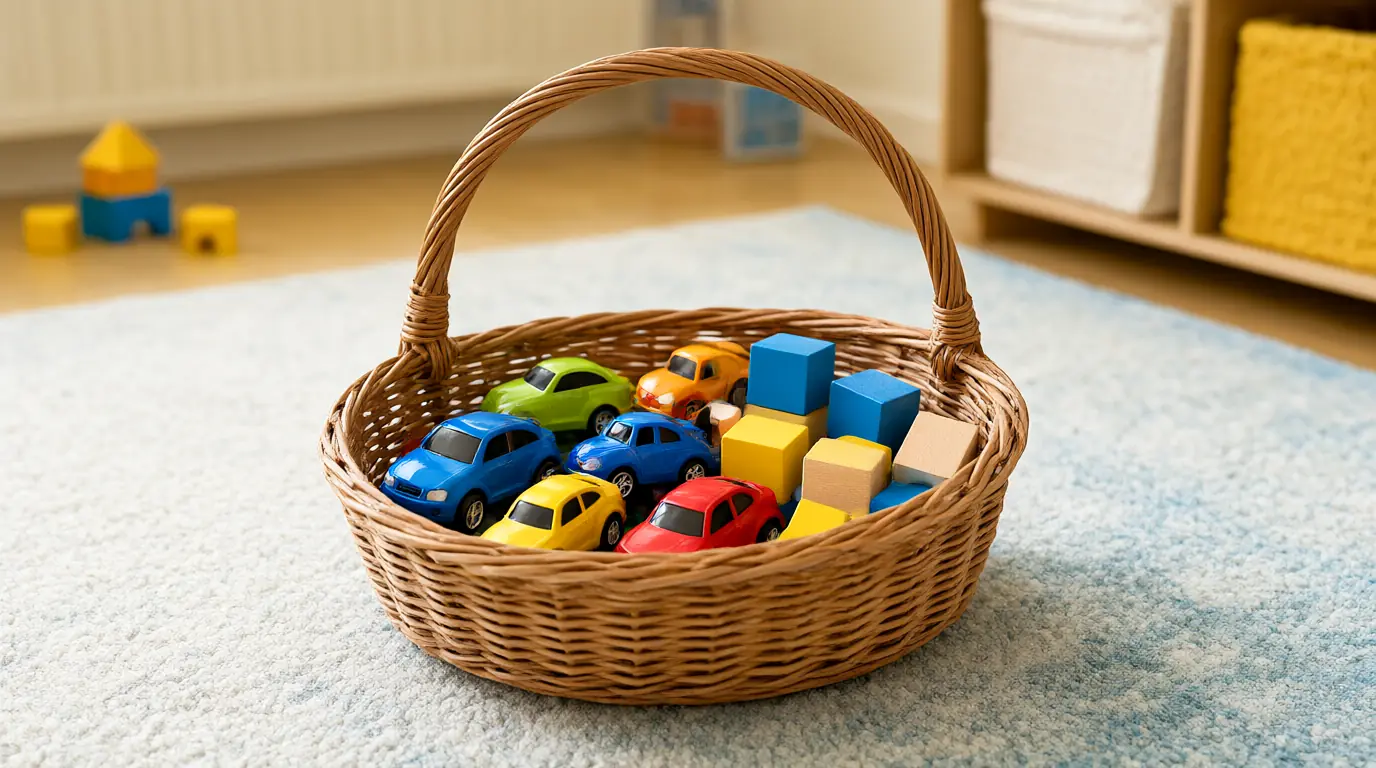
Make it your own: Younger children can carry one toy at a time while you do the rest. Older children can sort the toys by colour or size as they put them away.

Make it work for your family
Accept a wish to watch first, and do not push affection. A child who says no to a game is telling you something about how they feel, and your calm reply, such as 'We can try that later', builds trust. Keep activities short, and check that the child knows what will happen next before you switch to something new.
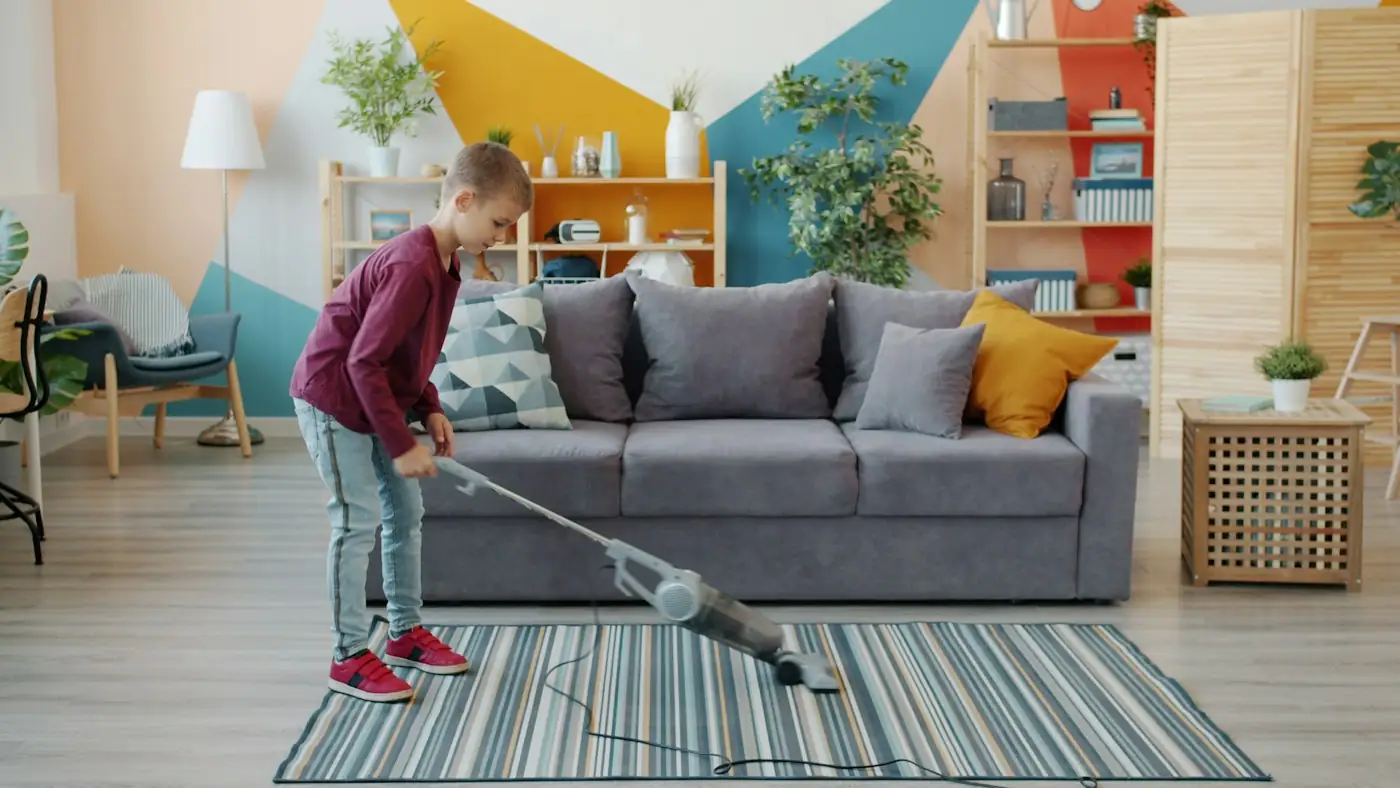
If the child gets upset, offer a comfort item, a drink of water or a quiet story, and follow the parents' instructions about contacting them. For extra low-key play ideas, see these cleaning games for kids for tidy-up time and indoor toddler activities for quiet moments, or cooperative play for ideas that suit siblings together. Write a short note for the parents about what you played, which they can use to continue the conversation the next day.

Parents also ask
What are good babysitting games for a first visit?
Start with the child's own toys and simple choices, such as a toy introduction, a picture cafe or a story basket. Let them decide how close to sit and how much to join in, and avoid loud or surprising games until trust is built.
What should a babysitter ask the parents before playing?
Ask about routines, favourite toys, allergies, access needs, comfort items and any activities or topics to avoid. Find out how the child asks for help, which rooms are off limits and who to call if you have a question.
How do I help a child who is shy with a new babysitter?
Sit a little away, let them watch, and offer two small choices. Follow their lead with their own toys, speak softly and respect a no. Many children warm up after 10 to 15 minutes, and a familiar routine helps.
Choose materials and activities that suit your child, supervise as needed and adapt the ideas to their interests and abilities. About our editorial approach