Weebou Editorial Team
 9 min read
 In this article
A little preparation
Pick one theme your child already talks about — dinosaurs, animals, the kitchen, the bus route — and gather six to ten questions whose answers you can check in a book or a trusted site before you play. Write each question on its own index card with the answer on the back, in large clear writing. Set the cards face down in a shallow basket in the middle of the table, with pictures and counters beside it. Twenty minutes is a good length; stop while it is still fun.
Explain the rules in one sentence before the first card: everyone answers, everyone gets time to think, nobody loses a turn. Read every question aloud, even for children who can read, and offer two choices when a question depends on reading or on a fact your child has never met. Keep answers descriptive rather than scored, because a child who says the biggest one is thinking, not failing. Sharp or small pieces stay away from children who still mouth objects. For a gentler start, these guessing games use the same clue-and-answer rhythm.
Ideas to try together
Two pictures, one answer
A question with two pictures lets a child answer before they can read and gives them something to point at while they think. Choosing between two clear options is also easier than searching memory with no support, so the round stays quick and the explanations do the teaching.
 You’ll need
- 8 index cards
- Two small photos or drawings per card
- Glue stick
- A shallow basket
- Counters or bottle tops
How to do it
- Choose questions with two possible answers, such as: which animal has a shell, a turtle or a rabbit?
- Stick one picture in each half of the card and write the answer on the back.
- Deal three cards to each player and read one aloud while holding up the card.
- Give ten seconds of thinking time before anyone answers, then ask the child to point and say the answer.
- Ask how they knew, accept any reason, and add one fact of your own.
- Place answered cards in the middle and keep going until the basket is empty.
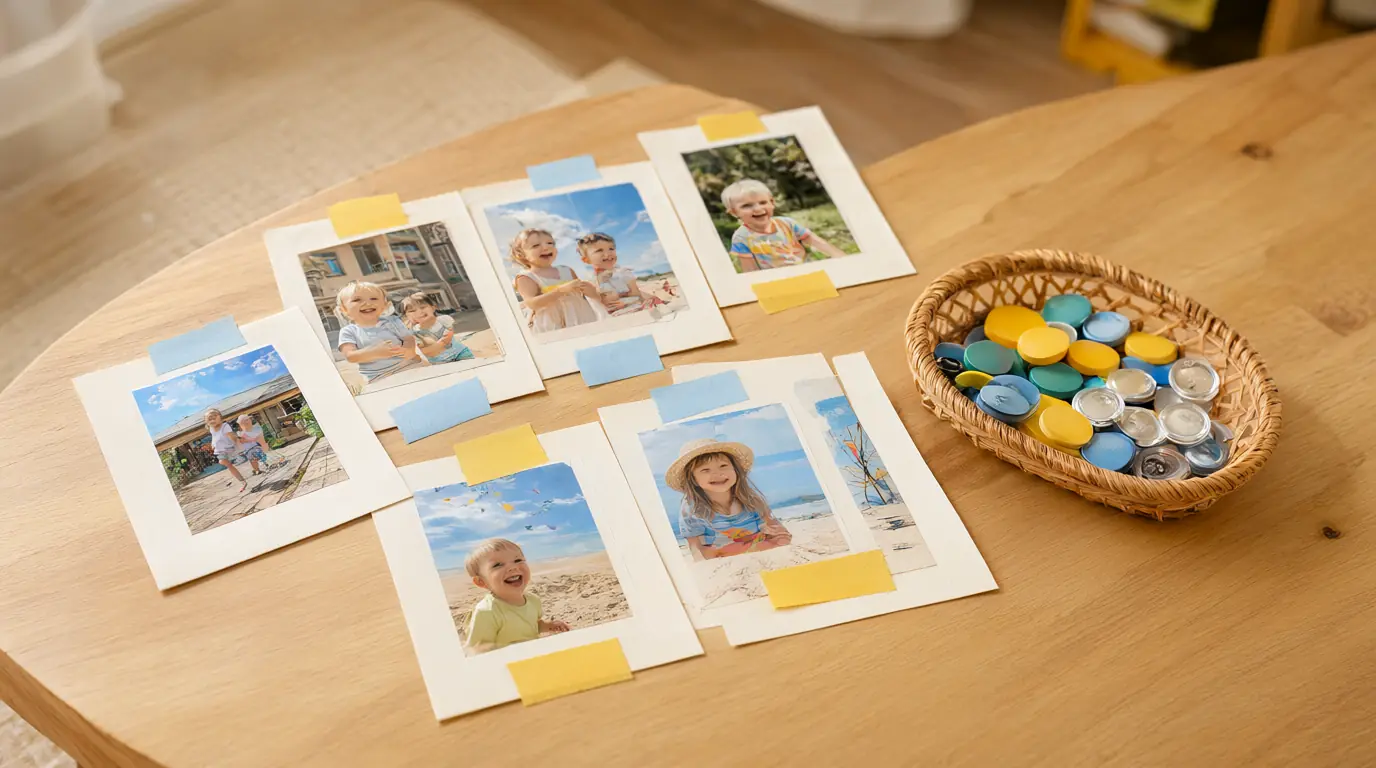
Make it your own: For a two- or three-year-old, use one card at a time and name both pictures before asking. For older children, fold the pictures out of sight and read the question alone, or ask them to add a third option that is also wrong.
The clue ladder: one answer, three clues
A clue ladder turns a hard question into a conversation. The answer stays the same while the clues get easier, so a child can join at any rung without feeling behind, and the group learns that a first guess is not the end of the attempt.
You’ll need
- Three index cards per answer
- A pen
- A small object or picture of the answer to reveal at the end
How to do it
- Choose an answer your child knows something about, for example a ladybird.
- Write three clues, easiest last: it is very small; it is red with black spots; gardeners like it because it eats tiny pests.
- Read the hardest clue first and ask for a guess.
- Offer the second clue if nobody has an idea, and let children change their guess each time.
- Reveal the object or picture when the answer is said, then ask which clue helped most.
- Invite a child to make a three-clue ladder for the next round.
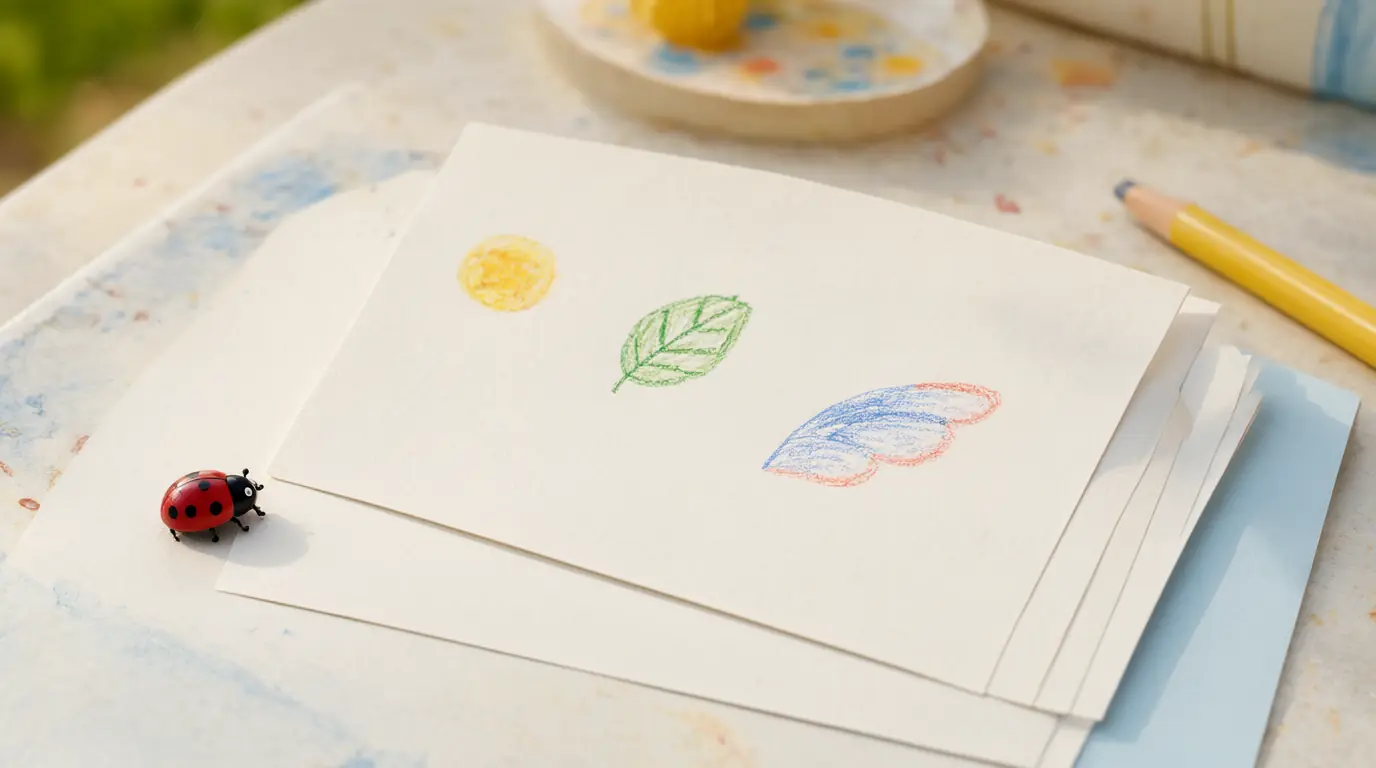
Make it your own: Give younger children a picture of the answer face down on the table, as a hint they may peek at. Older children can write clues that start general and end with one detail only an expert would recognise.
Ask the expert
Children remember far more about a topic they chose themselves, and being the expert reverses the usual quiz pattern in a way that feels generous. The adult's role is to help check the fact, not to redirect the child's interest, so a question about diggers or unicorns is treated exactly like one about planets.
You’ll need
- Blank index cards
- Crayons
- A favourite book or toy as a reference
- A small box for finished cards
How to do it
- Ask each child to name something they know a lot about.
- Help them think of one question with a single clear answer and one fact they can explain in their own words.
- Write the question on the front of a card and the answer, with a small drawing, on the back.
- Check the answer together in a book or with an adult who knows the topic.
- Let the child read or describe their card and take three questions from the others.
- Keep the cards in a box and bring them out when relatives visit.
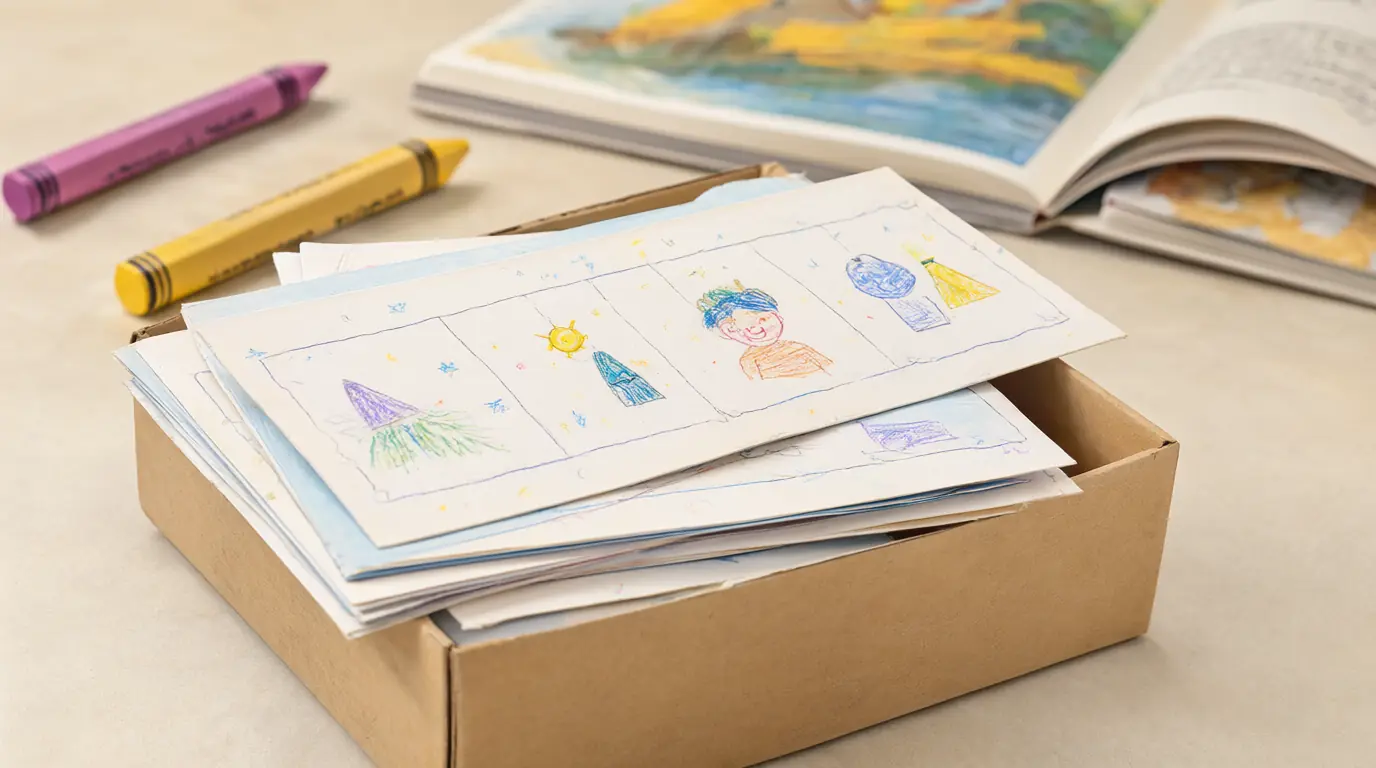
Make it your own: Children who do not want to speak can draw the answer and let an adult read their card. Older children can write two cards, one easy and one with a number or date as the answer, and choose who gets which.
True, false, or let's check
Some trivia questions are not about memory but about judgement, and sorting statements into three piles teaches children that checking is a normal part of knowing something. The third pile is the important one: it removes the pressure of a fifty-fifty guess and gives everyone permission to say they are not sure.
You’ll need
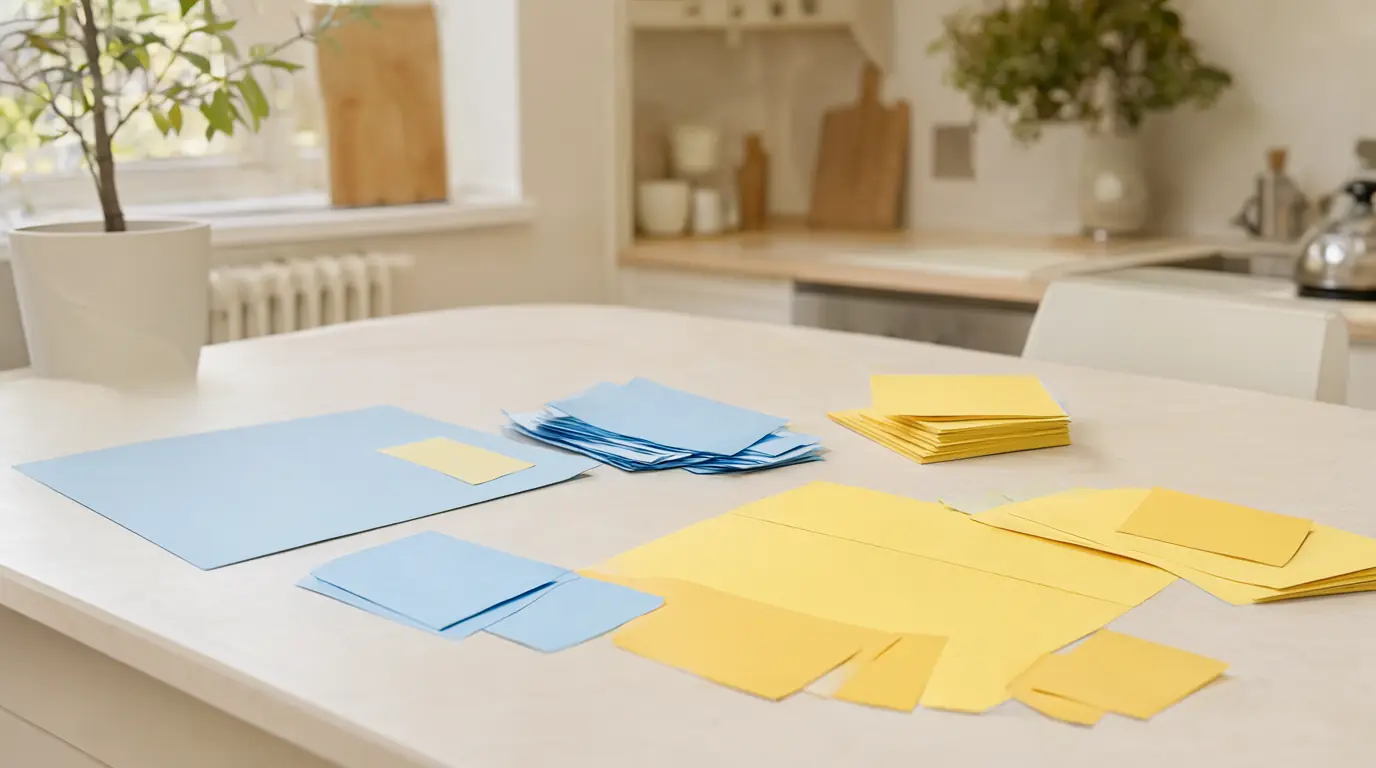
- Three sheets of coloured paper for the piles
- Six to ten statement cards
- A reference book, or a tablet used with an adult
How to do it
- Write simple statements, for example: penguins can fly. A spider has eight legs. Milk comes from cows.
- Read one statement and ask where it belongs.
- Put the card on the chosen sheet and ask the child to say why.
- Move to the checking pile whenever nobody is certain, look it up together, then place the card on the right sheet.
- Count the piles at the end and talk about which statement surprised you.
- Leave the cards out so your child can re-sort them later without an audience.
Make it your own: Use drawings instead of written statements for children who cannot read, and only two piles if three feels confusing. Older children can write their own statements, including one that is true but sounds unlikely.
Rewrite a vague question
Most children meet badly worded questions long before they meet a trick question, and learning to spot the missing information is a skill that carries into school. Rewriting a vague question together takes nothing but a pencil, and it gives a child the words to ask for clarity instead of guessing.
How to do it
- Read a vague question aloud, such as: what colour is it?
- Ask what is missing: which object, and where is it?
- Rewrite it together: what colour is the front door of our house?
- Try a second one that hides a choice, for example: is the tallest animal a giraffe or an elephant, and why?
- Ask your child to invent a question for you that has one clear answer, then answer it out loud.
- Keep two rewritten questions on the fridge and use them at the next meal.
Make it your own: Younger children can fix a question about an object in front of them, pointing to whatever needs naming. Older children can write a question where the obvious answer is not the right one, then explain the difference.

Make it work for your family
If a question lands badly and nobody answers, shrink it rather than repeating it louder. Change a why question into a which one, add a picture, or give the answer and ask whether it sounds right. Children who freeze often answer happily two minutes later, so leave the cards out and let them come back. Keep a notebook of facts your child has asked about and turn those into next week's questions; familiar territory is where confidence grows.
Avoid keeping score across rounds unless the children ask for it. A tally of questions answered by the group, rather than by individuals, keeps the focus on the shared total. When a child gives a wrong answer confidently, say what is right about the reasoning before correcting the fact. For a slower, more thoughtful pace, try these brain teasers with answers, and for a wider bank of checked facts, this set of trivia questions for kids sorts easily into the rounds above.

Parents also ask
What are good trivia questions for young children?
Questions with one clear answer and something to point at work best: which animal has a shell, a turtle or a rabbit; how many legs does a spider have; is a banana a fruit or a vegetable. Keep the wording short, read it aloud and give thinking time before anyone answers.
How do you play trivia without eliminating players?
Answer as one team and count the group's correct answers rather than individual scores. Offer a second clue instead of passing the card on, and let players say they are not sure, with looking the answer up counting as part of the game. Nobody sits out and the total still shows progress.
At what age can children start playing trivia?
Around four, many children enjoy a picture-based round with two options and an adult reading everything aloud. Three-year-olds can join a clue ladder about a familiar object. Writing your own cards becomes interesting from about six, when children can also start checking answers in a book.
Choose materials and activities that suit your child, supervise as needed and adapt the ideas to their interests and abilities. About our editorial approach