7 min read

 In this article
A little preparation
Show the possible answers before you hide one, especially with younger children. Put four to six familiar objects on a tray or pictures on a table and say each name together. This makes the game about reasoning rather than luck. Choose large, safe items with no small parts for children who still put things in their mouths, and keep surprises gentle: no loud noises or sticky mystery substances.
Decide how the game ends before it starts. Children can ask for another clue, take a peek or look at the answer at any time, and a guess can be revised. Keep a calm tone, and treat every guess as useful information: "That fits the colour clue. Which clue does it not fit?" Sit side by side so younger children can point, and let them swap roles quickly. For more observation-based play, see attention games that invite children to look and listen and spy games with gentle clues.

Ideas to try together
Use clues: what does it help you do?
Starting with what an object does is easier than describing how it looks. A child who says "you use it to eat soup" is already sorting objects by purpose. Comparing several things that share a use, such as a spoon, a fork and a ladle, helps children see why a clue narrows the choice but may not settle it.
 You’ll need
- A tray with 5 familiar household objects
- A cloth to cover the tray
- Paper and a crayon for tallying
- A small bag for the chosen object
How to do it
- Place the objects on the tray and name each one together.
- Cover the tray and secretly choose one object.
- Give a use clue: "You use it to stir things."
- Invite your child to point to all objects that fit the clue.
- Add a second clue about size or material and narrow down the choice.
- Reveal the answer and swap roles.
Make it your own: Younger children can start with only three objects and one clue. Older children can give clues about two features at once, such as use and material.
Reveal the picture a bit at a time
A hidden picture that appears gradually teaches children to notice which detail changes their idea. Instead of rewarding the earliest guess, the game rewards looking closely and changing your mind. It works well for children who like puzzles and for those who prefer to watch before answering.
You’ll need
- A clear, simple picture on card (an animal or an object)
- A sheet of paper to cover it
- Sticky tack or paper clips
- A pencil for noting clues
How to do it
- Cover the picture completely with the paper.
- Slide the paper aside to show just a corner.
- Ask what the child sees and what it might be.
- Reveal another small part and ask whether their idea changed.
- Keep going until the picture is fully visible.
- Talk about which detail was the most helpful.
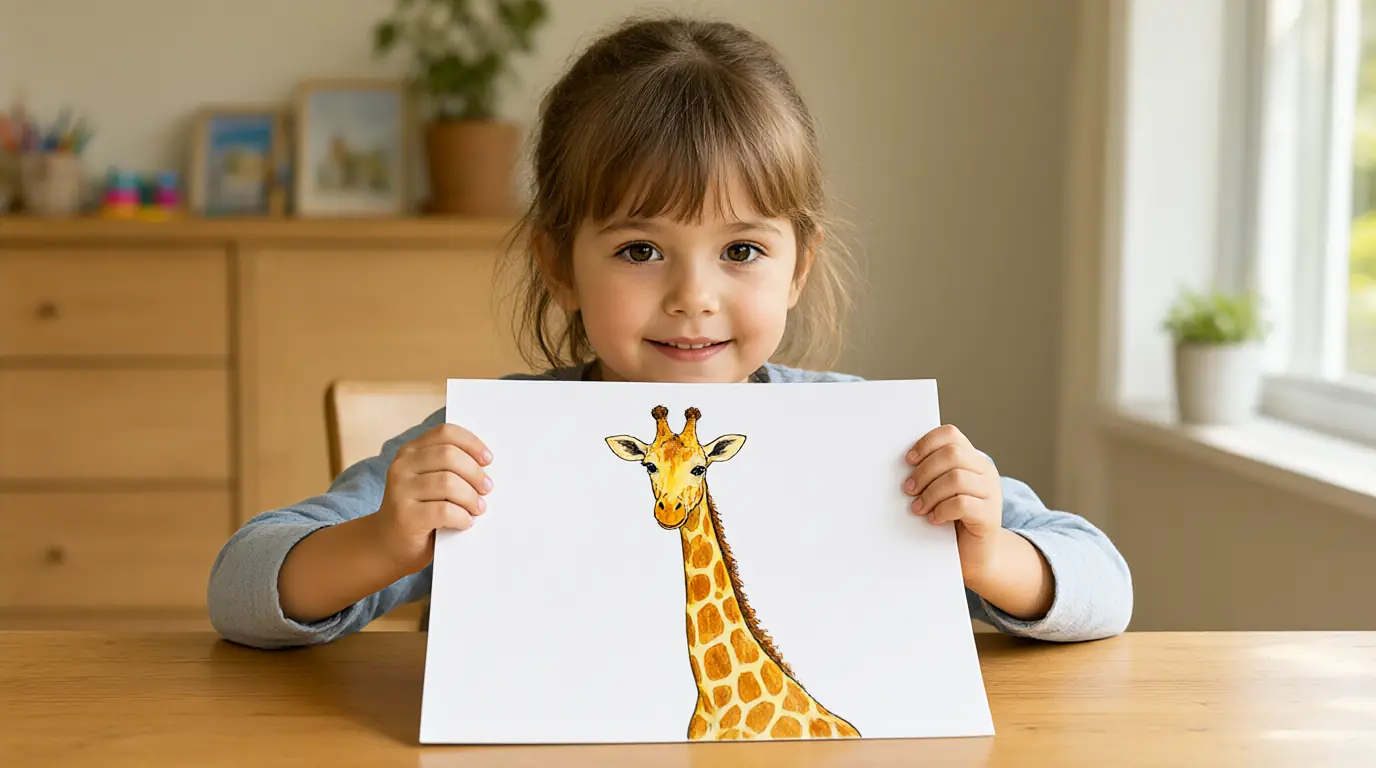
Make it your own: Younger children can start with a half-picture reveal. Older children can draw their own mystery picture for you to uncover.
Quiet action clues
Acting out a task without words lets children who prefer not to speak show what they know. The guesser describes what they notice, which builds vocabulary, and picture choices keep the game inclusive. It is also a calm game for when the room is already lively.
You’ll need
- 6 picture cards of everyday actions
- A basket for the cards
- A clear space to move
- A timer (optional)
How to do it
- Show the picture cards and name each action.
- A child chooses a card secretly and acts it out slowly.
- The guesser says what they notice: hands up, brushing, stirring.
- Offer two picture cards to choose from if the guesser is stuck.
- Reveal the card and talk about the clues that helped.
- Swap roles and choose a new card.
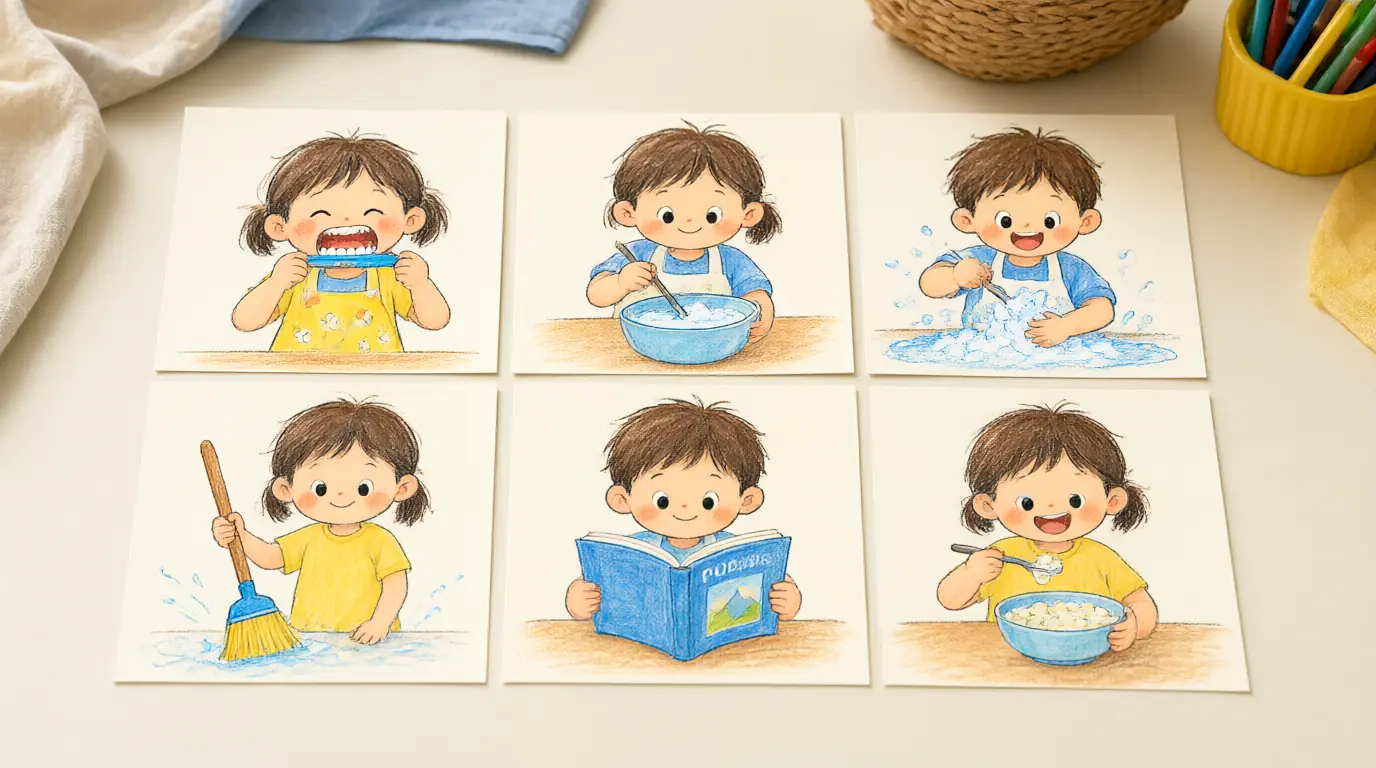
Make it your own: Younger children can act out one movement and point to the picture. Older children can add a short sentence: "I am doing this because..."
Yes-or-no sorter
Asking questions that can be answered with yes or no helps children think about categories. A good question removes several choices at once, and children enjoy discovering that "Is it bigger than a shoe?" is cleverer than "Is it a cup?". Moving rejected objects aside makes the reasoning visible.
You’ll need
- 8 familiar objects on a table
- A small bag for the secret object
- Two trays, one labelled with a tick and one with a cross
- A blank sheet for notes
How to do it
- Place all the objects on the table and name them.
- The clue-giver secretly picks one and keeps it in view.
- The guesser asks a yes-or-no question, such as "Is it made of wood?"
- Move all the objects that do not fit to the cross tray.
- Ask another question until one object remains.
- Reveal the answer and count how many questions it took.
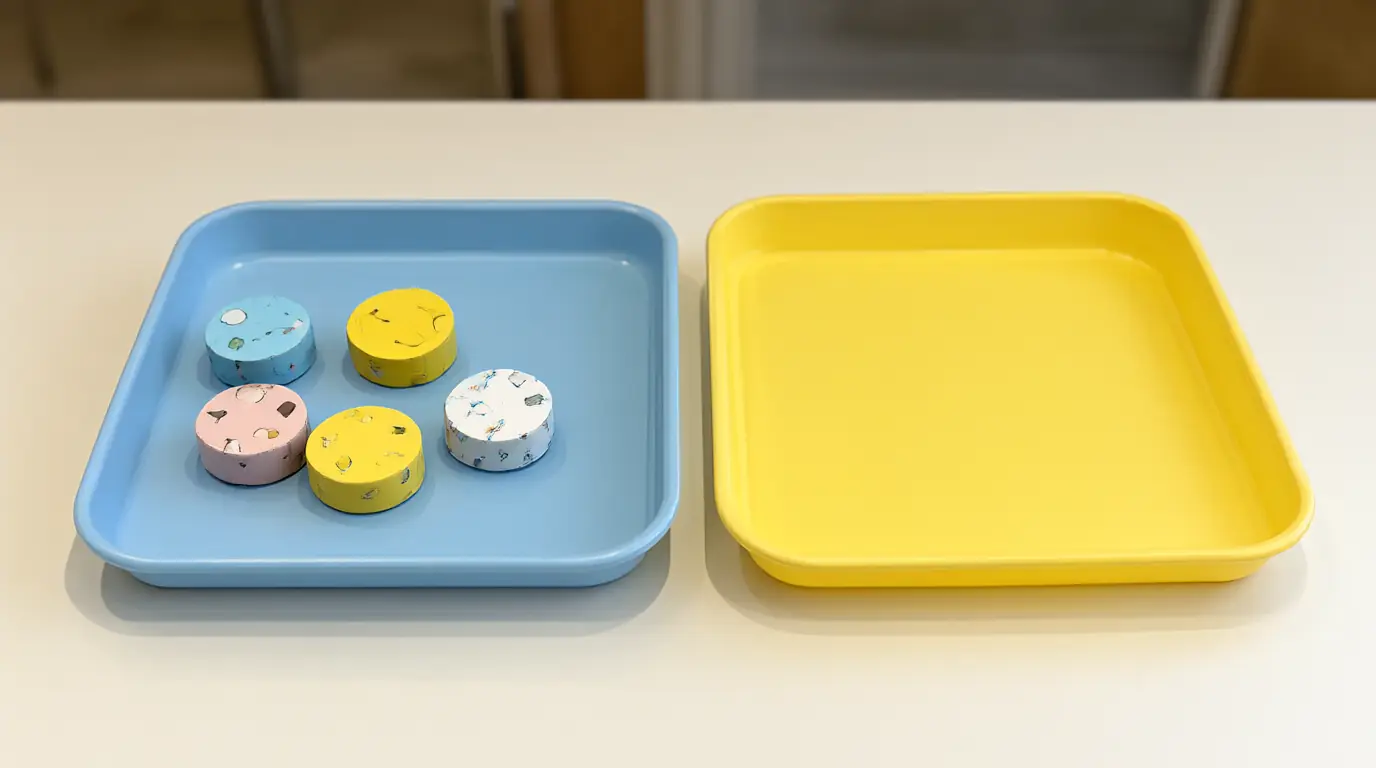
Make it your own: Younger children can ask whether the object is a certain colour. Older children can plan a first question that removes about half the objects.
Mystery bag by feel
Feeling objects in a bag gives children time to use their hands and describe what they notice. It encourages words such as smooth, round, bumpy and soft, and the guess has to fit all the clues. Letting children choose whether to touch keeps the game comfortable for those who dislike surprises.
You’ll need
- A cloth bag with an open top
- 4 or 5 safe objects of different shapes
- A tray to show the choices
- A blindfold-free alternative: a peek-through slit
How to do it
- Show the objects, then put one in the bag.
- Invite your child to touch it through the cloth or reach in.
- Ask them to say one thing it feels like.
- Give a second clue if needed, such as its size.
- Make a guess and check by pulling it out.
- Swap roles and let your child choose the object.
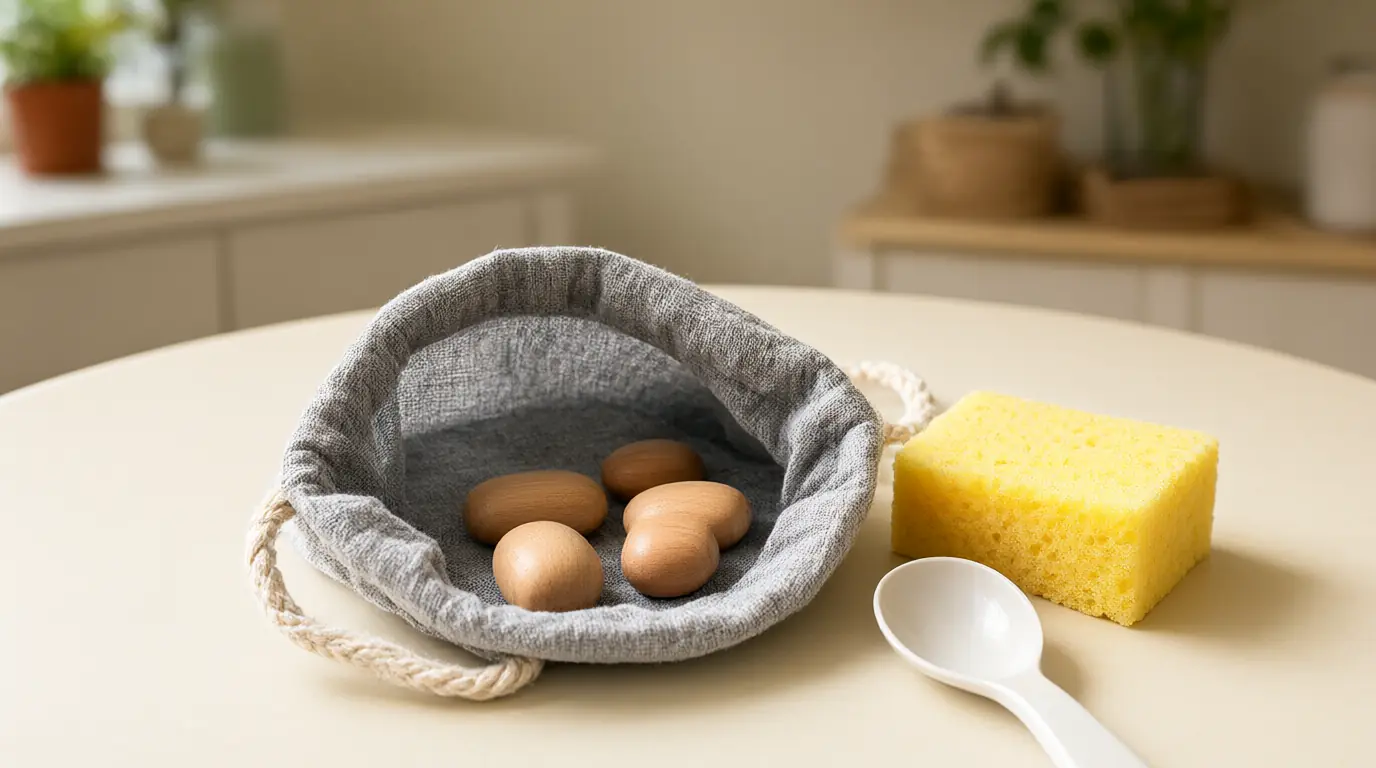
Make it your own: Younger children can match the felt object to a picture. Older children can describe it so well that you can draw it before it is revealed.

Make it work for your family
When a child guesses something unexpected, ask which clue made them think of it. Often their answer matches part of the information, and that discussion is where the learning happens. Add one clue and see whether the guess changes. If a child gets stuck, narrow the choices rather than giving the answer, or offer two pictures to choose between.
Watch for games that become a race to shout first. Taking turns to give clues, or letting each player whisper a guess to you, keeps the pace calm. Children who like leading will enjoy being the clue-giver; those who prefer thinking quietly can point or use cards. For a related reasoning game with answers to explain, try these brain teasers where you explain the clue or riddles about everyday things.

Parents also ask
What are good guessing games for 3-year-olds?
Start with a small set of familiar objects or pictures, and give one clue at a time, such as what the object does. A mystery bag with just three items works well. Let your child point rather than speak, and always show the answer at the end.
How do I keep guessing games from becoming a competition?
Make it a shared puzzle rather than a race. Take turns giving clues, let everyone whisper a guess, or count how many clues the whole group needed. Celebrate good questions and clever reasoning rather than who answered first.
What should I do if my child gets frustrated?
Reduce the number of choices, give an extra clue or offer two pictures to pick from. If frustration continues, finish the game by revealing the answer together and move on. A short, positive round is better than one that goes on until the child gives up.
Choose materials and activities that suit your child, supervise as needed and adapt the ideas to their interests and abilities. About our editorial approach