Weebou Editorial Team
 8 min read
 In this article
A little preparation
Start by asking your child what the imaginary kingdom is called and who lives there. Their answers become the world you play in, so write them on a sticky note or draw them on paper and keep it nearby. Offer a few open props rather than a full costume: a paper crown, a length of fabric, a cardboard box. Skip long trailing skirts, tight sashes and anything that could catch under a foot or around the neck when children run and climb.
A play session of 20 to 30 minutes on the floor or a large table works well. Invite siblings and friends by offering roles rather than assigning them: royal helper, gardener, messenger, castle builder, guest. If a child does not want to speak in character, they can still move the figures or hold the map. Stay close enough to ask questions such as 'who needs help in the kingdom today?', then let the children decide what happens. Decorating with crayons and paper is all that is needed; glue and scissors can stay with an adult.

What to know and try
Design a castle everyone can enter
Instead of a fortress that keeps people out, children plan a castle where every character can get in, from a knight on a horse to a small mouse to someone using a wheelchair. Thinking about paths, doors and ramps gives early practice in spatial planning and considering other people's needs.
You’ll need
- A medium cardboard box or several small ones
- Crayons and paper for doors and signs
- Toy figures or paper cut-out characters
- A strip of folded card for a ramp
How to do it
- Place the box on the floor and decide together who will live in the castle.
- Ask each character how they want to arrive: walking, riding, rolling or flying.
- Draw doors wide enough for the biggest figure and mark where the entrance will be.
- Make a ramp from folded card and test whether a toy vehicle or figure can roll up it.
- Add a picture sign, such as a cup for the kitchen and a star for the throne room, so visitors can find their way.
- Walk the figures through the castle and fix anything that blocks them.
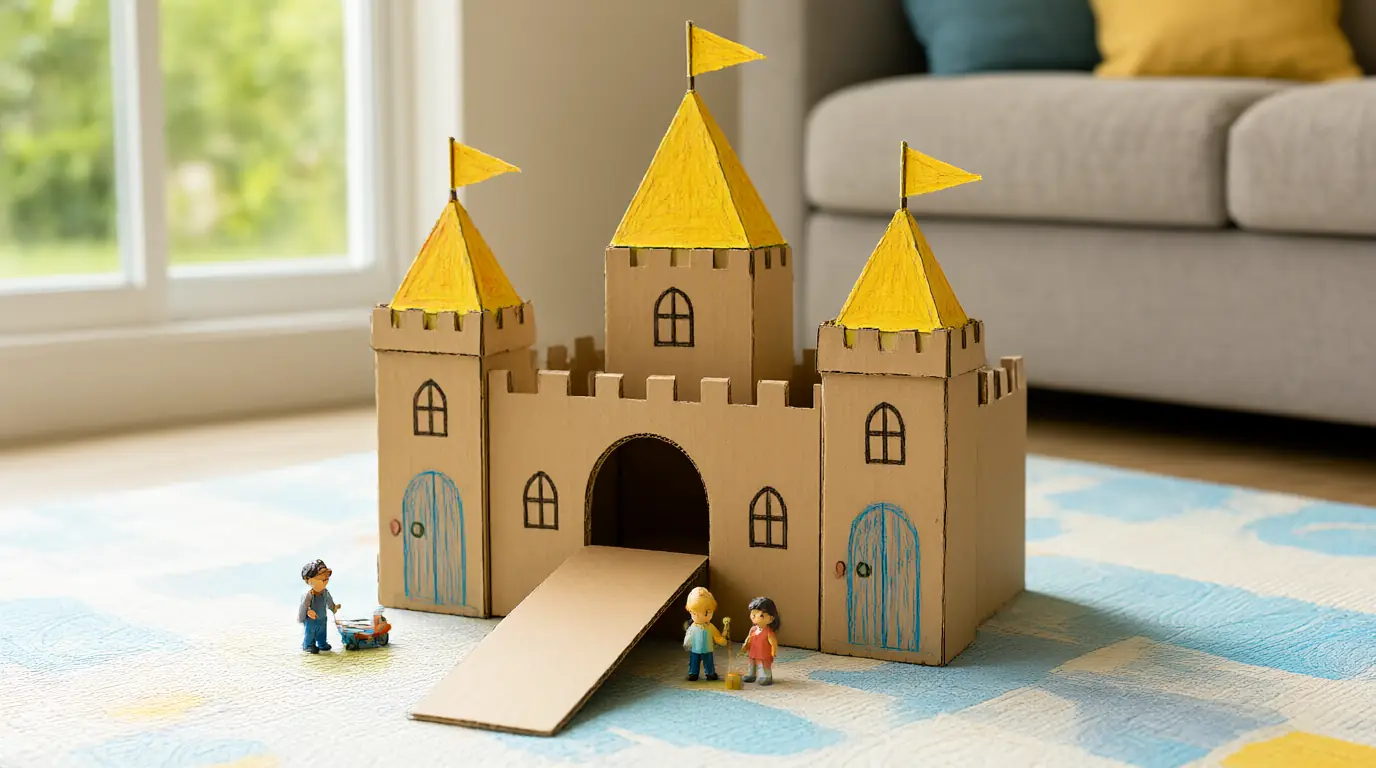
Make it your own: Younger children can simply place figures inside and out. Older children can draw a floor plan on paper first and decide where the quiet room goes.
The royal garden request
Every kingdom needs somewhere to grow food or flowers, and deciding how to share it is a real planning problem. Children practise listening to different wishes and turning them into a drawing, which makes this a gentle exercise in fairness and teamwork.
You’ll need
- A large sheet of paper
- Green, brown and bright crayons
- Small paper seed packets or pictures of plants
- Sticky notes for names or pictures of helpers
How to do it
- Tell your child that the kingdom wants a garden and ask who might use it.
- Draw the garden's outline on the paper and divide it into beds with a crayon.
- Let each character, or each child, choose what to plant and draw it in a bed.
- Add a path wide enough for everyone to walk and a bench for resting.
- Stick a note on each bed to show who looks after it, using a picture rather than writing.
- Decide together what will happen to the harvest: who gets what, and what to give away.
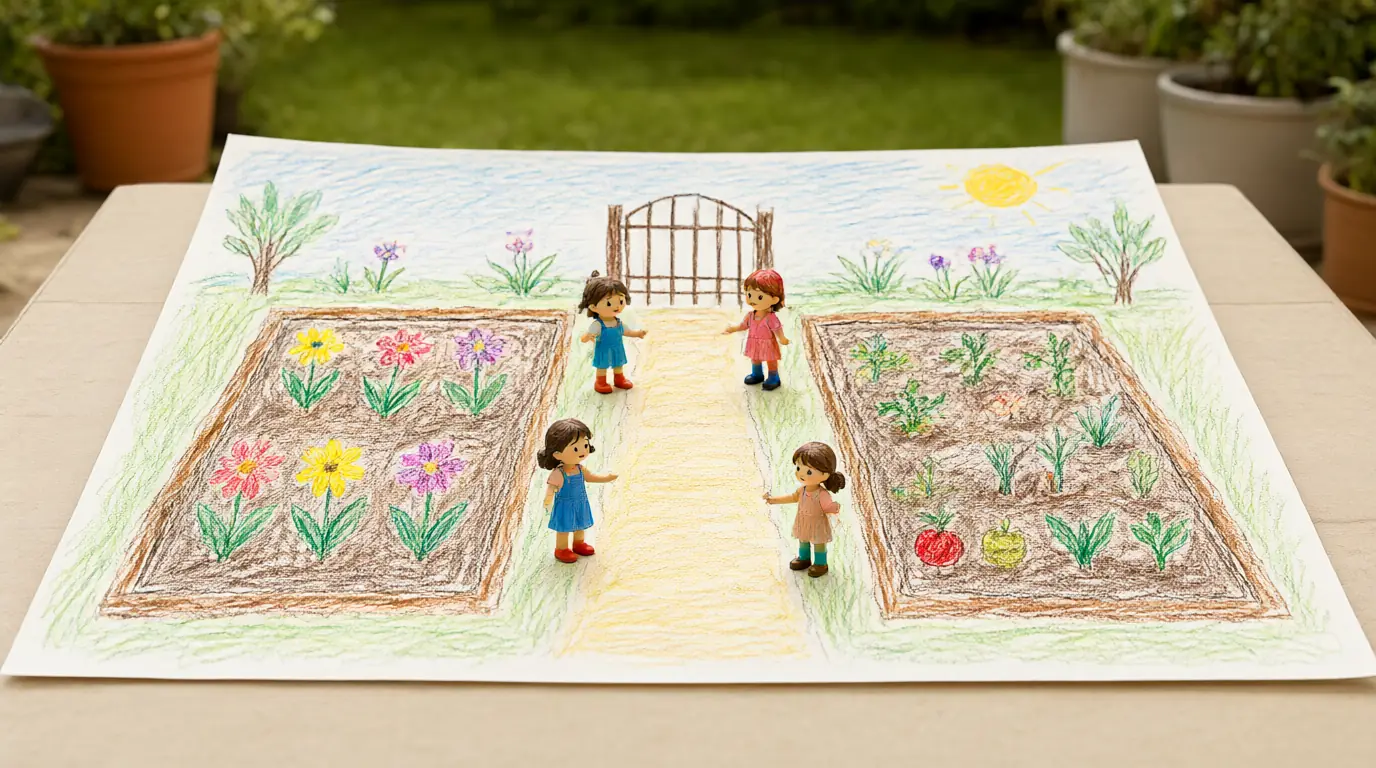
Make it your own: For younger children, give each a single bed and a single plant. Older ones can add a watering rota or a rule for when the garden is closed.
The case of the missing invitation
A small mystery gives royal play a puzzle. Children look for clues in pictures, ask questions of the characters and work out a fair outcome, which builds reasoning and conversation skills without any wrong answers.
You’ll need
- A paper invitation with a star drawn on it
- 3 to 4 toy figures or paper puppets
- A shoebox or bag for hiding the invitation
- Picture clues drawn on small cards
How to do it
- Hide the invitation in a different 'house' (a box or cup) from where it should be.
- Tell your child that the party invitation has gone astray and the kingdom needs help.
- Offer three clue cards, such as a muddy footprint, a blue ribbon and a drawing of a bird.
- Ask which character might be connected to each clue and why.
- Visit each suspect figure with a friendly question: 'Have you seen a star-shaped card?'
- Find the invitation and decide what to say so that no one feels blamed.
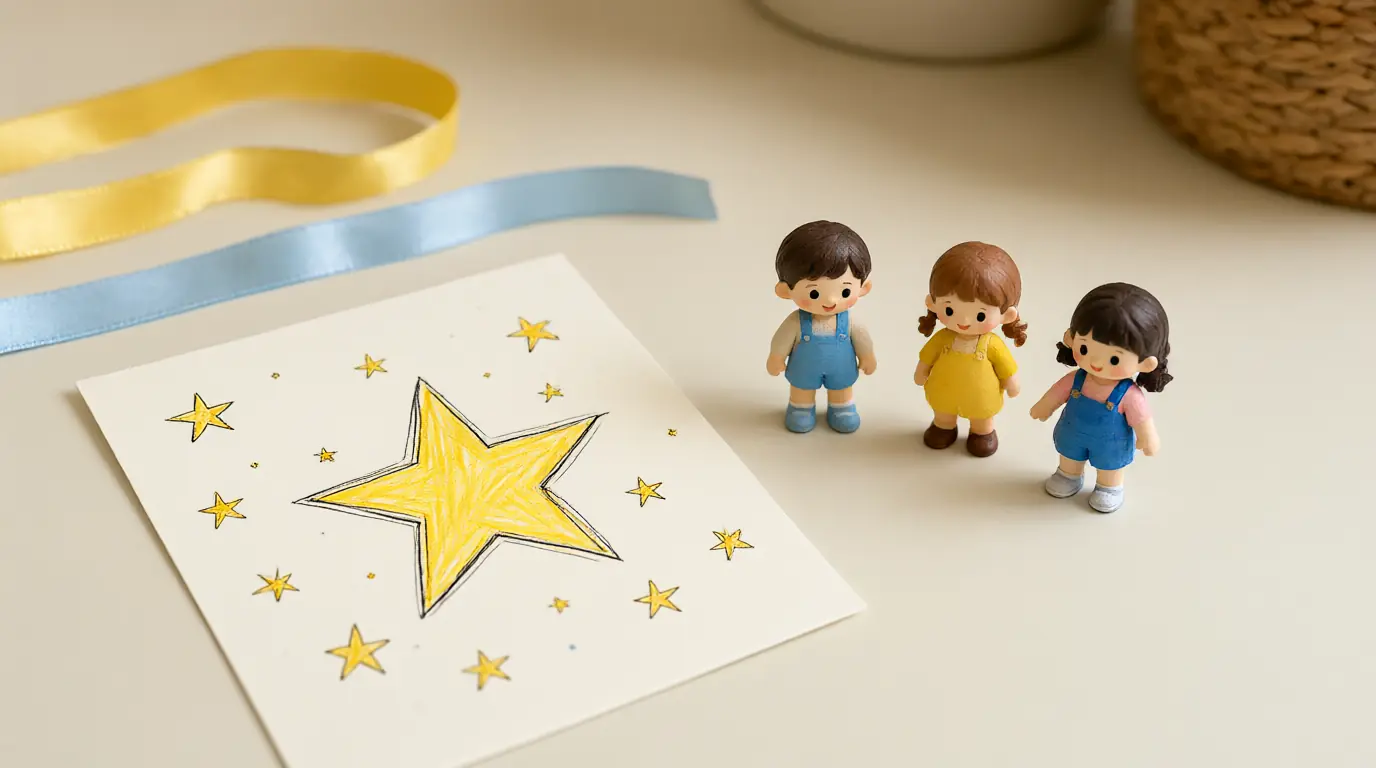
Make it your own: Use only one clue for a young child. For a challenge, hide two invitations and let your child decide which belongs to which guest.
Plan a party where every guest feels welcome
Hosting a pretend celebration lets children think about what different guests might need: a quiet corner, a seat that is easy to reach, something to do for someone who does not like dancing. They practise empathy while enjoying the pleasure of planning.
You’ll need
- A large sheet of paper or a play mat
- Paper crowns and cut-out guests
- Small boxes for tables
- Crayons for a menu and a games list
How to do it
- Decide who is coming to the party and write or draw each guest on a sticky note.
- Ask what each guest likes: music, a quiet corner, a favourite drink, a game.
- Set out the boxes as tables and make a quiet corner with a cloth.
- Draw a short list of games and let each guest choose one.
- Act out the party, with the host checking in on each guest.
- Finish by tidying together and deciding what to change next time.
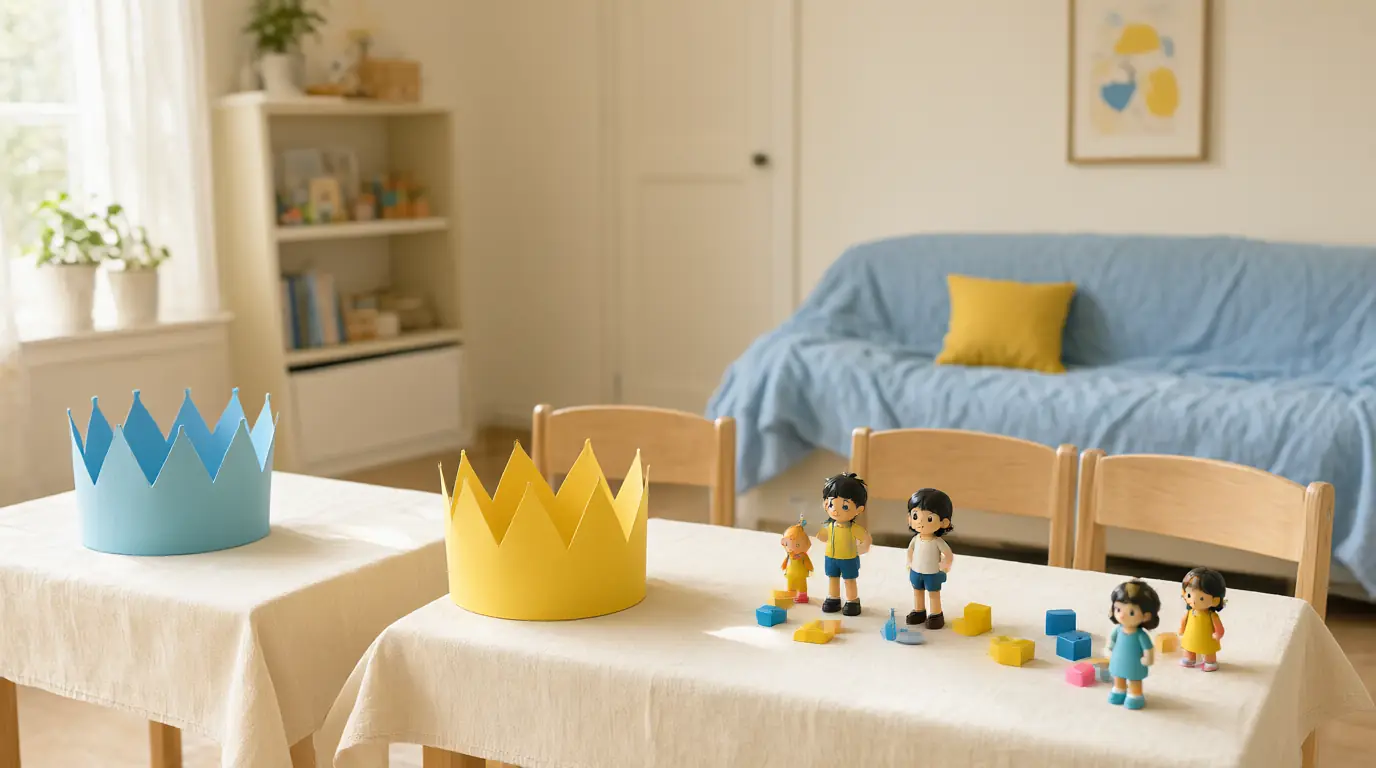
Make it your own: Younger children can lay out a tiny tea set. Older children can create a schedule with three activities and a quiet break.
Royal helpers at work
A princess can be an engineer, a doctor, a baker or a ranger. Giving the character a job lets children try out roles that are not tied to any one costume, and it opens up vocabulary and imaginative problem-solving.
You’ll need
- A paper crown
- A few job cards drawn with a picture each
- A scarf or cloth
- A basket of everyday props such as a spoon or a toy hammer
How to do it
- Lay the job cards face down and let your child pick one.
- Ask what problem a royal helper with this job might meet in the kingdom.
- Gather props from the basket that suit the job.
- Act out the problem and its solution for a minute or two.
- Ask what the character needs to say or do to be kind to the person they are helping.
- Swap jobs and try again.
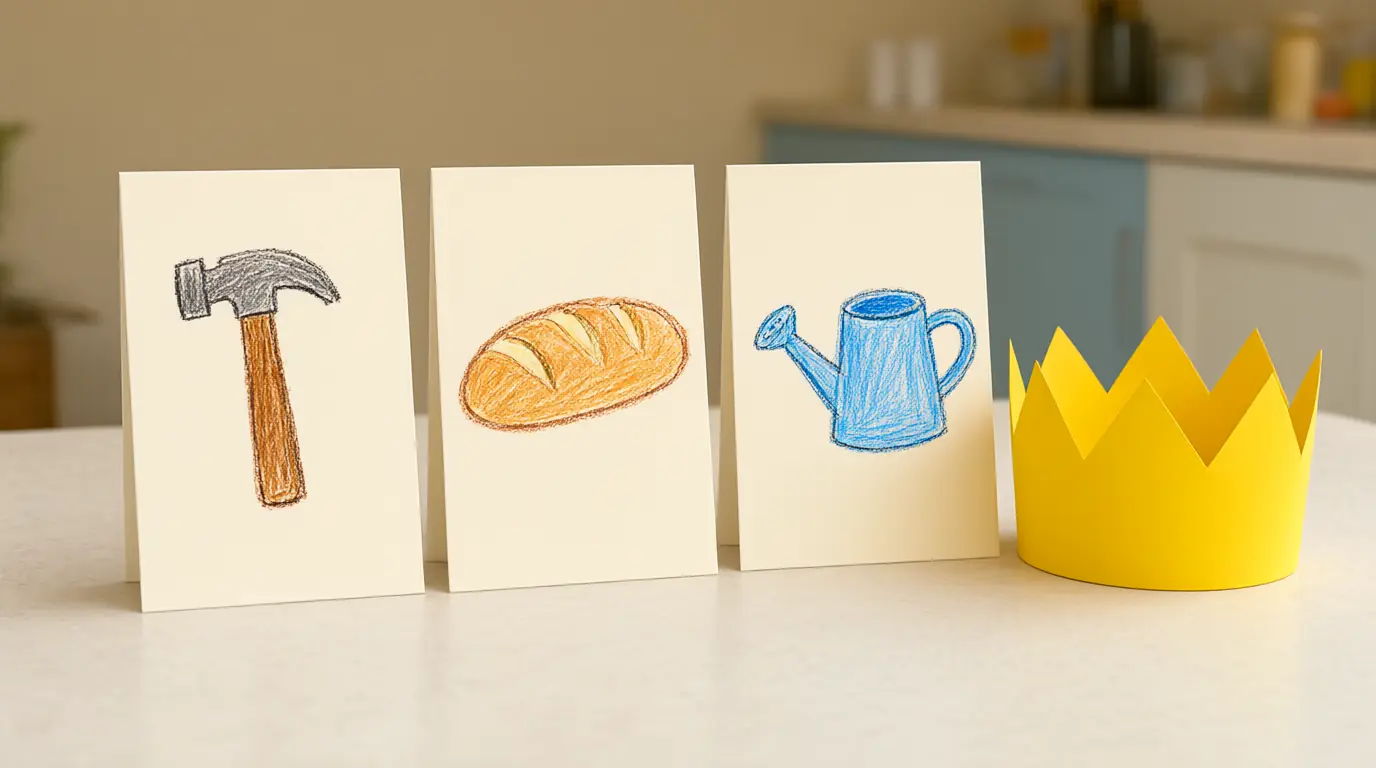
Make it your own: Offer two cards instead of five for a younger child. Older children can invent their own job and draw the card.

Make it work for your family
Let your child redefine the character at any point. A princess can be a gardener, a scientist or a ship's captain, and a child who does not want a costume can still take a full part by moving figures or drawing the map. If a quarrel arises about who is the 'real' princess, suggest that the kingdom has room for several rulers who share different jobs.
Watch for play that becomes only about appearance, and gently steer back to action with a question such as 'what does the kingdom need today?'. For more story-driven play, try these dress-up games or the open-ended pirate games for kids, and use the creativity games on Weebou for a short screen-based break.

Parents also ask
Are princess games only for girls?
No. Royal stories can be enjoyed by any child, and a prince, a knight or a gardener can take part in the same adventures. Offering roles rather than assigning them lets each child choose what suits them.
How can I make princess play less focused on looks?
Give the royal characters jobs and problems: repair a bridge, plan a garden, find a lost invitation. When play centres on what characters do and how they treat others, costumes become optional extras rather than the point.
What props do I need for princess games?
Very little. A paper crown, a length of fabric, a few cardboard boxes and some toy figures are plenty. Choose clothing that does not trail on the floor, so children can move, climb and play safely.
Choose materials and activities that suit your child, supervise as needed and adapt the ideas to their interests and abilities. About our editorial approach