7 min read

 In this article
A little preparation
Start with pictures and pretend food rather than tasting. Cut food photos from old magazines or draw simple ones on index cards, and collect a few clean empty containers for a play kitchen. If you decide to use real food, an adult checks allergies, choking risks and hygiene first, and eating stays separate from winning, rewards or pressure.
Choose a calm time away from a real mealtime, when no one is hungry or tired. Sit at a table with a clear surface, and keep each game to about ten to twenty minutes. Say at the start that nobody has to taste, and that looking, naming and passing are all part of the game. Family foods and needs vary, so let your child describe what is familiar at home and avoid correcting their foods with your own. If you have worries about your child's eating or growth, talk to your doctor or a qualified professional rather than relying on games.

Ideas to try together
Ingredient detectives
Recipes become less mysterious when children look at what goes in. Spotting ingredients in a drawn recipe, then in a finished dish, builds vocabulary and the idea that a meal is made of parts. It is fine if your child does not recognise every picture.
 You’ll need
- A simple family recipe chosen by an adult, such as vegetable soup or a sandwich
- Paper and crayons
- Food picture cards
- A small tray
How to do it
- Read the recipe aloud and list three or four ingredients.
- Ask your child to draw each ingredient on its own piece of paper.
- Lay out food picture cards and match each drawing to a card.
- Show a photo or the real dish at a distance and ask which ingredients you can see.
- Talk about any you cannot see, such as salt or a stock cube.
- Draw the finished dish in a bowl together.
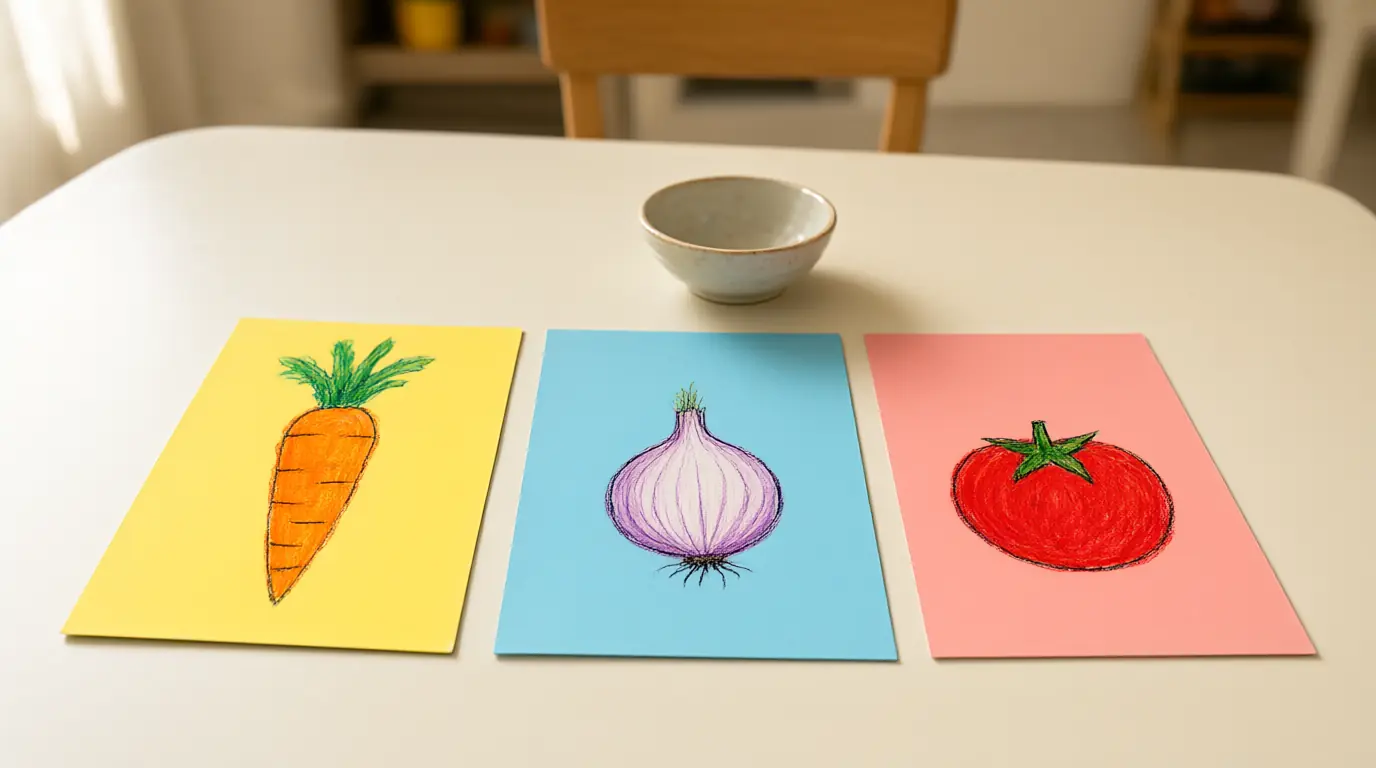
Make it your own: Younger children can match two or three pictures. Older children can sort ingredients into 'in every bite' and 'a little on top', or guess what a mystery picture dish contains.
Picture shopping plan
Planning a pretend meal gives children practice in listing, matching and counting while they decide what the family might need. Because the food is pretend, your child can change the plan freely without any pressure about what is on the plate.
You’ll need
- A reusable shopping bag
- Food picture cards or pretend food
- A paper list with space for pictures
- A basket or box as a shop
How to do it
- Choose a pretend meal, such as pasta night or a breakfast picnic.
- Draw or stick four pictures on a list together.
- Set the food cards in the shop basket, mixed with a few extras.
- Let your child find each pictured item and put it in the bag.
- Check the bag against the list, tapping each picture.
- Swap roles and let your child be the shopkeeper who hands over the items.
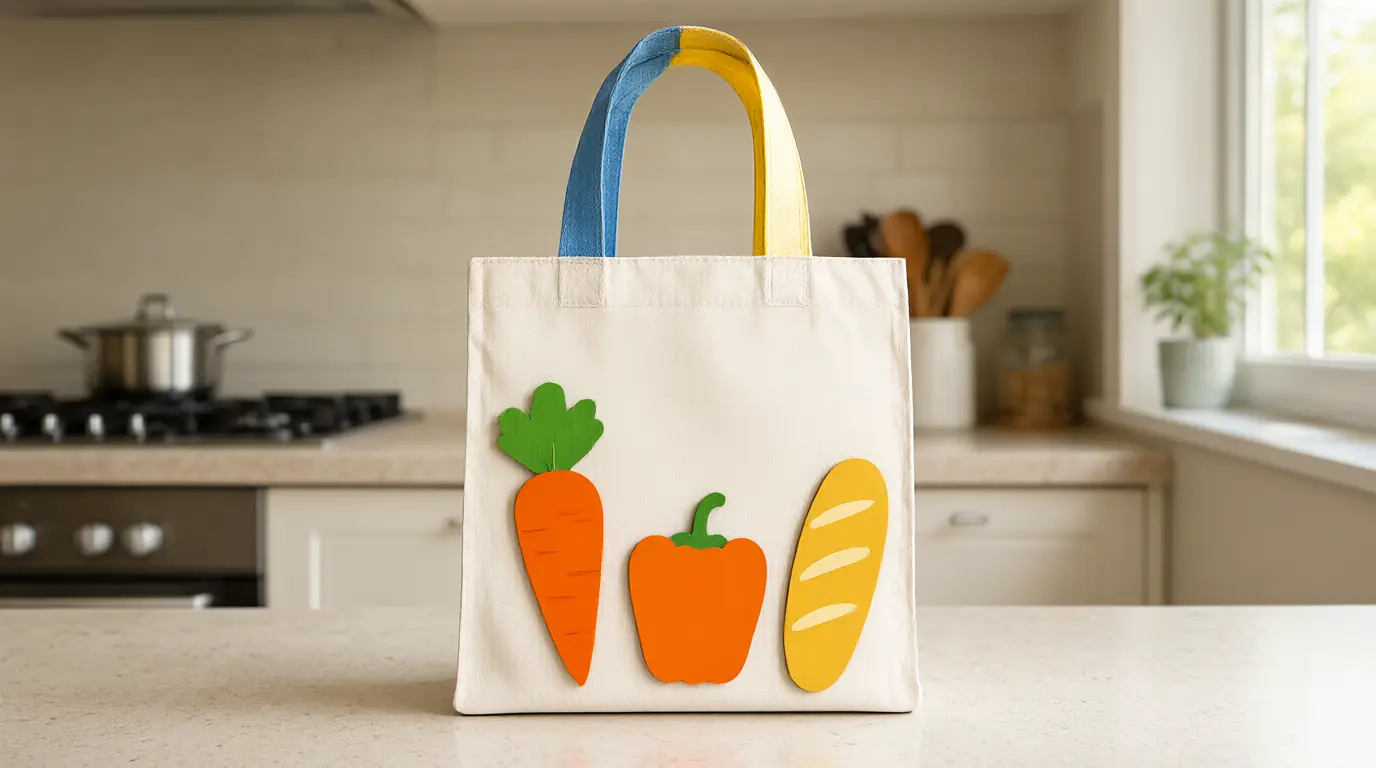
Make it your own: Offer a list with two items to start. For older children, add a number beside each picture, such as 'two eggs', and count them into the bag.
From place to plate
Following a food's journey gives children a sense of the wider world around the table. Keep it honest: draw the steps you know and mark the ones you do not as questions to look up together, rather than guessing.
You’ll need
- One familiar ingredient, such as bread, milk or an apple
- A long strip of paper
- Crayons
- A children's book or website for checking facts, used by an adult
How to do it
- Choose one food and ask your child what they think happened before it reached the kitchen.
- Draw the starting place you know, such as a tree, a farm or a shop shelf.
- Add each step in order: grow, pick or collect, travel, shop, kitchen.
- Put a question mark by any step you are unsure of.
- Look up one question together using a reliable book or site.
- Fold the strip and read it back from first to last.
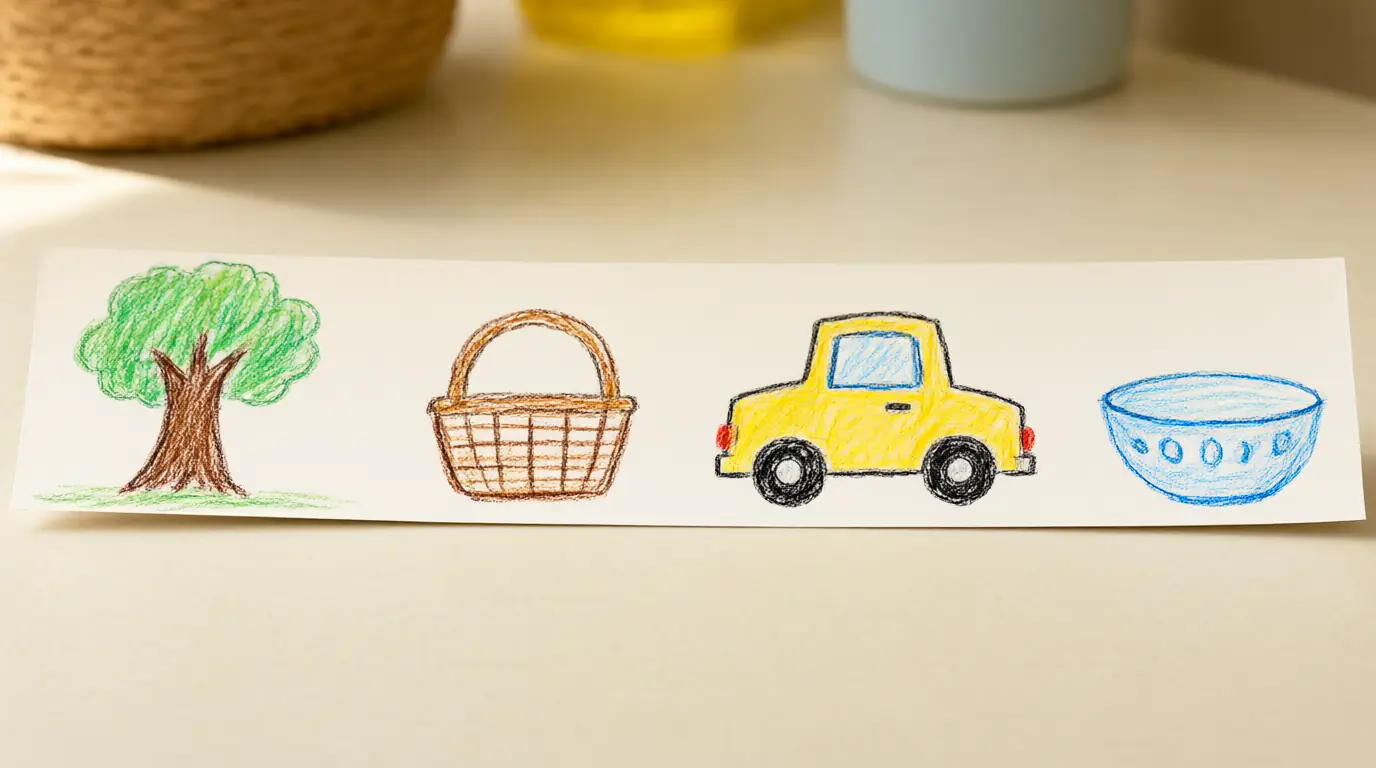
Make it your own: For young children, use three pictures only. Older children can add a second food and compare the journeys, noticing differences without ranking them.
Kitchen routine sequence
Many mealtime routines are small steps that children can learn through practice: washing hands, setting a place, sitting down. Playing through the sequence with pretend equipment makes it familiar and gives children a role without any tasting.
You’ll need
- Five picture cards: wash hands, set the table, sit down, pass the bowl, tidy up
- Play plates, cups and cutlery
- A small towel
- A tray
How to do it
- Lay the cards in a jumbled row and ask your child what happens first.
- Reorder the cards together to match what happens in your home.
- Act out the first card, such as pretending to wash hands with soap.
- Set a play table with one plate and cup per person.
- Practise passing a pretend bowl and saying 'please' and 'thank you'.
- Finish by tidying the play items on the tray.
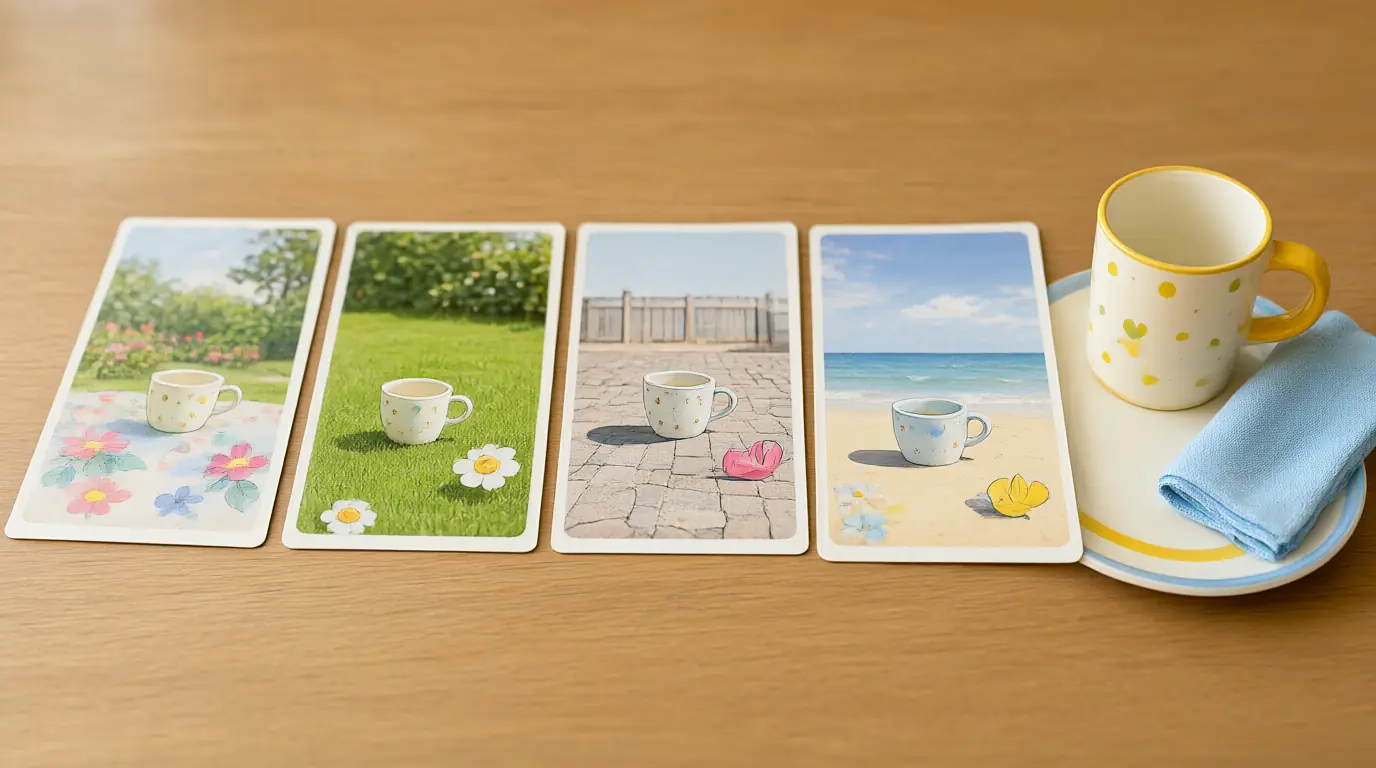
Make it your own: For younger children, keep to three cards. Older children can make their own cards for routines unique to your family, such as lighting a table lamp or choosing music.
Colours, shapes and textures on the market stall
Sorting food pictures by something visible lets children notice the world without judging it. There is no right answer to 'which foods are round', and more than one grouping can be sensible. The game uses the language of looking and describing.
You’ll need
- Eight to twelve food picture cards or pretend foods
- Two or three bowls or paper plates
- A cloth for a market table
- Sticky notes with colour dots
How to do it
- Lay out all the pictures on the cloth and name them together.
- Choose one visible sorting rule, such as colour or shape.
- Place bowls and sort the cards into them.
- Ask, 'Did anything fit in two places?'
- Change the rule and sort again, such as long things versus round things.
- Let your child be the stall owner and describe one group to you.
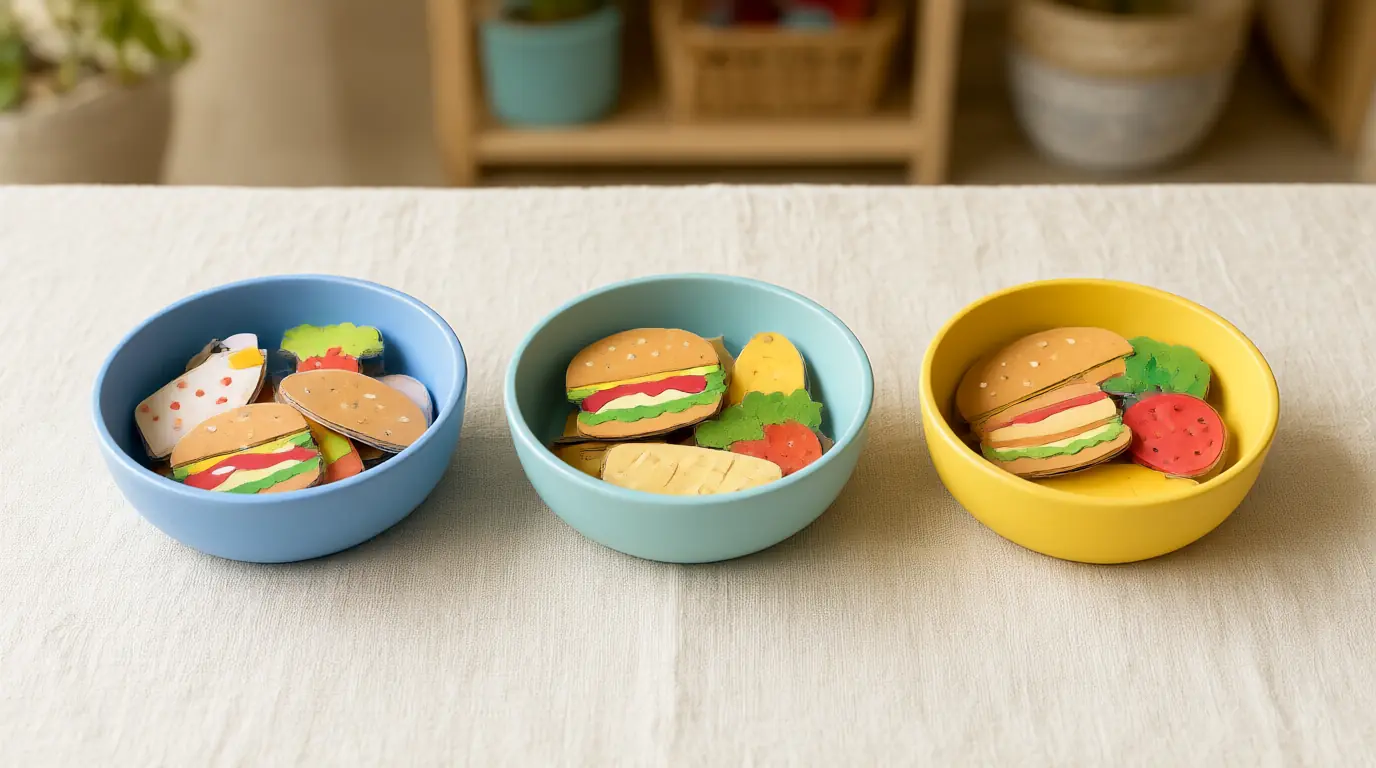
Make it your own: Start with two bowls and clear colours. For older children, use a rule such as 'foods that grow on a plant' and talk about what you know and do not know.

Make it work for your family
Keep the language neutral and avoid good-food and bad-food labels. Children can look, name, sort or pass on any item and still take part. If a child is anxious about food, drop the game and play something else; a pretend kitchen can wait.
Avoid using the games as bribes or rewards, and do not make a point of how much a child has eaten at the next meal. Family foods differ, so ask your child what is familiar at home and let them teach you. For more ideas around food in pretend play, try food-themed games for kids or a pretend shop money game.

Parents also ask
How do I teach kids about healthy food without pressure?
Keep the conversation about noticing: colours, shapes, where foods come from and how meals are made. Avoid labelling foods good or bad, and never make a game depend on eating. For any worry about your child's diet, speak to a qualified professional.
Can nutrition games work for picky eaters?
They can offer low-pressure contact with food through pictures and pretend play. They are not a treatment for feeding difficulties, and nobody should be pushed to taste. If mealtimes are a worry, ask your doctor or a feeding specialist.
Are these games suitable for children with allergies?
Yes, because they use pictures and pretend food. Keep real food out of the games unless an adult has checked each ingredient for your child's allergies, and avoid foods that are choking hazards for your child's age.
Choose materials and activities that suit your child, supervise as needed and adapt the ideas to their interests and abilities. About our editorial approach