7 min read

 In this article
A little preparation
Boredom is not an emergency. A few minutes of 'I don't know what to do' is often where a child's own idea begins, so wait a little before stepping in. When you do offer something, choose from what is already in the house and say what you can help with: 'I can find the tape, you decide what to make.' Let your child decide whether the invitation sounds interesting, and accept a 'no thanks' calmly.
Offer two clear options rather than a long list. Say them aloud, show the materials if you can and give a few seconds to choose. Aim for sessions of ten to twenty minutes, and then leave the result out in case your child wants to return. Keep adult jobs such as cutting card separate and keep small items away from younger siblings. If boredom is frequent and your child seems unhappy or withdrawn, a chat with your doctor or health visitor is a sensible next step.

What to know and try
One object, ten new jobs
Choosing a safe household object and imagining new uses stretches flexible thinking, and the results are often funny. A cardboard tube can be a telescope, a trumpet or a tunnel, and your child discovers that the same thing can play many roles.
 You’ll need
- A cardboard tube, a wooden spoon or a large cushion
- Paper and crayons
- A few soft toys as an audience
How to do it
- Choose one safe object and place it on the floor between you.
- Say, 'What could this be?' and offer one idea to start.
- Take turns inventing uses and acting each one out.
- Let the toys 'vote' for their favourite by moving closer.
- Draw the best idea on paper.
- Ask what other object could have ten new jobs.
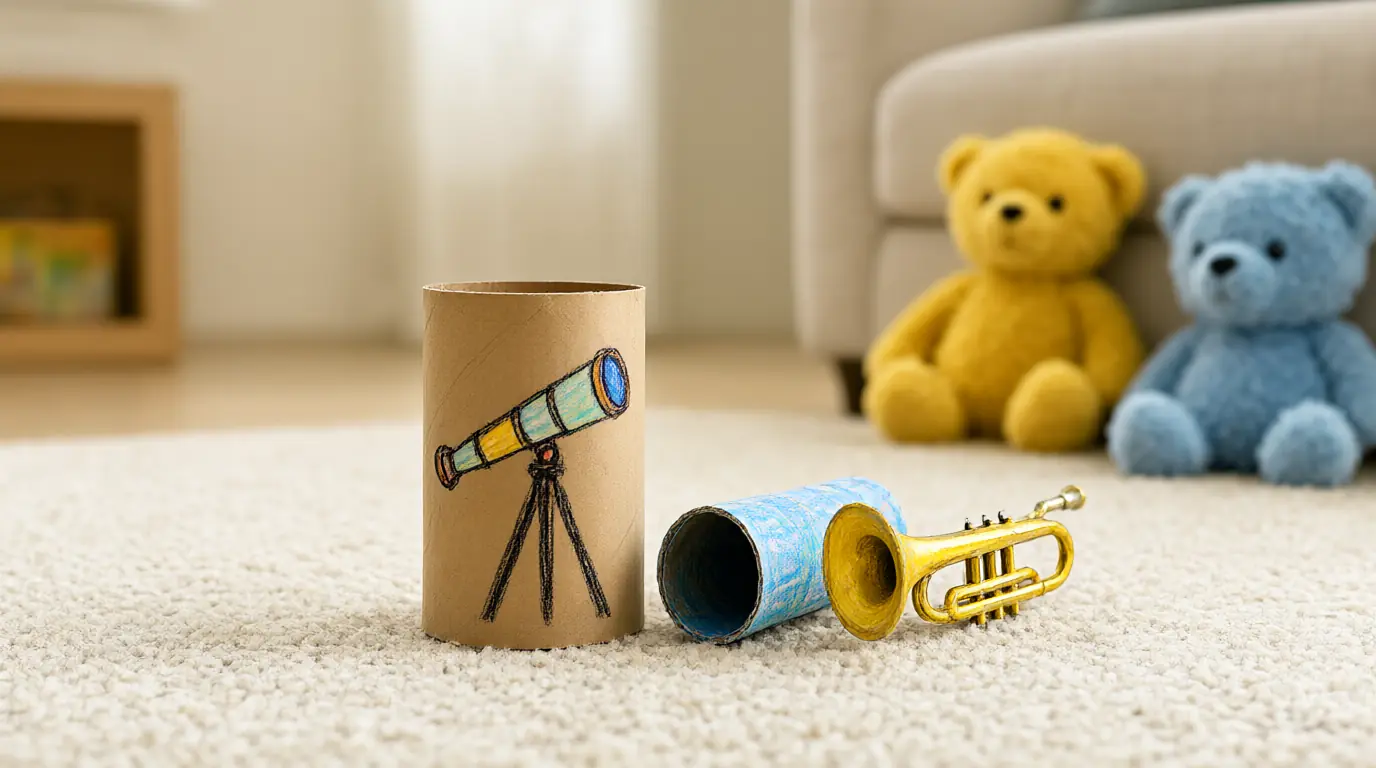
Make it your own: Younger children can act out only two uses. Older children can count how many ideas they can make in a minute or find an object with no obvious use.
A five-minute drawing world
A single starting mark, such as a path or a doorway, gives a child something to follow. They decide what belongs around it, so the game is theirs, and there is no pressure to finish.
You’ll need
- A large sheet of paper
- Three or four crayons
- A timer, if your child likes one
How to do it
- Draw a single doorway or a winding path in the middle of the page.
- Ask your child, 'What is behind it?' or 'Where does it go?'
- Let them add one thing at a time, perhaps a creature, a house or a river.
- Add one thing yourself, and ask whether it fits.
- Stop after five minutes or continue if your child wants to.
- Give the world a name and display it.
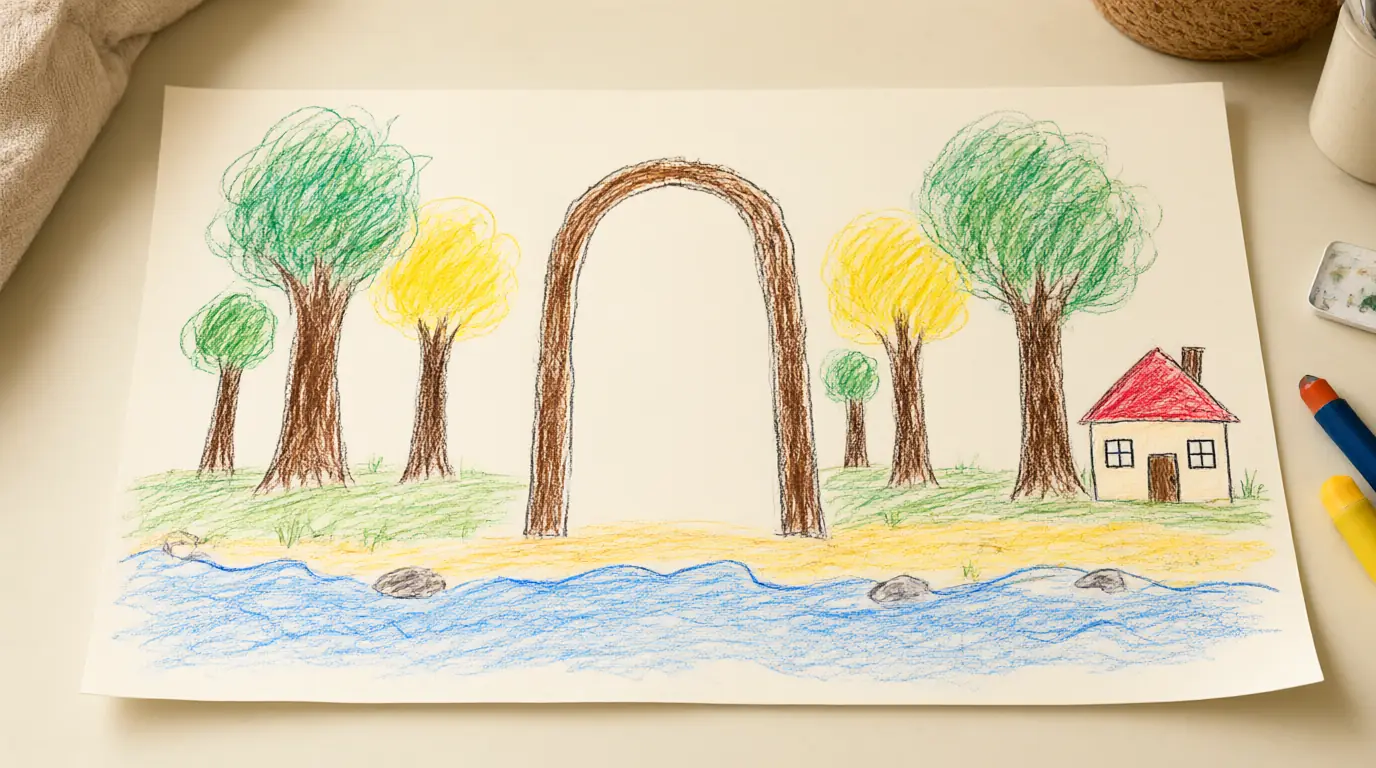
Make it your own: Younger children can add marks or scribbles and tell you what they are. Older children can draw a map with a key or write the place name.
A toy with a problem
Giving a toy a practical problem lets a child design a solution. They think about what the toy needs, choose materials and test their idea, all within play rather than a task. The toy's need is a real reason to measure, fold and adjust, and your child gets to be the helper who knows best.
You’ll need
- A soft toy or small figure
- Cardboard, paper or a shoebox
- Tape, cloth or tissue
- Crayons
How to do it
- Introduce the toy and say what it needs, such as somewhere to sleep.
- Ask your child how they could help.
- Choose materials and begin building the solution.
- Test it: lay the toy in the bed and see whether it fits.
- Make one change if something does not work.
- Ask the toy to say thank you, in your best toy voice.
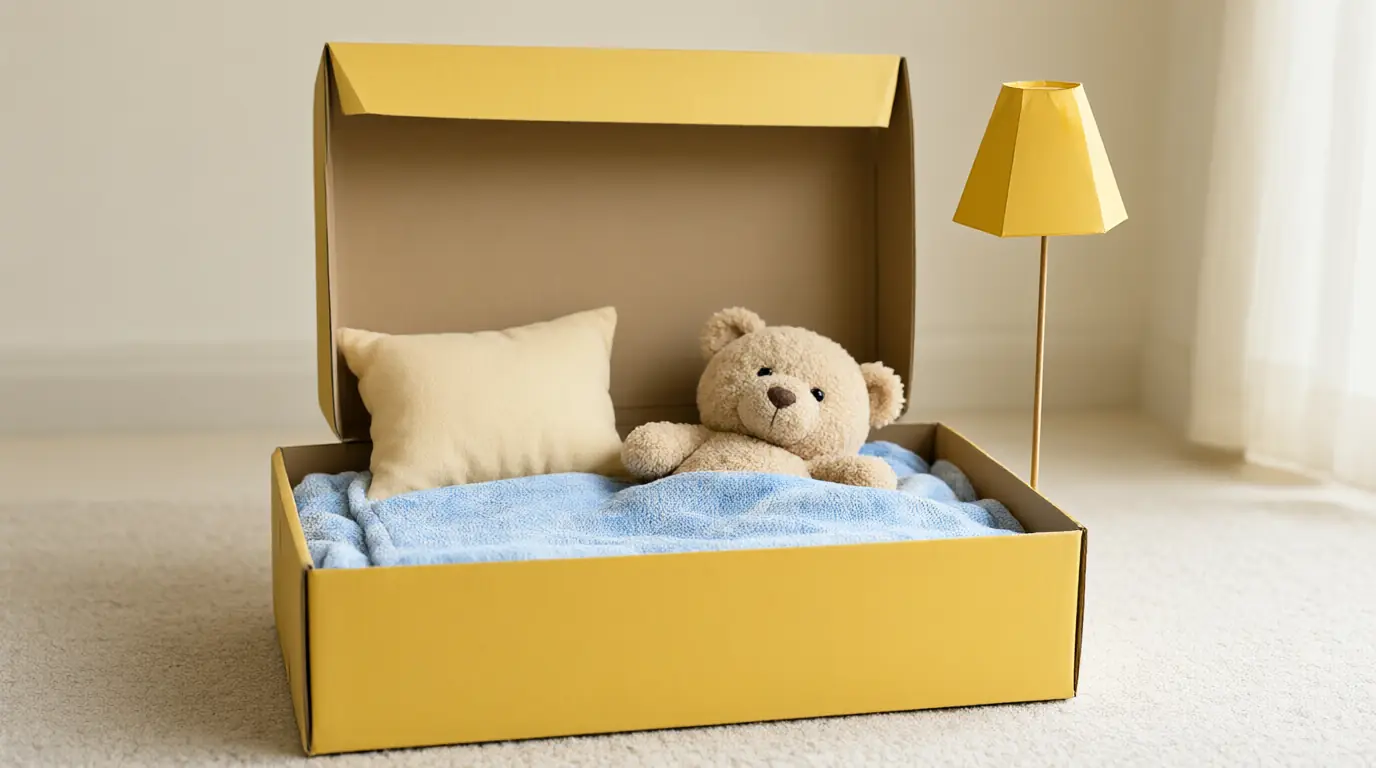
Make it your own: For younger children, offer a ready-made box. Older children can invent a second problem, such as needing a door or a roof, and plan the steps.
Make the rules for a two-object game
Inventing a game from two large objects and a target gives a child the chance to think about goals and fairness. Testing it with you shows that rules can be changed, and helps them practise explaining.
You’ll need
- Two large soft balls or rolled socks
- A basket or box as a target
- A piece of string or tape for a start line
How to do it
- Place the target and mark a start line on the floor.
- Ask your child to invent the goal, such as getting a ball in the basket.
- Decide how many tries each player has.
- Play a round together and keep it friendly.
- Choose one rule to change, such as moving the line closer.
- Play again and ask which version was more fun.
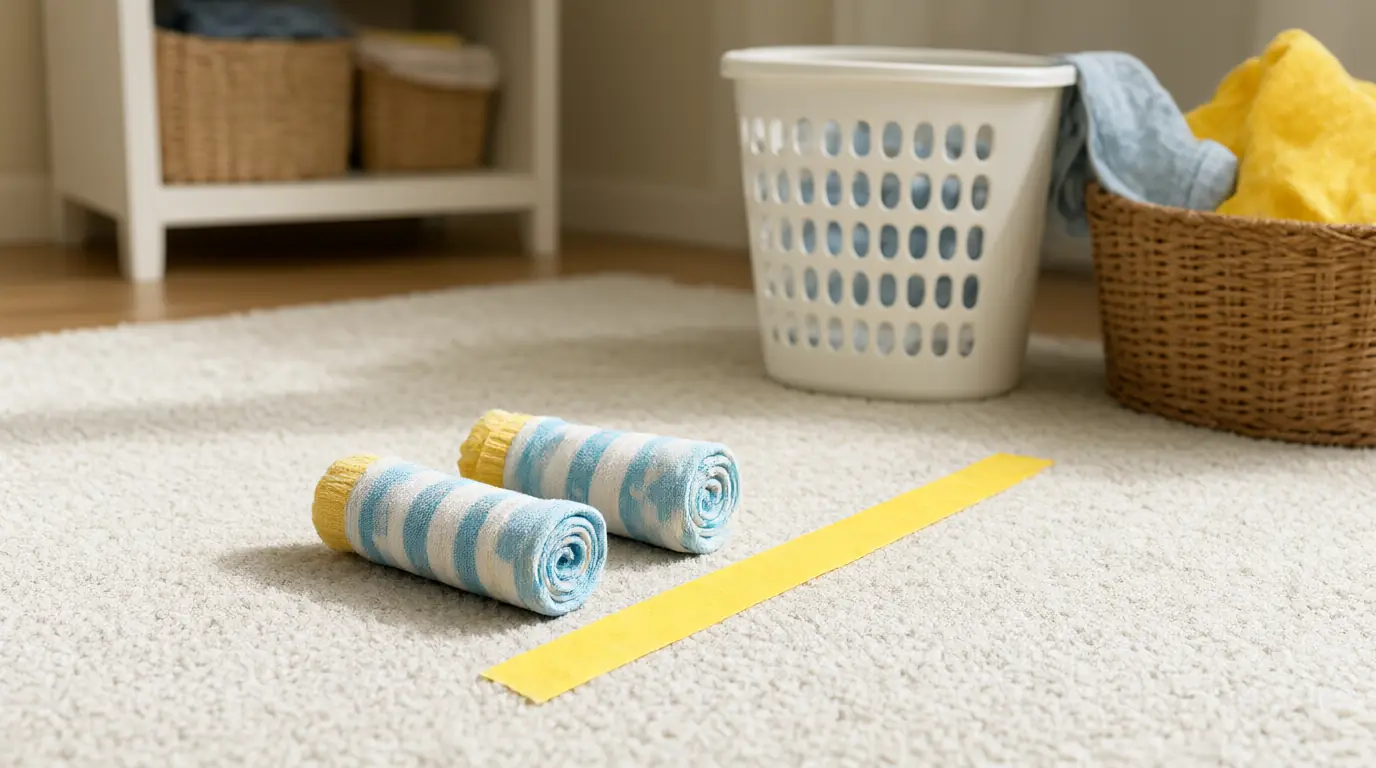
Make it your own: Younger children can play without scores. Older children can add a point system with tally marks or a second target.
The one-minute treasure hunt
A very short hunt breaks a long, flat afternoon without a lot of setup. You hide one small item in plain sight, give a clue and let your child find it, which builds attention and a sense of an achievable goal.
You’ll need
- One small toy or a coloured sock
- A timer
- Sticky notes for clues
How to do it
- While your child is out of the room, hide the item in plain sight.
- Give one clue, such as 'It is something soft near something tall.'
- Start the timer for one minute and let your child search.
- Offer a second clue if they need it.
- Celebrate the find and swap roles for the next round.
- Draw a tiny map of the hiding place for a future hunt.
Make it your own: For younger children, say 'warm' and 'cool' as they move. Older children can hide the item and write clues with simple pictures.

Make it work for your family
Avoid presenting a long menu of options when choosing itself feels difficult; two clear possibilities are easier to begin with. If your child says no to both, you can say, 'That is fine. I'll be here if you change your mind,' and leave the materials out.
Boredom often passes more quickly when an adult sits nearby doing something of their own rather than running a show. Notice when a child has started playing and step back. For more ideas for stuck days, try these rainy-day games for kids or some indoor toddler activities for small spaces.

Parents also ask
Is it okay for children to be bored?
In moderation, yes. A short period without a plan can lead children to their own ideas. You do not need to fill every gap, though you can offer a small invitation if your child seems stuck or unhappy.
What can I do when my child says there is nothing to do?
Offer two simple choices using things you already have, such as drawing a world or building a bed for a toy. Keep it short, say what you will help with and accept if they would rather take a quiet break.
How do I get my child away from a screen when bored?
Agree on a clear end to screen time beforehand and have two appealing alternatives ready. Join in for the first few minutes of the new activity so the switch feels like an invitation, not a loss.
Choose materials and activities that suit your child, supervise as needed and adapt the ideas to their interests and abilities. About our editorial approach