7 min read

 In this article
A little preparation
Choose a safe, clear floor space and put away anything small enough to swallow. A good rule of thumb is that an object should not fit inside a toilet roll tube, and nothing with button batteries or loose parts should be within reach. Use large, sturdy items such as wooden blocks, soft toys and a board book, and sit on the floor at your child's level, close enough to touch but not so close that you crowd them.
Offer one simple action, say a few words about it and then pause. Your child might watch first, copy you or invent a completely different game, and all of these are good responses. Sessions can be as short as two minutes and often end suddenly when your child crawls away; that is a natural stopping point. Keep cloths away from faces and never leave a baby alone with a basket, a bag or a cord. If you have questions about your child's development, speak to your health visitor or doctor.

What to know and try
Put in, take out
Dropping things into a container and tipping them out is one of the most absorbing games at this age. It teaches your child that objects can be inside and outside something, and that actions have effects. The tipping-out is often the main attraction, and there is no need to stop it.
 You’ll need
- A wide, stable basket or a large plastic tub
- 3 to 5 large wooden blocks or soft balls
- A towel or mat underneath
How to do it
- Sit on the floor with the basket between you and place one block inside.
- Say 'in' as you drop it and wait to see if your child watches or reaches.
- Offer a block and let your child choose what to do with it.
- Describe the action with one or two words: 'in', 'out', 'bang'.
- When your child tips the basket, say 'all gone' and let them do it again.
- Stop when they lose interest and leave the basket within reach.
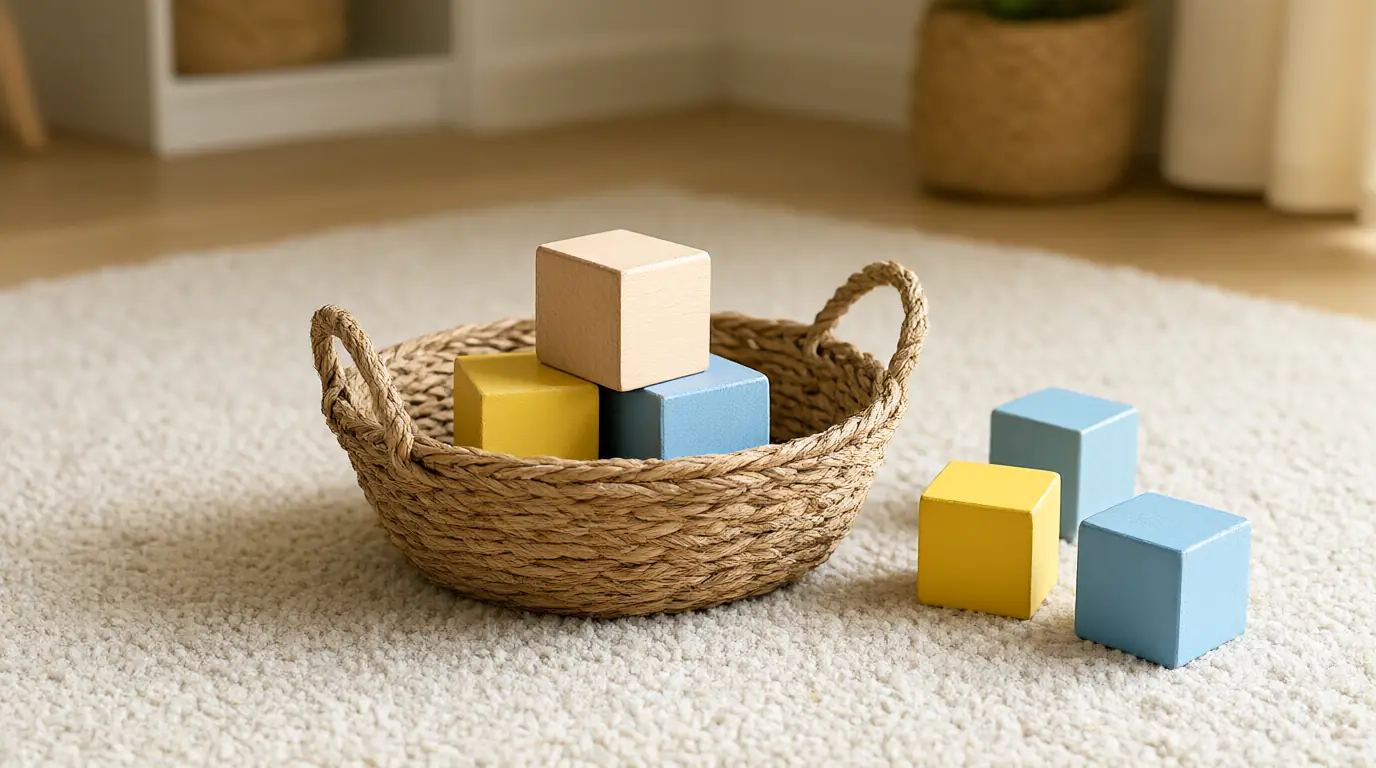
Make it your own: For younger or less steady children, use a larger, lower tub. For older toddlers, add a second container so they can move things between the two.
Find a partly hidden friend
Hiding a toy under a cloth teaches that things still exist when they are out of sight, and a half-hidden toy is easier to find than a fully hidden one. Your child decides whether to pull the cloth and enjoys the moment when the friend reappears.
You’ll need
- A soft toy with a clear face
- A thin, light cloth or muslin square
- A cushion to sit on
How to do it
- Show the toy and say its name.
- Place the cloth over the lower half of the toy while your child watches.
- Pause and say 'where is teddy?' in a gentle, curious voice.
- Let your child pull the cloth away, or lift it a little to help.
- Greet the toy with a smile and say 'there you are!'
- Cover the toy a little more each time if your child is ready.
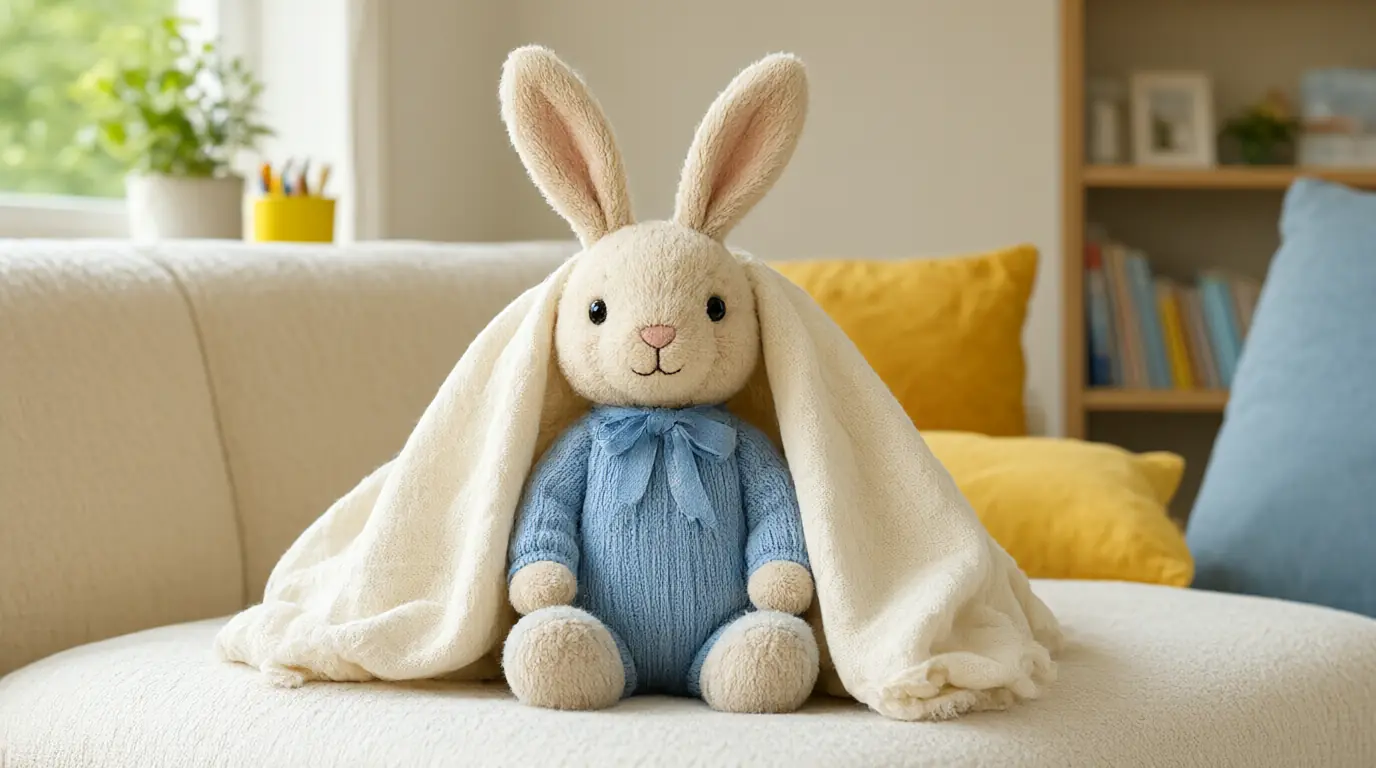
Make it your own: Start with the toy mostly visible. For older toddlers, hide the toy under one of two cloths and see where they look.
Take turns with a sound
Copying a sound or gesture your child makes shows that you are listening and starts the back-and-forth rhythm of conversation. The exchange matters more than getting a particular word, and your child may answer with a smile, a babble or a wave.
You’ll need
- Your voice and hands
- A wooden spoon and a plastic tub for a drum
- A cushion or lap
How to do it
- Sit facing your child and listen for a sound they make, such as 'ba' or 'mmm'.
- Repeat it back softly and wait.
- If they answer, copy again, and if they do not, try a gentle clap.
- Offer the spoon and tub and tap once, then pause.
- Let your child tap in return, and copy their rhythm.
- Finish with a wave or a cuddle when they look away.
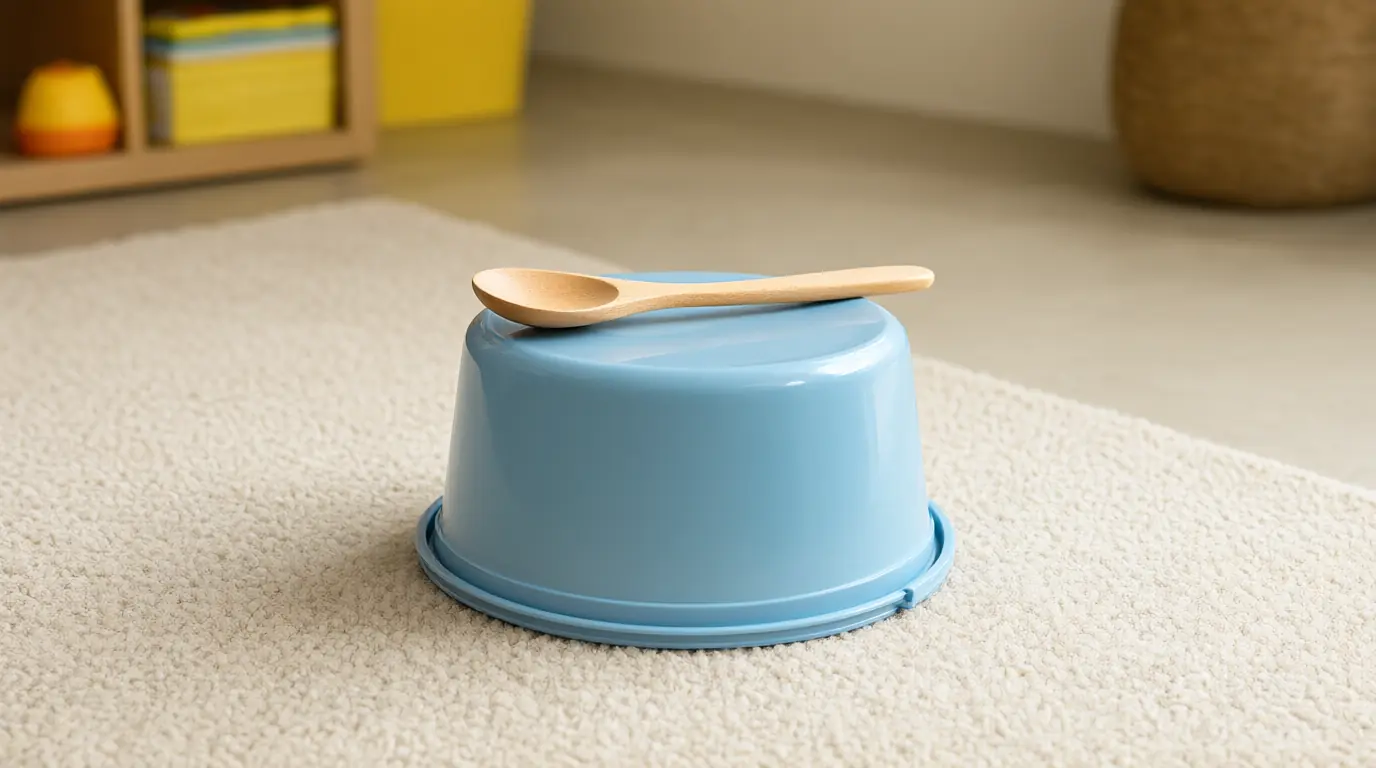
Make it your own: For quieter children, use a gentle clap or a smile instead of a sound. For older toddlers, add a new word or a simple song.
Explore one book slowly
At this age, a book is something to hold, point at and mouth as much as read. Naming a single picture and following your child's lead builds vocabulary without any pressure to finish the page, the book or the story.
You’ll need
- A sturdy board book with large, clear pictures
- A comfortable spot on your lap or a cushion
- A soft toy to join in
How to do it
- Sit comfortably and let your child hold or touch the book.
- Point to a familiar picture, such as a dog, and say its name once.
- Wait for your child to point, pat or look at you.
- Follow the page they choose, even if they go back.
- Make the animal sound or action and let your child copy if they want.
- Close the book when attention drifts and leave it where they can find it.
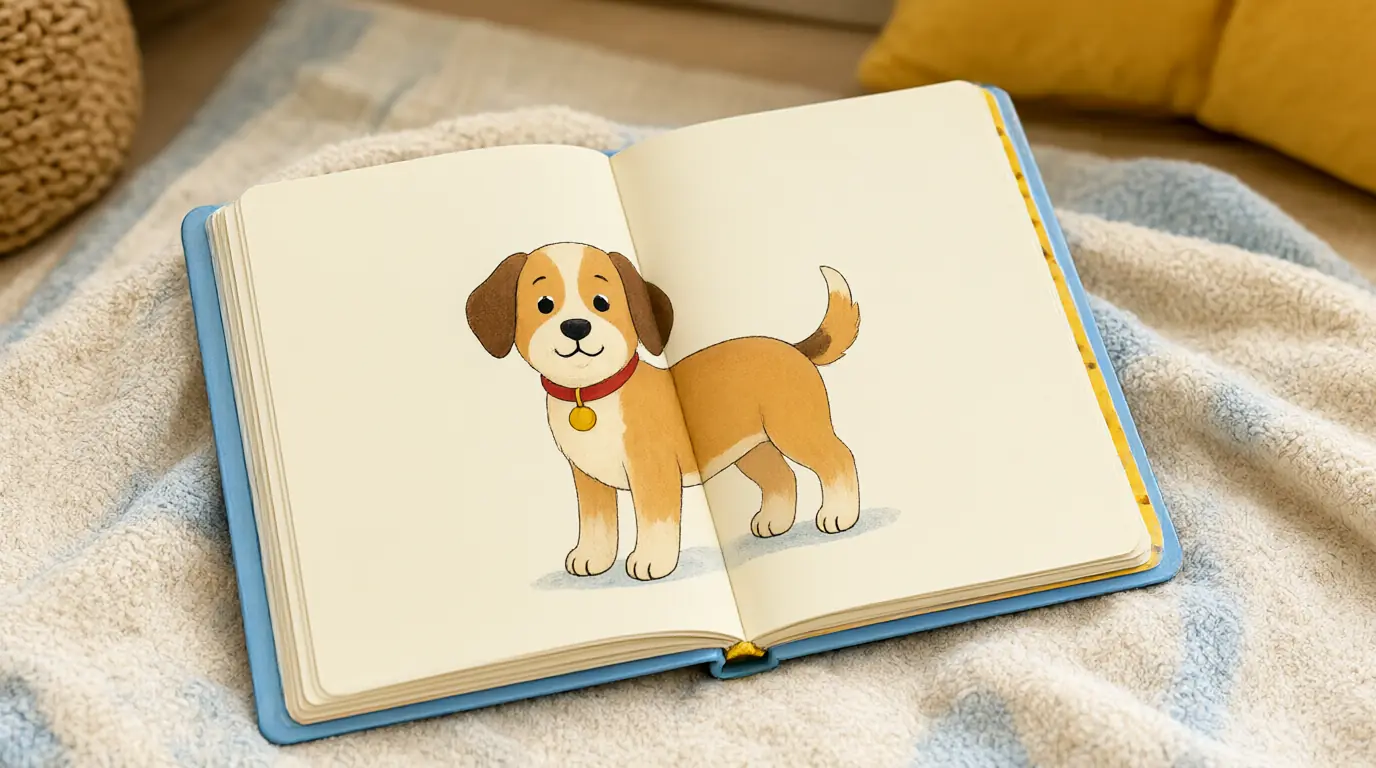
Make it your own: For younger children, choose a book with one picture per page. For older toddlers, ask 'where is the dog?' and let them point.
A safe cupboard basket
Toddlers love real objects, and a basket of safe kitchen items offers new textures, sounds and weights. Choosing and handling a wooden spoon or a silicone cup is real investigation, and it keeps your child close while you get on with your day.
You’ll need
- A low basket or box
- A wooden spoon, a silicone cup and a small plastic colander
- A clean washcloth and a plastic measuring cup
- A mat to sit on
How to do it
- Check every item for sharp edges, small parts and splinters.
- Place three or four items in the basket and set it down within reach.
- Sit beside your child and let them pick what they want.
- Name the item and what it does: 'spoon, stir'.
- Show a simple action, such as stirring in the cup, and wait.
- Swap two items next time so the basket feels fresh.
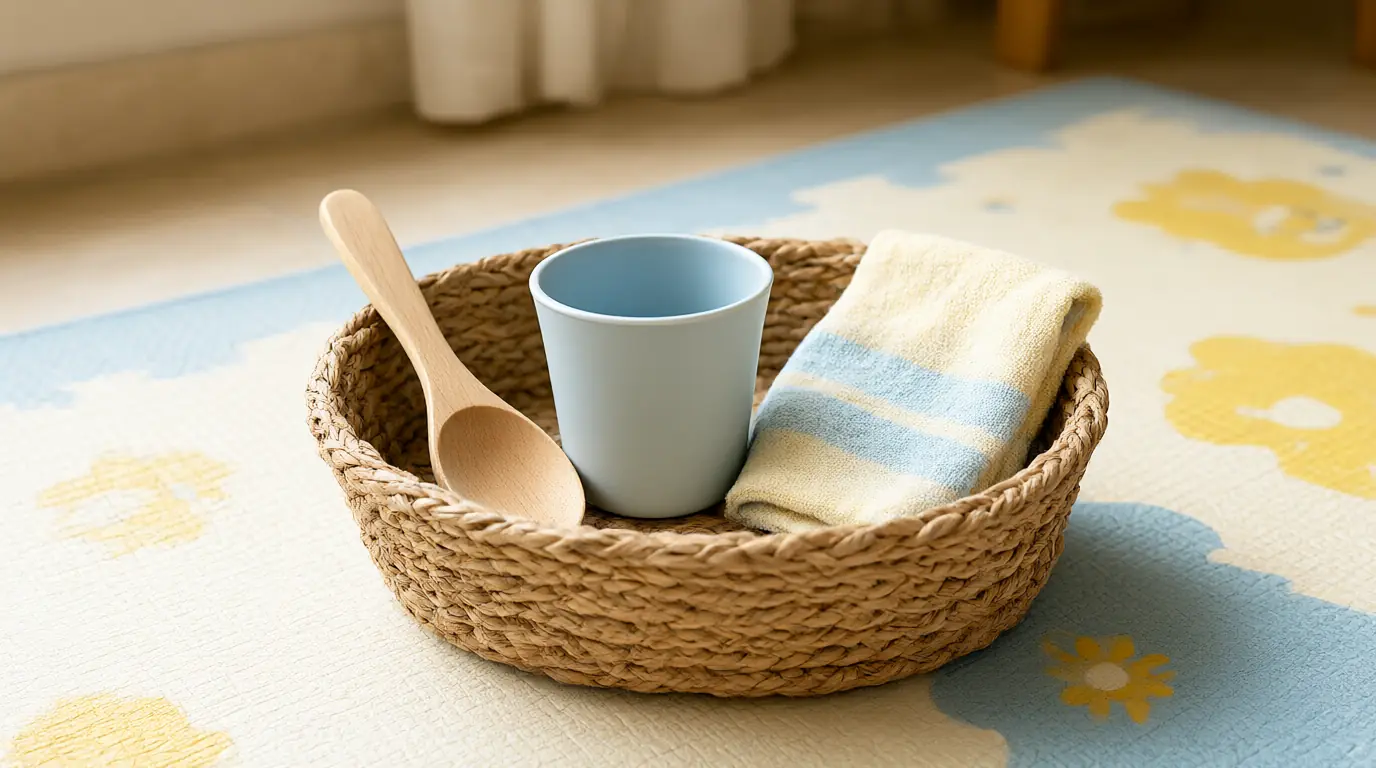
Make it your own: For younger children, offer only two items. For older toddlers, add a small plastic bowl for pretend feeding.

Make it work for your family
Follow your toddler's cues and stop when they turn away, fuss or need a break. One action repeated many times is not a sign of boredom; it is how children at this age learn. Rotate toys every few days rather than putting everything out at once, so that familiar items feel new.
If you have concerns about skills your child has lost or is slow to develop, talk to their doctor or health visitor. For more ideas, see activities for 2-year-olds and infant activities. Weebou's learning games are designed for ages 2–6+, so these one-year-old ideas stay screen-free; later, the alphabet game can join your routine.

Parents also ask
What can a 1-year-old play with at home?
Large blocks, a basket, soft toys, a light cloth, a board book and safe kitchen items such as a wooden spoon all work well. Choose things too large to swallow and stay close, since toddlers often mouth and drop what they hold.
How long should a play session last for a 1-year-old?
Often just a few minutes, and that is fine. Toddlers repeat one action many times and then move on abruptly. Watch for turning away or fussing and end the game warmly, leaving the materials within reach.
Should a 1-year-old use screens?
These ideas are screen-free. Many health bodies advise limiting screen time for very young children, so check current guidance from your doctor or health visitor. Real-world play, talking and reading together offer lots of learning without a device.
Sources & further reading
Explore these primary sources for further context on this topic.
Choose materials and activities that suit your child, supervise as needed and adapt the ideas to their interests and abilities. About our editorial approach